

Choosing the Best Trading App for Indian Investors
📱 Discover the best trading app for Indian investors by comparing usability, security, charges, and customer support. Make smarter investments with top platform insights.
Edited By
Amelia Edwards
Business risk management is about spotting problems before they hit your company’s bottom line. Every business faces risks—some obvious, others hidden. These can range from economic downturns, regulatory changes, to even disruptions in supply chains. In India, where business environments can be quite dynamic, having a solid risk management approach isn’t just advisable—it’s essential.
Managing risk means evaluating where your company is vulnerable and then taking steps to reduce those threats. For example, a retail company in Mumbai sourcing products internationally might face currency fluctuations or import delays. Recognising these risks early lets the company negotiate better contracts or hold strategic inventory to cushion the impact.

Effective risk management can safeguard your operations, protect financial health, and ensure compliance with regulations made by bodies like SEBI or the Reserve Bank of India (RBI).
Strategies for managing business risks generally fall into four categories:
Avoidance – Steering clear of activities with high risk.
Mitigation – Taking measures to reduce the chances or impact of risks.
Transfer – Sharing risks via insurance or contracts.
Acceptance – Acknowledging small risks and preparing to handle them.
Indian businesses often combine these strategies depending on their size, sector, and risk appetite. For instance, a tech startup might transfer risks related to data security by using cloud services with robust safeguards, while also accepting minor operational risks due to rapid innovation cycles.
Using risk assessment tools is another key part of managing risks. Tools such as risk matrices or software platforms help quantify risks and prioritise actions. Many Indian firms have started adopting digital platforms that integrate risk data in real-time, improving responsiveness.
Understanding the types of risk—be it financial, operational, strategic, or compliance-related—enables sharper decision-making. It also lays the foundation for long-term sustainability, especially as Indian regulations evolve.
This guide will explore practical ways to identify, analyse, and tackle risks specific to Indian business contexts, helping you secure your company’s future even in uncertain times.
Understanding business risks forms the foundation for protecting and growing any company. Without a clear grasp of what risks exist and how they impact operations, finances, and reputation, businesses tend to face surprises that can cost dearly. For example, an unanticipated regulatory change could lead to fines or operational disruption if compliance risks are overlooked. Therefore, knowing the different types of risks helps leaders prepare better strategies and allocate resources wisely.
Operational risks arise from the day-to-day functioning of a business. These include failures in internal processes, systems, or human errors. Take a manufacturing firm in Pune; if their machinery breaks down unexpectedly, production halts, causing delays and financial losses. Similarly, employee absenteeism or supply chain interruptions also fall under operational risks. Managing these risks means building robust systems and backup plans.
Financial risks relate to the uncertainty in a company’s monetary resources, including cash flow and credit. For instance, a small textile exporter in Surat may face payment delays from overseas buyers or currency fluctuations impacting profits. Interest rate changes, bad debts, or investing in volatile stock markets also contribute. Carefully monitoring finances and maintaining adequate liquidity can reduce such risks.
Market risks involve changes in demand, competition, or economic conditions that affect a firm’s sales and market share. A local retailer in Chennai might see reduced customer footfalls during heavy monsoon seasons or face stiff competition from e-commerce platforms offering discounts. Adapting quickly to market trends and customer preferences helps manage this risk.
These come from failure to meet laws, regulations, or standards relevant to business operations. Think of an IT firm in Bengaluru ignoring data protection laws; it could face hefty penalties and reputational damage. Indian companies must keep an eye on regulations from bodies like RBI, SEBI, or GST authorities to stay compliant.
Reputational risks relate to any event or action that damages public trust. Negative reviews on social media, poor product quality, or unethical practices can harm brand image. For example, a popular food delivery service facing complaints about hygiene during the pandemic saw a dip in customer confidence. Proactive communication and quality control are key to avoiding such issues.
Strategic risks occur from poor business decisions, resource allocation, or failure to adapt to changing environments. For example, a traditional bookstore not embracing digital sales might lose out as consumers turn to online shopping. These risks often emerge over time and require forward-looking planning to address.
Internal sources of business risks come from within the organisation itself. This includes organisational structure failures, employee misconduct, or outdated technology. For example, a startup with weak cybersecurity policies may face data breaches. Managing internal risks involves regular audits, training, and updating systems.
External factors include events or conditions beyond the control of the business. These cover economic downturns, political instability, natural disasters, or changes in customer behaviour. A tea exporter in Assam, for instance, might struggle during heavy floods affecting crop yields. Monitoring the external environment and developing flexible plans helps businesses stay resilient.
Understanding the full spectrum of business risks and their origins enables companies to build strong defence mechanisms and seize opportunities more confidently.
Risk assessment and analysis form the backbone of any strong business risk management approach. This process helps businesses pinpoint where threats lie, how likely they are to occur, and the extent of their potential damage. Without proper understanding, companies might either overestimate and waste resources or underestimate risks and suffer losses. Take, for example, a mid-sized textile exporter in Tirupur — without analysing supply chain disruptions carefully, it might face delays during local monsoon disruptions, which could cascade into penalties and lost clients.
Brainstorming and Workshops
This method gathers key stakeholders from various departments to openly discuss what could possibly go wrong. It’s practical because it surfaces risks that might not appear in paperwork or data — like operational hiccups during festivals when staff availability dips. These collaborative sessions also build a shared risk awareness culture. For instance, a Bengaluru-based IT services firm might conduct quarterly workshops, helping all teams spot cyber threats or client dissatisfaction early.
SWOT Analysis
SWOT (Strengths, Weaknesses, Opportunities, Threats) helps businesses see internal and external factors affecting risk. While strengths and weaknesses come from within, opportunities and threats come from outside. This technique is valuable for strategic risk assessment. A startup in the fintech space might identify regulatory changes as external threats but also recognise its agile team as a strength, enabling quick adaptation.

Historical Data Review
Analysing past incidents and data offers concrete clues about recurring risks. For example, a logistics company reviewing previous delivery delays can identify patterns connected to weather or traffic snarls. This review isn’t just about looking back; it informs future risk planning better. Indian businesses can leverage ERP and CRM systems to maintain detailed historical records needed for this.
Risk Matrix Approach
A risk matrix plots risks on two axes: impact severity and likelihood of occurrence. Visualising risks helps prioritise which ones need immediate attention and which are lower priority. For example, a retail business might find price fluctuation of raw materials to be highly likely but moderate in impact, while cyberattacks may be less frequent but potentially devastating.
Quantitative vs Qualitative Analysis
Quantitative analysis uses numerical data—for instance, estimating a potential ₹5 lakh loss due to supply chain disruption. Qualitative analysis focuses on descriptive, non-numerical aspects like reputational harm or employee morale. Both are essential. A real estate firm, for instance, might quantify lost revenue but also factor in community trust damage qualitatively when planning risk responses.
Effective risk assessment and analysis provide a clear, actionable roadmap for businesses. They prevent guesswork and bolster proactive decision-making, which is especially critical in India’s dynamic economic environment.
By applying these techniques properly, companies can shave off unnecessary costs, focus resources smartly, and shield themselves from shocks more efficiently.
Managing business risks effectively means selecting the right strategies to protect your company from potential threats. Choosing a suitable approach depends on the nature of the risk, available resources, and the organisation's tolerance for uncertainty. Strong risk management helps in sustaining operations, avoiding losses, and ensuring compliance.
Avoidance involves steering clear of activities or situations that can trigger risks. For example, a retailer might avoid sourcing products from suppliers with a known history of delays to prevent supply chain disruptions. Although it may limit opportunities, avoiding high-risk areas prevents exposure to damage that could outweigh potential benefits.
Reduction focuses on lowering the chance or impact of risks. Consider a manufacturing firm that installs safety guards on machinery to reduce accident risks. Such measures don’t eliminate risks but minimise their likelihood or consequences, helping businesses carry on with reduced vulnerability.
Sharing or Transfer shifts the risk to a third party, commonly through insurance or partnerships. A startup, for instance, may buy business interruption insurance to transfer the financial burden if operations halt unexpectedly. This allows firms to safeguard assets by strategically allocating risk.
Acceptance means recognising a risk and choosing to deal with it without specific actions. This usually applies when the cost of mitigation outweighs the potential loss. A tech company may accept minor software bugs that hardly affect user experience, focusing instead on more critical risks.
Policies and Procedures form the backbone of risk management, providing clear guidelines on handling risks. For example, banks follow stringent Know Your Customer (KYC) protocols to avoid fraud. Well-documented policies ensure everyone in the organisation understands their role in managing risk.
Delegation and Accountability assign risk-related responsibilities to specific teams or individuals. A finance head might be accountable for overseeing credit risk controls. This clarity avoids confusion, streamlines decision-making, and fosters a culture where managing risk becomes part of daily operations.
Technology and Automation play an increasing role in risk management by enabling real-time monitoring and swift responses. Tools like Enterprise Risk Management (ERM) software help identify and flag potential issues early. For instance, Indian e-commerce companies use automated fraud detection to secure transactions, cutting down losses and building customer trust.
Effective risk strategies combine different methods tailored to business needs. Avoiding some risks while transferring others, backed by clear policies and smart technology, builds resilience and drives sustainable growth in today’s dynamic markets.
Technology plays an increasingly critical role in managing business risks, particularly in a fast-changing economic landscape like India’s. It helps companies spot, analyse, and control threats with higher accuracy and speed. Modern tools cut through the noise of complex data, offering clear insights that ease decision-making. Without these instruments, businesses might miss early signs of risk or struggle to respond effectively.
Digital risk management platforms centralise risk-related data, making it easier for teams to monitor multiple risk factors simultaneously. These platforms typically offer dashboards that track operational, financial, and compliance risks in real time. They improve collaboration among departments by sharing reports and alerts instantly, thus speeding up the risk response process.
In the Indian context, solutions like MetricStream and SAP GRC have gained popularity. Many mid-size companies also use Zoho Creator for customised risk management apps. These tools integrate seamlessly with existing ERP and accounting software, helping businesses proactively manage risks linked to regulatory compliance, supply chain disruptions, or fraud.
Real-time risk monitoring through data analytics lets businesses stay one step ahead. For example, banks in India use predictive models to detect fraudulent transactions as they happen, reducing losses drastically. Similarly, retail chains analyse customer behaviour patterns during festive seasons to mitigate supply chain risks and avoid stockouts.
Predictive insights enhance decision-making by providing quantified risk scenarios. This means executives get to understand potential impacts and likelihoods more clearly, enabling better resource allocation. In sectors like manufacturing or insurance, these insights support strategic planning and operational adjustments without costly trial and error.
In short, combining digital platforms with advanced analytics transforms risk management from reactive firefighting to proactive governance. Indian businesses that adopt these tools often see improved resilience and compliance, safeguarding long-term growth.
By leveraging technology effectively, traders, investors, and analysts gain richer perspectives on risks that affect their investments and strategies, making technology indispensable for today's risk management landscape.
Indian businesses operate within a complex regulatory environment that aims to manage and minimise risks across multiple domains. Understanding this framework helps companies avoid financial penalties, legal troubles, and reputational damage. By aligning risk management practices with key Indian regulations, businesses can safeguard their operations and strengthen stakeholder confidence.
The Reserve Bank of India (RBI) sets guidelines primarily for financial institutions, but its regulations often influence risk practices across sectors. RBI mandates stress testing, capital adequacy norms, and liquidity management for banks to reduce systemic risk. For example, RBI's instructions on fraud detection and reporting protect banks and their customers.
Even non-banking firms, particularly those with financial dealings, benefit from RBI directives by adopting strong credit risk assessments and internal controls. Staying current with RBI circulars ensures compliance and reduces risk exposures linked to cash flow and credit.
The Securities and Exchange Board of India (SEBI) regulates the securities market and listed companies, enforcing transparency and investor protection. SEBI mandates regular disclosures, insider trading norms, and risk disclosures in annual reports.
For traders and investors, SEBI’s requirements improve market fairness and reliability. Companies must comply by maintaining sound corporate governance and robust risk management to avoid penalties and loss of investor trust.
Indian businesses face increasing pressure to uphold corporate governance standards laid out in laws like the Companies Act and guidelines from SEBI. These norms promote accountability, transparency, and ethical conduct.
Good governance ensures proper oversight of risk management frameworks, with independent directors and audit committees monitoring potential risks. For instance, board oversight of financial reporting and internal controls reduces risk of misstatements or fraud.
Labour laws in India regulate employee safety, wages, and working conditions, which directly affect operational risk control. Non-compliance can cause legal actions and disrupt production.
Environmental laws, including pollution control rules, demand businesses adopt sustainable practices. Failure to comply can result in fines and harm a company’s public image. For example, manufacturing units must ensure waste disposal meets standards to avoid penalties.
Conducting regular internal audits helps identify compliance gaps before regulators step in. These audits review adherence to laws, financial controls, and operational procedures.
Internal audits act as an early warning system, allowing companies to rectify issues and avoid legal complications. For example, a manufacturing firm might identify safety lapses through audits and take corrective steps, reducing accident risk.
Keeping accurate records and timely reports is essential under many Indian laws. This includes filing tax returns, submitting financial disclosures, and maintaining employment records.
Proper documentation supports transparency during regulatory inspections and legal reviews. For traders and analysts, documented compliance builds trust and credibility.
Educating employees about regulatory requirements and company policies ensures that compliance becomes a collective responsibility. Training programmes on labour laws or environmental norms prevent inadvertent violations.
Regular awareness sessions help embed a compliance culture. For instance, staff trained in data protection laws reduce risk of breaches and penalties.
Aligning business risk management with India's regulatory landscape is not just about avoiding penalties—it's about building a resilient, trustworthy organisation that can navigate challenges confidently.
Embedding risk management into the very fabric of a business's culture ensures that managing uncertainties becomes second nature to every employee. This approach goes beyond formal policies and procedures; it instils continuous vigilance and proactive behaviour toward risks. Indian companies like Infosys and Tata Steel attribute part of their resilience to nurturing such a culture, where risk awareness is everyone's responsibility, not just the risk manager's job.
A strong risk-conscious culture helps in spotting issues early, reducing losses, and building stakeholder confidence. It also supports compliance with regulatory expectations from bodies like SEBI and the Reserve Bank of India. When risk management is embedded, decision-making at all levels reflects a balanced view accounting for both opportunities and threats.
Leaders play an essential role in shaping risk culture by actively endorsing and practising risk management. When the board and senior management openly discuss risks and show commitment to managing them, it reinforces their importance across the organisation. For example, during quarterly meetings, a CEO might highlight risks linked to rapid market changes or technological disruptions, sending a clear message to teams.
This leadership style encourages managers and staff to give due attention to risk considerations in their daily work. It also signals that the company values transparency and responsible risk-taking, which boosts morale and trust.
Open communication helps uncover risks that might otherwise stay hidden. Businesses benefit when employees feel safe reporting potential threats without fearing blame or backlash. For instance, in a manufacturing unit, shop-floor workers noticing a safety hazard should be confident to report it immediately.
Regular risk discussions, suggestion boxes, or digital platforms for feedback can help achieve this openness. In Mumbai-based startups, chat channels like Slack are used for sharing real-time risk observations, which accelerates response times and fosters a collective risk sense.
Organisations that thrive embed feedback loops to learn from risk events or near misses. Post-incident reviews or regular risk assessments provide valuable insights to strengthen controls. In an Indian logistics company, analysing delivery delays due to monsoon flooding helped refine contingency plans and vendor selection criteria.
These feedback channels should be structured yet flexible to capture various views, ensuring lessons are integrated into training or updated policies.
Risk landscapes evolve quickly, especially with technological advancement and globalisation. Companies need agility to respond to new threats like cyberattacks or sudden regulatory shifts. For example, Indian banks had to rapidly adapt their risk models to accommodate the rise of digital payments and associated fraud risks.
Regular risk horizon scanning and scenario analysis can prepare businesses for emerging challenges. This adaptive culture ensures sustainability even when circumstances shift unexpectedly.
Embedding risk management into business culture transforms it from a periodic exercise to a continuous, shared commitment that safeguards the organisation's future.
📱 Discover the best trading app for Indian investors by comparing usability, security, charges, and customer support. Make smarter investments with top platform insights.
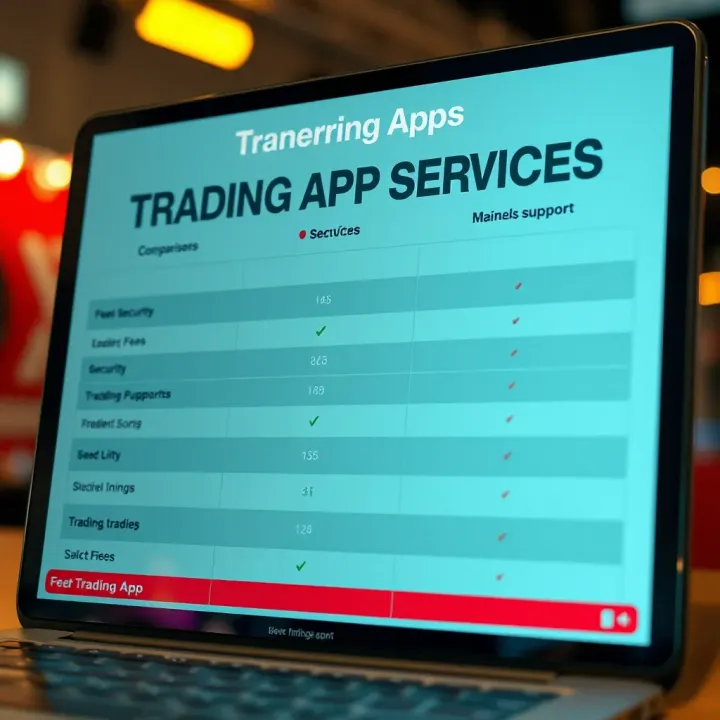
📊 Explore top trading apps in India! Compare features, fees, security, and support to find the best investment platform tailored to your trading style.

Discover how to pick the best forex trading app in India 🇮🇳 with top security, regulatory compliance, user-friendly features & trusted options for all experience levels 📱

Discover how to pick the best virtual trading app in India 📱. Learn key features, benefits, and top platforms to practise stock trading risk-free and boost your skills.
Based on 13 reviews