

Legal Forex Trading Apps in India: What You Need to Know
Explore the legal landscape of forex trading apps in India 🇮🇳. Learn key regulations, features, risks, and find trusted compliant platforms for safe trading 📈.
Edited By
Oliver Grant
Forex trading apps have transformed how traders in India engage with currency markets. These mobile platforms let you buy and sell foreign currencies directly from your smartphone, providing real-time rates, charts, and order execution at the tap of a finger. But choosing the best forex trading app is not as simple as picking the most downloaded one.
You need an app that combines security, regulatory compliance, user-friendliness, and reliability. With India’s growing number of forex traders, many apps are fighting for attention. Some focus on beginners with easy interfaces and educational resources, while others cater to seasoned traders with advanced charting, low spreads, and margin trading.

Selecting the right app means balancing your trading style, risk tolerance, and goals with the app’s features and safeguards.
Here are key aspects to consider upfront:
Regulation & Security: Ensure the app is registered with the Reserve Bank of India (RBI) or authorised by SEBI (Securities and Exchange Board of India). This protects you from fraud and illegal operators.
Trading Features: Look for real-time quotes, various order types (market, limit, stop loss), and access to multiple currency pairs. Features like integrated charts and technical indicators support better decision-making.
User Experience: The app should be intuitive, fast, and easy to navigate on both Android and iOS devices.
Costs & Transparency: Check for the spread, commissions, and hidden charges that could impact profitability.
Customer Support: Prompt and helpful support matters, especially when markets move fast.
In India, popular forex trading apps like Zerodha Kite, Upstox Pro, and 5paisa offer competitive services though some specialise more in stockbroking with currency trading as an add-on. Dedicated platforms like MetaTrader 4 (MT4) used via India-based brokers also stand out for serious traders.
Before you commit, verify that the app supports RBI’s FEMA (Foreign Exchange Management Act) guidelines, as forex trading with foreign brokers outside Indian regulations may lead to compliance issues.
In the following sections, we will break down these factors in detail and provide tips to help you pick the best forex trading app that fits your needs and trading style perfectly.
Selecting the right forex trading app requires more than just checking its popularity. Certain features can make the difference between smooth trading and missed opportunities. These features help Indian traders navigate volatile forex markets confidently and effectively.
A clear, intuitive user interface is vital. When you’re watching markets fluctuate fast, you don’t want to wrestle with confusing layouts or menus. For example, apps like Zerodha Kite provide straightforward navigation where key options like buying, selling, and chart analysis are reachable with a couple of taps. A clumsy interface can lead to errors, delayed decisions, and frustration — none of which is ideal when forex moves in seconds.
Fresh and accurate market data is the backbone of good forex trading. Apps must offer real-time price feeds, currency pair charts, and news updates relevant to global and Indian markets. Consider using apps that include technical indicators such as Moving Averages or RSI (Relative Strength Index). These features help traders make informed decisions based on current market conditions, not outdated info. Without this, you might end up chasing price moves rather than anticipating them.
The speed at which an app processes your trades directly affects profitability. In forex, prices can swing widely within moments. If your order execution lags, you may not get the rates you intended. Some apps use advanced order routing to nearby liquidity providers, minimizing delays. For instance, platforms like IG India are known for quick execution and low latency, which is critical especially during high volatility.
Good forex apps offer a variety of order types beyond just 'market' and 'limit' orders. Stop-loss and take-profit orders, trailing stops, and one-cancels-other (OCO) orders allow you to manage risks better by setting automatic exit points. This is especially useful for Indian traders balancing forex with other commitments, as these features help limit losses and protect profits without constant monitoring.
Choosing an app without adequate risk controls is like driving without brakes — it only takes one unexpected turn to lose big.
In summary, these key features — simple interface, real-time data, quick trade execution, and comprehensive order options — form the foundation for effective forex trading. When evaluating apps, test them on these aspects to ensure they meet your trading style and goals effectively.

Regulatory compliance and strong security measures form the backbone of trustworthy forex trading apps in India. With so many platforms flooding the market, an app's adherence to Indian regulations and its ability to protect your funds and data can make the difference between smooth trading and potential loss.
The Securities and Exchange Board of India (SEBI) and the Reserve Bank of India (RBI) play key roles in regulating forex trading activities within India. SEBI oversees securities markets and ensures brokers operate transparently and fairly. Meanwhile, the RBI governs forex transactions to maintain currency stability and prevent illegal foreign exchange operations.
Most Indian forex trading apps comply with SEBI’s registration requirements and RBI’s guidelines regarding foreign currency limits and permissible trades. They strictly follow Know Your Customer (KYC) norms and Anti-Money Laundering (AML) policies, reducing risks of fraud and money laundering. For example, many apps only allow trading of currency pairs approved under RBI regulations, such as USD/INR or EUR/INR, ensuring you trade within legal boundaries.
Ignoring these regulations not only exposes users to legal trouble but could also mean poor service quality or higher chances of malpractice. Therefore, checking whether a forex app is SEBI-registered or RBI-compliant should be one of your first steps.
Forex trading involves sensitive personal and financial information, making security features crucial. Leading apps invest heavily in encryption technologies like SSL (Secure Socket Layer) to protect user data during transmission.
Two-factor authentication (2FA) has become standard, adding an extra layer beyond just passwords. Apps like Zerodha Kite and Upstox require OTP (One-Time Password) verification during login or transactions, greatly reducing chances of unauthorised account access.
Additionally, segregated client accounts keep your trading funds separate from the broker’s operating capital, shielding your money even if the company faces financial troubles.
Look out for apps that offer session timeouts, biometric login options (fingerprint or face recognition), and regular security audits. Beyond technology, transparent privacy policies and customer support responsiveness also indicate how seriously the platform treats your security.
Always prioritise apps with strong regulatory credentials and security mechanisms. This combination protects your investments and builds trust, allowing you to focus on trading rather than worrying about safety.
In short, choosing a forex trading app that is compliant with SEBI and RBI rules while offering robust data and fund security is essential for any Indian trader. This safeguards not only your money but also ensures a legally sound trading experience in India’s evolving forex market.
Choosing a forex trading app that suits your style is more than just picking the most popular name. Popular apps often combine usability, security, and cost efficiency—all crucial for Indian traders navigating foreign exchange markets. Understanding the strengths of these platforms helps you make a decision grounded in practical benefits rather than hype.
Brokerage-backed platforms have the advantage of direct integration with established brokers, offering users a streamlined experience when placing trades and managing funds. For example, Zerodha’s Kite app is well-known for its robust interface paired with trusted brokerage services, making trade execution smooth and reliable. These platforms often come with built-in market insights and research reports, which can save you the trouble of juggling multiple sources.
On the other hand, independent forex apps might not link to a brokerage house but offer advanced tools tailored for analysis and strategy testing. Apps like MetaTrader 4 or TradingView give you access to sophisticated charts, indicators, and the flexibility to connect with various brokers. This makes them a preferred choice for experienced traders who want a more customised, tool-rich experience.
When deciding between these two types, consider whether you value convenience and trust in a brokerage or prefer advanced analytical features that an independent app might offer.
Several apps enjoy wide acceptance among Indian forex traders due to their blend of localised features and global standards. Here are a few to keep an eye on:
Zerodha Kite: A brokerage-backed app with simple navigation and quick order execution; ideal for traders who want a seamless blend of domestic and international currency trading.
5Paisa: Offers competitive pricing and also integrates multiple investment options beyond forex, suitable for beginner to intermediate traders.
MetaTrader 4 (MT4): Independent but hugely popular, MT4 provides a rich suite of technical analysis tools and automated trading options.
Upstox Pro: Combines low brokerage fees with strong charting features; favoured among cost-conscious traders.
Keep in mind that a popular app in India is often backed by strong customer support and is adapted to Indian banking and regulatory frameworks, which reduces friction in deposits, withdrawals, and compliance.
Ultimately, the choice of a forex app depends on matching your trading goals with the features it excels at. Popularity is one thing, but the app’s strengths must align with your strategy and needs for it to truly add value to your trading journey.
Trading costs form the backbone of how profitable your forex trades can turn out. Even if your predictions are spot on, high fees or wide spreads can eat into your earnings significantly. While choosing a forex trading app in India, understanding these costs will help you avoid unpleasant surprises and optimise your returns.
Forex trading apps typically earn through commissions, spreads, or a mix of both. A commission is a fixed fee per trade or a percentage of the trade value, charged by the broker. For example, if an app charges ₹100 commission per trade, frequent traders will feel the pinch quickly. On the other hand, spreads refer to the difference between the buying (bid) and selling (ask) price of currency pairs. Popular pairs like USD/INR often have narrower spreads due to liquidity, whereas exotic pairs might carry wider spreads.
Some apps offer zero-commission trading but compensate with wider spreads. Others maintain tight spreads and levy modest commissions. For instance, a platform like Zerodha's Forex segment charges low commissions but offers competitive spreads. Meanwhile, independent apps sometimes attract users with zero commissions but charge higher spreads to balance costs.
It's useful to calculate the effective cost combining commission and spread before trading. Suppose you trade USD/INR with a spread of 4 paise and a ₹50 commission; the total cost is the sum of both, affecting your breakeven point. This comparison allows you to select an app that suits your trading frequency and volume.
Beyond visible fees, some trading platforms may include additional costs that impact profitability. Watch for:
Inactivity Fees: Some apps deduct charges if your account remains unused for months. This can erode your balance silently.
Withdrawal or Deposit Charges: While many Indian forex apps offer free bank transfers via UPI or NEFT, some might charge for quicker payment methods or international funding.
Data and API Access Fees: Advanced traders using real-time APIs or premium charts may pay extra. Such costs can add up if you rely heavily on market data.
Currency Conversion Charges: When funding your forex account or withdrawing in INR, some platforms levy currency conversion fees on top of RBI’s foreign exchange rates.
Always read the fine print before investing large sums. Hidden charges might seem small per transaction but accumulate over time, seriously cutting into your profits.
In summary, checking trading costs carefully will help you avoid unnecessary deductions and keep more of what you earn. Each trader’s needs differ—day traders should prioritise low commissions and tight spreads, while casual traders might focus on transparency and minimal hidden fees. Balance these factors when choosing your ideal forex trading app in India.
Selecting a forex trading app that suits your specific goals can make a huge difference in your trading experience and success. Whether you're starting fresh or handling large volumes, each trader has different needs—making it vital to match your app to your style and objectives. For instance, a beginner might prioritize easy navigation and educational support, while a pro demands advanced charting and lightning-fast execution.
Beginner-friendly apps focus on simplicity and clarity. They usually offer straightforward dashboards, tutorials, and demo accounts so new traders can practice without risking real money. Apps like Zerodha’s Kite Lite and Upstox Pro have gained popularity among novices in India because they balance ease of use with essential features. They provide clear market data and basic order types without overwhelming the user. Plus, beginner apps often have integrated educational resources or news updates, which can assist users in understanding market movements better.
Experienced traders need more from their trading platforms. They look for detailed technical analysis tools, multiple order types like stop-loss and trailing stops, and fast, reliable trade execution. Apps like MetaTrader 4 (MT4), MetaTrader 5 (MT5), and the full-featured versions of Zerodha Kite or Upstox offer advanced charting with dozens of indicators, customised alerts, and support for algorithmic trading. Traders who handle large positions or intraday trades will appreciate platforms with low latency and depth of market (DOM) data. Such apps suit those who follow international forex pairs and require robust risk management features.
Choosing between mobile and desktop platforms depends on your trading habits. Mobile apps offer convenience and let you act quickly on market movements, especially useful if you travel or prefer spontaneous trades. However, desktop platforms provide a wider layout for multi-window analysis, more powerful charting, and easier multitasking. Many top brokers provide synchronisation between mobile and desktop, meaning you can start analysis on your laptop and execute trades quickly from your mobile. Apps like Zerodha Kite and Groww offer seamless syncing across devices. This flexibility allows you to adapt your trading workflow and respond efficiently anytime, anywhere.
Always remember: Align your choice of forex app with your trading goals. A mismatch can lead to missed opportunities or unnecessary complexity.
In summary, beginners should prioritise simplicity and learning tools, while professionals need advanced features and speed. Meanwhile, use mobile apps for flexibility and desktop platforms for in-depth analysis, preferably supported by synchronisation. This approach ensures your forex app becomes a real asset, not a hurdle, on your trading path.
Explore the legal landscape of forex trading apps in India 🇮🇳. Learn key regulations, features, risks, and find trusted compliant platforms for safe trading 📈.
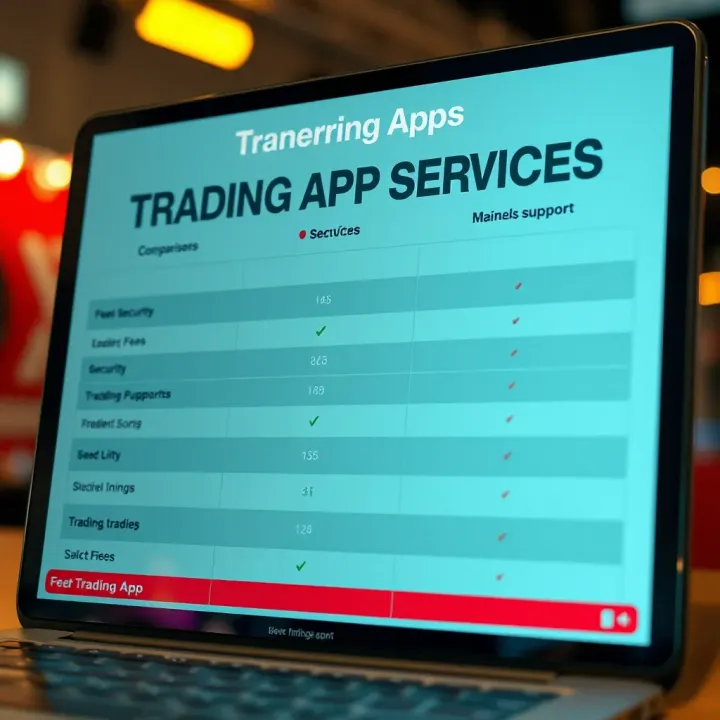
📊 Explore top trading apps in India! Compare features, fees, security, and support to find the best investment platform tailored to your trading style.
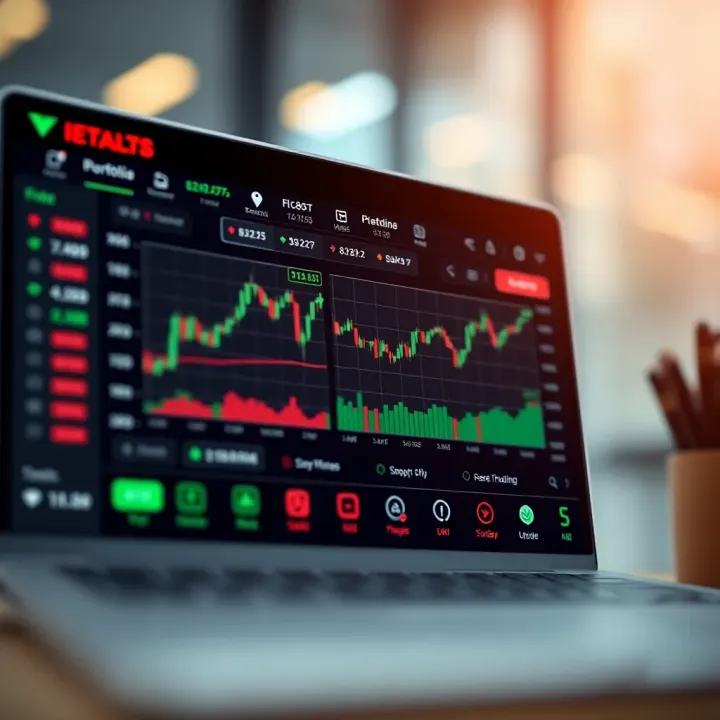
📱 Explore top online trading apps in India, learn about features, security, pricing, and expert tips to pick the best fit for your trading style.
Explore top trading apps in India with insights on features, fees, & reliability. Find the best fit for your needs and stay updated with market trends 📈📱
Based on 12 reviews