
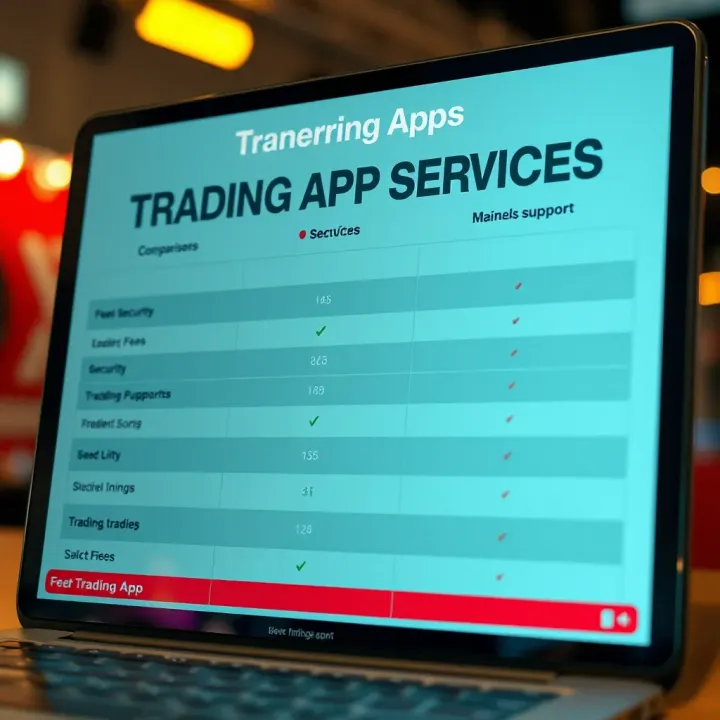
Best Trading Apps in India: A Simple Guide
📊 Explore top trading apps in India! Compare features, fees, security, and support to find the best investment platform tailored to your trading style.
Edited By
William Turner
Trading apps have become a game-changer for investors in India, offering quick access to the stock market and other investment avenues right from your mobile. With the rise of affordable smartphones and reliable internet, more traders are choosing apps over traditional brokerages for convenience and speed. However, not all apps are built the same.
The Indian trading landscape includes platforms catering to a range of users—from novices picking up their first shares to seasoned analysts hunting for advanced tools. Your choice of app should depend on features like user-friendly interface, charges applicable (including brokerage fees), security measures, and available investment options such as equities, mutual funds, commodities, and derivatives.

A good trading app balances ease of use with powerful functionality and ensures your transactions remain safe in the fast-moving financial markets.
Here’s what you should keep in mind when navigating through the popular trading apps in India:
User Experience: Intuitive design can save time and reduce errors, especially during volatile market hours.
Fees and Charges: Transaction costs vary widely; some apps offer zero brokerage on equity delivery trades, while others charge flat rates or percentages.
Security: Look for platforms with strong two-factor authentication and end-to-end encryption.
Market Access: Beyond stocks, check if the app supports trading in commodities, currency derivatives, or mutual funds, depending on your strategy.
Research and Insights: Real-time data, analyst reports, and charting tools add value for active traders and investors aiming to make informed decisions.
The following sections will compare leading trading apps available in India today, helping you identify the best fit based on your trading style and needs. Whether you prefer simplicity or advanced analysis, this guide aims to clarify key differences to maximise your investment journey.
Trading apps have reshaped how Indians invest and trade in financial markets, offering flexibility and speed that desktop platforms often lack. With smartphones becoming ubiquitous even in smaller towns, these apps bring the stock market, commodities, derivatives, and mutual funds right to your palm. For any trader or investor, understanding the different types of trading apps and their distinct features is vital to making smart choices.
Equity Trading Apps focus on buying and selling shares of companies listed on stock exchanges like BSE and NSE. They cater to those interested in owning a piece of companies and benefiting from price movements and dividends. Apps such as Zerodha Kite and Upstox provide seamless equity trading with real-time quotes and swift order execution. For example, beginners often use these apps not just for trading but also for tracking company fundamentals.
Commodity Trading Apps allow users to trade in physical goods like gold, silver, crude oil, and agricultural products. This segment is growing fast as farmers, jewellers, and speculators want exposure to price fluctuations of commodities. Apps like Angel One offer dedicated sections for commodities, enabling users to hedge risks or profit from market volatility.
Derivative Trading Apps specialise in futures and options trading on stocks, commodities, and indices. These apps suit advanced traders who use leverage and complex strategies to amplify returns or manage risk. Groww and Zerodha offer derivatives trading with analytical tools for technical analysis, allowing traders to act quickly during market swings.
Mutual Fund Investment Apps provide easy access to direct mutual fund investments without hefty commissions. These apps target long-term investors who prefer a hands-off approach compared to active stock trading. Groww and Coin by Zerodha are popular platforms where investors can compare, invest, and track mutual funds with user-friendly interfaces and calculators to plan their SIPs.
Accessibility and Convenience top the list. Trading apps remove the need to visit brokers or deal with paperwork face-to-face. Whether you are in Delhi or a tier-2 city like Ludhiana, you can start trading or investing with just a mobile phone and internet connection. This convenience encourages participation from younger and regional investors who previously found traditional methods cumbersome.
Real-time Market Data is another key draw. Indian trading apps provide instant updates on price movements, market depth, and news. This helps users seize opportunities and minimise losses, especially in volatile markets like Indian equities, where prices can change rapidly due to corporate announcements or global cues.
Integration with Indian Payment Systems makes funding and withdrawals hassle-free. UPI (Unified Payments Interface) support is common, enabling instant transfers from any bank. Linking your bank account with apps like Angel One or Groww allows rapid settlement of trades and systematic investments without delays or third-party intermediaries.
Choosing the right trading app requires understanding these types and benefits, which can significantly impact your trading efficiency and financial outcomes. Make sure to explore features that align with your trading goals and financial habits.
Choosing the right trading app influences how effectively you can access markets, make decisions, and manage investments. Key features ensure smooth navigation, offer insightful tools, and protect your data—vital for trading success.
Ease of Navigation plays a big role, especially for traders juggling multiple tasks. A clear layout helps you move between charts, order placements, and portfolio views without losing time. For example, apps like Zerodha Kite offer intuitive dashboards where even beginners can quickly find watchlists or place orders without hunting through confusing menus.
Personalisation Options let you tailor the app to fit your trading style. Customisable watchlists, alerts for specific stocks, and adjustable themes make your experience flexible and comfortable. Groww, for instance, allows users to create personalised dashboards that track preferred stocks and mutual funds, improving convenience for regular users.
Charts and Technical Indicators are irreplaceable for traders using technical analysis. A trading app must provide different chart types—line, candlestick, or bar—as well as key indicators like moving averages or RSI. Upstox Pro offers a range of such tools, helping traders spot trends and time their trades better.
Market News and Analysis keep traders informed about sudden developments and broader trends. Quick access to reliable news within the app avoids the hassle of switching between multiple sources. Angel One’s app integrates analyst reports and live news updates that can influence market movement, aiding timely decision-making.
Data Privacy Measures ensure your personal and financial information stays safe. Look for apps using encryption protocols and two-factor authentication to protect accounts. In today’s environment, where cyber threats are common, these measures are not optional but necessary.
Always confirm your trading app uses industry-standard encryption and secure login features. It makes a significant difference in safeguarding your money and data.
SEBI Registration and Compliance offers assurance that the app operates within India’s legal framework. Apps registered with the Securities and Exchange Board of India (SEBI) must follow regulations protecting investors. This compliance means you can trade without worrying about fraudulent activities or unfair charges.
Understanding these features helps you select a trading app that suits your needs, balances usability with power, and keeps your investments safe.
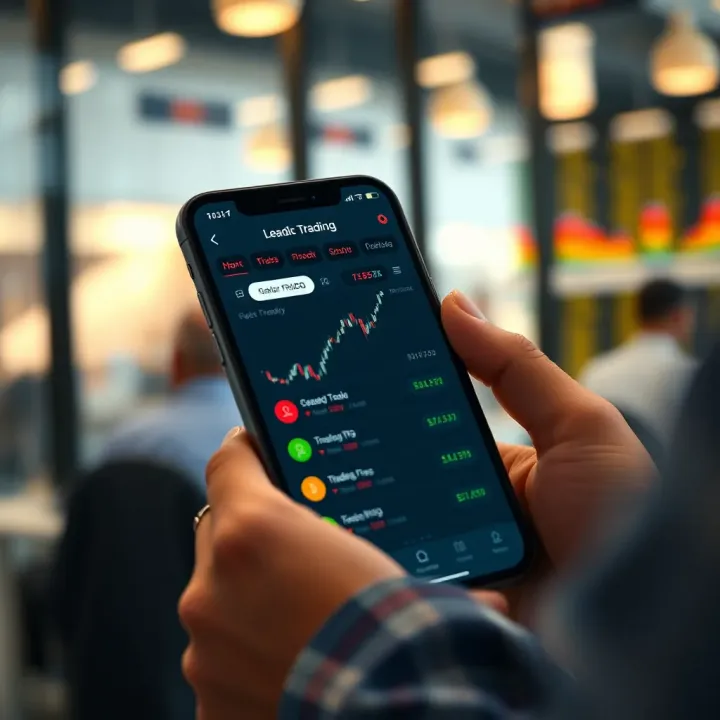
Reviewing popular trading apps helps traders navigate the crowded market of platforms and pick what suits their needs best. Given the variety of investor profiles—from beginners to seasoned professionals—understanding these apps’ features, charges, and user responses can save both time and money. Instead of trial and error, a detailed appraisal offers clarity on tools, fees, and overall experience.
Zerodha Kite stands out for its clean interface and lightning-fast execution. It supports equity, commodity, and derivative trading seamlessly. The app’s integration with advanced charts and over 100 technical indicators makes it a favourite among active traders who rely on technical analysis. For someone keen on keeping tabs on market trends while also accessing funds easily, Kite is solid.
Zerodha uses a flat fee brokerage model for equity delivery trades—they charge zero brokerage, which appeals strongly to long-term investors. For intraday trades and derivatives, a flat ₹20 per trade applies, regardless of volume. This fee structure benefits high-volume traders who want predictable costs. Users should watch out for additional charges such as exchange transaction fees and GST.
The app enjoys largely positive reviews regarding speed and reliability. However, users sometimes report glitches during peak market hours. Customer service is responsive, but the lack of a dedicated in-app chat feature has been noted. Overall, active and occasional traders find Kite dependable and efficient.
Upstox Pro boasts a feature-rich interface with customisable watchlists, advanced charting tools, and real-time news updates. It supports multi-asset trading and integrates UPI for quick fund transfers. Its API-based orders benefit algorithmic traders by providing smooth automation capabilities.
Charges are competitive, with zero brokerage for equity delivery, and ₹20 per delivery trade for intraday and derivatives, similar to Kite. New users often note the steep learning curve due to the app’s wide array of tools. Also, some advanced features require a paid subscription, which might deter casual traders.
Users appreciate the quick onboarding with digital KYC and regular app updates. The crisp design works well on both Android and iOS. Some report occasional server slowdowns during high volatility, but overall, the trade execution is fast and reliable.
Angel One’s app offers a blend of traditional and modern trading tools. It features a simplified dashboard, goal-based investment options, and access to IPO subscriptions. The app also includes mutual funds and insurance alongside equity trading, catering to those who want a one-stop financial platform.
Angel One follows a zero brokerage model on equity delivery and charges ₹20 or 0.05% per trade on other segments, whichever is lower. This tiered pricing is attractive for small traders and investors looking for cost-efficiency. They also have discounts for high net-worth individuals (HNIs).
The app includes integrated chat and call support, allowing users to resolve queries quickly. Their educational content is handy for beginners. Customer feedback highlights helpful support but suggests improving app stability during heavy loads.
Groww started as a mutual fund investment app but has evolved into a full-fledged trading platform. Its simplicity and clean design appeal to first-time investors. The app allows investing in stocks, mutual funds, and US stocks with straightforward navigation.
Besides Indian equity and mutual funds, Groww offers access to US equity markets, making it attractive for those wanting global exposure. However, it lacks extensive advanced charting tools, making it less preferable for serious traders.
Groww’s user interface is intuitive, prioritising ease of use over complex features. This suits investors who prefer a hassle-free experience without diving deep into technical analysis. The app’s notifications and portfolio tracking are appreciated, helping users stay updated.
Choosing the right trading app depends on your trading style, investment goals, and the balance you seek between features and simplicity. Zerodha Kite suits traders needing advanced tools, while Groww fits casual investors prioritising ease.
When choosing a trading app, comparing fees and charges is more than just a cost concern; it directly affects your overall returns. Different apps follow various fee structures and add-on charges, and understanding these can help you avoid surprises and maximise profits. Let’s break down the key cost components that you should watch out for.
One of the first fee aspects to consider is the brokerage charged on trades. Most apps either follow a flat fee or a percentage-based commission model. With a flat fee, you pay a fixed amount per trade regardless of trade size. For example, Zerodha charges a flat ₹20 per executed order for equity delivery and intraday trades. This suits traders who make large trades or multiple small trades as charges stay predictable.
On the other hand, percentage-based fees, usually a small fraction of the trade value, can add up for high-value trades but might be cheaper for smaller trades. Traditional brokers and some full-service platforms like Angel One often charge 0.3% to 0.5% per trade. Choosing between these depends on your trading style; frequent traders prefer flat fees, while occasional investors may find percentage-based fees more economical.
Hidden charges can erode your profits even if the brokerage looks attractive initially. Watch out for fees like Securities Transaction Tax (STT), Goods and Services Tax (GST), and stamp duty, which all add up. Some apps also levy charges for order modification or cancellation. Always review the fee schedule carefully rather than assuming a fee structure from the headline brokerage.
Besides brokerage, deposit and withdrawal fees add to the expense, especially if you move money frequently between your trading and bank accounts. While many apps offer free deposits via UPI or net banking, some may charge a nominal fee for withdrawals or NEFT/RTGS transactions, particularly for amounts below a minimum threshold.
Another less obvious cost is platform usage charges. Certain advanced tools, real-time data feeds, or premium research reports might require subscription fees. For instance, Trackntrace or charts with more indicators could be behind paywalls. While basic trading works fine without these extras, active traders who rely on detailed insights should factor these costs into their budgets.
Keeping a close eye on all fees—including brokerage, taxes, and ancillary charges—helps you select a trading app that suits your strategy without eating into your gains unexpectedly.
Navigating trading apps effectively can save you both time and money while enhancing your overall trading returns. Knowing how to set up your account properly, make the most of app features, and manage risks smartly helps you avoid common pitfalls. Since Indian trading apps often come packed with options, understanding key tips ensures you don't miss out on tools designed to make trading smoother.
Completing the Know Your Customer (KYC) process accurately is the first step to using any trading app in India. KYC involves submitting identity and address proofs, like Aadhaar or PAN card, often facilitated within the app via DigiLocker or document upload options. Incorrect or incomplete KYC can lead to delays or account suspension, so double-check all details.
This process prevents fraud and ensures compliance with Securities and Exchange Board of India (SEBI) regulations. Once verified, your account becomes active for trading across equity, derivatives, or mutual funds.
Linking your bank account correctly is critical for smooth fund transfers and trade settlements. Indian trading apps typically support multiple preset bank accounts, but you need to select one as the primary linked account. This account handles deposits and withdrawals.
Most platforms also integrate UPI (Unified Payments Interface), enabling instant payment transfers from apps like PhonePe or Google Pay. Using UPI ensures quick fund availability without waiting for traditional NEFT or RTGS timings.
Push alerts are your eyes and ears in a fast-moving market. You can set price alerts, trade confirmations, margin calls, or news notifications customised to your portfolio. For example, if Reliance Industries share price crosses ₹2,500, an alert saves you from constantly monitoring.
Timely notifications help you act quickly, reducing chances of missed opportunities or losses due to delayed responses.
Most apps allow you to create multiple watchlists for different sectors or strategies. Grouping stocks, commodities, or derivatives helps monitor market trends at a glance.
For instance, a watchlist for your tech stocks like TCS, Infosys, and Wipro keeps you updated on sector moves without clutter.
This organisation improves decision-making and ensures you’re tracking relevant assets actively.
Using stop-loss orders is essential to protect your investments from sharp downturns. These orders automatically sell a security when it drops to a certain price, preventing bigger loss.
You can also set intraday or cover orders via apps like Zerodha Kite or Upstox Pro, limiting downside while staying active in the market.
Many trading apps provide features to analyse and diversify your portfolio across sectors and asset classes. They may suggest balancing equity with balanced funds or commodities based on your risk profile.
Diversification reduces concentration risk and improves long-term returns, especially during volatile market phases.
Smart and disciplined use of these app features can help small investors build a stronger, safer portfolio while keeping pace with the dynamic Indian market.
📊 Explore top trading apps in India! Compare features, fees, security, and support to find the best investment platform tailored to your trading style.

Discover how to pick the best forex trading app in India 🇮🇳 with top security, regulatory compliance, user-friendly features & trusted options for all experience levels 📱

Discover how to pick the best virtual trading app in India 📱. Learn key features, benefits, and top platforms to practise stock trading risk-free and boost your skills.
📱 Explore top online trading apps in India, learn about features, security, pricing, and expert tips to pick the best fit for your trading style.
Based on 13 reviews