

Choosing the Right Trading App in India
Find the best trading app for Indian traders! Explore key features, costs, security tips, and pick the platform that fits your goals 📈🇮🇳
Edited By
Laura Mitchell
Paper trading apps provide a risk-free platform to practice stock market trading using virtual money. They help beginners understand market basics and allow seasoned traders to test strategies before risking actual funds. Choosing the right paper trading app requires knowing what features matter most and how these align with your trading goals.
Not all paper trading apps are made equal. Some focus on user-friendly interfaces, while others offer detailed technical analysis tools or real-time market data. For Indian users, selecting an app that covers local exchanges like the NSE and BSE with accurate data is essential.
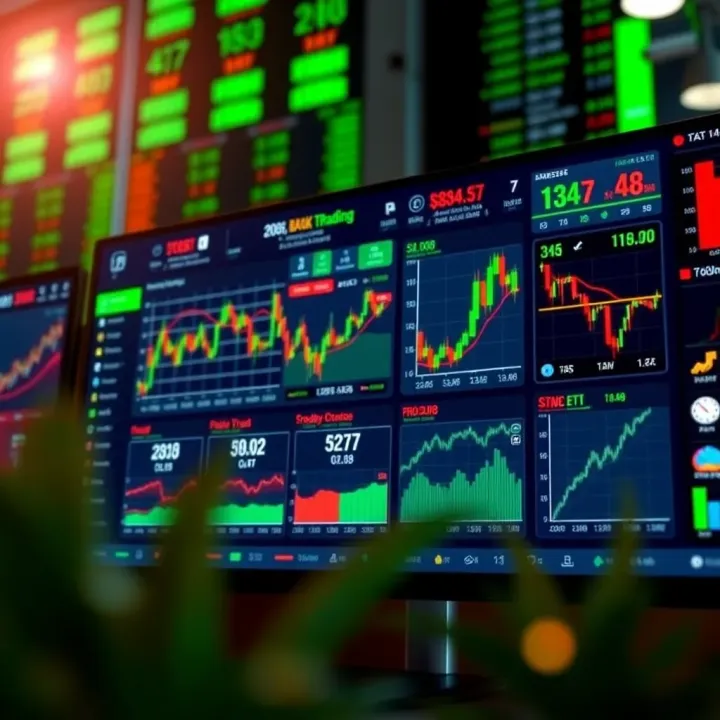
Successful paper trading depends as much on the app’s capabilities as on your approach. Without realistic simulation and reliable data, practice can mislead.
Here’s what you should look for when picking a paper trading app:
Accurate market data: Delays or approximations will affect your learning and strategy testing.
Variety of instruments: Access to stocks, derivatives, and mutual funds relevant to Indian markets enhances experience.
User interface: An intuitive design prevents confusion, allowing efficient order placement and portfolio tracking.
Technical analysis tools: Charts, indicators, and drawing features help study trends clearly.
Customisable features: Alerts, watchlists, and strategy backtesting support tailored learning.
Apps like NSE Paathshaala, Sensibull, and Upstox’s paper trading feature cater to Indian traders by offering local market access and realistic environments. Evaluating app reviews and trying free versions before committing helps identify what fits your style.
Ultimately, the right paper trading app simulates real conditions closely while offering tools suited to your learning curve. Keep in mind your trading approach—whether short-term intraday or long-term investing— and ensure the app supports it effectively.
Paper trading gives you a way to practise buying and selling stocks without using real money. Think of it as a flight simulator for pilots, but for traders learning the ropes. It helps in understanding market dynamics and sharpening trading skills without the fear of losing capital.
Paper trading is a simulated trading process that mimics real market conditions. You place virtual trades using live market data provided by the app, but no actual money changes hands. For example, if you think Reliance Industries will rally, you can buy its shares in a paper trading app to see how your decision would play out in the real market.
This simulation helps you experience order placement, price fluctuations, and market volatility—all while keeping your pocket safe. It often includes features like real-time quotes, charts, and virtual portfolios.
Using paper trading apps offers several practical benefits. First, you get familiar with how markets operate and how different orders work without risking your savings. New traders especially find it handy for learning market terminology and order types like limit and stop-loss orders.
Second, experienced traders can test new strategies or automated algorithms in a risk-free environment. For instance, before deploying a strategy using options on the NSE, traders can verify its effectiveness through paper trades.
Another advantage is performance tracking. Most apps provide detailed analytics, which help you spot patterns in your decision-making. That could show whether you tend to hold losing positions too long or enter trades too late.
Various groups gain value from paper trading. Beginners use it to build confidence and reduce the fear factor that comes with real money investment. Educators and trainers use paper trading platforms to demonstrate trading concepts to students of finance.
Even seasoned investors use paper trading when exploring unfamiliar markets or instruments, such as commodities or derivatives, that they don't normally trade. It’s also handy for those experimenting with intraday trading or swing trading strategies who want to test timing without financial risk.
Paper trading helps bridge the gap between theory and real-world trading, making it an essential tool for anyone serious about improving their market skills quietly before entering live trades.
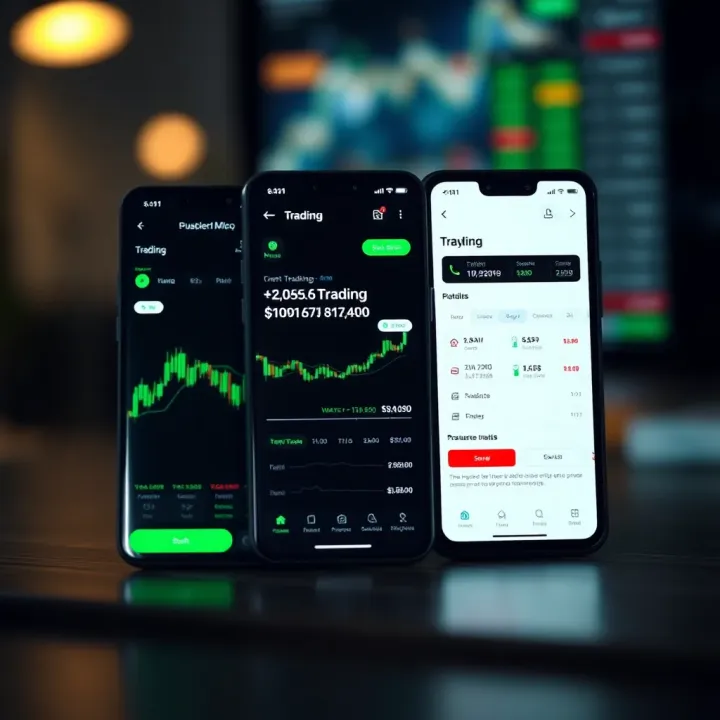
Understanding how paper trading works and its benefits can save you both money and frustration. It sets a firm base, whether you're a novice testing the waters or an expert trying out new waters.
When choosing a paper trading app, focus on features that closely mimic real trading conditions and help you sharpen your skills. The main advantage of paper trading is practising without real money, but the experience must feel genuine to provide real learning. Here are the key elements you should consider.
The app should deliver market data that updates in real time or with minimal delay, reflecting actual price movements from the Indian markets like NSE and BSE. If the prices lag or do not react to market events, the value of practice diminishes. Similarly, execution simulation must include realistic order placement and fills. For example, if you place a buy order for 100 shares of Reliance Industries, the app should simulate partial fills or slippage based on market conditions rather than instantly completing the trade at the current price. This helps you grasp how orders behave and builds discipline.
A clean, intuitive interface helps you focus on strategy, not hunting for buttons. Look for apps with easy navigation between charts, order books, and portfolios. Tools like drawing trendlines, placing stop-loss orders, or viewing candlestick patterns improve your analysis. For instance, Zerodha Kite’s smooth interface and handy mobile and desktop versions make it easy to switch devices and keep practising anytime. User-friendly apps save time and reduce frustration, which keeps you motivated to keep learning.
Good paper trading apps offer access to multiple asset classes—stocks, commodities, currencies, and derivatives like futures and options. This variety is crucial if you want to test strategies across different markets or instruments. For example, if you are interested only in NSE equity shares, pick an app that supports these fully. But if you want to explore options trading or currency futures, make sure the app provides those options too. Breadth in instrument support enhances your overall market understanding.
Unlike real trading, paper trading allows you to review your decisions deeply. The app should offer detailed analytics showing key metrics like profit/loss, win rate, drawdowns, and even time held per trade. Features like exporting trade history or graphical dashboards help identify what worked and where you can improve. For example, analysing your losing trades according to market trends or news events might reveal gaps in your approach. Without solid performance tracking, it becomes tough to measure progress or adjust strategies effectively.
Choose an app that feels close to the real deal and supports continuous learning with insightful feedback. This way, your practice won't be just playing with fake money but a meaningful preparation for real-market challenges.
Choosing a paper trading app that suits Indian users involves looking at platforms that not only offer realistic market simulations but also integrate well with Indian exchanges like NSE and BSE. These apps help both beginners and seasoned traders practise strategies without exposing themselves to financial risk. Indian users especially benefit from apps that provide access to local stocks, derivatives, and commodities while reflecting Indian market hours and regulations accurately.
Zerodha Kite stands out with its mock trading feature called 'Kite Paper Trading'. It replicates real-time market prices from NSE and BSE, ensuring that traders get a near-authentic experience. One great aspect is its seamless integration with Zerodha’s ecosystem, allowing users to switch from paper trading to live trading without changing platforms. The app lets you practice placing orders for stocks, futures, and options with zero risk, helping you grasp complex trading mechanisms like bracket orders and cover orders. Besides, its clean interface and detailed charts make it easier for users to analyse and refine their strategies.
Upstox offers a simulation mode within its mobile app and web platform designed to mimic actual market behaviour. It refreshes prices regularly to match Indian market updates, which benefits traders looking to simulate intraday moves. Upstox’s strength lies in its beginner-friendly approach, combining easy-to-use tools with live market signals. This gives users a solid foundation in order types and trade execution while building confidence. For active traders, testing strategies on multiple financial instruments within Upstox’s simulation helps identify what works in real market conditions.
Groww: Known mainly as an investment platform, Groww has included a paper trading section recently where Indian users can experiment with stock, ETF, and mutual fund investments. This is handy for those who are new and prefer a low-risk environment to learn investing basics on a familiar platform. The app’s sleek UI supports portfolio tracking and provides data-driven insights, helping users understand market dynamics better.
Angel One: Angel One’s paper trading feature offers a comprehensive simulation experience with access to equities, commodities, and currency segments relevant to Indian markets. It mimics the trading interface of its live platform, helping users become comfortable with the real environment. Moreover, Angel One supports educational resources alongside the simulation, enabling traders to learn as they practise, which works well for individuals aiming to build skills steadily.
TradingView: While not India-specific, TradingView’s charting and paper trading capabilities have caught the attention of many Indian traders. It offers an advanced charting toolkit combined with a simulated trading feature where you can test strategies across global markets. Importantly, TradingView allows users to customise indicators and automate alerts, which is useful for traders working on technical analysis. Even though it’s not tied directly to NSE or BSE, this app complements Indian trading by offering broader market insights and flexible simulation options.
Selecting a paper trading app that reflects Indian market specifics, offers realistic trade execution, and provides useful analytical tools will set you up for success as you hone your trading skills risk-free.
Using a paper trading app effectively goes beyond clicking on buy or sell buttons. To sharpen your trading skills realistically, you need a structured approach that mirrors real market conditions as closely as possible. This section walks you through setting realistic goals, developing strategies, and making sense of your results to learn from mistakes.
Setting clear, achievable goals is the foundation of meaningful practice in paper trading. Instead of aiming for huge profits within a short time, focus on learning how different market scenarios affect your trades. For example, you might set a goal to understand how to manage stop-loss orders in volatile markets or to grasp the impact of intraday price swings on futures trading. This prevents overconfidence from streaks of fake profits seen in paper trading. Keep a trading journal to track your objectives and progress regularly, just like a seasoned trader would.
Paper trading apps provide the perfect sandbox to test diverse trading strategies without risking real money. Use this opportunity to experiment with techniques like momentum trading, swing trading, or options writing. For instance, you might test how buying call options works during an uptrend in Nifty or measure the effect of applying moving average crossovers to your equity trades. Make sure to rely on real-time or delayed market data your app offers for more precise simulation. Adjust your strategies based on your observations, and repeat cycles of testing and refinement until you find what fits your risk appetite and style.
Tracking and reflecting on your results is key to improving. Most paper trading apps come with performance analytics that cover trade duration, win/loss ratio, and portfolio growth. Use these tools to identify patterns—say if you consistently lose money on certain stock sectors or under specific market conditions. Instead of ignoring your mistakes, study them closely to avoid repeating them in real trading. For example, if your losses stem from ignoring fundamentals or news events, addressing this weakness will help when you move to real funds. Consider peer groups or forums to discuss insights from your paper trades, which often provide fresh views and solutions.
Paper trading is a stepping stone, not a guarantee. Using it wisely by setting goals, testing strategies with market realism, and learning from each trade will build a strong foundation for actual market participation.
Adopting this disciplined approach will help you get the most benefit from your chosen paper trading app, making your transition to live trading smoother and more confident.
Paper trading offers a safe ground to practise without real money at stake, but it's vital to understand its limitations. Knowing these can help traders avoid common pitfalls and make the most of simulation before moving to live markets.
The mental pressure of risking real money is missing when paper trading. For instance, even a small imaginary loss in paper trading won't cause the same stress or hesitation that a real loss in the Sensex or Nifty market would. This difference means emotional responses like fear and greed, which often influence decisions, don't fully surface. As a result, traders may develop strategies that work well on paper but may falter under real emotional strain.
Paper trading may encourage a false sense of confidence. Because losses don't hurt financially, one might take riskier trades or ignore proper risk management. A beginner practising with ₹5 lakh virtual capital might try aggressive moves that would be too risky with actual money. Overconfidence can lead to underestimating market volatility or slippage when entering real trades.
It's crucial to treat paper trading seriously, sticking to trading plans and risk limits even in simulation.
Many paper trading apps do not fully replicate real market conditions. For example, during periods of high volatility or low liquidity, actual trades may face slippage—the difference between the expected price and the execution price. Paper trading often assumes perfect fills at displayed prices, which can mislead traders about real execution challenges.
Beyond slippage, sudden news events may cause price gaps unlikely to appear in simulated environments. So, paper trading results can appear smoother and more predictable than genuine market experiences.
In summary, while paper trading is helpful for learning and strategy testing, traders must remember that real trading involves emotions, actual financial risk, and market dynamics absent from simulation platforms. Treat paper trading as a valuable practice tool, but prepare mentally and technically for the realities of live markets.
Find the best trading app for Indian traders! Explore key features, costs, security tips, and pick the platform that fits your goals 📈🇮🇳
Explore how to pick legal trading apps in India 📱✔️ Learn about key features, regulations, top platforms, and tips for safe online trading. Stay informed!
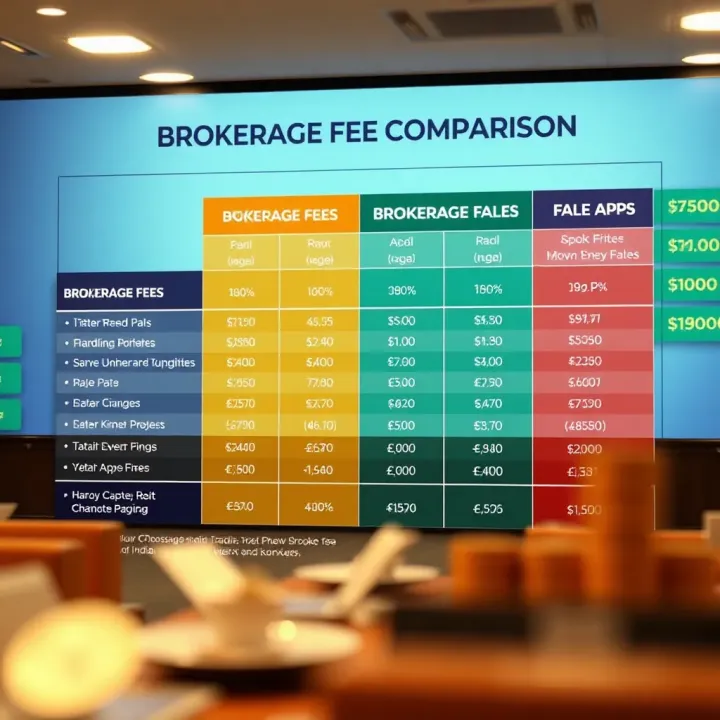
Find the best low brokerage trading apps in India 📱 Save on fees while getting reliable features. Learn to spot hidden costs and trade smarter 💹
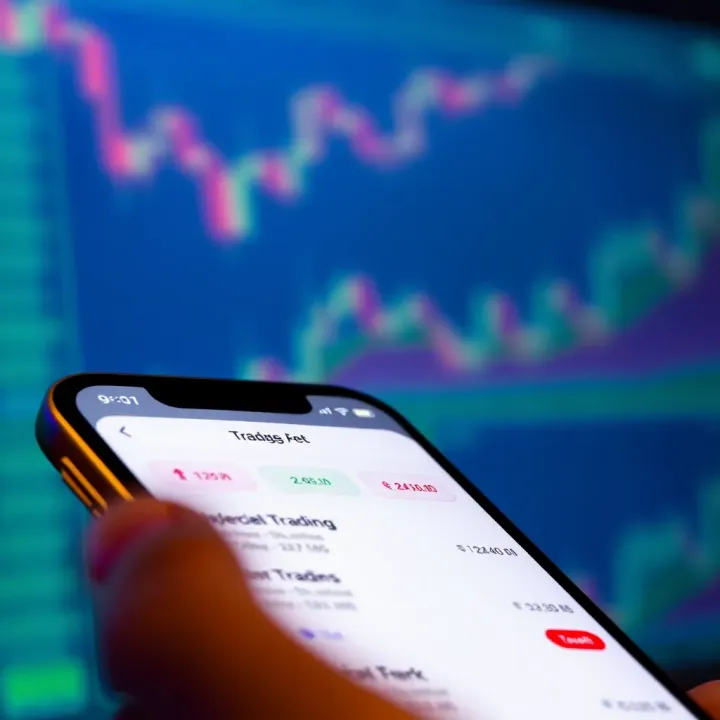
Find the best low brokerage trading app in India 📱. Learn how they work, key features to check, benefits, and top picks for smarter investing today.
Based on 6 reviews