
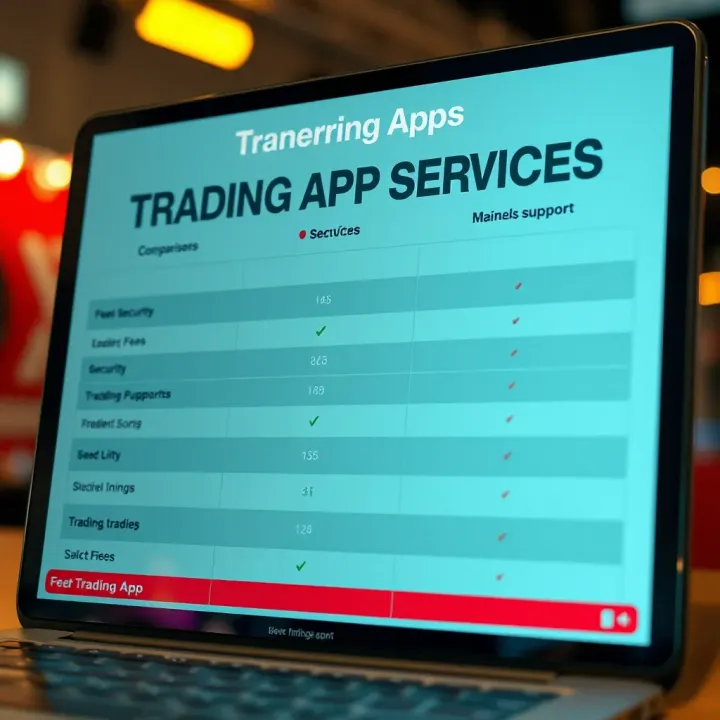
Best Trading Apps in India: A Simple Guide
📊 Explore top trading apps in India! Compare features, fees, security, and support to find the best investment platform tailored to your trading style.
Edited By
Sophie Harrington
Virtual trading apps offer practise platforms where Indian investors can simulate stock market trading without using real money. These apps help build trading skills and market understanding, making them ideal tools before entering actual trading.
Unlike live markets, virtual trading lets users experience market dynamics risk-free. It provides a playground for trying out strategies, understanding order types, and grasping technical indicators without financial losses. For instance, a beginner can test day trading techniques using real-time data fed into the virtual app.

Choosing a good virtual trading app means focusing on several factors. First, look for accurate real-time market feeds; delays can disrupt learning. Second, the app should offer a user-friendly interface with features like charting tools, technical indicators, and order types similar to live trading platforms.
Security also matters. Although no real money is involved, the app still requires personal information, so check for strong data protection measures. Additionally, consider apps that provide detailed analytics, progress reports, and educational content.
Indian platforms like Moneybhai by Moneycontrol and NSE’s Paathshala cater specifically to Indian markets, offering relevant features such as tracking Sensex and Nifty movements, which helps users relate practice with domestic market conditions.
Practising on virtual trading apps helps you identify mistakes early without losing money, boosting confidence before real investments.
In summary, a reliable virtual trading app in India should combine real-time data accuracy, practical features, ease of use, and security. This foundation enables traders and investors to sharpen their market skills with no financial risk.
Next, we will explore key features to prioritise when selecting a virtual trading app in India.
Virtual trading serves as a risk-free platform where individuals can simulate stock market transactions without using real money. This hands-on practice environment helps traders and investors familiarise themselves with market operations and test different strategies without financial exposure. Imagine someone new to equity trading using a virtual app to buy and sell shares of NSE-listed companies like Reliance Industries or Tata Motors, seeing how portfolio changes affect their virtual capital. This not only builds knowledge but also helps minimise initial losses when they enter live markets.
The key difference between virtual trading and real trading lies in the involvement of actual capital. In virtual trading, all transactions are simulated with artificial funds, providing a safe space to make mistakes and learn. Real trading, on the other hand, requires putting your hard-earned money on the line, which brings both the potential for profits and the risk of losses. For example, a virtual trade on Infosys shares will not affect your bank balance, but the same transaction live will impact your portfolio directly.
Virtual trading is a practice tool that offers an almost real-time trading experience without financial risk. It mimics the real stock market's environment, giving access to live or delayed market data, order placement, and portfolio management features. This enables users to develop and refine trading skills or test investment ideas before committing actual funds.
While virtual trading replicates much of the stock market's mechanics, emotional and psychological factors experienced when real money is involved are missing. Traders using virtual platforms might take risks they wouldn’t dare with real cash, such as making impulsive buy or sell decisions. Real trading forces sharper discipline, as every move impacts your financial standing immediately.
India has witnessed growing interest in retail investing, courtesy of platforms like Zerodha, Upstox, and Groww. However, beginners often hesitate to enter live markets due to the fear of losing money. Virtual trading apps allow these new investors to understand the nitty-gritty of stock selection, order types, and market movements without risking even a rupee. This practice helps avoid costly errors when they begin real trading.
Apart from money management, virtual trading helps build emotional resilience and market intuition. For instance, users can see how global events like RBI policy announcements or quarterly corporate results impact stock prices initially on virtual platforms. This exposure prepares them better for the volatility and unpredictability of actual markets, making their transition to live trading smoother and less stressful.
Virtual trading in India acts as a crucial stepping stone, especially for retail investors who want to gain confidence without financial risk.
By practising consistently on virtual platforms, Indian investors can sharpen their skills, develop sensible strategies, and improve their understanding of market dynamics ahead of their real-money investing journey.
Choosing the right virtual trading app hinges largely on its core features. These features determine how well the app imitates real trading conditions, supports learning, and fits your convenience. From ease of use to market data accuracy, each element plays a role in enhancing your practice and confidence before stepping into the live market.
A virtual trading app must be straightforward, especially for beginners. The interface should present essential functions like buying, selling, and portfolio tracking clearly, without overwhelming the user. Take apps like Zerodha Kite’s virtual trading—they keep navigation simple and focus on key actions, making it easy for new users to place simulated orders without confusion.
An intuitive design also means minimal clicks to execute trades and accessible help features. Beginners often churn between real and virtual trading platforms, so seamlessness in design can help retain focus on learning rather than figuring out the app.

Many Indian traders split their time between mobiles and desktops. A good virtual trading app offers both, allowing users to practise on-the-go via smartphones and conduct deeper analysis on desktops. For instance, Upstox’s virtual platform works consistently across Android phones and web browsers, so you don’t miss market movements regardless of device.
Mobile compatibility ensures you can place trades during commuting or breaks, while desktop versions often provide broader screen space for charts and research tools. Choosing an app with both options means you stay flexible and maintain learning momentum.
Market data accuracy is vital for virtual trading apps. Using real-time data from NSE (National Stock Exchange) or BSE (Bombay Stock Exchange) offers an authentic experience, reflecting true market conditions. Delayed data, often 15–20 minutes behind, can reduce the effectiveness in practising fast-moving trades but is sometimes acceptable for casual learners.
Apps like Moneycontrol’s Moneybhai try to mimic real market quotes closely, though data may not always be instant. For serious learners, an app presenting near real-time data helps hone timing and response to live market changes.
In India, the majority of trading happens on NSE and BSE, so it’s crucial your virtual trading app supports securities from both exchanges. This diversity lets you experiment with stocks, ETFs, and indices popular among Indian investors.
If an app limits the set of securities, your practice might become unrealistic. For example, Zerodha's virtual platform includes a wide array of NSE and BSE stocks, making it easier to test strategies across different sectors and market caps.
Good virtual trading platforms come with technical charts featuring indicators like moving averages, RSI (Relative Strength Index), and MACD (Moving Average Convergence Divergence). These tools let you practise analysing price trends and spotting entry or exit points.
For example, Upstox's charts allow users to overlay multiple indicators, helping trainees understand complex patterns before investing real money. Lacking these tools limits the depth of strategy testing.
Staying updated with market news is part of trading. Apps integrating news feeds help users connect market moves with relevant developments, such as RBI announcements or corporate results. Alongside, educational content like tutorials or webinars improves understanding.
Platforms like Moneycontrol combine virtual trading with live news and expert insights, enriching the learning experience for Indian investors.
A handy feature is portfolio tracking, showing your hypothetical gains or losses over time. This helps you gauge the effectiveness of your strategies, update them, and learn discipline in managing investments.
Apps like Kite’s virtual trading offer dashboards where users can monitor their simulated portfolios, compare performance, and adjust positions accordingly, mimicking real-life trading habits.
Some virtual trading apps host contests or maintain community forums. Competitions motivate users to trade seriously and learn from peers, while forums offer discussions on strategies and market insights.
Investopedia’s Stock Simulator, though global, includes contests that perk interest and sharpen skills. Indian apps are slowly adding such social layers, which can be useful in building confidence and uncovering different approaches.
A virtual trading app that blends intuitive design, accurate data, research tools, and social elements sets the stage for more effective learning and smoother transition into live trading.
Choosing the right virtual trading app can shape your learning curve and confidence in the Indian stock market. Popular apps offer realistic simulations that reflect key market conditions, helping you grasp trading strategies without risking your money. It's essential to explore both broker-backed platforms and independent simulators, as each brings different tools, user experience, and market coverage.
Zerodha Varsity and Kite virtual trading offer Indian investors a well-integrated platform to practice trading with familiarity. Zerodha, being one of the largest retail brokers in India, provides a seamless experience with its Kite platform, which includes a virtual trading feature to simulate real market conditions. Alongside, Zerodha Varsity serves as a rich educational resource, helping you understand market nuances while practising simultaneously.
Since Kite reflects actual exchange data, you get to experiment with NSE and BSE securities in real-time, making your practice realistic. This integration makes it easier for beginners and experienced traders to transition from simulation to live trading. Plus, the app’s clean interface minimises distractions, so your focus stays on applying strategies.
Upstox Virtual Trading platform also stands out for its simplicity and speed. Upstox’s trading app is known for quick order execution and supports paper trading using live market data. This means you can test your ideas with stocks listed on NSE and BSE without financial risk. The platform’s emphasis on user experience ensures that even freshers can easily navigate through market scenarios and refine their skills.
Upstox often updates its app with new features like advanced charts and customizable watchlists, encouraging better analysis during simulation. Its virtual trading acts as a learning ground before entering the pressures of live trading, allowing you to build confidence steadily.
Moneybhai by Moneycontrol offers an India-centric virtual trading experience that appeals to investors who want a mix of fun and education. It uses a simple interface that mimics a real portfolio, enabling users to buy and sell stocks without any risk of losing money. What makes Moneybhai handy is its access to a wide variety of stocks and mutual funds listed on Indian exchanges, giving users diverse practice options.
This platform also provides leaderboards and competitions, which can motivate you to keep practising regularly. Plus, it’s great for beginners who want to see how their virtual investments perform over days or months, getting a feel for market fluctuations.
Investopedia Stock Simulator is a globally recognised platform widely used by Indian investors for its detailed educational content and realistic trading environment. Although it uses US stock market data, the simulator helps users grasp fundamental principles like order types, market timing, and risk management.
Indian traders often pair this simulator with Indian market apps to better understand cross-market strategies. Its community features and extensive tutorials support learning beyond just virtual trading. While not India-specific, it remains a popular choice for those keen to expand their market knowledge in a broader context.
Using a mix of broker-backed and independent virtual trading apps allows Indian investors to build solid trading skills before risking actual capital. Evaluate platforms based on market coverage, usability, and educational support to find the one that suits your learning style best.
Using virtual trading apps effectively helps you build skills while avoiding the financial risks of real markets. These platforms allow trial and error in a safe environment, but success depends on how thoughtfully you approach practice and learning. To get the best out of virtual trading, you must set clear learning goals and maintain consistent tracking.
Virtual trading is a perfect place to test strategies without risking your hard-earned money. For example, if you want to try a momentum-based strategy involving intraday trades, use the app to simulate purchasing volatile stocks, watching how your positions perform throughout the day. This gives you insights into timing, order execution, and reaction to market swings. By practising different approaches, you can identify what fits your risk appetite and style before moving to live trading.
A key aspect often overlooked by beginners is managing risk effectively. Virtual trading apps let you practise placing stop-loss orders or simulation of position sizing to limit losses on bad trades. For instance, if you allocate only 1% of your virtual capital per trade and set stop-loss points accordingly, you develop discipline that becomes critical in live markets where emotions run high. Practising risk controls beforehand may prevent large losses and keep your real portfolio safer.
Writing down every trade in a journal – even virtual ones – helps solidify lessons and track what works. Note the stock, strategy used, entry and exit price, and your reasoning. Over weeks, this record reveals patterns in your decisions and mistakes. For example, you might spot that you often exit winning trades too early or hold losing trades too long. A journal ensures your learning is active rather than random trial and error.
Beyond logging trades, reviewing your wins and losses critically is vital. Ask why a particular stock moved unexpectedly, or why your prediction failed. This self-review fuels continuous improvement, helping refine your strategy and emotional control. For example, if a particular sector reacts sharply to macro news and you missed exiting on time, your future trades can incorporate those cues. This reflection keeps virtual trading a dynamic learning process instead of just playing a market game.
Effective use of virtual trading apps means treating every simulated trade seriously, like a real one, while keeping clear goals and detailed records. This approach builds your confidence and skills, preparing you better for actual market challenges.
Choosing virtual trading as a learning tool depends on your current experience with the stock market and your comfort level with handling risk. Virtual trading provides a safe environment to experiment with market strategies without the financial pressure. This makes it especially useful for beginners who want to grasp market mechanics but can also benefit seasoned traders testing new approaches before risking real capital.
One major benefit of virtual trading is that you can practice trading without risking any real money. This allows users to learn market concepts and execute trades in a controlled setting. For example, if you try intraday trading or options trading virtually, you gain a practical feel for how orders, SL (stop loss), and target prices work without losing ₹10,000 or more. It makes mistakes less costly, encouraging experimentation.
However, virtual trading cannot fully mimic the emotional side of real investing. When real money is involved, fear, greed, and hesitation affect decision-making greatly. Virtual platforms often miss these emotional pressures, leading traders to take risks and execute trades they might avoid with real funds. This can cause a gap in readiness when transitioning to live markets.
Virtual trading is a great learning ground but remember emotional discipline only develops with real stakes involved.
Knowing when to move from virtual trading to actual market investing depends on your confidence, consistency, and understanding of market strategies. If you consistently perform well in virtual trades while using effective risk management and analyse your mistakes, it might be time. Many Indian traders find that after about 3–6 months of active virtual trading, they gain enough insight.
Once you start real trading, beginning with small investments is wise. Focus on managing expectations by understanding that losses are part of the learning curve. For instance, starting with ₹5,000 or ₹10,000 and gradually increasing as you gain experience helps manage emotional risks and avoid heavy monetary damage.
Adopting a disciplined approach to money management and setting stop-loss limits in live trades ensures you don’t overstretch your finances. Besides, maintaining a trading journal from your virtual phase helps track real performance against simulated practice.
By balancing cautious entry with persistent learning, you can build real trading skills without rushing into unnecessary risks.
📊 Explore top trading apps in India! Compare features, fees, security, and support to find the best investment platform tailored to your trading style.
📱 Explore top online trading apps in India, learn about features, security, pricing, and expert tips to pick the best fit for your trading style.
Explore top trading apps in India with insights on features, fees, & reliability. Find the best fit for your needs and stay updated with market trends 📈📱

📱 Discover how market trading apps work and learn key features, security tips, and regulations to pick the best app for Indian investors confidently.
Based on 14 reviews