

Candlestick Patterns for Smarter Option Trading
📈 Learn how to spot key candlestick patterns to improve option trading decisions in the Indian stock market. Understand practical applications and manage risks effectively.
Edited By
Emily Clarke
Understanding candlestick patterns is essential for traders who focus on quick market moves within the same trading day. These patterns offer visual insights into price actions, reflecting the battle between buyers and sellers. For intraday trading, recognising these patterns early can improve your ability to act swiftly and accurately.
Candlesticks show the opening, closing, high, and low prices within a short time frame—usually minutes to hours. A single pattern can reveal whether momentum is building up or fading away. For instance, a long green candlestick indicates strong buying interest, while a long red candlestick signals selling pressure.

Reading candlestick patterns helps traders predict short-term price reversals or continuations, which is especially useful when markets move fast.
Here are key reasons why mastering candlestick patterns benefits intraday trading:
Quick visual cues allow prompt decision-making without deep chart analysis.
Identifies support and resistance levels more effectively.
Helps spot potential entry and exit points with better precision.
Some practical examples include the Doji, signalling market indecision, or the Engulfing pattern, which often hints at reversals. Traders watch for patterns like Hammer or Shooting Star to catch turning points during the day.
When applying these patterns, context matters a lot. Combine them with volume analysis or other technical indicators to confirm signals. For example, a bullish engulfing pattern on a high volume day generally signals stronger follow-through.
In the sections that follow, we'll cover some of the best candlestick patterns for intraday trades, why they work, and how to use them in real-time market conditions. By mastering these patterns, you can sharpen your trading strategy and improve your chances of catching profitable moves.
Keep in mind: no pattern guarantees success every time. Practise reading them against live charts and always manage your risks through stop-loss orders and disciplined trade sizes.
Understanding candlestick basics is the foundation for any trader looking to succeed in intraday markets. These patterns offer a snapshot of price action within short time frames, helping you make quick decisions that matter. Knowing how each candlestick forms and what components it carries allows you to interpret market moves clearly, avoiding guesswork during fast trades.
A single candlestick represents four key prices: the opening price, highest price, lowest price, and closing price within its time period. For example, in a 15-minute intraday chart, the candlestick’s body shows you exactly where the price started and ended for that interval. The wicks, or shadows, reveal the extremes the price reached before settling at close. This helps traders understand volatility in that period — say, if the price shot up sharply but closed near the opening, it signals market hesitation.
The candlestick’s body tells you the net price movement during the time window. A long body indicates strong buying or selling pressure, while a short body suggests indecision or pause. The wick length reflects price rejection at certain levels; a long upper wick might mean sellers pushed prices back down, showing resistance. In intraday trading, spotting these nuances quickly can flag early reversals or continuation moves, letting you time entries and exits better.
Candlestick patterns give instant clues on who controls the market—buyers or sellers. For instance, a bullish engulfing pattern during a morning session implies buyers are overpowering sellers, potentially pushing prices higher. This visual shorthand saves you time compared to analysing multiple data points, enabling swift judgements around volatile sessions.
Identifying market sentiment quickly through candlesticks helps traders act decisively, which is key in the fast-moving intraday environment.
Because candlestick patterns form in real time and are easy to spot, they allow traders to find entry or exit points without delays. Instead of waiting for complex technical confirmations, a simple hammer or shooting star can hint at a reversal, guiding your trade. Pairing these with volume or moving averages enhances accuracy, but the initial signal comes from the candlestick itself—cutting through clutter and speeding decision-making during intraday swings.
In summary, mastering candlestick basics lets you read the market's pulse quickly. This knowledge supports better timing and reduces hesitation, both vital in the fast pace of intraday trading.
Bullish candlestick patterns are essential tools for intraday traders aiming to capitalise on short-term upward movements in the market. Recognising these patterns quickly helps traders pinpoint buying opportunities before strong price rallies develop. These formations highlight moments when the bulls take control, signalling potential trend reversals or continuations on the shorter time frames used for intraday trading.
Focusing on key bullish patterns like the Hammer, Bullish Engulfing, and Morning Star provides reliable signals for entry points in fast-paced trades. These patterns help traders reduce guesswork by visually summarising market sentiment shifts, making it easier to time trades with better confidence.
Characteristics and market context
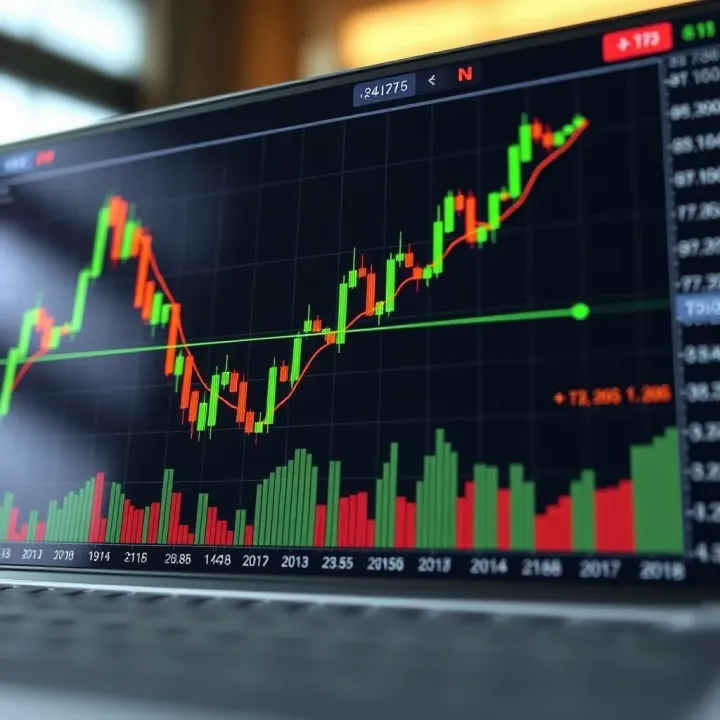
The Hammer pattern appears after a decline, featuring a small body with a long lower wick and little or no upper wick. This shape indicates strong buying pressure after sellers pushed the price down earlier in the session but bulls regained control by the close. An Inverted Hammer is similar but with a long upper wick and small body near the low, often signalling a test of higher prices with some resistance. Both patterns emerge typically at market lows, marking potential reversal points.
Effective use in short-term bullish setups
Traders watch for these patterns at intraday support levels or after sharp drops to catch quick rebounds. For example, if a stock like Reliance Industries forms a Hammer near a short-term support zone with volume pickup, it can be a green signal to go long. However, pairing this pattern with confirmation such as a higher close or follow-up bullish candle strengthens reliability.
Pattern identification
A Bullish Engulfing pattern happens when a small bearish candle is immediately followed by a larger bullish candle that completely covers the previous day’s body. This shows an abrupt shift in momentum as buyers overwhelm sellers. It's simpler to spot on intraday charts because it clearly depicts a switch from selling to buying pressure within a short time.
Confirming bullish reversal signals
Seeing this pattern near prior dips or support often suggests the next price move could be upward. Combining Bullish Engulfing with other indicators, such as rising volume or moving averages crossing upward, confirms an intraday bullish trend reversal. Traders can then use it to time entries, expecting follow-through buying.
Three-candle pattern explained
The Morning Star consists of three candles: a long bearish candle, a short-bodied candle (often a Doji) signalling indecision, and then a long bullish candle. This sequence shows sellers losing grip, uncertainty among traders, followed by new buying strength emerging. Its structure is straightforward, fitting well into intraday charts to spot early trend changes.
Applying in intraday bullish scenarios
For intraday trading, spotting a Morning Star near key support levels or after a steep fall can offer an early alert to enter a long position. For instance, if Tata Motors on a 15-minute chart forms a Morning Star with rising volume, it points to a probable bullish move. Traders often place stop-loss just below the pattern's low to manage risk while capturing quick gains.
Recognising these bullish patterns and understanding their context helps you make sharper, better-informed intraday decisions. Use them alongside other tools to confirm signals before jumping in.
By focusing on Hammer, Bullish Engulfing, and Morning Star patterns, intraday traders can catch early signs of bullish shifts, cut down on false alarms, and position themselves advantageously in hectic market hours.
For intraday traders aiming to profit from price declines, recognising key bearish candlestick patterns is vital. These patterns signal when selling pressure is gaining momentum, allowing traders to enter short positions or exit long trades swiftly. Unlike daily or long-term charts, intraday moves happen quickly, so spotting these bearish signals early can prevent losses or maximise gains.
Focusing on specific patterns such as the Shooting Star, Hanging Man, Bearish Engulfing, and Evening Star gives sellers a practical toolkit to read market psychology at glance. Each pattern has unique traits that reveal a shift from bullish to bearish control within short time frames, fitting well with intraday volatility.
Both the Shooting Star and the Hanging Man have small bodies with long upper shadows, but context sets them apart. A Shooting Star appears after a price rise and features a tiny real body near the day's low with a wick at least twice the body length above. This suggests bears pushed prices down after bulls tried to raise them. Conversely, the Hanging Man shows up after an uptrend with a small body at the top end of the range and a long lower wick, signalling the start of selling pressure.
These patterns hint that despite upward attempts, sellers are gaining strength. For instance, in the Nifty 50 intraday chart, a Shooting Star forming near resistance levels often marks a quick reversal, warning sellers to step in. The Hanging Man tells a similar story but emphasises intraday weakness after a sustained rise. Both signal a likely bearish turn, prompting traders to consider shorting or tightening stops on long trades.
The Bearish Engulfing pattern consists of a small bullish candle followed by a larger bearish candle that completely covers the previous day's body. The size difference shows a strong shift in momentum from buyers to sellers. Intraday, this pattern’s sharp reversal often appears near key resistance or after a quick rally, signalling traders to prepare for a down move.
When seen on a 15-minute or 30-minute chart, a Bearish Engulfing candle can be an effective cue for entering a short sell. For example, if Tata Motors’ stock price climbs steadily during morning trades but then forms this pattern near ₹420, it suggests aggressive selling might follow. Traders can use this to time exits or initiate sell positions, boosting intraday profits.
The Evening Star is a three-candle pattern: a large bullish candle, a small indecisive candle (often a Doji), followed by a large bearish candle closing well into the first candle’s body. This sequence shows a gradual change from buying enthusiasm to selling pressure. In intraday charts, this pattern appears especially at resistance points or after quick rallies.
Because the Evening Star combines momentum and hesitation followed by a strong bearish move, it signals sellers’ dominance clearly. Traders watching the Reliance Industries intraday chart could spot this pattern near ₹2,600 and anticipate a swift fall, enabling timely short trades. This pattern’s clarity helps reduce false signals and improves confidence in bearish entries.
Knowing these bearish patterns helps intraday sellers not just react, but act early enough to profit from sudden downswings. Combining them with volume and support-resistance analysis only sharpens their effectiveness in volatile markets.
Candlestick patterns alone offer valuable insights into price action, but combining them with other technical indicators improves reliability in intraday trading. By blending volume analysis, moving averages, and support-resistance zones, you get a fuller picture of market dynamics and avoid false signals. This integrated approach helps traders identify stronger entry and exit points, making decisions with more confidence during fast-paced sessions.
Volume serves as a validator for candlestick patterns in intraday setups. When a pattern appears with high trading volume, it indicates genuine interest behind the move rather than a random price fluctuation. For example, a bullish engulfing pattern accompanied by a sharp volume increase suggests strong buying pressure, signalling a more trustworthy reversal. Conversely, a pattern posted on low volume may fail to sustain price momentum.
Interpreting volume spikes alongside candlestick signals helps you distinguish between genuine breakouts and fakeouts. A volume surge during a breakout candle confirms participation from institutional buyers or sellers, increasing the chance of sustained movement. Similarly, a volume spike at support or resistance zones tied to a candlestick reversal further strengthens the reliability of the signal. Hence, volume analysis is essential for filtering quality trades and managing risk effectively.
Simple Moving Averages (SMA) and Exponential Moving Averages (EMA) smooth out price data to reveal underlying trends. In intraday trading, shorter periods like the 9-EMA or 20-SMA are popular for catching quick shifts. While SMA gives equal weight to past prices, EMA gives more importance to recent data, making it more responsive.
When a candlestick pattern occurs near or along a moving average, it provides confirmation of the trend's strength or a potential reversal. For instance, if a hammer forms close to the 20-SMA and the price bounces upward, this dual signal points to a possible bullish continuation. Similarly, bearish engulfing near a falling 9-EMA can mean sellers are gaining control. Using moving averages alongside patterns helps gauge trend direction and momentum with greater accuracy.
Validating candlestick signals near key support or resistance zones increases the success rate of intraday trades. Patterns that form right at these levels often indicate battle points between buyers and sellers. For example, a morning star pattern emerging just above a well-established support zone suggests buying interest could push prices up.
Trading breakouts and reversals effectively involves watching how candlestick formations behave around these zones. A breakout candle breaking above resistance with high volume confirms the start of an up-leg, providing an opportunity to enter with a tight stop loss. Similarly, an evening star at resistance may warn of a reversal. Combining support-resistance knowledge with candle signals ensures better timing and reduces the risk of jumping into fake moves.
Strong intraday strategies combine candlestick signals with volume, moving averages, and support-resistance analysis, helping traders capture more reliable and profitable moves in volatile markets.
Risk management is a key part of using candlestick patterns successfully in intraday trading. While these patterns can offer quick clues on market movements, they are not foolproof. You need clear strategies to protect your capital and enhance your chances of profits. Proper risk control helps you avoid large losses from sudden reversals or false signals, which happen often in fast intraday markets.
Adjusting your position size according to market volatility matters a lot. If the stock or index is volatile, the price swings tend to be larger. In such cases, taking a big position without wider stop loss can wipe out your capital quickly. For example, in a volatile Intraday trade on Nifty 50, it makes sense to trade fewer lots or shares, so your overall exposure stays manageable. This way, even if price hits your stop loss, the loss remains within your risk tolerance.
Stop loss level should connect directly to the candlestick pattern you spot. For instance, after a bullish engulfing pattern, place your stop loss just below the low of that pattern. This is because breaking below that low suggests the bullish signal failed. Using such logical stop levels helps you exit trades that no longer follow your expected move. It also prevents letting small losses balloon into bigger ones, preserving your trading capital.
Candlestick patterns sometimes give false signals, especially during sideways or choppy markets. For example, a hammer candle might appear, but the price could break down right afterward. Blindly trusting every pattern leads to losses. Another pitfall is reading patterns out of context. Without checking volume or support and resistance, patterns may mislead you. Always weigh the pattern with other data to avoid jumping into wrong trades.
Many intraday traders get tempted to chase every pattern they see, resulting in overtrading and poor decision making. Maintaining patience means waiting for clear confirmation before acting. Discipline involves sticking to your strategy and risk limits, even when the market looks tempting. For example, if a bullish candlestick forms but the overall trend is down, waiting for additional confirmation reduces losing trades. This self-control guards your profits in the long run.
Successful intraday trading with candlestick patterns depends as much on managing risks and emotions as on spotting signals.
Demo trading platforms provide a risk-free place to practice reading and reacting to candlestick patterns. In a simulated market, you can test your skills with real-time data but no actual money at stake. This helps you understand how patterns develop in different market conditions without fear of losing capital. For freshers and even experienced traders, demo accounts build confidence and sharpen observation skills.
Practising on demo platforms also allows you to fine-tune exactly when to enter a trade based on candle formations and when to exit using stop loss or target levels. Timing can change profitability greatly. For example, entering right after confirming a Morning Star pattern often yields better results than entering too early. Similarly, honing exit timing avoids getting stopped out prematurely or missing profit targets. Such experience is invaluable for real intraday trading.
Managing risks effectively when using candlestick patterns helps you stay in the game longer and make better decisions. Combine pattern knowledge with sound stop losses, patience, and practice to handle volatile intraday markets confidently.
📈 Learn how to spot key candlestick patterns to improve option trading decisions in the Indian stock market. Understand practical applications and manage risks effectively.

📈 Learn to spot the most reliable candlestick patterns in trading to identify market trends and reversals. Get practical tips for smarter trades today!
📈 Learn how to read candlestick patterns to spot market trends and make smarter trades in stocks, forex, and commodities. Boost your trading strategy today!

📈 Learn six key candlestick patterns that reveal market moves and trader sentiment. Understand their shapes, meaning, and how to boost your trading strategy effectively.
Based on 10 reviews