
Understanding Candlestick Patterns for Trading
📊 Learn to read key candlestick patterns for smarter trading decisions in the Indian market. Get practical tips to spot trends & boost your strategy!
Edited By
Liam Foster
For anyone stepping into the world of trading, candlestick patterns can feel like reading a secret code. These patterns aren't just colorful squiggles on your trading screen; they actually tell a story about market sentiment and potential price shifts. Whether you're trading stocks, forex, or commodities, understanding these patterns gives you a leg up in making smarter, more informed decisions.
Think of candlesticks as the heartbeat of the market. Each candlestick shows how the price moved during a specific time period—opening price, closing price, highs, and lows—all packed into one simple visual. By spotting certain shapes and formations, you can anticipate which way the market might swing next.
This article will break down the basics of candlestick charts, introduce you to some of the most common and useful patterns, and share practical tips on how to weave them into your trading playbook effectively. By the end, you’ll be better equipped to spot trends, avoid costly mistakes, and approach market moves with confidence.
Candlestick patterns offer more than just pretty charts—they're a window into the emotions driving the market at any moment.
Ready to get a clear view of what's going on behind the numbers? Let’s jump into the core concepts that every trader should know.
Candlestick charts are a staple for traders when it comes to visualizing market movements. They provide a straightforward way to see price action over a specific period, making it easier to grasp how buyers and sellers acted. What's great about these charts is their clarity – just a glance reveals the tone of the market, whether bullish, bearish, or indecisive.
Understanding candlestick charts helps traders make smarter decisions by spotting patterns that might hint at upcoming price changes. For example, if you're watching the stock market and notice certain candles forming after a dip, you might anticipate a rebound instead of blindly following the trend. This hands-on insight is what sets candlestick charts apart from ordinary line graphs.
Candlestick charts first appeared in Japan during the 18th century, primarily used by rice traders to monitor price fluctuations. The method dates back over 300 years, making it one of the oldest technical analysis tools still in use today. This longevity shows its practical value – the visualization helps traders spot momentum shifts and market psychology without needing complex calculations.
Knowing this history is more than trivia; it makes the charting method relatable and trustworthy. It's like a trader’s heritage passed down through generations, refined but fundamentally the same. Modern platforms still rely on this approach to depict price action, proving its lasting relevance.
Back then, rice merchants weren't analyzing millions of dollars like today’s stock traders, but their markets were just as dynamic. They needed a quick way to track opening and closing prices, highs, and lows – all crucial for deciding when to buy and sell. The candlestick's format fulfilled this need perfectly.
For modern traders, this means that the patterns seen centuries ago still echo the basic behavior of buyers and sellers. Despite market evolution, the psychology portrayed through candlesticks remains consistent. Recognizing this connection can sharpen your market read, tying today’s trades back to tried-and-true market fundamentals.
Each candlestick consists of three parts: the body, the wick (also called the shadow), and the tail shadow. The body, the thick rectangle, shows the range between the opening and closing prices for the period. If the closing price is higher than the opening, the body is typically white or green (bullish candle). If lower, the body is red or black (bearish candle).
The wicks or shadows – thin lines above and below the body – indicate the highest and lowest prices traded during that interval. The upper shadow shows the peak price, the lower shadow the lowest.
This structure makes it easy to understand the day's sentiment: long bodies suggest strong buying or selling pressure, while long shadows hint at volatility or indecision. For example, if you spot a candle with a small body and long shadows, it might mean the market is struggling to decide a direction.
A single candlestick packs a story about buyer and seller energy. It paints a snapshot from open to close, highlighting not just price levels but market emotion. If the candle is long and green, the buyers clearly dominated that period, pushing prices steadily up. Conversely, a long red candle means sellers took charge.
Short-bodied candles, especially with long shadows, suggest uncertainty or a tug-of-war between bulls and bears. For traders, these signals can mean waiting for confirmation before jumping in, avoiding false starts.
Understanding these candle elements helps traders avoid guessing games, letting them interpret price action directly from the chart.
By learning to read candlesticks properly, traders gain an edge—identifying when momentum is likely to continue or when a reversal might be brewing. It's all about reading the story that price action tells, candle by candle.
Understanding the basic components of candlestick patterns is like getting a grip on the alphabet before forming sentences. Each part of a candlestick tells a story about what happened during a given trading period. Knowing these helps traders decode market sentiment quickly and make smarter decisions rather than flying blind.
At its core, a candlestick shows the opening, closing, high, and low prices within a specific time frame. The body of the candle represents the price range between the open and close, while the wicks (also called shadows) show the extremes reached. These simple features create the foundation for identifying patterns that predict possible price moves.
Let’s say you spot a candlestick with a long lower wick and a small body at the top. That hints that sellers pushed the price down during the session, but buyers regained control before the close. Such clues are invaluable in spotting potential reversals or continuations in a market trend.
Pay close attention to how these components combine. Even the tiniest wick or an unusually long body can signal a big change in trader behavior.
A bullish candle typically forms when the closing price is higher than the opening price, signaling that buyers dominated the session. This candle often appears as a white or green body on charts. Conversely, a bearish candle closes lower than it opened and usually shows up as black or red, indicating selling pressure.
Recognizing this difference on your charts shouldn’t feel like rocket science. For example, if a stock opens at ₹100 and closes at ₹105, it’s a bullish session—meaning optimism ruled the day. On the flip side, if it opens at ₹105 but closes at ₹100, sellers were in charge, marking bearish sentiment.
Understanding these candles lets traders assess short-term momentum faster. When these candles occur repeatedly—like several green candles in a row—it often hints at sustained market confidence, whereas a string of red candles might warn of growing caution or fear.
Bullish candles reflect optimism, with buyers pushing prices higher. It’s like at a bazaar, where buyers want that fresh mango and are ready to pay more. Bearish candles tell a different tale—sellers have the upper hand, moving prices down, similar to a rushing sale where shoppers hold back, waiting for better deals.
A bullish candle appearing after a downtrend may signal a possible shift in sentiment, suggesting buyers are stepping back in. Similarly, if bearish candles follow a run-up, it might hint profit-taking or a waning trend.
For practical use, traders often look for clusters of bullish or bearish candles near support or resistance points to confirm potential moves. But remember, a single candle isn’t a sure shot—it’s the bigger picture and context that matters.
Doji and spinning tops represent market indecision and often appear when buyers and sellers are at odds with nearly equal pressure. A doji has almost no body because open and close prices are nearly the same, making it look like a cross or plus sign. Spinning tops have small bodies with wicks on both ends, indicating some price movement but without clear direction.
Imagine a tug-of-war where neither side gains ground—these candles capture that standoff perfectly. They reveal uncertainty and hint the current trend might be losing steam.
When you spot a doji or spinning top after a strong trend, it’s a red flag to watch closely. For example, during a sharp uptrend in Reliance Industries’ stock, a doji forming on high volume might suggest buyers are hesitant, and a pullback or reversal is possible.
However, these patterns don’t always guarantee a turn; sometimes indecision just means the market is catching a breather. So, traders should look for confirmation from the next candle—if it moves opposite to the previous trend, that strengthens the reversal signal.
In short, doji and spinning tops are caution signs rather than direct calls. Combining them with other indicators like volume or moving averages can help avoid false alarms and improve decision accuracy.
By getting familiar with these basic candlestick components—bullish and bearish candles, plus indecision signals like dojis and spinning tops—you'll be better equipped to read market moods and make more informed trades.
Single-candle patterns pack a punch despite being just one candlestick long. These patterns give traders quick insight into potential market reversals or continuations without needing to wait for multiple candles to confirm a trend. Their importance lies in providing timely signals, useful especially in fast-moving markets where hesitation can cost money.
For example, spotting a hammer candle at the bottom of a downtrend can suggest buyers are stepping in, readying the ground for a bounce back. Similarly, a hanging man appearing after a price rise might hint that sellers are lurking just below the surface, possibly foreshadowing a pullback.
Understanding these patterns helps traders make smarter decisions on entry and exit points, improve timing, and reduce risk. They’re practical tools that don’t overwhelm with complexity but still offer meaningful clues about market psychology at a glance.
Recognizing reversal signals
Both the hammer and the hanging man are key reversal indicators with similar shapes but different messages depending on their place in the trend. The hammer shows a small body at the top with a long lower wick, indicating that despite selling pressure pushing price down intra-session, buyers fought back to close near the open. This signals potential bullish reversal after a downtrend.
Traders value the hammer because it highlights buyer strength just as prices are hitting a low point — it suggests the downtrend could be losing steam. However, confirmation with the next candle is a smart move before committing heavily.
Differences between the two
The main difference lies in context. A hammer forms at the bottom of a downtrend signaling a possible upside turn. A hanging man looks the same but appears at the end of an uptrend. The hanging man’s long lower wick reveals that sellers tried to push price down during the session, and although buyers regained control, the presence of selling pressure could warn of a coming bearish reversal.
In essence, a hammer hints "buyers gaining courage" after a fall; a hanging man signals "buyers losing grip" after a rise. Knowing the trend context helps prevent misreading these patterns, turning what looks similar into distinct trading signals.
Key reversal indicators
Both the shooting star and inverted hammer display a small real body near the lower end with a long upper wick, showing rejection from higher price levels. The shooting star typically appears after an uptrend, indicating a potential top as bears push the price down after a failed rally attempt. It's a bearish reversal warning sign.
The inverted hammer, on the other hand, surfaces after a downtrend and suggests that buyers tried to take control but couldn’t hold completely — it may mark a bottom and upcoming bullish reversal.
Where they typically appear on charts
A shooting star tends to form when prices are testing recent highs, often near resistance zones. If you see one on daily charts for stocks like Tata Motors after a strong run-up, it could hint the momentum is about to fade.
Conversely, inverted hammers appear at the end of downtrends or pullbacks. For instance, in a depreciating Nifty 50 chart, an inverted hammer might highlight buyer intervention just as prices are bottoming out, increasing the chances of a bounce.
Spotting these single-candle patterns isn’t foolproof, but when combined with proper trend analysis and volume confirmation, they become valuable tools in making timely trades with better odds.
Use these patterns as early warnings, then wait for follow-up price action to validate your trades before diving in fully.
Understanding multi-candle patterns is like having a second pair of eyes in trading. These patterns use more than one candlestick to tell a story about where the market might be headed next. Unlike single-candle signals, which can be hit-or-miss, multi-candle formations give a fuller picture by capturing ongoing momentum and shifts in trader sentiment. For example, a single hammer candle might hint at a reversal, but spotting it followed by confirmatory candles reduces guesswork and sharpens your edge.
Engulfing patterns come in two flavors—bullish and bearish—and each signals something different. A bullish engulfing pattern happens when a small red candle is followed by a larger green one that completely covers it. This suggests buyers are taking control and prices may rise. The bearish counterpart is the opposite: a smaller green candle engulfed by a bigger red candle, indicating selling pressure and a potential downtrend.
These patterns are straightforward to spot and reliable because they reflect a clear change in market sentiment within just two candles. They’re especially useful in volatile markets like Indian stock exchanges, where quick shifts occur frequently.
To avoid falling for false alarms, confirmation is key when using engulfing patterns. After spotting a bullish engulfing, watch for higher trading volume or the next candle closing above the engulfing candle’s high. These signs back up the reversal claim and suggest trend strength.
Similarly, a bearish engulfing pattern bears more weight if followed by another red candle closing lower, signaling the selling isn’t just a temporary hiccup. Confirmation helps you avoid chasing after weak moves that fizzle out.
Morning and evening star patterns are three-candle sequences that point to potential reversals. The morning star appears at the bottom of a downtrend and signals a shift to an uptrend. It starts with a long bearish candle, followed by a small indecision candle (like a doji or spinning top), and finishes with a strong bullish candle.
The evening star is its mirror image, emerging at the top of an uptrend to warn of a bearish turn. It begins with a long bullish candle, then a small indecision candle, followed by a sharp bearish candle. These patterns work because they capture the transition from seller dominance to buyer strength or vice versa.
For traders, morning and evening stars can be excellent signals to enter or exit positions. After spotting a morning star, initiating a long position with a stop loss just below the pattern's lowest candle could work well. Conversely, an evening star can be a prompt to take profits on longs or consider shorting, placing stops above the highest candle.
These patterns may also be combined with support or resistance levels for better trade setups, increasing the odds of success by aligning technical signals.
The three white soldiers and three black crows patterns are about steady moves in one direction. Three white soldiers are three consecutive strong bullish candles with small wicks, indicating buyers are firmly in control. On the flip side, three black crows are three consecutive bearish candles pointing to sustained selling pressure.
These patterns are prized for signaling trend continuation, offering traders clues that the current move has strength behind it. For example, spotting three white soldiers in the Bombay Stock Exchange after a consolidation might suggest a strong upward breakout.
However, these patterns aren’t foolproof. Sometimes, the market can show three white soldiers only to pull back sharply the next day. Overextended moves might cause quick reversals, trapping traders.
That’s why it’s vital to regard these patterns alongside volume and overall market context. If the three white soldiers pattern shows on low volume or near a major resistance, it may not sustain. Being cautious prevents you from jumping on false signals and losing money.
Multi-candle patterns give a richer understanding of market dynamics, but like all tools, they’re most effective when combined with other analysis methods.
Recognizing and applying multi-candle patterns correctly can enhance your trading decisions by bringing clarity to uncertain markets. These patterns highlight shifts in momentum and sentiment, helping you time entries and exits more confidently in stocks, forex, or commodities trading.
Candlestick patterns give traders a quick snapshot of market sentiment, but leaning on them alone can sometimes send you down the wrong path. Combining these patterns with other technical tools like volume data, trendlines, and moving averages adds depth to your analysis and helps confirm what the candles are really saying. Think of candlesticks like the headline of a story — other tools provide the context that turns a headline into a full picture. This section will break down how these combinations can sharpen your trading decisions and reduce the risk of false signals.
Volume plays a key role in backing up what candlestick patterns suggest. Why does volume matter? Because it shows the real strength behind a price movement. For example, a bullish engulfing pattern might look promising, but without a surge in volume, the signal is weaker and might fizzle out. Higher volume during these patterns implies more traders are involved, giving the move more credibility.
How to spot stronger signals with volume? Watch for spikes in volume right when the pattern forms. If a hammer candle appears with volume above the recent average, it’s a red flag that buyers are stepping in forcefully. On the flip side, if volume is low during a reversal pattern, it’s safer to keep your guard up and wait for additional confirmation before diving in.
Volume is like the crowd cheering or booing the play; the louder the crowd, the more certain the outcome.
When you place candlestick patterns alongside trendlines and moving averages, you’re adding layers that improve the reliability of your trading signals.
Improving accuracy: Trendlines help you spot the general direction of the market. Seeing a pin bar bounce off a well-established uptrend line adds weight to a bullish reversal signal. Similarly, if a candlestick formation happens near the 50-day or 200-day moving average, traders often view this as a strong area of support or resistance. The closer your candlestick patterns line up with these indicators, the better your chance at making a more accurate call.
Avoiding false signals: Not every candlestick pattern ends up as predicted. By cross-checking with trendlines and moving averages, you can dodge many traps. For example, a shooting star in a strong bullish trend might just be a minor pullback rather than a reversal. If the price continues to trade above the 200-day moving average, chances are the uptrend will hold and the signal is less reliable. This means you won’t rush into action just because the candle looks scary.
Pulling everything together — candlestick patterns, volume, and trend-based tools — builds a stronger trading toolkit. Use them together, and you’re more likely to spot meaningful signals and avoid the noise. That way, your trades won’t just be shots in the dark but decisions based on layers of confirmation.
Building a trading strategy around candlestick patterns is more than just spotting pretty shapes on a chart; it’s about turning these patterns into reliable signals that guide your trades consistently. Knowing when to jump in or get out, managing risk smartly, and understanding the limitations of each pattern can make all the difference between luck and skill in the market.
Timing is everything in trading. Candlestick patterns help pinpoint moments when the market sentiment may shift, giving traders a tactical advantage. For example, spotting a bullish engulfing pattern after a downtrend can hint at an emerging upward move, suggesting a good entry point. Conversely, a shooting star at the top of an uptrend often signals the potential for reversal, hinting at an opportunity to exit or tighten stops.
Think of it like catching a wave at just the right moment before it crests—too early, and you risk wiping out; too late, and you miss the ride. By combining candlestick signals with other tools like support and resistance levels or moving averages, you'll get a clearer entry or exit picture that’s less prone to false alarms.
No trading strategy is complete without managing downside risk, and stop losses are your safety net. Setting stops just beyond the low or high shadows of relevant candlesticks can help limit losses if the market suddenly turns. For instance, if you enter a long position after a hammer candle, placing a stop loss slightly below that candle’s low protects you in case the bullish signal fizzles out.
Stops shouldn’t be random or too tight, as this can get you stopped out on regular market noise. Instead, they need to balance between providing a safety barrier and allowing enough breathing room for normal fluctuations. This is where understanding candle size and recent volatility plays a crucial role.
Not every candlestick pattern will deliver a winning trade. Traders must be aware that some patterns work better in certain market conditions than others. For example, the reliability of morning star formations tends to increase during clear downtrends but might fail during sideways markets.
Keeping track of how particular patterns have performed historically, and within your chosen market or timeframe, is critical. For example, a trader focusing on Nifty 50 futures might notice that bullish engulfing patterns paired with rising volume have a higher success rate during periods of low volatility. This kind of insight comes only from gained experience and careful record-keeping.
Success in trading often boils down to the discipline of using patterns that statistically perform well rather than chasing every flashy formation.
Every trade involves a trade-off. Accepting some risk is inevitable, but your moves should always be justified by potential reward. A good rule of thumb is aiming for setups where the possible gain outweighs the possible loss by at least 2:1.
For example, if a candlestick pattern suggests a price target 100 points away, but your stop loss is 50 points, the risk-reward ratio is attractive. If this ratio shrinks, the trade loses appeal. Proper position sizing and money management amplify the benefit here—never risking more than a small fraction of your account on a single trade helps keep losses manageable.
By combining pattern reliability with disciplined risk-reward management, traders can build a solid strategy that doesn’t depend on winning every time but capitalizes on consistent profits over time.
Candlestick patterns offer valuable insight into market sentiment, but traders often stumble by misusing them. Recognizing common mistakes can save you from costly errors and improve your trading outcomes. This section highlights pitfalls to avoid so you don't end up chasing ghosts or making bad calls.
Candlestick patterns don’t function in a vacuum. They gain strength and credibility only when combined with broader market context such as trend direction, volume, and overall price action.
Why context matters: A hammer candle in an uptrend might signal a continuation of the bullish momentum, whereas the same hammer in a sideways or downtrend could mean indecision rather than a clear reversal. Understanding the bigger picture guides you to avoid false interpretations. For instance, spotting a bullish engulfing pattern against a strong bullish trend provides more confidence than one formed after a long sideways move.
Learning not to jump to conclusions: It’s tempting to act immediately after seeing a pattern that looks promising. However, waiting for confirmation and observing how following candles behave prevents premature trades. If you jump at every single candlestick signal without patience, you risk getting caught in fakeouts. As an example, if a doji candle appears but the volume is low and the market is choppy, holding off until a decisive breakout occurs will serve better.
Seeing a pattern doesn’t mean you’re obligated to trade it. Overreacting or overtrading can erode capital faster than bad markets.
Avoiding impulsive decisions: Momentum swings can give you the jitters, making you want to jump into every perceived opportunity. But acting in haste often leads to losses. Establish rules for trade entry that include verifying the pattern with other tools like moving averages or RSI. For example, waiting until price crosses a moving average after a bullish pattern gives more confidence than treading on blind faith.
Sticking to a plan: A clear trading plan, including set entry and exit points, risk management techniques, and maximum trade frequency, helps you avoid emotional trades. Treat candlestick signals as part of a disciplined approach rather than a magic ticket. For instance, setting a stop loss below the low of a hammer candle and defining profit targets keeps risk in check even if the pattern doesn’t play out as expected.
Remember, candlestick patterns are signposts on the road, not guarantees. Their real value lies in how you incorporate them into a thoughtful, tested trading strategy with proper context and discipline.
By steering clear of these common mistakes, you’ll build a stronger foundation for interpreting candlestick patterns and making smarter, more measured trading decisions.
Getting a solid handle on candlestick patterns isn’t something that happens overnight. It needs consistent practice and the right approach. This section is about concrete ways to sharpen your skills through practical methods, so you won’t just recognize a hammer or shooting star on a chart but understand what it truly signifies for your trades. Without these tips, even the best pattern knowledge might slip through the cracks because real trading situations can be fast and unforgiving.
Before diving into the charts, picking the right software is key. Look for platforms like TradingView, MetaTrader 5, or ThinkorSwim that offer a rich variety of candlestick chart options and real-time data. They should let you customize your charts easily, add indicators, and zoom in/out without fuss. Importantly, a good tool simplifies spotting patterns without clutter or confusing layouts. For instance, TradingView’s user-friendly interface helps beginners quickly find and mark candlestick formations while offering community ideas to compare insights.
Simulators or demo trading accounts let you put your candlestick reading skills to the test without any money on the line. This no-risk environment helps build your confidence in spotting patterns like engulfing candles or morning stars in live market conditions. Platforms such as Zerodha’s Kite or IG Markets provide simulated markets where you can practice real-time decision-making. By repeatedly testing your chosen strategy here, you can learn from mistakes and avoid costly errors when trading with actual capital.
Jotting down every trade based on a candlestick pattern sharpens your awareness about what works and what doesn’t. You should record the pattern identified, the market context, entry and exit points, and the outcome. Over time, this data reveals which patterns reliably predict price changes for your specific markets. For example, you might find that the “Three White Soldiers” pattern works consistently in nifty futures during bullish phases but falters in volatile sideways markets.
A trading journal is more than a log; it’s a feedback loop. Reviewing it periodically highlights habits and decisions to improve, such as ignoring volume confirmation or rushing exits. Many traders use their journals to tweak stop-loss placements and tweak strategy rules, making improvements grounded in real experience rather than guesswork. The goal is steady progress—sometimes small but meaningful steps like better patience before acting on a pattern or combining signals with moving averages for confirmation.
Practical learning isn’t about perfection at first glance but about consistent refinement and smart use of tools. Equipped with the right software and a disciplined journal, you turn candlestick patterns from just classroom theory into actionable trading decisions.
To sum up, blending practice with robust tools and honest self-review lays the foundation to trade smarter. Without this, patterns might mislead more than assist, leading to frustration or losses. As you build these habits, your candlestick pattern recognition grows sharper and more profitable in real markets.
Continuing your education on candlestick patterns is critical, no matter if you’re a beginner or seasoned trader. These resources provide ongoing insights that help you refine your skills and adapt to ever-changing markets. Given how markets can throw curveballs, relying solely on what you initially learned might lead to missed opportunities or costly mistakes. By tapping into trusted books, guides, courses, and tutorials, you stay sharp, enhance your pattern recognition, and develop deeper intuition for how price actions unfold.
Classic texts on candlestick analysis hold a place of honor because they often lay the groundwork for understanding these patterns. For instance, Japanese Candlestick Charting Techniques by Steve Nison remains a cornerstone, packed with clear explanations and real-world examples. This kind of foundational reading not only explains the shapes and meanings of patterns but also discusses their historical background, giving you context often missing in quick online articles.
Investing time in classics means you build a solid theoretical base. This helps you spot patterns with confidence, rather than guesswork. They teach nuances like subtle differences between a hammer and a hanging man, or why a doji sometimes signals hesitation. These nuances ultimately make a big difference in decision-making.
Recent publications tend to reflect more up-to-date market conditions and often incorporate newer technologies and data analytics. Books such as Candlestick Patterns and Trading Strategies by Matthew Burton bring fresh perspectives that resonate with today’s fast-moving forex or crypto markets. They often include tips on integrating candlestick analysis with algorithmic or automated trading systems.
Besides new books, many recent guides come in e-book or interactive formats, making them handy and easy to update. They also sometimes focus on niche markets or combine candlestick analysis with sentiment indicators, offering more sophisticated techniques for advanced traders.
Free and paid options abound, catering both to beginners testing the waters and advanced traders seeking in-depth mastery. Platforms like Coursera or Investopedia offer free introductions, perfect to get the basics down without spending a dime. Meanwhile, paid courses — think of ones offered by Udemy or the Online Trading Academy — typically provide comprehensive curriculums, including quizzes, live sessions, and personalized feedback.
The choice between free and paid boils down to depth and support: free materials often give you the gist, while paid ones guide you through complex scenarios, include strategy-building, or grant certification. Remember, some paid courses are worth the investment if they help reduce costly trading mistakes later on.
What to look for in a course involves more than just price or duration. Check if the course offers clear explanations with practical examples. It should cover both common patterns and unusual setups that might catch others off guard. Look for updated content reflecting current market realities and preferably access to a community or mentor for questions.
Another important feature is whether the course encourages practice through simulated trading or chart tools. This hands-on approach reinforces learning better than passive watching or reading. Courses that discuss combining candlestick patterns with volume analysis, trendlines, or moving averages tend to offer a more holistic view, helping avoid signals that lead nowhere.
In summary, continuous learning through well-chosen books and courses is the secret sauce for successfully applying candlestick patterns in real trading situations. It helps you stay confident, flexible, and ready to catch meaningful moves in the markets.
Wrapping up your journey through candlestick patterns, it's essential to pause and reflect on what you've absorbed and figure out how to put it all into practice. This final section acts like your trading map's legend, helping you understand which patterns matter most and avoiding common mistakes that trip up even experienced traders.
Understanding key candlestick patterns and the right way to integrate them into your daily routine can sharpen your ability to spot potential market turns and make smarter decisions. For example, recognizing a bullish engulfing pattern before a price upswing can help you catch trades with a higher chance of success.
Think of this part as your bridge from theory to hands-on trading. We'll dive into specific takeaways, warn you about pitfalls like chasing after every signal, and suggest practical steps to make candlestick analysis a natural part of your trading day.
Focus on patterns that reliably signal shifts in market momentum. The Hammer and Shooting Star, for instance, are straightforward signals of potential reversals and often appear at the end of a trend. Meanwhile, multi-candle patterns like Morning Star and Engulfing provide more confirmation, reducing false alarms. Prioritizing these patterns helps keep your analysis concise and your trading decisions focused.
By zeroing in on such reliable patterns, you avoid getting lost in less significant signals. For example, the Three White Soldiers pattern can signal a strong uptrend, but if you spot it without confirming volume or trend context, it might be a false start. So, always pair pattern recognition with broader market conditions.
A frequent mistake is to rely on candlestick patterns in isolation. Ignoring the larger market context, such as overall trend and volume, can lead to false signals. Another trap is overtrading, reacting impulsively to every pattern you see without a clear strategy. For instance, jumping into a trade after spotting a Doji without waiting for confirmation often leads to whipsaws.
It’s also easy to misinterpret patterns if you overlook the timeframe. A Hammer on a 5-minute chart might mean something very different from one on a daily chart. Avoid these pitfalls by always seeing candlestick patterns as clues rather than standalone answers.
Start or end your trading day by scanning key charts for candlestick setups. Keep the review focused: identify any emerging reversal or continuation patterns, and note their context—are they occurring near support or resistance levels? For instance, spotting a Morning Star near a support zone on a nifty futures daily chart can signal a buying opportunity.
Develop a simple checklist to evaluate each pattern: pattern type, volume confirmation, trend alignment, and risk level. This method keeps your analysis consistent and less prone to emotional trades. Setting alerts for specific candlestick patterns on platforms like TradingView can help you catch setups as they form.
Don’t put all your eggs in one basket. Combine candlestick analysis with trendlines, moving averages, or RSI for a complete picture. For example, a bullish engulfing candle forming right above the 50-day moving average and with an RSI below 30 creates a stronger buy signal than the candlestick alone.
Using tools like Fibonacci retracements alongside candlestick patterns can help confirm potential reversal zones. This layered approach increases your confidence in trades and can filter out noisy signals. Remember, candlestick patterns are just one piece in the puzzle—integrating them with other indicators boosts your chances of making smart trading decisions.
Remember: Consistency in reviewing charts and blending analysis tools makes candlestick trading effective, not just spotting pretty shapes on a screen.
By taking these steps, you'll move beyond simply recognizing patterns to mastering their practical use in real-world trading. This approach leads to smarter entries, better risk management, and ultimately, more profitable trades.
📊 Learn to read key candlestick patterns for smarter trading decisions in the Indian market. Get practical tips to spot trends & boost your strategy!
📈 Explore key market candlestick patterns—single & multiple—their importance and how to apply them along with other tools for smart trading in India.
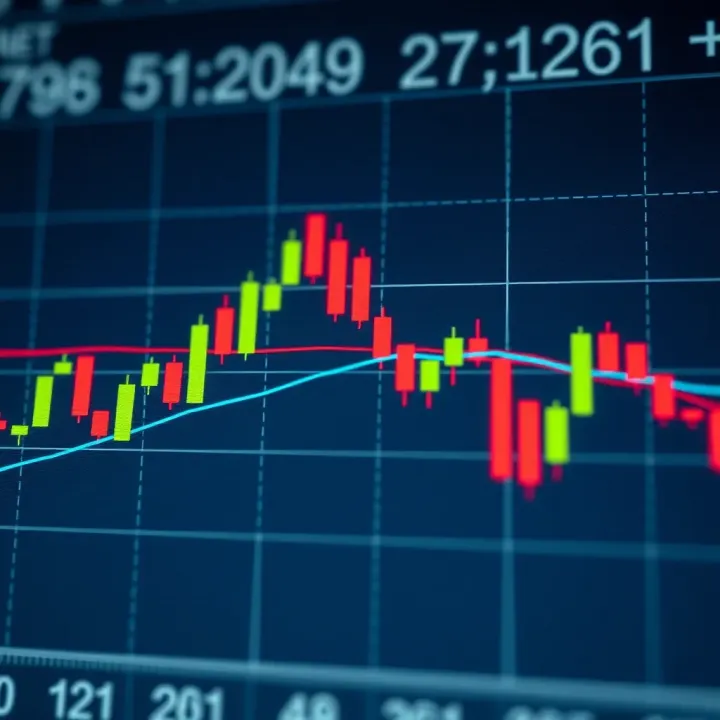
📈 Learn to spot the most reliable candlestick patterns in trading to identify market trends and reversals. Get practical tips for smarter trades today!
Explore key candlestick patterns 🔍 used by traders to read price moves and improve strategies, especially for India’s trading markets 📈📊.
Based on 9 reviews