

Reliable Candlestick Patterns Every Trader Should Know
📈 Learn to spot the most reliable candlestick patterns in trading to identify market trends and reversals. Get practical tips for smarter trades today!
Edited By
Ethan Hughes
Candlestick patterns provide vital clues about market sentiment, helping traders anticipate price movements. In option trading, especially within the Indian stock market, these patterns guide decisions on when to buy or sell options, potentially maximising returns and limiting losses.
Unlike basic price charts, candlesticks show the open, close, high, and low prices for a given period, making them richer in detail. For instance, a long green candlestick indicates strong buying interest, while a long red one points to selling pressure.

Understanding specific patterns helps traders read market psychology. Take the "Hammer" pattern — it looks like a small body with a long lower shadow, suggesting buyers regained control after initial selling. In options, spotting a hammer at key support levels may encourage buying call options expecting a price bounce.
Here are some key patterns to watch:
Bullish Engulfing: A small red candlestick followed by a larger green one engulfing it. Signals a possible upward reversal.
Bearish Engulfing: Small green candlestick followed by a larger red one. Indicates potential downturn.
Doji: Candlestick with almost equal open and close price. Reflects indecision; trend reversal may follow.
Applying these patterns in option trading requires combining them with volume analysis and market context. For instance, on the Nifty 50, spotting a bullish engulfing pattern with rising volume near crucial support can justify buying call options or bullish spreads.
Candlestick patterns themselves don’t guarantee profits but enhance your understanding of market psychology, improving timing for option entries and exits.
For better outcomes, always pair pattern recognition with effective risk management:
Use stop-loss orders to limit downside.
Trade smaller lots when patterns are less clear.
Monitor market news that can disrupt technical setups.
By mastering candlestick patterns and blending them with sound strategies, you can make more informed, timely decisions in option trading within India’s dynamic market.
Candlestick charts are fundamental tools for traders and investors, especially in option trading. Their ability to condense price action information into easy-to-read visual cues helps traders quickly grasp market sentiment and potential entry or exit points. Understanding these basics enables option traders to better anticipate price movements and devise strategies accordingly.
Candlestick charts originated in Japan centuries ago and have since gained popularity worldwide, including India’s stock markets like NSE and BSE. They differ from line or bar charts by showcasing not just closing prices, but the price range and direction during a specific time frame — daily, hourly, or even minutes. This visual richness provides clues about market psychology, helpful when trading volatile assets such as options.
Each candlestick represents four key price points within its time period: open, high, low, and close. Its body colour and shape show if prices moved up or down, while the wicks indicate volatility by displaying the extremes reached. For example, a green (or hollow) candlestick means the close was higher than open — signalling buying strength. A red (or filled) one points to selling pressure. This immediate visual contrast helps option traders spot trends faster.
The four prices shape every candlestick. The open price is where trading began, while the close price is where it ended during that period. High and low mark the maximum and minimum prices reached. For option traders, these points are crucial; they reveal not only the direction but the strength of market moves. For instance, a large gap between open and close may suggest strong momentum, useful while timing option buys or sells.
The candle’s body is the thick part between open and close prices. Wicks (or shadows) are thin lines above and below showing the high and low prices that extended beyond the body. If a candlestick has a long wick on top and small body, it may suggest price rejection near the high — indicating potential reversal. Recognising such nuances helps traders avoid false signals in options.
Candlestick patterns often signal whether buyers (bulls) or sellers (bears) are dominating. A long green candle after a downtrend usually hints at bullish momentum, making call options attractive. Conversely, a long red candle after an uptrend suggests selling pressure, favouring put options. The direction and size of candlesticks advise traders on potential market shifts.
Candlestick patterns are not foolproof but act as strong guides when combined with volume or other indicators in option trading.
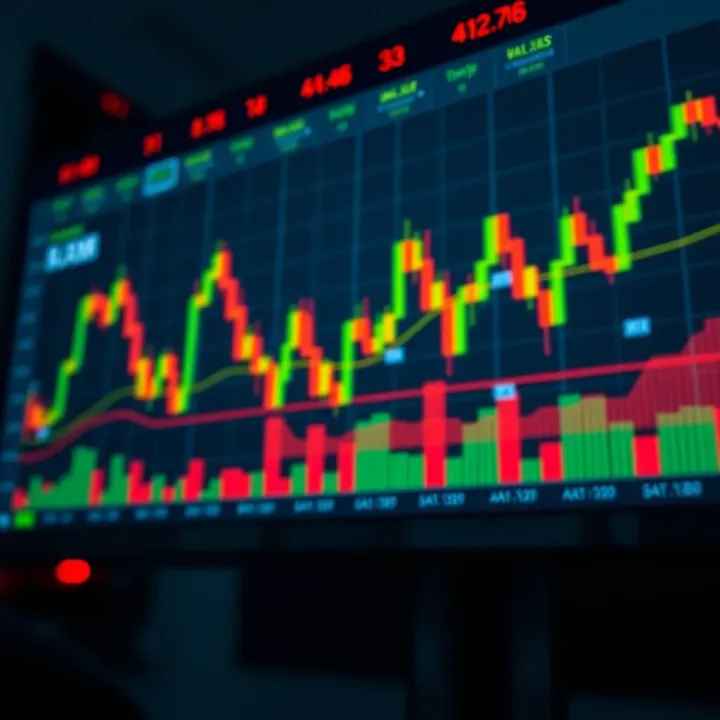
Terms like "hammer," "doji," "shooting star," or "engulfing" describe specific candle formations that traders watch. For example, a doji — where open and close prices are nearly the same — signals indecision, warning traders of possible trend changes. Familiarity with these terms allows option traders to communicate strategies clearly and react swiftly to market signals.
Understanding these fundamentals of candlestick charts sets the stage to explore more complex patterns and their application in option trading strategies, especially in Indian markets where liquidity and volatility play key roles.
Candlestick patterns play a significant role for option traders as they provide visual signals about potential market moves. Recognising these patterns helps traders identify entry and exit points, manage risk, and make decisions based on the likely direction of the underlying asset. Patterns that form on a chart often reveal shifts in sentiment, and for option traders, spotting these early can mean the difference between profit and loss.
The hammer and hanging man look similar but appear in different trends, signalling reversals. A hammer forms at the bottom of a downtrend, characterised by a small body and a long lower wick. It suggests buyers are stepping in after sellers pushed prices down. Option traders watching for this pattern may consider call options, anticipating price rise. On the contrary, the hanging man shows up after an uptrend, indicating a potential bearish reversal. Recognising these patterns can help option traders decide when to enter or exit positions.
These patterns are also single candlesticks signalling possible reversals. A shooting star appears at the top of an uptrend with a small body and long upper wick, signalling retreat by buyers and potential downward pressure. This pattern often alerts traders to consider put options. The inverted hammer, appearing after a downtrend, suggests that buyers are trying to take control despite selling pressure. It has a similar shape but usually means a bullish reversal is near. Both patterns give traders cues on market sentiment shifts, crucial for timing option trades.
Engulfing patterns involve two candlesticks and are strong reversal indicators. A bullish engulfing means a smaller bearish candle is followed by a larger bullish candle that ‘engulfs’ it, showing strong buying interest. Option traders use this to spot potential upward moves and may look for call options. Conversely, a bearish engulfing reverses an uptrend with a large bearish candle overtaking a preceding smaller bullish one, signalling selling pressure that might prompt put options. These patterns are reliable because they reflect sudden change in momentum.
The morning star signals a bullish reversal and consists of three candles: a large bearish candle, followed by a small-bodied or doji candle, and then a large bullish candle. This pattern suggests the market is regaining upward momentum, key for traders in call option plays. The evening star is the opposite — signalling bearish reversal with a large bullish candle, small-bodied candle, and then a large bearish candle. This warns of possible downtrend, a cue for put options. Knowing these patterns helps in timing option expiries effectively.
Doji candles signify indecision, where open and close prices are nearly the same, forming a cross-like shape. They often appear at key turning points but require confirmation from subsequent candles. In option trading, a doji at a strong support or resistance level can hint at an upcoming reversal or breakout. However, false signals are common if volume is low. Hence, combining doji signals with other indicators like RSI or moving averages improves decision-making. Spotting dojis helps traders avoid jumping in too early and refine their strategy.
Understanding these candlestick patterns improves your timing and confidence while trading options. Patterns like hammer, engulfing, and doji offer clear visual clues that can be combined with other tools to manage trades better in the Indian stock market.
Candlestick patterns offer practical clues for timing entry and exit points in options trading. Unlike share trading, options involve time decay and leverage, so spotting the right moment becomes critical. Applying these patterns helps traders choose call or put options with greater confidence, improving their chances of profits while limiting risks.
Bullish candlestick patterns signal likely upward price movement, making them useful for entering call options. For example, a hammer pattern often suggests a price reversal after a downtrend, indicating a potential rise. If a stock like Reliance Industries forms a hammer on daily charts near strong support, a trader might buy call options anticipating a bounce.
Choosing call options after spotting patterns such as engulfing bullish or morning star formations can help traders ride upward momentum. Timing entry based on these patterns reduces guesswork and allows targeting price rallies effectively, especially during volatile market phases.
On the other hand, bearish patterns hint at possible declines, guiding traders towards put option buys. A shooting star candle after an uptrend may warn that the rally is losing steam. For instance, if Tata Steel shows a shooting star near resistance, buying put options could hedge against a downturn.
Put options backed by patterns such as evening stars or bearish engulfing allow traders to capitalise on expected drops or protect existing positions. In India’s fluctuating markets, recognising these signals is handy for swift decisions before price slides start.
Candlestick signals gain strength when verified with volume and indicators like moving averages or the relative strength index (RSI). Rising volume on a bullish pattern confirms genuine buying interest, while divergence in RSI may suggest weakening trends. For example, a bullish engulfing with high volume crossing above the 50-day moving average offers a more reliable buy signal.
In the Indian market, where false breakouts are common, combining these tools helps filter noise. RSI also reveals overbought or oversold states, supplementing candlestick insights to avoid premature trades.
Relying on a single pattern can lead to false signals. Confirming candlestick patterns with other factors like chart patterns, support/resistance zones, or macro news sharpens accuracy. For instance, spotting a morning star at a long-standing support level alongside positive corporate results enhances conviction for call options.
Experienced Indian traders often wait for confirmation such as a close beyond a resistance line after bullish patterns. This approach avoids entering on uncertain signals and helps manage risk while boosting potential returns.
Candlestick patterns are not foolproof, but when applied thoughtfully with other indicators and market context, they significantly improve decision-making in option trading.
This methodical approach makes candlestick patterns a valuable part of an option trader’s toolkit, especially in Indian markets where volatility and news play a big role.
Managing risk is an essential part of trading options using candlestick patterns. While these patterns can help identify promising entry points, ignoring risk management can lead to significant losses, especially in options trading where leverage amplifies both gains and setbacks.
Using pattern signals to place stop losses: Candlestick patterns often show clear levels where price reversals might fail. For instance, after spotting a bullish hammer pattern, placing a stop loss just below the hammer’s low helps limit losses if the market moves against the trade. This method works better than arbitrary stop losses, as it's grounded in price action signals. It guards your capital by automatically exiting the position when the pattern’s premise invalidates itself.
Defining realistic profit targets: Setting profit targets based on candlestick patterns keeps expectations practical. Take the morning star pattern signalling a potential upward trend; the target could be the previous resistance level or a price zone indicated by prior highs. Avoid chasing unrealistic big profits, as options premiums can erode quickly. Defining targets aligned with visible chart patterns and support-resistance zones helps lock in gains before the market turns.
False signals and how to spot them: Not every candlestick pattern leads to a trend reversal or breakout. A common trap is taking a single doji as a buy or sell signal without confirmation. To avoid false signals, observe volume changes or wait for the candle after the pattern to confirm direction. For example, if the market shows a bearish engulfing pattern, but volume is light, the signal may lack conviction. Recognising such nuances can save traders from entering losing positions.
Importance of broader market context: Candlestick patterns perform best when viewed alongside overall market trends and economic conditions. Even a strong bullish pattern can fail during a broader market downtrend or during events like RBI policy announcements. Always check indices like Nifty 50 or Sensex for market mood before placing option trades. Combining pattern signals with macroeconomic context reduces risk and improves decision-making quality.
Proper risk management using stop losses, profit targets, and awareness of false signals helps traders protect capital and improve consistency when trading options with candlestick patterns.
In summary, while candlestick patterns point to potential market moves, managing risk ensures you survive and thrive in the unpredictable stock market. Setting stops and targets aligned with pattern signals, avoiding misleading setups, and incorporating market context form a solid foundation for safer option trading.
For option traders in India, applying candlestick patterns effectively means adapting general strategies to local market conditions. Practical tips help you connect these time-tested patterns with specifics like stock liquidity, expiry dates, and trading tools popular on Indian exchanges. Without this nuance, even familiar candlestick signals may not deliver the expected results.
Liquid stocks listed on the National Stock Exchange (NSE) or Bombay Stock Exchange (BSE) are the focus for option traders using candlestick patterns. Liquidity ensures tighter bid-ask spreads, making entry and exit points based on patterns more reliable. For example, focusing on stocks like Reliance Industries, Infosys, or TCS allows you to catch clearer pattern signals backed by active volume, avoiding deceptive moves common in less-traded stocks.
Aligning candlestick patterns with expiry cycles is equally crucial. Indian options have monthly expiry dates, typically the last Thursday of the month, and weekly expiries for some indices. Observing patterns forming a few days before expiry helps determine timely entries and exits. For instance, spotting a bullish engulfing pattern in Nifty options two days before expiry can provide a profitable entry window underlining pattern relevance within the limited time frame of options.
Popular charting software in India like Zerodha’s Kite, Upstox Pro, and Sharekhan’s TradeTiger provide dedicated candlestick chart views and real-time data crucial for swift option decisions. These platforms cater to Indian market specifics, including NSE/BSE stocks and options, enabling traders to track patterns instantly without lag.
Features that help pattern recognition include automated pattern detection, alert systems, and integrated technical indicators. For example, Upstox Pro offers a feature highlighting common candlestick patterns, helping new traders confirm signals quickly. Similarly, Zerodha's integration of candlestick charts with RSI and volume indicators lets you validate pattern strength before placing option trades. These tools reduce guesswork and improve accuracy in executing pattern-based strategies.
Remember, using the right stocks, timing trades around expiry cycles, and employing efficient platforms increases the practical effectiveness of candlestick pattern trading in the Indian options market.
📈 Learn to spot the most reliable candlestick patterns in trading to identify market trends and reversals. Get practical tips for smarter trades today!

📈 Learn how to read candlestick patterns to spot market trends and make smarter trades in stocks, forex, and commodities. Boost your trading strategy today!

📈 Master multi candlestick patterns to read market trends better. Learn common types, their signals, and smart tips for effective trading strategies in India.

Discover top candlestick patterns 🔥 to spot profitable trades in Indian markets 📈. Learn their formation, signals, and practical trading tips 💡.
Based on 8 reviews