

Reliable Candlestick Patterns Every Trader Should Know
📈 Learn to spot the most reliable candlestick patterns in trading to identify market trends and reversals. Get practical tips for smarter trades today!
Edited By
Emily Hart
Candlestick patterns have long been a trusted tool among traders for reading market sentiment and predicting price movements. These visual charts form the backbone of technical analysis and help make sense of complex market data by simplifying price action into easy-to-interpret shapes.
At its core, a candlestick represents four prices during a specific time period: the open, close, high, and low. The shape and colour of the candlestick offer immediate clues about bulls and bears battling in the market. For example, a long green candlestick suggests strong buying pressure, while a long red one signals the opposite.

This article focuses on six essential candlestick patterns that frequently appear in Indian market trading on platforms like the NSE or BSE. Understanding these patterns can boost your ability to time entry and exit points with more confidence.
Some of the key benefits of mastering these patterns include:
Quick visual cues to spot trend reversals or continuations
Better interpretation of market psychology behind price moves
Enhanced risk management by confirming signals before acting
When you spot candlestick patterns such as the Doji, Hammer, or Engulfing pattern, you’re not just looking at shapes but reading real-time reactions of buyers and sellers.
Traders should use these patterns alongside other analytical tools like volume analysis, support/resistance levels, and broader market trends rather than in isolation. Also, different time frames (minute, hourly, daily) might tell different stories, so context matters.
In the following sections, we will break down each pattern’s structure, what it typically signals, and how to put it to practical use in trading Indian equities, commodities, or forex. Paying attention to details like shadow length or candlestick colour can reveal subtle clues others might miss.
Understanding these six patterns well can sharpen your trading approach, helping to navigate choppy market conditions and avoid impulsive decisions. Whether you’re a newcomer or a seasoned trader, these basics are worth revising to sustain profitable trading routines.
Candlestick charts serve as a visual snapshot of price movements within a specific trading period, making them an essential tool for traders and investors alike. Unlike traditional line charts, candlesticks package multiple price points—opening, closing, high, and low—into a single bar, providing a clearer picture of market behaviour. This compact, intuitive form helps assess price action quickly, which is crucial for making timely decisions in India’s dynamic markets.
The open and close prices define where the trading period started and ended. These two points determine the candlestick’s real body, showing whether buyers or sellers dominated. For example, if a stock opens at ₹1,000 and closes at ₹1,050, a trader immediately understands that buyers pushed prices up during that session. This quick insight is especially useful during volatile sessions like monsoon season when markets can swing heavily within minutes.
Understanding open and close prices also helps in spotting trends. A series of candles with higher closes than opens suggests bullish momentum. Conversely, lower closes hint at bearish pressure. Traders who watch benchmarks like the Nifty 50 can use this to spot turning points early.
Wicks—or shadows—are thin lines extending from the real body, indicating the highest and lowest prices during that period. These show the extremes of market activity and how aggressively buyers or sellers tested the price levels. For instance, a long upper wick suggests sellers pushed the price down after a strong rally, signalling resistance.
In Indian markets, this can often be seen in stocks with high intraday volatility, especially around corporate earnings announcements. Observing wicks helps traders anticipate whether the market might reject certain prices, which is vital to timing entries or exits effectively.
The real body represents the gap between open and close prices. Its length and colour reveal market sentiment—green or white for bullish (closing higher than opening), red or black for bearish (closing lower). A long green body indicates strong buying interest, while a long red body signals heavy selling.
Colours simplify quick reading. For example, during the post-budget rally in India, many stocks show multiple strong green-bodied candles, reflecting widespread optimism. Traders use this colour language to gauge strength or weakness within minutes, which supports fast-paced trading decisions.
Candlesticks visualise the ongoing tussle between buyers and sellers. A longer real body indicates dominance, while smaller bodies denote indecision or equilibrium. This reflects market participants’ confidence or hesitation.
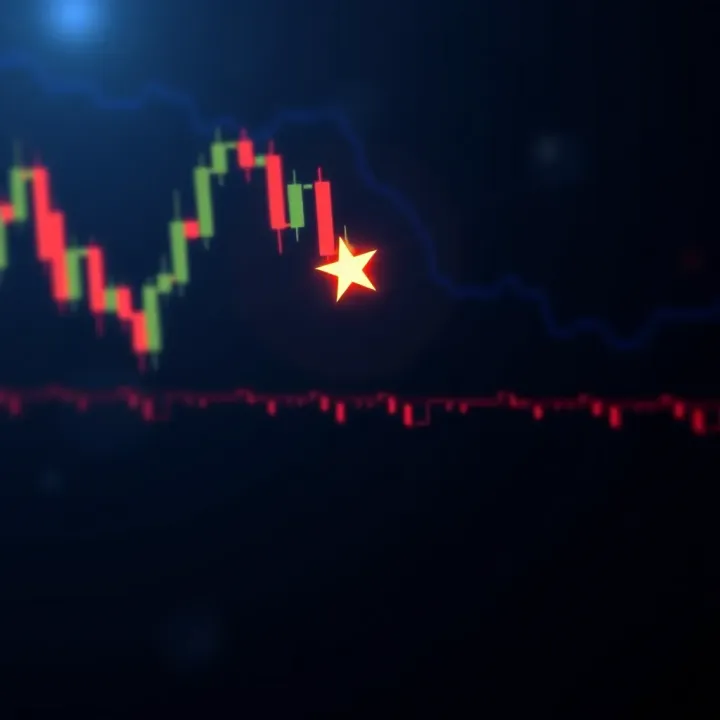
For example, when a stock like Reliance Industries Ltd. forms a hammer candlestick (a small body with a long lower wick), it signals that despite initial selling pressure, buyers regained control by close. This tug-of-war mirrors investor sentiment shifting from fear to hope.
Patterns of consecutive candlesticks help identify trends—uptrends marked by successive bullish candles, downtrends by bearish ones. Moreover, specific formations hint at potential reversals, enabling traders to anticipate market turns.
In Indian trading, spotting morning star or engulfing patterns near crucial support or resistance levels can signal trend shifts in large-cap shares and thus help traders pre-empt major moves.
Volume adds weight to candlestick patterns. A bullish engulfing candle with heavy volumes suggests stronger buyers, making the signal more reliable. Conversely, same patterns on low volume may be false alarms.
Volume spikes during festive seasons like Diwali often amplify these patterns, as increased market participation results in more decisive moves. Traders pairing volume with candlestick analysis gain an edge in confirming market psychology rather than relying on price alone.
Candlestick charts are not just about price but capture the psychological battle on trading floors, giving you a direct view of buyer-seller dynamics crucial in Indian stock markets.
Understanding these basics forms a solid foundation before diving into specific patterns, helping navigate complex price movements with greater confidence and precision.
Understanding these six key candlestick patterns is essential for traders aiming to predict market trends effectively. Each pattern offers unique insights into price movements and trader behaviour, enabling better timing of entry and exit points. By recognising these patterns clearly, investors can make more informed decisions, reducing guesswork and improving overall trading results.
Identification criteria: Both the Hammer and Hanging Man have a small real body near the top of the trading range, with a long lower wick at least twice the length of the body. The colour of the body (bullish or bearish) is less important than the shape. This distinct formation shows the price dipped significantly but recovered before the candle closed, highlighting notable buying or selling pressure.
Implications for trend reversal: The Hammer typically signals a potential bullish reversal after a downtrend, as buyers stepped in to push prices higher despite early selling. Conversely, the Hanging Man warns of a possible bearish reversal at the end of an uptrend, indicating sellers may be gaining control even though prices closed near the high. Recognising these patterns helps traders anticipate trend shifts and adjust positions accordingly.
Typical market context: These patterns carry more weight when confirmed by the surrounding price action and volume. For instance, a Hammer forming after a prolonged slide in a stock like Tata Steel suggests a buying opportunity if followed by higher volume. Similarly, a Hanging Man appearing in an overbought market like certain IT stocks on the NSE can hint at an upcoming pullback.
Bullish vs bearish engulfing: A Bullish Engulfing pattern appears when a small bearish candle is followed by a larger bullish candle that completely covers it, indicating buyers have overpowered sellers. The Bearish Engulfing is the opposite— a small bullish candle followed by a larger bearish one, suggesting sellers are gaining the upper hand.
How to spot them: Look at two consecutive candles where the second fully engulfs the first. The presence of this pattern near support or resistance levels strengthens the signal. Paying attention to volume spikes during these engulfing patterns can further validate their strength.
Practical examples from Indian markets: An example is Reliance Industries showing a Bullish Engulfing pattern after a dip, signalling a near-term bounce. On the other side, a Bearish Engulfing in a stock like Infosys near resistance levels has often marked the start of short-term corrections.
Types of doji: Common types include the Standard Doji (open and close are almost equal), Long-legged Doji (long wicks above and below), Dragonfly Doji (long lower wick, no upper wick), and Gravestone Doji (long upper wick, no lower wick). This variety helps indicate different market sentiments.
Interpretation of indecision: A Doji reflects balance between buyers and sellers, showing indecision. Neither side achieved control, making the Doji an alert for potential changes in momentum rather than a definitive signal.
Role in confirming trend changes: Dojis often precede reversals or pauses in trends but require confirmation from subsequent candles. For example, a Doji following a strong downtrend in HDFC Bank could mean weakening selling pressure, suggesting a possible reversal or consolidation.
Pattern formation and key features: A Morning Star is a three-candle bullish reversal pattern: a large bearish candle, a small-bodied candle (gap down), then a large bullish candle closing well into the first candle's body. The Evening Star is its bearish counterpart with the opposite sequence.
Significance in indicating trend shifts: These patterns signal strong reversal chances after sustained moves. They incorporate periods of indecision before decisive action, helping traders identify turning points early.
Reliability in Indian stock markets: In markets like the NSE, these stars tend to be more reliable when they coincide with support or resistance zones and higher trading volumes. For instance, the Morning Star pattern has been observed signalling trend shifts on Bajaj Finance shares during consolidation phases.
Recognising and understanding these six candlestick patterns equips traders with practical tools to read market sentiment, anticipate price moves, and manage risks better. Always consider these patterns within broader market context and alongside other indicators for improved accuracy.
Candlestick patterns alone don't guarantee profitable trades. They become truly useful when combined with other technical tools and sound risk management. By layering indicators like support/resistance, moving averages, and volume confirmation, traders can filter signals and make decisions backed by stronger evidence. This balanced approach also helps avoid common pitfalls such as false signals or premature entries.
Support and resistance levels play a vital role in confirming candlestick signals. For instance, spotting a hammer pattern near a known support zone increases the odds of a valid reversal. On the flip side, an engulfing pattern appearing close to resistance suggests a potential pullback. These levels mark price points where buying or selling interest has historically been strong, so combining them with candlestick cues helps verify whether a pattern signifies real market sentiment or just noise.
Moving averages smooth out price action, revealing the broader trend. Using a 50-day or 200-day moving average alongside candlestick patterns allows traders to align their strategies with prevailing market direction. For example, a bullish engulfing pattern above the 200-day moving average can signal a sturdier uptrend, while the same pattern below this average may require caution. Moving averages also act as dynamic support or resistance, adding another layer of context to pattern interpretation.
Volume confirmation is crucial to validate candlestick signals. A doji or engulfing candle accompanied by higher-than-average volume often reflects genuine buying or selling pressure. Conversely, low volume during such patterns might hint at weak conviction and greater risk of failure. Say a morning star pattern forms with a spike in volume on the third candle; this suggests the reversal has solid backing and improves trading confidence.
Setting stop-loss orders helps limit losses when the market does not move as expected after a candlestick signal. For example, after entering a trade based on a bullish hammer, placing a stop-loss just below the candle’s low protects against deeper falls. Stop-loss placement must balance risk tolerance and market volatility to avoid getting stopped out by normal price fluctuations.
Avoiding false signals requires patience and confirmation from other indicators or multiple timeframes. Candlestick patterns can sometimes mislead in choppy markets. Watching a daily pattern form consistently alongside similar signals on smaller timeframes, or aligning it with support/resistance, reduces the chance of fakeouts and improves trade quality.
Trade sizing is another key risk control element. Allocating an appropriate portion of your total investment capital based on the stop-loss distance ensures losses remain manageable. For instance, a trader might risk only 1-2% of their portfolio per trade, adjusting quantity accordingly. This disciplined sizing prevents a single failed trade from severely denting overall capital.
Using candlestick patterns alongside other tools and maintaining strict risk management helps traders make informed decisions and safeguards capital, even in unpredictable markets.
By integrating these methods, traders can enhance the reliability of their candlestick-based strategies, leading to better long-term results and fewer surprises.
Trading with candlestick patterns can offer sharp insights, but it is easy to slip into pitfalls that skew your understanding and lead to losses. Recognising common errors is vital for traders who want to build consistent strategies. This section highlights some frequent mistakes involving candlestick patterns and practical ways to avoid them, increasing your chances of success in the real market.
Effect of market noise: When markets are highly volatile, price movements often include rapid, large swings unrelated to fundamental trends. This "market noise" can create misleading candlestick shapes that appear as meaningful patterns but are actually random fluctuations. For instance, during the monsoon season, heavy global economic events can cause sharp intraday swings in Nifty 50 stocks, distorting typical candles. Traders who do not account for noise risk entering or exiting trades based on false signals.
Importance of context: A candlestick pattern alone rarely provides a full picture. Its strength depends on the broader market context—such as prevailing trends, support and resistance levels, and volume trends. For example, a hammer candle at a strong support zone on a Sensex stock likely signals a reversal, but the same pattern during a sideways phase may have limited predictive value. Always combine pattern recognition with other technical factors to refine your decisions.
Integrating multiple timeframes: Relying on a candlestick pattern from just one timeframe can be risky. A bullish engulfing candle on a 5-minute chart may simply reflect minor price swings, whereas the daily chart might still show a downtrend. By checking larger timeframes, such as the daily or weekly charts, you verify the signal's reliability and align trades with the bigger trend, reducing chances of whipsaws.
Using pattern clusters: Instead of acting on a lone candlestick, look for clusters or sequences of confirming patterns. For example, in Nifty futures, several consecutive doji candles followed by a morning star pattern provide stronger evidence of indecision turning bullish than one single morning star alone. Pattern clusters on rising volume add conviction, helping avoid false starts that often deceive traders.
Emphasising caution around pattern interpretation, especially amid volatile conditions and isolated signals, can save you from costly errors and improve your trading outcomes.
Understanding these pitfalls and applying reliable context and multiple confirmation methods strengthens your approach. This disciplined way of using candlestick patterns makes your trading strategy more robust against market noise and random price moves.
📈 Learn to spot the most reliable candlestick patterns in trading to identify market trends and reversals. Get practical tips for smarter trades today!
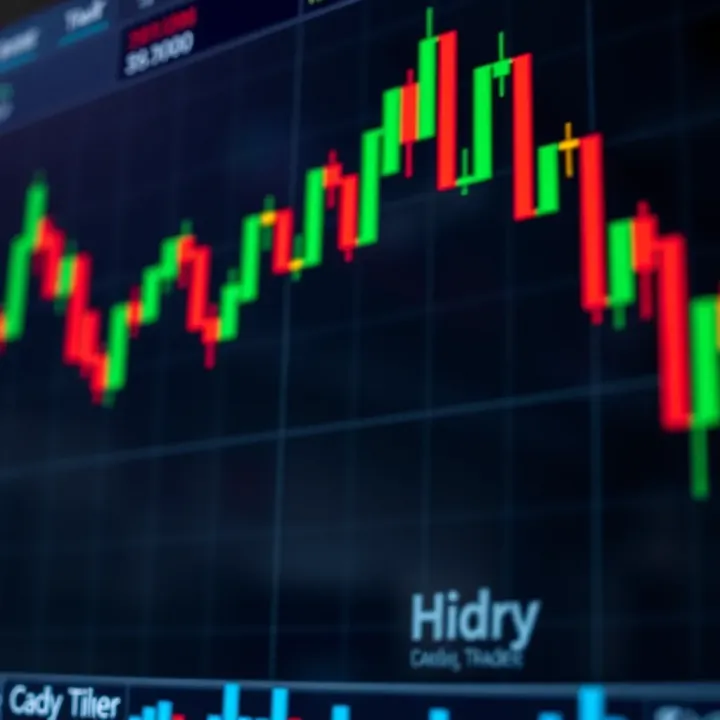
📈 Learn how to read candlestick patterns to spot market trends and make smarter trades in stocks, forex, and commodities. Boost your trading strategy today!

📈 Master multi candlestick patterns to read market trends better. Learn common types, their signals, and smart tips for effective trading strategies in India.

Discover top candlestick patterns 🔥 to spot profitable trades in Indian markets 📈. Learn their formation, signals, and practical trading tips 💡.
Based on 10 reviews