

Choosing the Most Trusted Trading App in India
📊 Looking for the most trusted trading app in India? Discover key factors like security, fees, and support to pick the best platform for your investments! 🇮🇳
Edited By
James Harrington
Choosing the right trading app is a key step for investors in India looking to manage their portfolios efficiently. With financial markets buzzing 24/7 and mobile internet coverage rapidly expanding, more people now access equities, mutual funds, and commodities on their smartphones. A well-suited trading app simplifies this process while providing essential tools needed for informed decisions.
Not all trading apps are the same. They vary widely in usability, security, fees, and the range of services offered. For instance, Zerodha Kite is popular for low brokerage and intuitive design, while Upstox appeals for its fast order execution and multiple investment options. On the other hand, traditional players like ICICI Direct integrate banking and trading on one platform, catering to users who prefer a single interface for all financial transactions.

Security remains a non-negotiable factor. Many apps now offer two-factor authentication, biometric login, and end-to-end encryption to protect user data and investments. Without these, a trader’s hard-earned money is at unnecessary risk.
Fees can pile up quickly. Brokerage charges, account maintenance fees, and charges on transactions vary. For example, discount brokers might charge as low as ₹20 per trade or even offer zero brokerage on equity delivery trades, while full-service brokers may charge a percentage of the transaction amount.
User experience is equally important. An app cluttered with too many features can confuse new investors. Simpler interfaces with clear navigation help both beginners and seasoned traders execute orders smoothly. Real-time market data, intuitive charts, and efficient customer support play a role here.
Some key criteria to assess when choosing a trading app:
User interface: Is it easy to place trades and access reports?
Security: What authentication methods are offered?
Charges: Brokerage, GST, account maintenance fees, and penalties
Available markets: Equity, derivatives, commodities, mutual funds
Customer support: Response speed, availability in regional languages
Understanding these factors helps Indian investors pick a trading platform that matches their trading style and goals. Later sections will break down top apps in the Indian market and share tips on getting the most out of them.
Choosing the right trading app can make a significant difference in your investment journey, especially in India’s fast-moving markets. A top-tier app should not only offer ease of use but also strong security and fair pricing. Without these, even the best market knowledge can go to waste. For instance, a trader focusing on quick intraday moves needs an app that responds instantly and is easy to navigate under pressure.
Look for features that match your trading style and priorities. A well-designed user interface reduces errors and speeds up decision-making. Meanwhile, solid security protects your funds and personal information from the increasing risk of cyber fraud. Finally, clear and competitive fees prevent your profits from getting eaten away unnecessarily.
An intuitive interface is the backbone of any good trading app. If you find yourself lost in menus or unable to locate key features like order placement or portfolio overview, you might make costly mistakes. For example, Zerodha Kite scores high because its clean layout lets users place trades and view charts without unnecessary clicks.
The design should also be clutter-free and accessible, even for beginners. Apps overloaded with colourful ads or confusing indicators can overwhelm traders and deter usage. Clarity helps you focus on market moves rather than fighting the software itself.
No two traders are alike, so the ability to tailor your dashboard matters. A customisable interface lets you pin your favourite stocks, display relevant news, or set quick action buttons for order types you use most frequently.
Suppose you trade mostly in currency futures; your dashboard should bring related charts and order forms upfront rather than showing equity data by default. This saves time and keeps you sharp during volatile sessions.
Given India’s growing mobile user base, trading apps must offer smooth performance on smartphones and tablets. A responsive app adapts well to different screen sizes without losing functionality or causing lag.
For example, Swiggy and Zomato took mobile-first design seriously, setting high user expectations in India. Similarly, trading apps should load quickly and keep controls within thumb reach for on-the-go trading.
Two-factor authentication (2FA) adds an extra layer of protection by requiring a second verification step, such as an OTP (one-time password) on your mobile or email, in addition to your password. This helps prevent unauthorised access even if your login details leak.
Apps like Upstox and Angel One use 2FA routinely, which is vital given increasing phishing attempts targeting traders.
Encryption scrambles your data, making it unreadable to outsiders during transmission and storage. When a trading app uses strong encryption, it protects sensitive details like bank accounts, PAN card data, and transaction history from hackers.
Before choosing, ensure the app follows industry-standard encryption protocols such as SSL/TLS. Many Indian platforms now follow these standards to comply with RBI data security expectations.
The Securities and Exchange Board of India (SEBI) regulates brokerage firms and trading platforms. Compliance means the app meets legal standards for transparency, investor protection, and operational integrity.
Using SEBI-compliant apps like Zerodha or Sharekhan provides assurance that your trades are monitored under the Indian financial regulatory framework. This reduces risks of fraud or malpractice compared with unregulated alternatives.
Trading apps follow either flat fee or percentage-based brokerage models. Flat fees tend to benefit frequent traders since the cost remains fixed per trade, while percentage fees might suit investors making large but fewer transactions.
For example, Zerodha charges a flat ₹20 per order for intraday equity trades, regardless of trade size, making it economical for high-volume traders.
Keep an eye on additional costs such as GST on brokerage, transaction charges, stamp duty, and account maintenance fees. These can add up and reduce your effective returns.
Some apps waive certain charges during promotional periods but insert hidden costs later, which surprises users. Always read the fine print or check user reviews to spot such pitfalls.
A direct comparison helps identify cost-effective platforms. Upstox offers competitive brokerage similar to Zerodha but includes a few features like margin trading that may justify slight differences in fee structure.
In contrast, Angel One provides extensive advisory services but at a higher brokerage rate, which suits investors valuing research support. Match your budget and needs for best value.
Choosing the best trading app comes down to balancing user-friendly design, strong security, and reasonable fees tailored to your trading style. This easy navigation helps you trade confidently while safeguarding your investments and costs.
When choosing a trading app in India, certain features can make a real difference in your investing experience. These elements not only affect usability but also influence how effectively you can manage your portfolio and respond to market changes.

Equity, Derivatives, and Mutual Funds: A good trading app offers seamless access to equity shares, derivatives like futures and options, and mutual funds. This variety enables investors to diversify within the same app without juggling multiple platforms. For example, if you want to hedge your portfolio with index futures or explore systematic investment plans (SIPs) in mutual funds, having all these in one place saves time and reduces complexity.
Commodity and Currency Trading Options: Beyond stocks and funds, commodity trading in gold, silver, crude oil, or agricultural products remains popular among Indian traders. Currency trading, especially US dollar vs. Indian rupee pairs, adds another layer of opportunity. An app that supports these markets can help investors engage in broader strategies, like protecting against inflation through gold or speculating on currency movements.
Integration with Demat and Trading Accounts: The best apps tie trading accounts directly with your Demat account, which holds your securities electronically. This integration means quicker settlement and a unified view of your holdings. For example, Zerodha pairs its trading interface with its Demat services, allowing users to monitor shares and execute trades smoothly without switching apps or websites.
Live Market Updates: Market prices in India can fluctuate fast, often within minutes. Apps that provide real-time quotes help you react promptly, especially for day traders. A delay of even a few seconds could cost money when markets are volatile. Hence, features such as live streaming of Sensex, Nifty, and individual share prices are vital.
Technical Analysis Indicators: Many traders rely on tools such as moving averages, Relative Strength Index (RSI), or Bollinger Bands to spot trends and entry points. A trading app with built-in, customisable charting tools helps traders apply these indicators directly, without needing separate software.
Custom Alerts and Notifications: Prices hitting a certain level or market news can impact your decisions. Apps offering custom alerts via push notifications ensure you don’t miss those trading signals. For example, getting notified when a stock crosses your preset target price can prompt immediate action, helping to lock in profits or cut losses.
Market, Limit, Stop Loss Orders: Understanding different order types is key. A market order buys or sells shares immediately at the current price, which saves time but risks price slippage. Limit orders execute only at your specified price, giving control. Stop loss orders protect you from big falls by automatically selling shares when prices dip beyond a limit.
Impact of Execution Time on Trading Results: Fast order execution means your trade happens at intended prices, crucial during high volatility like budget announcements or RBI decisions. If an app’s servers lag or connectivity is slow, you might get less favourable prices, biting into profits or increasing losses.
Order Modification and Cancellation Options: Sometimes market conditions change quickly after you place an order. The ability to modify or cancel pending orders lets you respond flexibly without getting stuck. This feature, though small, prevents unwanted trades and gives you control over your strategy.
Picking an app with these features tailored for Indian markets makes a difference not just in trading ease but in protecting your capital and unlocking opportunities efficiently.
Selecting the right trading app is vital for Indian investors, as it can directly affect trading efficiency, costs, and user experience. Comparing popular apps helps you understand their strengths and weaknesses, enabling you to pick one that suits your trading style and goals. This section reviews top trading platforms in India, focusing on what they offer in practice.
Zerodha Kite stands as one of India’s largest and most trusted trading platforms, boasting over 6 million users. Its seamless integration with Zerodha’s back-end infrastructure makes it popular among both beginners and seasoned traders. Bear in mind, the platform caters well to investors who want a no-frills, reliable experience without heavy reliance on fancy tools.
Kite excels in offering a clean, intuitive interface with quick order placement and minimal lag. It supports a wide range of instruments including equities, derivatives, and commodities. However, some traders might find Kite’s charting tools less sophisticated compared to specialised platforms. Also, customer support can sometimes be slow during market peaks.
Zerodha’s brokerage is straightforward: ₹20 per trade for intraday and F&O segments, with zero charges on equity delivery. This transparency helps traders keep costs predictable. However, users should watch for levies like transaction charges and GST, which apply across all brokers.
Upstox Pro covers major Indian markets including equity, commodities, and currency derivatives. It appeals to active traders by offering advanced charting with over 100 indicators and multiple order types. Integration with Demat accounts ensures easy fund management.
The app scores high for speed and responsiveness, complemented by customisable dashboards. Many users appreciate its mobile-first approach, making trading smooth even on slower connections common in smaller cities.
Upstox offers a competitive flat fee of ₹20 per trade for intraday and F&O, similar to Zerodha, and no charges for equity delivery trades. They also run offers for free trades up to certain limits, helping new investors save on initial costs.
Angel One blends trading with investment advisory, targeting both retail investors and traders. Its platform is user-friendly, catering well to casual investors looking to balance stock trading with mutual fund investments.
Angel One stands out for providing insights, stock recommendations, and detailed reports, which are useful for investors relying on expert opinions. This adds value beyond mere trading execution.
While brokerage fees are higher than discount brokers, Angel One offers bundled plans and discounts for higher trade volumes. This can work well if you seek added services with your trading.
5paisa offers rock-bottom brokerage—₹10 per trade flat—and a range of financial products beyond equity, including insurance and mutual funds. While the app lacks some advanced tools, its simplicity makes it suitable for beginners and budget-conscious traders.
Initially a mutual fund platform, Groww now supports stock trading with a clean interface oriented towards millennials. It’s known for simplified investment processes but might miss some pro-level features needed for active day trading.
A veteran player with a strong offline presence, Sharekhan serves experienced traders with robust research, advisory services, and a feature-rich trading platform. Its charges are on the higher side, reflecting premium services and better support.
Choosing a trading app depends on what matters most to you—low cost, research support, or advanced features. A clear understanding of each platform’s offerings will help you select the tool that fits your investment style and goals.
Choosing the right trading app goes beyond fancy features or brand popularity. It means picking a platform that suits your trading habits, budget, and goals. This ensures smoother transactions and saves you from unnecessary hassles or costs.
If you're someone who likes to buy and sell on the same day, a trading app with quick execution, real-time updates, and low latency matters a lot. For example, apps like Zerodha Kite or Upstox Pro provide fast order placement which day traders need to seize small price movements.
On the other hand, long-term investors benefit more from apps offering easy access to mutual funds, SIPs (Systematic Investment Plans), and fundamental research. Here, the speed of order execution is less critical than tools supporting portfolio tracking and periodic investments, such as Groww or Angel One.
If you trade occasionally and want to keep things simple, using an app with a clean interface and minimal jargon helps. Features like one-click buying/selling and clear portfolio summaries support casual investors better. Also, lower brokerage charges or zero brokerage on delivery trades—common with platforms like 5paisa—can save money when trading volume is low.
Traders looking for complex orders like bracket or cover orders, or those who rely heavily on technical indicators, need apps offering advanced charting tools and risk management options. Professional traders may prefer platforms with custom APIs or algorithmic trading support for higher flexibility. Apps like Zerodha Kite offer such facilities, catering to experienced users.
Brokerage charges directly cut into your gains. Imagine making a profit of ₹1,000 on a trade but paying ₹100 in brokerage; that's a 10% reduction already. Frequent traders must especially watch this, as small charges add up quickly. Comparing flat fees versus percentage-based charges helps in deciding which model suits your trade sizes better.
Sometimes, the cheapest app lacks essential tools or reliable customer support. Conversely, premium apps might charge more but provide better features or faster trade execution. For instance, paying a bit extra for Upstox Pro may yield benefits if its advanced charts improve your decision-making.
Many trading platforms offer demo or trial versions free of cost. Using these gives you hands-on experience with app features and user interface before committing money. Testing apps like Groww or Angel One on a trial basis helps reveal if they align with your style and expectations.
Demo accounts let you trade with virtual money, which is perfect for grasping order placements, exploring tools, and understanding market flows without risking funds. For beginners, this hands-on practice builds confidence and reduces mistakes when shifting to live markets.
Focus on order execution speed, availability of desired order types, clarity in portfolio statement, and ease of navigation. Also, observe if the app provides sufficient research material or alerts to help timely decisions.
Once comfortable in demo mode, moving to real trading needs care. Start small to manage emotions and track actual trade execution quality, as live markets may differ slightly from practice conditions. Choose platforms allowing seamless switch from demo to live accounts, so you don’t have to relearn interface or order placement.
Picking the right trading app is a step-by-step process—understand your trading style, weigh costs smartly, and practise with demos before real money comes into play. This approach saves time and effort while helping you invest smarter in the Indian market.
Using a trading app well can directly impact your investment success. Beyond picking the right platform, knowing how to navigate its features, stay secure, and manage risks plays a big role in making smart trades. Indian markets can be volatile, so these tips will help you avoid costly mistakes and seize timely opportunities.
Trading apps regularly release updates to fix bugs, improve speed, and patch security vulnerabilities. Ignoring these updates can leave your app exposed to cyber threats or cause glitches that affect order execution. For instance, a delayed update during a volatile market day might result in missed trades or incorrect price information. Always enable automatic updates or check regularly for the latest version to keep your app running smoothly.
Phishing is a common trick where fraudsters impersonate legitimate platforms to steal your login credentials. Be cautious about emails or messages asking for sensitive details or prompting you to download apps from unofficial sources. Always log in through the official app or website, use strong passwords, and never share OTPs received on your mobile. Many apps now offer two-factor authentication—activate it to add an extra layer of protection against fraud.
Successful trading needs an understanding of where the market is heading. Most trading apps provide trend charts, news feeds, and sector performance updates. By regularly following these, you can identify patterns—like a steady rise in IT stocks during a sector boom—that inform your buy or sell decisions. Ignoring market signals often leads to missed gains or unnecessary losses.
Several apps offer research reports and expert opinions from seasoned analysts. These insights include stock recommendations, earnings forecasts, and market outlooks specifically for Indian sectors like banking or FMCG. Using these can complement your analysis, especially if you are busy and cannot track all data yourself. Yet, always cross-check with your own research to avoid blindly following tips.
Setting personalised alerts lets you react quickly to price changes or news that matter to your portfolio. For example, you can configure alerts if a stock crosses a target price, or if a major economic event is announced by the RBI. This real-time information helps avoid constant app-checking and catches opportunities or risks immediately.
These order types help preserve capital and lock in profits automatically. A stop loss shutters your position if a stock’s price falls below a certain point, preventing further losses. Take profit sells your holdings once the price hits a profitable level. For example, if you buy shares of a company at ₹1,000, setting a stop loss at ₹950 limits losses, while a take profit at ₹1,100 secures gains without needing to watch the market constantly.
Putting all money in one sector or stock is risky. Spreading investments across different sectors and asset classes—equities, mutual funds, commodities—reduces the impact of market swings. For instance, when the automobile sector faces a slowdown, your tech or FMCG investments might balance that out. Many trading apps allow easy diversification by linking to mutual fund platforms or commodity markets, making this approach practical.
Indian markets can show rapid price movements due to global cues or domestic news. Staying aware of volatility helps you decide when to trade actively and when to stay cautious. Some apps provide a volatility index (India VIX) or alerts about sudden fluctuations. Using this info, you might avoid initiating large trades during uncertain phases or adjust your stop loss to buffer against sharp dips.
Regularly practising these tips will make your trading app not just a tool but a proper partner in your investment journey. Comfort with the platform, combined with informed decisions, is key to thriving in India’s diverse market.
📊 Looking for the most trusted trading app in India? Discover key factors like security, fees, and support to pick the best platform for your investments! 🇮🇳

📱 Find the best online trading app in India! Learn about app features, security, user-friendliness, and tips to trade smarter and safer in the stock market.
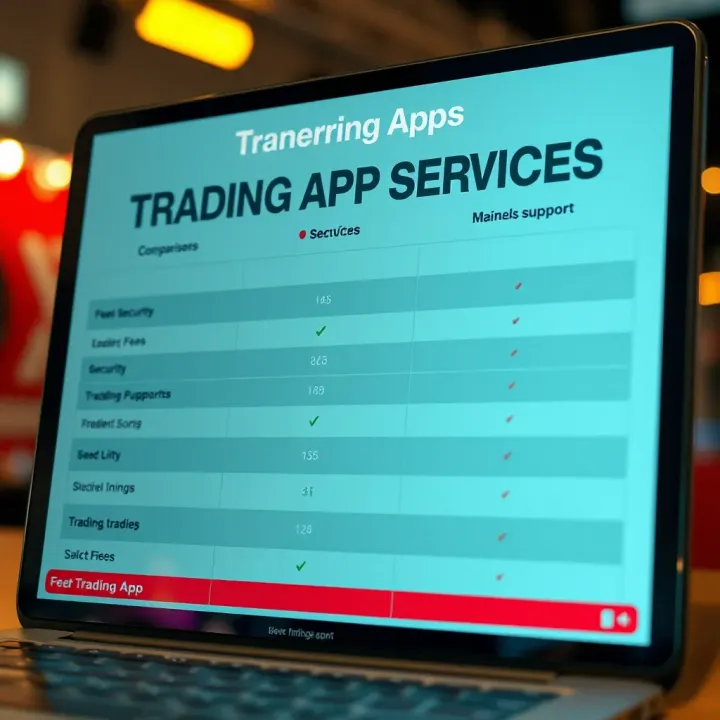
📊 Explore top trading apps in India! Compare features, fees, security, and support to find the best investment platform tailored to your trading style.

📱 Explore top mobile trading apps in India! Learn key features, benefits, rules & compare options to pick the best one for your trading style.
Based on 5 reviews