

Candlestick Patterns for Smarter Option Trading
📈 Learn how to spot key candlestick patterns to improve option trading decisions in the Indian stock market. Understand practical applications and manage risks effectively.
Edited By
Isabella Turner
Intraday trading demands quick decisions based on price movements during the trading day. Candlestick patterns are visual tools that help traders spot potential reversals, continuations, or indecisiveness in market trends. Understanding the best candlestick patterns can significantly improve trading accuracy in India’s volatile stock markets.
Candlestick charts display open, high, low, and close prices within a specific time frame, typically minutes for intraday traders. Each candle tells a story about the battle between buyers and sellers. Recognising key patterns allows you to anticipate short-term price actions, manage risks better, and make timely entry or exit moves.
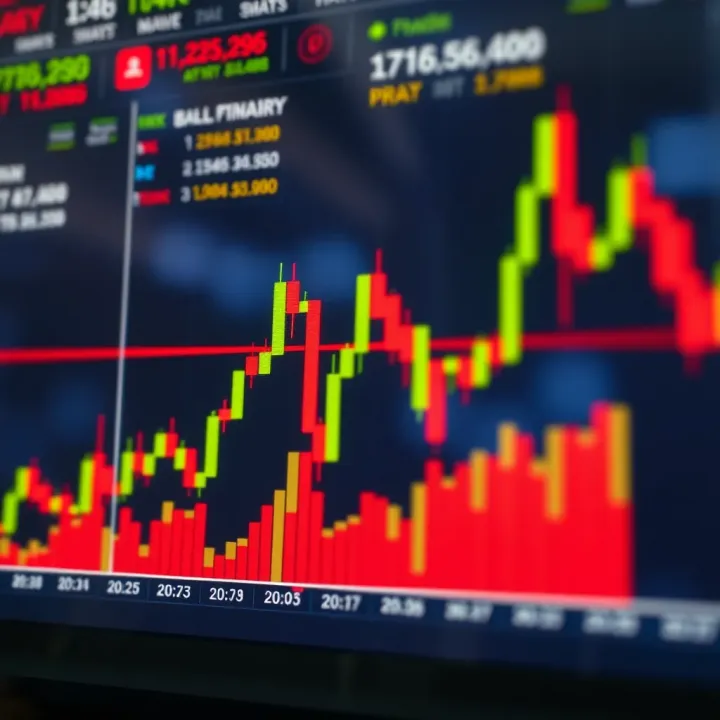
Some popular candlestick patterns for intraday trading include:
Doji: Signals market indecision, often preceding a reversal when appearing after strong trends.
Hammer and Hanging Man: Indicate potential reversals at market bottoms or tops respectively, characterised by small bodies and long lower shadows.
Engulfing Patterns: Bullish or bearish engulfing patterns suggest strong momentum shifts, where a large candle completely covers the previous one.
Morning and Evening Stars: Three-candle patterns signalling trend shifts, useful near support or resistance zones.
Successful intraday traders do not rely on candle patterns alone. They use these signals along with volume, moving averages, and support-resistance levels to confirm trades.
Applying these patterns in the Indian stock market requires consideration of factors like market volatility, sector-specific behaviour, and news impact. For example, during festive seasons, stocks often show increased volatility, making pattern detection challenging but rewarding when done right.
In the next sections, we will discuss how to identify these patterns quickly, interpret them in real market conditions, and combine them with other indicators to formulate an effective intraday trading strategy.
Candlestick patterns form the backbone of intraday trading strategies. They offer a visual snapshot of price movements within short periods, helping traders gauge market sentiment and make quick decisions. For instance, a trader spotting a bullish engulfing pattern on a 15-minute chart might choose to enter a long position, expecting an upward move before the day ends.
A candlestick chart displays price data through individual candles, each showing the open, high, low, and close prices for a specific time frame. The body of the candle reveals whether the price moved up (bullish candle) or down (bearish candle) within that period. Wicks, or shadows, highlight the price extremes. Unlike line charts, candlesticks provide more detailed insights about intraday price action. For example, a long lower wick indicates strong buying interest near the session's low, which could signal a support level.
Candle patterns help traders identify potential reversals, continuations, or indecision moments in the market. Recognising these patterns early can mean the difference between a profitable trade and a loss. Say the market forms a hammer candle near a support zone during the morning session; this can suggest a buying opportunity with a tight stop-loss below the wick. Conversely, ignoring these signals often leads to entering trades late or exiting prematurely.
Candle patterns alone aren’t magic; they serve as visual cues to confirm other analysis techniques and market context.
Time frames greatly influence how reliable candle patterns are for intraday trading. Shorter intervals like 1-minute or 5-minute charts capture fine price fluctuations but may suffer from noise and false signals. On the other hand, 15-minute or 30-minute candles balance detail and reliability better, making them popular among Indian day traders. For example, a Doji candle on a 1-minute chart might appear frequently and confuse traders, but the same pattern on a 15-minute chart tends to carry more weight. Adjusting your preferred time frame according to your trading style is key.
Understanding these fundamentals sets a solid foundation for learning key candle patterns and integrating them into a practical intraday trading system.
Candlestick patterns form the bedrock of intraday trading strategies. These patterns help traders quickly assess market sentiment, spot reversals, or confirm ongoing trends within the volatile time frames of a single trading day. Especially in India's fast-moving equity markets, knowing which candle patterns matter can save you from impulsive decisions and poor timing.
Types of Doji Candles
A Doji forms when a stock’s opening and closing prices are almost the same, signalling uncertainty. There are several types, such as the classic Doji, Dragonfly Doji, and Gravestone Doji. The Dragonfly Doji, with its long lower shadow and little or no upper wick, often appears at market bottoms, hinting at possible bullish reversals. The Gravestone Doji, on the other hand, signals bearish reversals when found after uptrends, showing selling pressure.
These subtle distinctions help traders read the market's indecision and prepare for potential turning points. For instance, spotting a Dragonfly Doji in Tata Motors intraday chart could mean buyers are stepping in after a dip.
Using Doji for Entry and Exit Points
A Doji candle itself isn't a buy or sell signal but a warning that the battle between bulls and bears is equal. Traders should look for confirmation from the next candles; if a bullish candle follows a Dragonfly Doji, it might be a cue to enter long. Conversely, a bearish candle after a Gravestone Doji warns of a potential drop.
Deciding entry or exit based solely on Doji can be risky. Combine it with volume spikes or support-resistance levels for better accuracy. For example, a Doji near a known support zone on Reliance Industries’ intraday chart, confirmed by rising volume, may prompt an aggressive buy.

Bullish vs Bearish Engulfing
Engulfing patterns consist of two candles where the second candle completely covers the body of the first. A Bullish Engulfing pattern occurs when a small red candle is followed by a larger green one, indicating strong buying momentum and a possible upward reversal. Opposite is the Bearish Engulfing, where a green candle is overtaken by a larger red one, signalling sellers taking control.
On a 15-minute chart of Infosys, a Bullish Engulfing after a dip could hint at a swift intraday bounce, useful for quick trades.
Recognising Strong Signals
The reliability of engulfing patterns grows when matched with high volume, existing trend context, and key support or resistance. A Bearish Engulfing near a stock’s intraday resistance, like that seen in HDFC Bank’s chart, can be a solid signal to book profits or short sell.
Watch for the candle’s size and volume; a tiny engulfing pattern in low volume might mislead you. Also, avoid signals during sideways consolidation—the pattern needs price momentum backing to be trustworthy.
Difference Between Hammer and Hanging Man
Both look similar—with a small body and long lower wick—but their placement matters. A Hammer appears during a downtrend and hints at support, signalling a potential bullish reversal. Conversely, a Hanging Man shows up after an uptrend, warning of a possible weakness or resistance ahead.
For instance, if Tata Steel shows a Hammer pattern on its intraday 5-minute chart, it may signal a bounce. A Hanging Man at the top of a sharp rally for Wipro might warn of an upcoming correction.
Setting Stop Loss Using These Patterns
A natural stop loss level is just below the long lower wick of these patterns for long positions, as breaking this usually negates the reversal signal. For short trades on Hanging Man signals, stops can sit just above the wick.
If you trade those patterns without proper stop losses, sudden intraday moves might hurt your capital. Properly placed limits protect you against false breakouts, especially in volatile sessions around budget or policy announcements.
These patterns also reflect potential turning points but differ slightly in shape. A Shooting Star forms after an uptrend, showing sellers pushing prices down despite early strength, suggesting a bearish reversal. The Inverted Hammer, appearing after a downtrend, suggests buyers are trying to gain control, possibly reversing the trend.
Using these with confirmation from the next candle and volume spikes can sharpen your intraday decisions. For example, if Bharti Airtel shows a Shooting Star near resistance in a 10-minute chart, it might be prudent to tighten stops or consider a short move.
Recognising and correctly interpreting these candle patterns can transform your intraday trading, shifting your approach from guesswork to informed strategy based on real price action signals.
Candlestick patterns offer valuable signals, but relying on them alone can lead to misleading calls in fast-moving intraday markets. Blending candle patterns with other indicators improves accuracy and helps filter out noise, especially in the volatile Indian stock markets. This combination provides a deeper insight into price action, volume trends, and momentum.
Volume acts as a confirmation tool for candlestick signals. For example, a bullish engulfing candle gaining strength on rising volume suggests genuine buying interest, unlike a similar pattern on low volume that might falter. During intraday trading on NSE or BSE-listed stocks, checking volume spikes alongside reversal candles like Dojis or Hammers can prevent false breakouts. Traders often watch for volume to pick up near support or resistance levels identified by candle shapes, confirming the setup before entering a trade.
Volume helps validate the candle pattern's strength, turning theoretical signals into actionable trades.
Moving averages (MA) smooth out price fluctuations, highlighting the overall trend. When a bullish candle pattern forms near a rising 20-period MA on a 15-minute chart, it typically confirms the continuation of an upward trend. Similarly, bearish candles appearing below a falling MA line bolster the case for short positions. This indicator filters out candle signals that contradict the trend, thus reducing whipsaws and overtrading. For instance, during intraday sessions in volatile markets like Reliance Industries or Tata Motors, combining candle patterns with 10- and 20-period MAs strengthens entry and exit decisions.
The Relative Strength Index (RSI) and Moving Average Convergence Divergence (MACD) help gauge momentum and prevent traps. A bullish candle pattern is more reliable when RSI moves up from oversold levels (below 30), indicating a likely turnaround. Conversely, bearish candles backed by a falling RSI from overbought zones (above 70) offer stronger exit signals. Meanwhile, MACD crossover signals can support candle-based entries and exits by showing shifts in momentum. For example, if a hammer pattern forms simultaneously with a positive MACD crossover on the 5-minute chart of Infosys, it suggests a high-probability rebound, reducing the chance of a false buy signal.
Integrating these indicators creates a multi-layered approach, offering better risk management and precise timing essential for intraday traders. This way, you avoid chasing every candle pattern and make decisions based on a clearer market context.
Using candle patterns alongside volume, moving averages, RSI, and MACD helps you spot genuine price moves and avoid false alarms. This combination is well-suited to the dynamic nature of intraday trading in India, ensuring more confident, informed choices.
Using candlestick patterns effectively in the Indian stock market requires more than just recognising shapes on a chart. Practical application depends on understanding the market's unique volatility, liquidity, and timing nuances. Following some key tips can help traders make better intraday decisions and avoid common pitfalls.
Not all stocks behave well with candlestick analysis for intraday trading. Liquidity is a major factor—stocks with high trading volumes and tight bid-ask spreads tend to show clearer, more reliable candle patterns. For example, large-cap stocks listed on the NSE and BSE, like Reliance Industries or HDFC Bank, usually provide dependable candlestick signals. On the other hand, illiquid or penny stocks may produce misleading patterns due to erratic price movements.
Sector stability and news flow also matter. Stocks from sectors like FMCG or IT often show steadier intraday trends, while metal or pharma stocks can spike unpredictably due to regulatory or global events. Combining candlestick analysis with a glance at sector trends or ongoing news can improve trade decisions.
Choosing the right time frame is crucial for spotting actionable intraday candle patterns. Generally, 5-minute and 15-minute charts offer a balance between noise and signal, helping traders capture meaningful micro-trends without being overwhelmed by minor fluctuations.
For instance, a bullish engulfing pattern on a 5-minute chart might indicate a swift buy opportunity, especially if confirmed by volume and a moving average crossover. Conversely, relying on 1-minute charts alone could generate many false signals, while hourly charts may be too slow for intraday decisions.
Traders often combine multiple time frames, such as analysing the 15-minute chart for trend direction and the 5-minute chart for entry points. This multi-time frame approach helps avoid traps and improves conviction.
Risk management is vital when trading based on candle patterns. No pattern guarantees success, and price can falter anytime. Setting a stop-loss immediately after spotting a pattern protects capital from sudden reversals.
A common practice is placing the stop-loss just below the low of a bullish pattern (for buys) or above the high of a bearish pattern (for sells). For example, after a hammer pattern signals support, a stop-loss a few points below the candle’s low helps control losses if price breaks down.
Target setting should reflect realistic expectations based on recent price swings and market volatility. Using average true range (ATR) or historic intraday highs and lows can help frame targets. Maintaining a favourable risk-to-reward ratio (at least 1:2) ensures profitable trades even if some patterns fail.
Practical use of candlestick patterns in India's dynamic market depends heavily on stock selection, appropriate time frame, and disciplined risk control. By integrating these elements, traders can make better-informed intraday decisions and improve their success rate.
In summary, practical tips such as focusing on liquid stocks, choosing suitable time frames like 5 or 15 minutes, and applying strict stop-losses aligned with pattern lows/highs are essential for profiting in the Indian market using candle patterns.
Understanding candlestick patterns well is just one part of successful intraday trading. Many traders stumble by relying too much on these patterns without fitting them into the broader market context. Ignoring market trends or the bigger picture can lead to false signals and losses.
Candle patterns don’t operate in isolation. For example, spotting a bullish engulfing pattern in a strong downtrend may not always indicate an upcoming reversal. It could simply be a short-term retracement. Indian stock markets, especially during volatile sessions, often show such patterns that could mislead if the broader trend is not considered. You should first assess whether the market is trending up, trending down, or sideways before acting on any pattern.
Always check key resistance and support levels, as well as overall market momentum, before trusting a candle pattern to make your move.
Another common slip-up is jumping into many trades just because candle patterns appear repeatedly. Intraday traders sometimes see hammer or doji patterns in multiple stocks within a short time and feel the urge to trade all of them. This overtrading not only increases brokerage costs but also exhausts decision-making capacity, often leading to poor timing and losses. Stick to a select few stocks that fit your intraday strategy, and avoid getting swayed by every pattern.
Relying only on candle shapes without confirming volume or other technical indicators weakens your trade setups. For instance, a shooting star pattern signalling a reversal lacks strength if the volume on that candle is low. Using volume analysis, moving averages, and oscillators like Relative Strength Index (RSI) alongside candlestick signals adds layers of validation. This reduces false signals and improves trade accuracy.
In the Indian market, volume spikes often accompany strong moves, so ignoring volume is a missed opportunity to verify candle signals. The same goes for indicators like MACD that can filter out noise and point to more sustainable momentum.
By avoiding these pitfalls — ignoring market context, overtrading, and skipping confirmation tools — you can use candlestick patterns more effectively for intraday trading. This approach helps you focus on high-probability setups and protects your capital better in the ever-changing Indian stock markets.
📈 Learn how to spot key candlestick patterns to improve option trading decisions in the Indian stock market. Understand practical applications and manage risks effectively.

📈 Learn to spot the most reliable candlestick patterns in trading to identify market trends and reversals. Get practical tips for smarter trades today!
📈 Learn how to read candlestick patterns to spot market trends and make smarter trades in stocks, forex, and commodities. Boost your trading strategy today!

📈 Learn six key candlestick patterns that reveal market moves and trader sentiment. Understand their shapes, meaning, and how to boost your trading strategy effectively.
Based on 8 reviews