

Understanding Market Chart Patterns for Trading
📈 Learn to spot key market chart patterns easily! Enhance your trading decisions with practical tips on identifying and using these essential patterns.
Edited By
Sophie Reed
Candlestick patterns and chart patterns form the backbone of technical analysis, a popular method traders use to understand and predict market moves. Both serve as visual tools, helping you decode market sentiment and potential price action without relying solely on fundamental data.
In the Indian context, where markets can be volatile and influenced by global factors, mastering these patterns is quite valuable. They provide a framework for trading decisions in equities, commodities, and currency segments alike.

Candlestick patterns represent price movement over a specific time frame using bars that show opening, closing, high, and low prices. Unlike simple line charts, these give you a clear snapshot of buying and selling pressure within that period.
Some common candlestick patterns you should be familiar with include:
Doji: Indicates indecision in the market; often signals a potential reversal
Hammer and Hanging Man: Suggest key turning points in price
Engulfing Pattern: Shows strong shift in momentum between buyers and sellers
Chart patterns go beyond individual bars, showing price formations over longer periods. These patterns reflect collective trader behaviour and can indicate continuations or reversals.
Important chart patterns to watch for include:
Head and Shoulders: Often predicts a trend reversal
Triangles (ascending, descending, symmetrical): Signal consolidation before a breakout
Double Tops and Bottoms: Indicate strong resistance or support levels
Recognising these patterns in the stock charts of companies listed on the BSE or NSE can help you make informed decisions, reducing guesswork.
Using downloadable PDFs of candlestick and chart patterns can speed up your learning. These references provide quick visual cues during your analysis, helping you identify setups faster. For Indian markets, focus on PDFs that include examples from Sensex, Nifty, and relevant sector indices.
Traders often combine these patterns with volume data, moving averages, or RSI to improve reliability. Practice spotting these on platforms like Zerodha Kite or Upstox will build your confidence gradually.
By understanding these patterns clearly, you won't just look at charts aimlessly — you'll follow patterns that offer a better chance to anticipate market moves and manage your risks effectively.
Understanding candlestick and chart patterns forms the backbone of technical analysis for traders and investors. These graphical tools help to make sense of the often-noisy price movements on trading charts, offering clues about future market behaviour. For instance, recognising a hammer candlestick after a downtrend might signal a possible price reversal, giving traders a timely entry point.
Using candlestick and chart patterns improves decision-making by translating raw price data into visual stories. This practical guide will first explain how these patterns are structured, then show how to interpret them effectively in the Indian markets, supporting you in better timing your trades and managing risks.
Candlestick patterns consist of individual bars or "candles" representing price action over a fixed timeframe, such as 1 hour or 1 day. Each candlestick has four price points: the open, high, low, and close. The body of the candle shows the range between open and close prices, while thin lines above and below (wicks or shadows) indicate the highs and lows.
This simple structure offers a wealth of information. For example, a long upper wick means buyers pushed prices high but failed to hold, hinting at selling pressure. Understanding these visual cues helps traders judge market sentiment quickly.
The difference between bullish and bearish candles lies in whether the closing price is higher or lower than the opening price. A bullish candle closes above the open, often coloured green or white, showing upward momentum. Conversely, a bearish candle closes below the open, usually red or black, reflecting downward pressure.
Knowing bullish versus bearish candles is essential because their patterns form combinations that signal potential trend changes. For example, a single bearish candle following several bullish ones might warn of an impending price drop.
Chart patterns are formations created by multiple price points over time, such as triangles, flags, and head and shoulders. These shapes reflect the struggle between buyers and sellers, signalling either continuation or reversal of trends.
There are broadly two types: continuation patterns, which indicate a pause before the existing trend resumes, and reversal patterns, which suggest a change in direction. For example, an ascending triangle often precedes a breakout upwards, hinting traders to prepare for stronger price gains.
These patterns mirror market psychology. A double top represents failed attempts by buyers to push prices higher, reflecting their weakening strength, while sellers gain confidence. Recognising these shifts in sentiment helps traders anticipate moves before volumes spike.
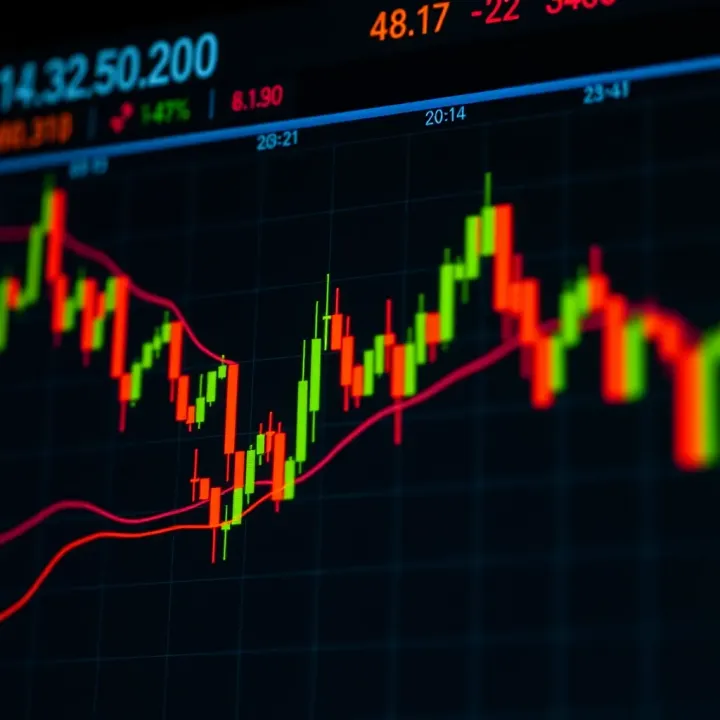
By learning to read both candlestick and chart patterns, you get a clearer window into market behaviour, helping you trade more confidently rather than relying on guesswork.
This foundational knowledge sets the stage for mastering more complex patterns and integrating them with other indicators for practical trading success.
Understanding common candlestick patterns helps traders grasp market sentiment quickly. These patterns provide insight into potential price movements and reversals, making them essential tools for anyone involved in technical analysis. Recognising these signals can improve timing for entries and exits in the Indian markets, where volatility often creates opportunities for sharp gains or losses.
A Doji forms when the opening and closing prices are nearly the same, resulting in a small or non-existent body. This pattern illustrates indecision in the market—buyers and sellers are evenly matched. On daily charts of the Nifty 50, a Doji appearing at the top of an uptrend often warns of a possible slowdown or reversal. However, a Doji alone isn’t conclusive; it’s best combined with other indicators or volume analysis for actionable decisions.
Both patterns feature a small real body and a long lower shadow, but their placement matters. A Hammer occurs after a downtrend and signals potential bullish reversal, suggesting buyers pushed prices back up after initial selling pressure. For example, in banking stocks like HDFC Bank, a Hammer after a decline can hint at a fresh rally. Conversely, a Hanging Man appears after an uptrend, warning of a possible bearish reversal as sellers tested the price floor but buyers only managed a small recovery. Traders need to confirm these patterns with volume spikes or subsequent price action.
This pattern has a small real body near the session’s low and a long upper shadow. It appears after an uptrend, indicating that buyers drove prices up initially, but sellers stepped in powerfully to push them down. In the Indian context, a Shooting Star on FMCG stocks like Hindustan Unilever during an upmove might warn that profit-booking is underway. Confirmation from the next candle closing lower strengthens the signal.
An Engulfing Pattern involves two candles where the second candle’s body fully engulfs the first one. A Bullish Engulfing appears after a downtrend, signalling a shift towards buying pressure. For example, Reliance Industries showing this pattern on a daily chart may point to a rebound. In contrast, a Bearish Engulfing following an uptrend suggests sellers gaining control, indicating a possible drop.
These three-candle patterns mark strong reversal signals. The Morning Star occurs at the bottom of a downtrend: a long bearish candle, followed by a small-bodied candle signalling indecision, and then a bullish candle breaking higher. This pattern can be a reliable signal in volatile stocks like Tata Motors after sharp declines. The Evening Star is its bearish counterpart, appearing after an uptrend and warning of a reversal downwards.
The Three White Soldiers pattern consists of three consecutive long bullish candles, each closing higher, reflecting sustained buying. This often indicates strong bullish sentiment, for example in IT stocks like Infosys after a consolidation phase. Conversely, the Three Black Crows pattern signals a strong bearish reversal with three consecutive long bearish candles. It’s a red flag for traders holding long positions during such phases.
Mastering these common candlestick patterns sharpens your ability to read market mood shifts, enabling better trading decisions. But remember, no pattern works in isolation; combine them with volume, support-resistance zones, and broader trend analysis to improve accuracy.
This understanding of candlestick signs works well for intraday trading or positional trading in India’s busy stock markets, especially where rapid shifts create both risk and opportunity.
Chart patterns offer traders a visual summary of price movements and market psychology. They provide clues about the likely direction of the market, helping you decide whether to stay put or make a move. Their practical relevance lies in signalling potential trend continuation or reversals, which is essential for timing entries and exits.
Flags and Pennants are short-term continuation patterns where the price consolidates briefly before moving in the original trend’s direction. Imagine a rocket pausing mid-air before zooming further up—that’s what these patterns reflect. Flags are rectangular sideways channels, while pennants form small symmetrical triangles. Both indicate a temporary breather after a strong price move. For example, in Indian stocks like Reliance Industries, flags might appear after a big upward rally during earnings season, suggesting another leg of the rally is coming. Recognising these helps traders avoid premature exits.
Triangles (Ascending, Descending, Symmetrical) suggest ongoing battles between buyers and sellers, eventually leading to a breakout. In an ascending triangle, the price repeatedly tests a resistance level but forms higher lows, signalling bullish pressure. The descending triangle is the opposite, showing lower highs and stable support, often warning of bearish moves. Symmetrical triangles indicate indecision, eventually breaking out in either direction. For instance, Infosys has shown symmetrical triangles before major price moves. Knowing the type of triangle can help anticipate the breakout side, making these patterns valuable for Indian market traders.
Head and Shoulders is one of the most reliable reversal signals. It features three peaks: a higher middle peak (head) flanked by two lower shoulders. This pattern shows exhaustion of the current trend and hints at a shift in direction. A classic case was the head and shoulders pattern seen in Tata Motors shares in 2023 before a significant downward correction. Traders often confirm the reversal by the price breaking the “neckline”—a support level connecting the two shoulders. Similarly, the inverse head and shoulders signals a bullish reversal after a downtrend.
Double Top and Double Bottom indicate a strong reversal, too. A double top forms when the price hits a resistance level twice and fails to climb higher, suggesting a downward trend is about to begin. Conversely, a double bottom forms after two lows near the same level, implying sellers are losing steam and buyers might take charge. These patterns often appear around key levels, like Nifty’s support or resistance zones, providing clear entry signals when confirmed by volume.
Cup and Handle resembles a tea cup and is a bullish continuation pattern. It starts with a rounded bottom (the cup), showing a period of consolidation or correction, then a small pullback (the handle). Once price breaks above the handle’s resistance, it often signals a fresh upward move. This pattern appeared in HDFC Bank shares before it hit new highs, making it a practical pattern for retail investors. The cup itself reflects market hesitation, but the handle’s breakout confirms renewed buying interest.
Understanding these popular chart patterns helps you read the market's mood and plan trades effectively. Combining them with volume and support-resistance analysis can improve your decision-making.
By focusing on these patterns, Indian traders can improve their timing and confidence while navigating volatile markets.
PDFs serve as handy tools for traders learning about candlestick and chart patterns. They pack useful information and visuals into a portable format, making them an excellent resource for quick revision or offline study. Unlike web pages that may require continuous internet access, PDFs can be stored on your phone or laptop and accessed anytime, which proves especially helpful during travel or network outages.
Visual aids for pattern recognition are crucial for understanding chart formations effectively. PDFs often include clear, high-quality illustrations of candlestick shapes and chart patterns, helping you quickly identify these in real-world trading charts. Imagine trying to spot a "Morning Star" or "Head and Shoulders" pattern without a visual reference — it can be like looking for a needle in a haystack. PDFs simplify this by showing variations and typical examples side by side.
Portability and offline access let you learn on your own schedule without worrying about internet connectivity. Indian traders, especially those in tier-2 and tier-3 cities where internet speed can fluctuate, benefit from downloadable PDFs they can read during commutes or breaks. These files also avoid distractions common to websites, such as pop-ups or ads, letting you focus purely on learning.
SEBI and NSE official resources provide authentic, regulation-backed material on market patterns and analysis. PDFs from these institutions are trustworthy, updated to reflect the latest market rules, and usually free of cost. For instance, the NSE website occasionally offers educational PDFs explaining technical indicators and analysis methods relevant to Indian markets.
Reputed trading education platforms like Zerodha Varsity, Elearnmarkets, and Investopedia India also offer well-structured PDFs that cater to beginners and intermediate traders. These platforms often break down complex patterns into digestible segments with practical examples, increasing usability. Plus, their course material tends to align with Indian trading realities, like stock market timings and commonly traded stocks.
Regular revision is key to mastering chart patterns since recognising them becomes second nature only after repeated exposure. Set aside time daily or weekly to skim through your PDFs. This ongoing refresh helps to solidify your understanding and speeds up decision-making while analysing live charts.
Practice by analysing real charts alongside your PDF guides. Open a trading platform like Upstox or Zerodha Kite, pull up historical charts of popular Indian stocks like Reliance or TCS, and try spotting the patterns you studied. This hands-on approach reinforces what you learn and reduces mistakes during actual trading.
To sum up, using PDFs as learning aids combines convenience, clarity, and credibility. They complement your chart analysis journey by providing an accessible, structured, and reliable knowledge base tailored to the nuances of Indian financial markets.
Applying candlestick and chart patterns successfully requires more than just spotting formations. To make informed trading decisions, you need to combine these patterns with additional tools, understand the broader market context, and manage risk effectively. These practical tips will boost your confidence and accuracy when reading charts.
Volume analysis plays a key role in confirming candlestick and chart patterns. For example, when a bullish engulfing pattern appears on a stock chart, rising volume strengthens the likelihood of a genuine reversal. Conversely, if volume remains low, the pattern might be less reliable. Volume helps reveal the intensity behind price moves and indicates whether big traders are involved or if the move is just noise. Consider analysing volume spikes around patterns to avoid false signals.
Moving averages smooth out price fluctuations and help identify trend direction. Combining patterns with moving averages, such as the 50-day or 200-day simple moving averages (SMA), adds a layer of confirmation. Suppose a pennant breakout occurs above the 200-day SMA with a bullish candlestick pattern; this convergence suggests stronger upside potential. Moving averages also act as dynamic support or resistance, so candles bouncing off these lines can signal continuation or reversal.
Trend identification is crucial before relying solely on patterns. Patterns work better when aligned with the prevailing trend. For instance, a hammer pattern in an uptrend often signals continuation, whereas the same pattern in a sideways market may not hold much weight. Use trendlines or higher timeframe charts to confirm whether the market is bullish, bearish, or sideways. This context helps filter out misleading signals.
Support and resistance levels are price zones where buyers or sellers typically step in. Patterns forming near these levels gain more significance. For example, a double bottom pattern near a historic support level could be a strong buy indicator. Similarly, a shooting star candle near resistance might warn of a pullback. Knowing these levels improves the timing and reliability of your trades.
Setting stop-loss orders protects your capital if the market moves against your trade. When trading a head and shoulders pattern, place a stop-loss just above the right shoulder in a bearish setup. This limits losses if the pattern fails. Without stop-losses, a simple pattern mistake could lead to hefty losses, especially in volatile Indian markets.
Position sizing means deciding how much capital to risk on a single trade. Even if your pattern analysis is solid, no setup guarantees success every time. Many traders risk 1-2% of their trading capital per trade to avoid major setbacks. For instance, if your total capital is ₹5 lakh, risking ₹5,000 to ₹10,000 per trade helps survive strings of losses and stay in the game long term.
Practical application of candlestick and chart patterns demands a blend of confirming tools, situational awareness, and strong risk controls. This approach helps you trade smarter and safeguard your money effectively.
📈 Learn to spot key market chart patterns easily! Enhance your trading decisions with practical tips on identifying and using these essential patterns.

📈 Learn how to read candlestick patterns to spot market trends and make smarter trades in stocks, forex, and commodities. Boost your trading strategy today!

📈 Master Nifty chart patterns for smarter trading! Learn to spot trends, forecast price moves, and boost your strategy in India's market. 💹
📊 Learn to spot option chart patterns for better trading decisions with our practical guide. Access PDFs and tips to identify risks & opportunities in options.
Based on 7 reviews