
Top Candlestick Patterns for Trading Success
📈 Discover the most reliable candlestick patterns to boost your trading success in Indian markets. Learn to spot key signals and improve your strategy effectively!
Edited By
William Foster
Trading markets are like living organisms — they move, breathe, and change direction with a rhythm all their own. To navigate this wild environment, traders rely on tools that help make sense of price actions. Among the most trusted of these tools are candlestick and chart patterns. These patterns act like signposts, pointing out where prices might go next.
Candlestick patterns focus on the story told by one or a few bars on a chart. They reveal the tug-of-war between buyers and sellers in a very visual way. Chart patterns, on the other hand, often look at the bigger picture — how these candles form larger shapes over time that can indicate trend shifts or continuations.

This article digs into the patterns that have stood the test of time and are widely regarded as the most powerful in predicting market moves. Whether you trade stocks, commodities, forex, or the Indian markets specifically, learning these patterns can give you an edge. They help pinpoint smart entry and exit points, manage risk, and understand market sentiment.
Remember, patterns are guides, not gospel. Market conditions and volume matter just as much as the shape of the candlestick or chart formation itself.
We'll cover essential single and multiple candlestick formations, like Doji, Hammer, and Engulfing patterns, and broader chart patterns such as Head and Shoulders, Triangles, and Flags. Through clear examples and practical insights, this guide is designed to up your technical analysis skills, making you more confident in your trading decisions.
When it comes to trading in Indian and global markets, spotting potential price moves early is like having a secret weapon. That's exactly where candlestick and chart patterns come into play—they help decode what the market is likely to do next based on price action showing up on charts. Without these tools, you'd basically be throwing darts blindfolded.
In this section, we'll break down what these patterns are and why every trader should take them seriously. They aren’t just fancy shapes on charts; they represent the tug-of-war between buyers and sellers and uncover shifts in sentiment before they become obvious. Getting comfortable with these basics aids in timing entries and exits better, reducing guesswork.
Think of a candlestick as a little story about price movement during a single time interval—this could be a minute, hour, day, or longer. The main parts are:
Body: Shows the difference between opening and closing prices. If the close is higher than open, the body is often white or green (bullish); if lower, it’s black or red (bearish).
Wicks (or shadows): The lines sticking out above and below the body mark the highest and lowest prices reached during the interval.
This simple setup packs loads of info. For example, a long body suggests strong buying or selling momentum, while long wicks hint at rejection of price levels. Traders use these details to guess if bulls or bears are running the show.
Each price point tells a unique part of the story. The open price sets the tone—did buyers jump in at the start or were sellers dominating? The close price is crucial because it reflects where traders settled at the interval’s end; a close above open signals strength.
High and low prices shed light on the extremes. They illustrate market volatility during that period and where price reversed. Spotting familiar price action, like the price trying but failing to push higher (a long upper wick close near the body), can mean resistance.
Together, these points give traders a full snapshot, essential for spotting entry points or warning signs of reversals. For instance, imagine a stock opening at ₹500, touching ₹540 during the day, but closing at ₹505—this signals some hesitation from buyers despite a spike, which could hint at an upcoming pullback.
Chart patterns aren’t just lines scribbled on graphs—they represent collective trader behaviors and emotions. Patterns like double tops or triangles show where buying or selling pressure builds, breaks, or falters.
For instance, a head and shoulders pattern typically marks exhaustion among buyers, as sellers gain control, signaling a possible downward turn. Behind the scenes, this pattern reflects shifting confidence or fear among market participants, which can lead to trend changes.
Understanding this connection helps traders anticipate moves not just from numbers but from human behavior hidden behind those numbers.
It’s easy to lump these together, but there’s a subtle difference:
Candlestick patterns focus on a few candles (sometimes just one), interpreting price action within very short time frames. They show quick shifts in momentum — like the hammer or doji that indicate immediate hesitation or reversal signals.
Chart patterns look at the bigger picture over many bars and include things like triangles, flags, or double tops. These help identify longer-term trends or consolidation phases.
Think of candlesticks as instant snapshots capturing short-term sentiment, while chart patterns resemble broader news stories that tell you what the trend is doing across days or weeks. Both work hand-in-hand but serve different roles in a trader’s toolkit.
Mastering both candlestick and chart patterns gives traders a layered understanding of markets—from quick, micro shifts to bigger trend changes—making their trading sharper and more informed.
This introduction sets the stage for deeper dives into the most powerful patterns weeds out chaos and helps you focus on what truly signals a good trading opportunity.
Single candlestick patterns may seem simple on the surface, but they carry a ton of information about market sentiment. In the hustle of trading, spotting these patterns quickly can give you an edge, especially when combining them with other indicators. These patterns don't require multiple candles to tell a story—they hold clues all by themselves.
Understanding these can help traders identify potential reversals or continuation points without waiting for a bigger formation to develop. For example, a Hammer appearing after a downtrend might prompt a savvy trader to consider a close watch or a cautious entry, anticipating a bounce.
Both the Hammer and Hanging Man share a similar shape: a small real body at the upper end of the price range and a long lower shadow, often two or three times the body length. The key difference lies in the context where they appear. A Hammer shows up after a downtrend, signaling that sellers pushed the price significantly lower but buyers fought back to close near the high. A Hanging Man, on the other hand, appears after an uptrend and warns that sellers are starting to test strength despite buying pressure.
Think of the Hammer like a bruised but standing boxer after a tough round—still ready to fight back. The Hanging Man is more like a tired champion who’s losing steam; a warning bell.
In practice, the Hammer is a bullish signal suggesting that a downtrend might be nearing its end. But confirmation is key—traders often wait for the next candle to close higher before jumping in.
Conversely, the Hanging Man is bearish by nature. It lets you know the bulls could be weakening even though they managed to keep the price from falling too far in that session. Again, a follow-up candle closing lower adds weight to the sell signal.
Always consider volume alongside these patterns: a Hammer with strong volume may indicate a genuine reversal, while a Hanging Man with heavy volume could point to an exhausting uptrend.
A Doji candle represents indecision in the market, where open and close prices are virtually the same. But not all Doji are created equal. The standard Doji looks like a cross or plus sign, reflecting complete balance between bulls and bears during the session.
The Dragonfly Doji has a long lower shadow with the open and close near the high, telling you sellers dominated early but bulls reclaimed control by the close. Conversely, the Gravestone Doji sports a long upper shadow, with open and close at the low end, indicating buyers struggled to push prices higher.
These subtle differences provide clues about where the pendulum may swing next.
Doji candles suggest hesitation, and that can be a red flag in a trending market. The important step for traders is to look at what follows the Doji—does it break out in the same direction or reverse?
For example, spotting a Dragonfly Doji after a sharp decline might hint that sellers are running out of steam, nudging you to watch for a bounce. But if a Doji forms during sideways action without volume support, it might just be noise.
Volume spikes alongside Doji formations often signal real indecision, making it prudent to tighten stops or prepare for a breakout.
The Spinning Top has a small real body centered between long upper and lower shadows. It screams "confusion" — neither buyers nor sellers are in command. You often find spinning tops during periods when the market pauses to catch its breath or when buyers and sellers are weighing each other’s strength.
Seen after a sustained upward or downward move, spinning tops hint at potential reversals. They don’t guarantee change on their own, but they’re like yellow caution lights telling traders not to get too comfy with the current trend.
Volume is the secret sauce when analyzing spinning tops. A spinning top accompanied by low volume might just be a momentary lull in an ongoing trend. But if you catch this pattern with unusually high volume, it suggests serious indecision — both sides are battling aggressively, and price can break either way.
For example, if you see a spinning top with a surge of volume after a price rally, it’s a hint bulls might be tiring, and sharp moves down could follow.
Remember: No single candlestick pattern says it all. Use hammer, doji, and spinning top signals as pieces in your puzzle. Check the overall trend, volume, and where these candles appear before pulling the trigger on any trade.
Multiple candlestick patterns hold a special place in trading because they provide deeper insights than single candlesticks. While one candle may hint at a change, a series of candles together paints a clearer picture of market sentiment and potential price direction. These patterns are crucial when spotting trend reversals or confirming existing trends, helping traders make more confident decisions.
Take the Engulfing Patterns, for example. Seeing one big candle completely swallow the previous one signals a strong shift in momentum which can mark turning points in the market. Patterns like these don't just appear randomly; they reflect changing emotions among buyers and sellers, giving traders a valuable edge.
Recognizing important multiple candlestick patterns improves timing for entries and exits. They act as a kind of stoplight: signaling when you might want to halt current positions or get ready to jump in. This can be especially helpful in fast-moving markets such as those in India’s NSE or BSE, where small delays can mean missed opportunities.
A bullish engulfing pattern happens when a small red (bearish) candlestick is followed by a larger green (bullish) one that completely covers or "engulfs" the first candle's body. This pattern suggests that buyers have taken control after a period of selling pressure, often indicating the start of an uptrend.
Imagine a stock like Tata Motors trading down for days, but then you see a green candle that swallows up the previous red candle completely. This signals momentum shift and could mean the stock is ready to climb. Traders often wait for confirmation by watching if the next candles continue upwards or combine this pattern with volume increase, which confirms stronger buying interest.
On the flip side, a bearish engulfing pattern pops up when a small green candle is followed by a larger red candle that completely covers the previous one. This indicates sellers overwhelmed buyers, often signaling a downtrend about to begin.
Suppose Reliance Industries showed consistent gains, but suddenly you spot this pattern. It serves as a warning that the bulls might be losing grip, and prices could drop. It’s wise to watch these closely in conjunction with other signals, like RSI moving into overbought territory.
Engulfing patterns are straightforward yet powerful tools. They provide early warnings about sentiment shifts, helping traders adjust strategies promptly.
The Morning Star and Evening Star patterns each consist of three candles. The Morning Star shows up after a downtrend and indicates a potential bullish reversal, while the Evening Star forms after an uptrend, hinting at a bearish reversal.
The classic Morning Star pattern begins with a long red candle, followed by a small-bodied candle that gaps down, showing indecision. The third candle is a strong green candle closing well into the first candle’s body, signaling buyers returning. Conversely, the Evening Star starts with a strong green candle, next a small uncertain candle, then a red candle closing deeply into the first candle’s body.
This sequence reveals a gradual transfer of power from bears to bulls (or vice versa), which is much more convincing than a single candle signal.
Because they require three candles, these patterns confirm that the market isn't just pausing but actually turning. For example, in the Indian market context, spotting a Morning Star in Nifty 50 futures after a steady decline could help traders exit shorts and enter long positions early.
Morning and Evening Stars have stood the test of time for their reliability. They help reduce false signals by combining momentum and market hesitation cues.
Three White Soldiers describe three consecutive long green candles with small wicks that close progressively higher. This pattern signals strong buying pressure and a likely continuation or start of a bullish trend. On the other hand, Three Black Crows consist of three consecutive long red candles closing lower each day, indicating persistent selling and a potential bearish trend.
For instance, if Infosys shows three white soldiers after a consolidation phase, it suggests buyers are gaining confidence. Conversely, the same pattern inverted, with three black crows appearing on the stock chart of a company like Coal India, warns traders of mounting bearish control.
While these patterns look persuasive, they shouldn't be taken at face value. Confirmation matters: traders often look for higher volume during these candles or support from other indicators like MACD crossover or RSI trends.
In some cases, a gap or too long wicks might invalidate the strength of these patterns. So, it’s not just about spotting them but also validating conditions around them before deciding on trades.
These multiple candlestick patterns provide strong clues about what’s cooking in the market, but always remember—context and confirmation are key for making them work effectively.
Understanding these multiple candlestick patterns enriches a trader's toolkit. They go beyond surface-level candlestick readings to reveal clearer patterns of market sentiment shifts. Especially in volatile markets, having this knowledge can make all the difference between jumping on trends too early or missing them entirely.
Looking beyond single and multiple candlestick patterns, traders often rely on larger chart patterns that form over days or weeks. These patterns provide a broader view of market sentiment and can signal upcoming shifts in price trends more decisively. Understanding popular chart patterns is key because they help confirm what candlesticks alone might only hint at, offering a better chance to time entries and exits effectively.
These chart formations, such as the head and shoulders or double tops and bottoms, reflect collective trader behaviors like accumulation or distribution phases. Take the example of the Nifty 50 during the mid-2020 rally — the formation of a symmetrical triangle gave traders clues about potential continuation, which played out with steady volume increases.
Traders should remember that these patterns are more reliable when combined with volume analysis and other indicators, rather than viewed in isolation. In markets that move quickly, waiting for the pattern to fully form before acting can help reduce getting caught in false breakouts. Now, let's look at some specific chart patterns that frequently signal important market movements.
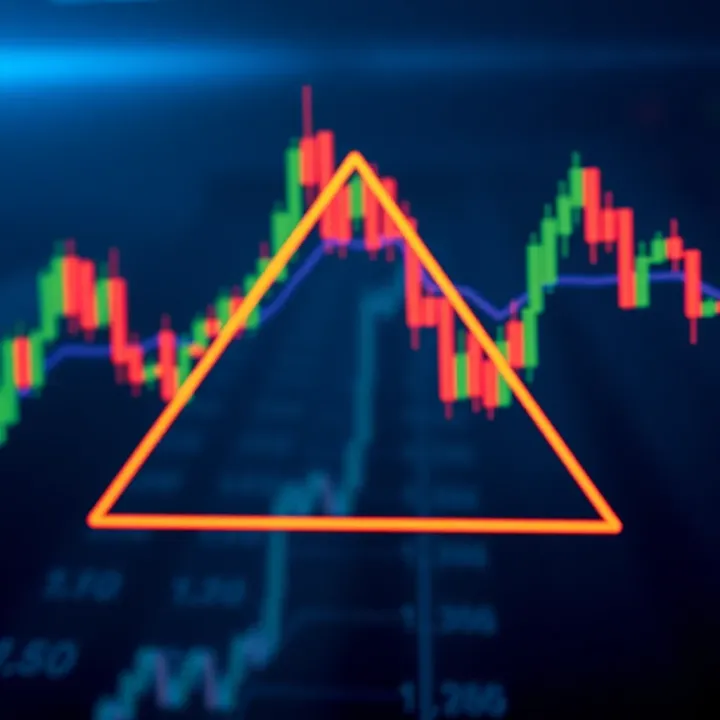
The head and shoulders setup consists of three peaks: a higher peak in the middle (the head) flanked by two lower peaks (the shoulders). The "normal" pattern usually signals an impending bearish reversal after an uptrend, while the "inverse" pattern—essentially the upside down—signals a bullish reversal after a downtrend.
Picture the case of Infosys stock in early 2022 when an inverse head and shoulders pattern hinted at a rebound that attracted buyers looking for a trend change. Its clear formation helped spot that buying opportunity early. Key points to watch here are the symmetry of the shoulders and the neckline, which acts as support or resistance depending on overall market direction.
This pattern is highly prized for spotting trend reversals: the break of the neckline confirms the shift in momentum. Traders often expect a price move roughly equal to the distance between the head’s peak and neckline after the breakout takes place.
But be cautious; incomplete or poorly formed head and shoulders setups may produce false signals. Confirmation with rising volume during the breakout helps validate the signal's strength. As a rule, this pattern can save you from holding on to a fading trend too long by signaling when the tide is about to turn.
Double tops and bottoms are straightforward but powerful patterns. A double top forms after an uptrend when price hits a resistance level twice and fails to break through, suggesting selling pressure. Conversely, a double bottom forms after a downtrend when price bounces off the same support level twice, indicating buying interest.
For instance, Tata Motors showed a double bottom formation towards late 2023, where price tested ₹500 twice before rallying. Traders watching these levels closely can use them as key entry points or signs to tighten stops.
After price breaks out from the neckline or the intermediate support/resistance line, the expected movement often equals the height of the pattern (the distance between the peak and the neckline). This gives traders a practical way to set profit targets and calibrate risk.
Keep in mind, this target is an estimate, and traders should look for confirmation signals such as volume spikes to know when the target is realistically achievable.
Triangles and flags signal market pauses, where traders catch their breath before pushing prices in the same direction as the prior trend. Triangles, such as symmetrical, ascending, and descending types, form as price consolidates between converging trendlines.
Flags, meanwhile, look like small rectangles or parallelograms slanting opposite to the trend, often forming after a sharp price move. They typically indicate the market is ready to continue its previous march. Reliance Industries, for example, formed an ascending triangle in 2021, leading to a strong upward breakout.
Timing breakouts from these patterns is critical. Watch for increasing volume as price nears the triangle’s apex or flag’s boundary; this volume surge often confirms a genuine breakout. Trading based on low volume breakouts usually leads to false signals and whipsaws.
It's wise to place stop losses just outside the opposite side of the pattern to manage risk, given breakouts can occasionally reverse if volume stays low. Patience during this phase pays off, allowing traders to enter positions with confidence when the momentum aligns.
Chart patterns beyond candlesticks give traders a broader snapshot of market psychology, helping to anticipate major price moves with greater clarity. Learning these patterns not only complements candlestick analysis but also improves overall trading precision.
Using candlestick and chart patterns effectively means more than just recognizing their shapes on a screen. It's all about turning those patterns into actionable trade moves that can improve your chances in the market. These patterns don't work in isolation — you need to blend them with other tools and smart risk strategies to really get the edge.
Take the example of spotting a bullish engulfing pattern, which suggests a potential upward reversal. Just jumping in blindly isn’t wise; you’d want to cross-check it with indicators or confirm the overall trend before making a move. This layered approach helps avoid noise and reduces costly mistakes.
When you pair candlestick or chart patterns with technical indicators like RSI and MACD, it’s like adding extra eyes on the market’s mood shifts. The RSI (Relative Strength Index) tells you about potential overbought or oversold conditions, which can confirm if a pattern points towards a genuine breakout or reversal.
Similarly, MACD (Moving Average Convergence Divergence) can confirm momentum shifts. For instance, if a hammer candlestick forms and the MACD line crosses above its signal line, the odds favor a bullish move. This double confirmation pushes your confidence higher before entering a trade.
Indicators help filter out weak signals and give better timing cues, making them an essential buddy for pattern-based trading.
On the flip side, relying on patterns alone often leads to false signals—traps where a pattern seems perfect but fails to deliver. False signals can come from low volume or lack of confirmation across multiple timeframes. For example, a morning star pattern may look promising on a daily chart, but if the RSI is stuck in a bearish zone, caution is warranted.
To dodge these pitfalls, always seek confirmation from at least one indicator and watch volume closely. No pattern shines alone — it’s the context that counts.
Patterns don’t just guide entries; they’re essential for setting stop losses. Let’s say a trader spots a bearish engulfing pattern signaling a potential drop. A smart stop loss might be just above the high of that pattern, keeping risk limited if the market moves against you. This method ties your risk directly to the pattern’s structure.
Position sizing also plays a vital role. Depending on the size of your stop loss and your overall risk tolerance, you calculate how many shares or lots to trade. For instance, if you’re comfortable risking 1% of your capital on a trade and your stop loss distance is greater, you reduce position size accordingly. This keeps your portfolio safe even when patterns don’t play out.
Proper risk controls combined with pattern recognition avoid the classic trap of blowing up accounts chasing every signal.
The takeaway here is straightforward: patterns are powerful tools only when you mold them into a practical trading framework. That means blending patterns with indicators, and managing risk through stops and careful sizing. It’s not just about spotting a pattern on the chart – it’s about making smart, calculated decisions that protect your capital and grow your trading skills over time.
Understanding the limitations of candlestick and chart patterns is just as important as knowing how to spot them. Traders, especially beginners, often rely too heavily on these visual patterns without considering the bigger picture. This section sheds light on common pitfalls and why it’s wise to balance pattern analysis with other tools and context.
Relying solely on candlestick and chart patterns can lead to misplaced confidence. Patterns are not foolproof indicators; they are just one piece of the puzzle. The broader market context—including overall trend, economic news, and sector health—plays a crucial role in confirming or negating pattern signals. For example, a bullish engulfing may signal a reversal, but if it's happening during a strong, fundamental bear market, chances are the rally won’t hold.
Knowing exactly when patterns fail helps save from costly mistakes. Patterns can fail due to unexpected news events, low liquidity, or fakeouts caused by market manipulation. An instance is the infamous "false breakout," where price temporarily moves beyond support or resistance, luring traders in, before reversing sharply. This is why combining patterns with other confirmations like volume spikes or momentum indicators can improve reliability.
Misreading candle formations is a frequent blunder, even for experienced traders. It’s easy to mistake a hammer for a hanging man because they share similar shapes but have opposite meanings depending on their position in a trend. A hammer appearing after a downtrend suggests potential bullish reversal, whereas the same shape after an uptrend (hanging man) may warn of a bearish turn. Context and position matters.
Ignoring volume and timeframe nuances further muddles interpretation. Volume acts like the voice behind the pattern, validating moves or exposing weakness. For example, a spinning top after a strong uptrend lacking sufficient volume might signal indecision, not reversal. Similarly, patterns on different timeframes can tell different stories. A bullish engulfing on a 5-minute chart might mean little if the daily chart remains bearish. Aligning multiple timeframes and noting volume dynamics sharpens entry and exit decisions.
Always remember, patterns offer guidance, not guarantees. Smart traders treat them as tools among tools, balancing intuition with evidence.
Cross-check patterns with trend and fundamental news
Use volume and momentum indicators for validation
Confirm signals across multiple timeframes
Keep a trading journal to track pattern success and failures
By staying alert to these limitations and errors, traders can refine their approach and avoid costly missteps in the volatile markets they navigate daily.
Wrapping up, understanding candlestick and chart patterns equips traders to make better-informed decisions in the volatile market. It's not just about spotting a cool-looking pattern but interpreting the market's mood and momentum correctly. Taking what you've learned here and applying it with care can significantly improve your ability to anticipate price movements and manage risk.
As you move forward, it's key to keep refining your skills with consistent practice and learning, and to use reliable resources that deepen your insight. Successful trading isn’t a one-shot deal; it’s a process of continuous improvement and adaptation.
Backtesting patterns is like a trial run that lets you see how well a particular pattern would have performed in the past. This helps in figuring out if it's actually reliable or just noise. For instance, if you’ve noticed a bullish engulfing pattern that often precedes a price increase in a particular stock like Tata Motors, you’d test it over different time frames and market conditions to confirm its strength.
By doing this, you reduce guesswork and build confidence in your trading strategy. Keep in mind that backtesting needs accurate historical data and realistic assumptions about trade execution, so don’t take it lightly.
On the other hand, keeping a trading journal is your personal logbook where you jot down every trade, the reasoning behind it, and the outcome. It might sound tedious, but this habit shines a light on what works and what doesn’t.
For example, if you notice that trades based on the morning star pattern in the Nifty 50 index often yield profits, but trades on doji patterns don’t, you can adjust your approach accordingly. Recording emotions and thoughts during trades also offers valuable insights—you might find that you exit early out of fear or hold too long hoping for a reversal.
For anyone serious about stepping up their game, recommended books and courses provide structured learning and deeper understanding. Classics like "Japanese Candlestick Charting Techniques" by Steve Nison remain go-to references for many traders. Besides books, online courses from platforms like Zerodha Varsity or Coursera offer practical lessons tailored to different skill levels.
Don’t overlook courses focusing on Indian markets since nuances like trading hours, volume patterns, and market behavior differ from global exchanges.
Lastly, online tools and platforms can transform how you apply what you learn. Software such as TradingView provides excellent charting tools, customizable indicators, and access to a large community. This lets you practice pattern recognition with live data.
Platforms like Upstox and Angel Broking also offer user-friendly interfaces with integrated pattern scanning features, which save time and improve accuracy.
Remember, tools are only as good as the trader using them. Combine these resources with your evolving knowledge and disciplined mindset for the best results.
In summary, take the knowledge of candlestick and chart patterns as your foundational skill, then build upon it through practice, review, and smart use of resources. This approach keeps you sharp and better prepared to navigate markets whether in Mumbai or New York.
📈 Discover the most reliable candlestick patterns to boost your trading success in Indian markets. Learn to spot key signals and improve your strategy effectively!
📈 Discover the most successful chart patterns in trading, learn their key features, and see how traders use them to predict market moves and boost strategies.
📈 Learn how to read candlestick patterns to spot market trends and make smarter trades in stocks, forex, and commodities. Boost your trading strategy today!
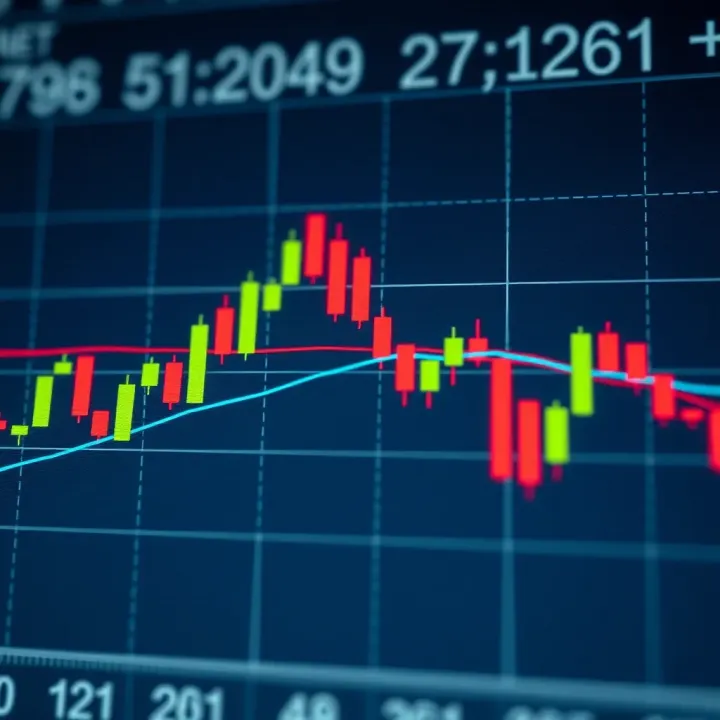
📈 Learn to spot the most reliable candlestick patterns in trading to identify market trends and reversals. Get practical tips for smarter trades today!
Based on 8 reviews