

Candlestick Patterns for Smarter Option Trading
📈 Learn how to spot key candlestick patterns to improve option trading decisions in the Indian stock market. Understand practical applications and manage risks effectively.
Edited By
Amelia Clark
Bullish single candlestick patterns are handy tools for traders aiming to spot potential price rises in stock markets. These patterns, represented by just one candlestick on a price chart, often signal a change in market sentiment from bearish to bullish.
Understanding these patterns can help you make smarter entry decisions and manage risks better. They form a quick visual cue indicating buying interest is growing, often before a more extended upward trend develops.
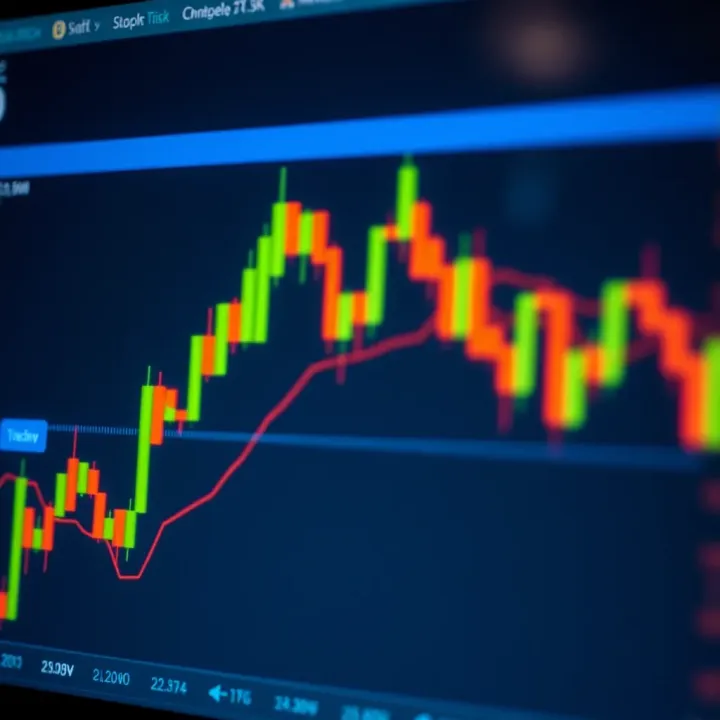
Common bullish single candlestick patterns include the Hammer, Inverted Hammer, Dragonfly Doji, and Marubozu. Each has unique characteristics shaped by the price movement within a single trading session. For example, a Hammer shows a small real body at the top with a long lower wick, reflecting rejection of lower prices.
Indian stock markets, like the NSE and BSE, exhibit these patterns often, especially in volatile sectors such as banking and IT. Traders here pay attention to these signals to time their trades during earnings season or ahead of policy announcements.
Recognising a bullish candlestick alone isn’t enough; it’s vital to consider the pattern in context—volume, trend strength, and support levels—to avoid false signals.
Practical use of these patterns involves combining them with other technical tools like moving averages or Relative Strength Index (RSI). This approach improves the reliability of bullish signals, guiding when to place buy orders or set stop-losses.
Remember, while bullish single candlestick patterns offer valuable insight, they come with limitations. They are less reliable in isolation and need confirmation from following price action or complementary indicators.
In this article, you will find detailed descriptions of major bullish single candlestick patterns, how to identify them on Indian stock charts, examples demonstrating their real-time relevance, and tips on integrating them effectively into your trading strategy.
Understanding the basics of single candlestick patterns is essential for anyone keen on reading stock charts effectively. These patterns serve as quick snapshots of market sentiment within a particular trading session, offering clear signals about potential price movements.
Candlestick charts originated in Japan centuries ago and remain popular due to their visual clarity. Each candlestick reflects four key price points for a given period: the opening price, closing price, highest price, and lowest price. The rectangle, or "body," shows the difference between the open and close, while the "wicks" or "shadows" indicate highs and lows. For example, if a stock opens at ₹500 and closes at ₹520 with a low at ₹490 and high at ₹530, the candlestick will visually summarise this range. Such charts help traders grasp price action at a glance.
Single candlestick patterns focus only on one candle's shape and size to indicate market behaviour, whereas multi-candlestick patterns analyse sequences to spot trends or reversals. Single patterns are valuable for identifying immediate shifts, like a sudden surge in buying interest shown by a hammer candle. On the other hand, multi-candle patterns like engulfing or morning star rely on the relationship between multiple candles to confirm changes in trend. Traders often use single patterns for quick entry or exit decisions, especially in volatile markets.
Bullish signals from single candlestick patterns highlight opportunities where buyers may gain control, suggesting rising prices ahead. Detecting these early helps traders enter positions before the broader market picks up on the move. For instance, a hammer shape formed after a downtrend signals possible buying support, making it a buying cue with defined risk. This is particularly useful in Indian markets, where sudden events or policy changes can swiftly change trends. A bullish single candlestick, therefore, can act as a timely alert to adjust trading strategies and exploit upward momentum.
Successful trading partly depends on reading these patterns correctly and combining them with other tools like volume or trend analysis for confirmation.
In summary, mastering single candlestick basics equips traders with a practical, concise method to spot shifts in market mood. This foundation is vital before exploring specific bullish patterns and their application in real trading scenarios.
Recognising key bullish single candlestick patterns helps traders spot potential price rises early. These patterns often signal a shift in market sentiment, offering practical clues to enter trades with an upward bias. Understanding their features not only sharpens your analysis but also aids in making informed decisions, especially in dynamic Indian markets.

The hammer is a classic bullish reversal pattern seen after a downtrend. It has a small body at the top and a long lower shadow, resembling a hammer's shape. This tells you sellers pushed prices down during the session, but buyers stepped in strongly to close near the opening price. Variants include the "long-legged" hammer with longer shadows on both top and bottom, indicating indecision but leaning bullish. For example, during the downturn in the IT sector last year, many stocks showed hammer candles at support levels signalling a bounce.
The inverted hammer looks like an upside-down hammer, with a small body near the session's low and a long upper shadow. It appears after a decline, suggesting buyers tried to push prices up but met resistance. Despite this, the buying pressure hints at possible reversal if confirmed by the next day's action. In the Indian banking sector, an inverted hammer on the daily chart sometimes preceded an upswing, especially near significant moving averages.
A marubozu is a solid bullish candle with no or very tiny shadows, meaning the price opened at the low and closed at the high of the session. This indicates strong control by buyers without any pullback, signalling robust upward momentum. Marubozu candles often appear at the start of rallies or during breakouts. For instance, when Reliance Industries announced positive quarterly results, several sessions showed marubozu candles as buyers dominated.
Spinning tops have small bodies with shadows on both ends, representing indecision between buyers and sellers. However, when found after a downtrend with a slight bullish close, they hint at weakening selling pressure. While not a strong bullish signal alone, they suggest a possible slowdown in the decline. Traders often watch for confirmation from following days before acting. Stocks like Infosys have shown spinning tops during consolidation phases before resuming upward moves.
Recognising these candlestick shapes along with their context — such as preceding trend and volume — provides meaningful insights into probable bullish reversals or continuations.
By learning the distinct features of these patterns, you improve your ability to anticipate price movements and manage your trades better in Indian stock markets.
Understanding how bullish single candlestick patterns fit into the bigger market picture is key to making smarter trading choices. These patterns give clues about possible price rises, but their strength depends a lot on where they appear and how other factors play out.
Volume shows how many shares have changed hands during a candlestick's formation. A bullish pattern combined with high volume suggests genuine buying interest, unlike low volume signals, which might be weak or misleading. For example, if the stock of Reliance Industries forms a hammer pattern with volume spiking above its 20-day average, it’s a stronger sign of a probable upward move. Price action matters too; the candlestick’s size and its relation to recent price swings indicate momentum. A long-bodied bullish candle closing near its high is more convincing than a small-bodied one with a long shadow.
Bullish candlesticks work best after a downtrend or at support levels. They hint at a shift in sentiment. If a hammer appears after a long fall in Infosys shares, it might mark early buying. Yet, if the market is already very bullish and overbought, a single bullish candle could just be a minor pause rather than a real trend reversal. External factors also matter—big economic news or RBI policy changes can override candlestick signals. Traders should always look at the broader market scenario before assuming a bullish pattern will play out.
Relying solely on a single candlestick can be risky. Complement these patterns with other tools like the Relative Strength Index (RSI), moving averages, or support-resistance levels. For instance, if a bullish marubozu candle forms near a 50-day moving average and the RSI is below 30 (indicating oversold conditions), the chance of a sustained uptrend improves. On the other hand, if the RSI is already above 70, the pattern may signal only a brief recovery. Combining candlestick patterns with other indicators allows for better-informed decisions and reduces false trading signals.
A bullish single candlestick itself is a hint, not a guarantee. It becomes a reliable signal when contextualised with volume, past trends, and technical indicators.
Mastering these interpretative skills can help traders spot genuine buying opportunities amid the noise, improving trade success in Indian markets like the NSE and BSE.
Using bullish single candlestick patterns in real trading scenarios helps traders identify potential price movements early, making timely decisions that can improve profit chances. These patterns serve as quick visual cues to turn positive market sentiment into actionable buy or sell choices. For example, spotting a Hammer after a downtrend might signal a smart entry point, suggesting that buyers are stepping in.
Entry points often come right after the appearance of bullish candlestick patterns like the Marubozu or Inverted Hammer, particularly when other indicators confirm strength. A trader might buy once the candle closes above resistance or after volume picks up on a bullish Hammer. Exits, meanwhile, should be guided by price targets or reversal signs. For instance, if a Spinning Top forms after an upmove, it might hint that momentum is weakening, so booking profits would be wise.
Consider how a trader in Bengaluru might use a Hammer pattern on Reliance Industries stock. After a few bearish sessions, this pattern appears with increased volume. Buying right after confirmation helped seize a rebound, with the trader exiting near the next resistance at ₹2,600. This approach balances seizing profit with controlling downside.
Reliance on single candlestick signals alone can lead to false moves. Successful traders set stop-loss levels below the low of the bullish candle to limit loss if the market flips unexpectedly. Position sizing also matters — allocating only a small portion of the portfolio to trades based on these patterns controls risk exposure.
Additionally, combining these patterns with trend analysis and momentum indicators enhances reliability. For example, entering on a bullish Marubozu only when the broader trend is up reduces chances of being caught in fake breakouts. This caution is crucial, especially in volatile markets like India’s where global cues can sway prices fast.
In Indian markets, patterns like the Inverted Hammer appeared on the Nifty 50 index during the market dip in March 2020. Traders who picked this up early and combined it with volume spikes managed to enter positions before the strong recovery began.
Another case was Infosys stock in the monsoon of 2023. After persistent selling pressure, a bullish Marubozu candle formed on higher-than-average volume, signalling solid buying interest. Traders following this signal with tight stops found gains within days as the stock rallied past ₹1,700.
Practical use of bullish single candlesticks is most effective when combined with careful entry-exit planning and strict risk management. Indian markets, with their unique volatility and reaction to global events, reward disciplined application rather than blind reliance on one pattern.
In summary, incorporating these patterns into a broader trading framework helps you spot opportunities, manage risks, and execute trades effectively for better outcomes in the Indian context.
Single candlestick patterns, while useful, come with their share of limitations that traders must keep in mind. They can provide quick visual clues about potential bullish momentum, but relying on them alone can be risky, especially in volatile markets like those seen in India. Understanding these challenges helps traders avoid false optimism and make better-informed decisions.
One major challenge is the occurrence of false signals caused by market noise. A single bullish candle, such as a hammer or a marubozu, may form due to short-term fluctuations rather than a genuine reversal or upward trend. For example, during the monsoon season, unexpected economic news might lead to sudden price spikes that look like bullish signals but fade quickly. This could mislead traders into entering positions prematurely.
Moreover, high-frequency trading and algorithmic activity often generate sharp price swings, making a single candlestick pattern less reliable. In the Indian stock market, mid-cap and small-cap stocks are particularly prone to such noise, which can distort the significance of individual candlestick patterns. Thus, false positives are common and can lead to losses if traders do not proceed cautiously.
Relying solely on single candlestick patterns without considering the bigger picture limits their effectiveness. These patterns must be analysed in the context of overall market trends, support and resistance levels, and volume. For instance, a hammer pattern forming near a strong support zone with higher-than-average volume offers a more reliable bullish signal than one appearing randomly in a sideways market.
Also, combining single candlestick patterns with other technical indicators like the Relative Strength Index (RSI), Moving Averages (MA), or MACD enhances confidence in trading decisions. A bullish candle supported by an RSI rising from oversold levels suggests stronger momentum and potential price rise.
Using single candlestick patterns alongside other tools and market context reduces the chances of false signals and improves your trading strategy.
By integrating fundamental news, market sentiment, and technical indicators, traders can weed out misleading signals and identify opportunities with higher probability. For example, during earnings season, even a bullish single candle needs confirmation from company performance and sector trends to be valid.
In summary, while single bullish candlestick patterns offer quick insights, recognizing their limitations and supplementing them with broader analysis helps traders navigate the Indian stock market more effectively and avoid costly mistakes.
📈 Learn how to spot key candlestick patterns to improve option trading decisions in the Indian stock market. Understand practical applications and manage risks effectively.

📈 Learn to spot the most reliable candlestick patterns in trading to identify market trends and reversals. Get practical tips for smarter trades today!
📈 Learn how to read candlestick patterns to spot market trends and make smarter trades in stocks, forex, and commodities. Boost your trading strategy today!

📈 Learn to spot bullish and bearish engulfing candlestick patterns that signal market reversals. Boost your trading strategy with practical chart analysis tips.
Based on 14 reviews