
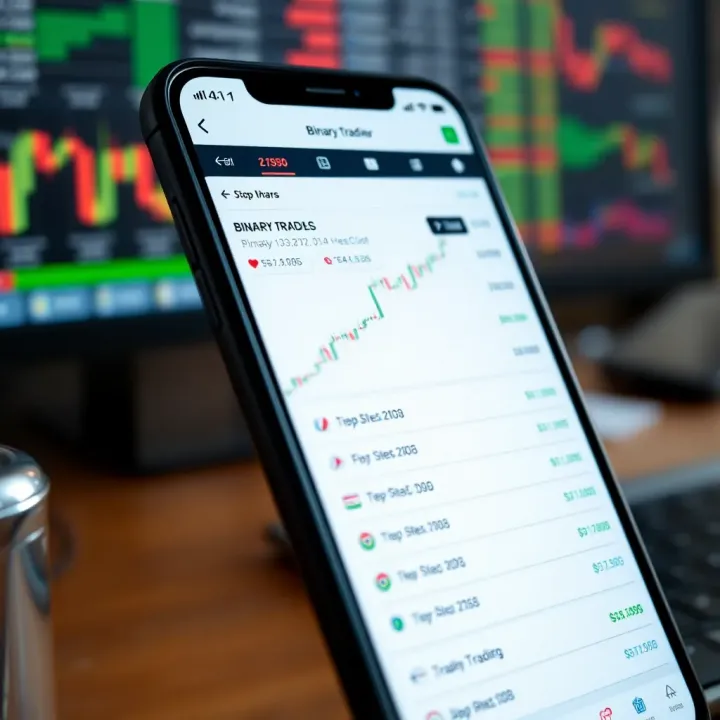
Legal Binary Trading Apps in India Explained
Explore the legal aspects of binary trading apps in India 📱⚖️ Learn regulations, spot risks, and discover how to trade safely with legit platforms.
Edited By
Emily Clarke
Binary trading drew attention in India as a quick way to profit by predicting price moves in assets like stocks, commodities, or currencies. The idea is straightforward: you guess if the asset's price will rise or fall within a fixed time, earning a predetermined payout if correct, or losing your stake if wrong.
Despite its simplicity, binary trading carries significant risks and remains a controversial topic in India. The Securities and Exchange Board of India (SEBI), which regulates securities markets, does not officially recognise binary options as a legitimate trading instrument. This regulatory gap has exposed many investors to fraud and unfair practices. Most platforms advertising binary trading to Indian users are offshore and unregulated by Indian authorities.

Many traders are attracted by promises of quick returns but overlook the high chance of losing their entire investment in a very short time.
Understanding the rules around binary trading is crucial since Indian law prohibits speculative gambling disguised as investment, and this often includes binary options. Traders should know that engaging with unauthorised platforms can expose them to scams involving rigged outcomes, sudden account freezes, or withdrawals blocked without valid reason.
A practical example: Unlike the regulated National Stock Exchange (NSE) or Bombay Stock Exchange (BSE), where option contracts are standard, binary options markets lack transparency and accountability. This makes binary trading very different from legal options trading available on NSE, where contracts have clear expiry, strike prices, and exchange oversight.
For investors interested in quick trading methods, it is safer to explore futures or options trading within SEBI-regulated exchanges or use derivative products offered by authorised brokers. These channels provide safeguards, dispute resolution mechanisms, and transparent pricing.
In summary, while binary trading might seem easy to understand and participate in, it is essential to be aware of its illegal status, the risks of scams, and practical alternatives back by India's regulatory framework.
Binary trading simplifies investment decisions by offering only two possible outcomes: either you win a fixed amount or lose your initial stake. This 'all-or-nothing' nature makes it attractive for those who prefer clear-cut risk and reward scenarios. However, it demands precise market predictions, as even slight misjudgements can lead to total loss.
In binary trading, the payoff depends entirely on whether the correct prediction is made about an asset's price movement within a specific time frame. For example, if you bet on a stock price rising and it does, you receive a predetermined profit, say 80% on your investment. If not, you lose the entire invested amount. This straightforward approach appeals to traders who want to avoid the complexities of partial gains or losses.
Binary options cover a range of assets including stocks of companies like Reliance Industries or Infosys, currency pairs such as USD/INR, commodities like gold or crude oil, and major indices like the Nifty 50. Traders can select assets they understand or follow closely, which helps in making informed decisions. The availability of diverse options allows flexibility to capitalise on different markets depending on global or domestic news.
The reward in binary trading is fixed and clearly known before placing a trade. For example, investing ₹1,000 might offer a return of ₹1,800 if the prediction is correct. At the same time, the maximum loss is the initial stake, making risk management simpler. However, the high risk of losing the entire investment means traders must be cautious and only commit amounts they can afford to lose.
To place a binary trade, you first pick an asset and then decide whether its price will go up or down within a chosen expiry period. For instance, if you expect the price of gold to rise in the next 15 minutes, you select the 'call' option. The trade amount is then set, which acts as your potential loss. Once executed, the trade remains active until expiry.
Expiry times can vary from as short as 30 seconds to several hours or days. Once the expiry time hits, the outcome is calculated based on the asset’s price. A correct prediction results in the agreed profit; if not, the invested amount is lost. This feature makes timing and market analysis critical since binary options depend heavily on short-term price movements.
Imagine you place a ₹2,000 trade expecting the USD/INR rate to rise in the next hour with an 85% payout. If the rate indeed rises at expiry, you receive ₹3,700 (₹2,000 stake + ₹1,700 profit). But if it falls, you lose your ₹2,000. Another scenario: if you bet on the Nifty 50 falling during a volatile market session and your prediction is right, you gain the fixed payout despite the market’s unpredictable swings.
Binary trading demands strong market observation skills and careful selection of assets and expiry times to improve chances of success.
Understanding the legal framework around binary trading in India is key to navigating this market safely. Traders and investors benefit from clear rules governing these high-risk financial instruments, helping them avoid legal troubles and scams. This section explains how regulations apply to binary trading, who enforces them, and what investors should keep in mind.
SEBI, India's capital market regulator, plays a vital role in overseeing securities and related investment products. However, binary options fall outside SEBI’s regulated financial instruments because they resemble betting more than established securities trading. SEBI explicitly prohibits entities from offering or advertising binary options within India, reflecting concerns about investor protection.
For example, if a platform claims to provide binary option trading but does not have SEBI registration, its activities are technically illegal in India. This helps investors identify unregulated operators and avoid those platforms.
The RBI governs banking and foreign exchange transactions. Since some binary trading platforms operate internationally, often accepting deposits or facilitating withdrawals through Indian bank accounts, RBI’s foreign exchange rules apply.
The RBI advises caution because many binary options transactions involve cross-border payments that might violate foreign exchange regulations under FEMA (Foreign Exchange Management Act). Investors using unauthorised platforms could face issues like blocked transactions or even legal action for breaching these norms.
Several restrictions directly limit binary trading platforms in India. Promoters, advertisers, or operators offering binary options risk penalties if they do not comply with existing securities and betting laws.
As a result, many platforms either function from offshore locations or target Indian investors without proper licences. This creates a risky environment where investors lack legal recourse if they lose money. For example, an Indian trader using an unregulated offshore platform has limited protection if the platform shuts down suddenly.
Investing in binary options in India carries legal risks primarily because the activity is largely unregulated and considered illegal by SEBI. Trading on unregistered platforms could lead to financial losses with no legal protection.

Additionally, investors may face difficulties repatriating funds or processing payouts if the platform operates outside India. Understanding these risks helps investors avoid losing hard-earned money to dubious operators.
SEBI and other authorities periodically issue warnings and take action against illegal binary options providers. These may include blacklisting websites, blocking payment gateways, and prosecuting organisers under various laws.
For instance, in recent years, SEBI issued advisories to the public cautioning against investing in binary options. Such enforcement signals deter some operators but cannot eliminate all illegal platforms instantly.
To stay safe, investors should stick to platforms registered with SEBI or recognised Indian exchanges offering regulated derivatives, such as futures and options contracts. Avoiding binary options altogether and opting for familiar instruments like stocks, mutual funds, or government securities reduces legal and financial risks.
Investors must also verify the credibility of trading platforms by checking licenses, user reviews, and customer support responsiveness. Staying informed on regulatory updates from SEBI and RBI can help investors adapt to changing rules and protect their funds.
Staying within the legal framework is your best defence against scams and losses in binary trading. Always prioritise transparent, regulated investment options over high-risk schemes.
In summary, the legal status of binary trading in India is restrictive, with clear prohibitions aimed at protecting investors. Compliance with SEBI and RBI guidelines helps traders avoid trouble while promoting safer financial practices.
Binary trading comes with significant risks that investors must understand, especially in India where regulations are still evolving. These risks can lead to rapid losses and often expose traders to fraudulent schemes. Recognising typical hazards and knowing how to spot scams can help protect your funds and make safer investment decisions.
Binary trading operates on short-term price movements, often within minutes or hours. This high volatility means asset prices can swing drastically, causing your trade to lose value quickly. For example, if you bet on a stock's price rising within 15 minutes but instead it falls, you lose your entire stake. This 'all-or-nothing' outcome differs from traditional investment, where losses and gains are often gradual and manageable.
The speed and unpredictability of price changes mean binary options aren’t suitable for all investors. Traders unfamiliar with market behaviour may find themselves losing large sums in a brief period. This makes it essential to approach binary options with caution and not risk money you cannot afford to lose.
In India, many binary trading platforms operate without SEBI approval. Such unregulated brokers may not follow fair practices, increasing the risk of fraud. For instance, some platforms manipulate trading software to unfairly close trades as losses or delay withdrawals.
Because there is little oversight, investors have limited recourse if scams occur. This lack of regulation also leads to platforms disappearing suddenly, leaving traders unable to withdraw funds. Hence, choosing brokers operating under Indian financial laws or well-known international regulations can reduce exposure to such risks.
Some binary trading platforms lack clarity about their trade execution methods, fees, and payout terms. They might offer confusing terms that hide extra charges or offer seemingly high returns without explaining the risks involved.
For example, some platforms advertise guaranteed wins or insider tips, tactics designed to lure inexperienced traders. Without full transparency, investors may not understand how their money is managed or why trades fail, making it harder to make informed decisions.
Scammers often use aggressive marketing, promising quick and huge profits with little effort. They may cold-call or message you on social media, pushing for immediate deposits. Some use fake endorsements or testimonials to appear credible.
Phishing attempts targeting personal data or wallet credentials happen frequently as well. Victims may notice sudden account lockouts or irregular transactions, signs of identity theft or fund misappropriation.
Be cautious if a platform pressures you to deposit more money, refuses withdrawals, or lacks clear contact details. Unrealistic profit claims, complex jargon without explanation, or lack of transparent terms are red flags.
Also, glitches in trading software often favour the platform in subtle ways, such as altered expiry times or mismatched prices. If you see discrepancies between reported prices and market rates, that is a strong warning.
Always check whether the broker is registered with SEBI or recognised financial regulators abroad. Reviews on trusted financial forums, positive user feedback, and clear company information are good indicators.
Beyond registration, test customer support responsiveness and seek clarity about fees and withdrawal processes before investing. Legitimate platforms willingly provide all necessary details without avoiding questions.
Staying alert to these risks and scam tactics helps you avoid losing money to fraudulent binary trading platforms. Always prioritise verified brokers and transparent practices to trade safely within India’s regulatory environment.
While binary trading may seem tempting for quick returns, it's crucial to explore other investment options that offer more transparency and regulatory support in India. These alternatives not only protect investors under Indian law but also provide avenues for long-term growth and diversified portfolios. Understanding these options helps investors avoid the pitfalls associated with binary trading and opt for reliable paths tailored to Indian markets.
The National Stock Exchange (NSE) and Bombay Stock Exchange (BSE) stand as the pillars of India's equity market. Investing in shares listed on these exchanges allows individuals to own parts of well-established companies and benefit from dividends and capital appreciation. For instance, purchasing shares of Tata Consultancy Services (TCS) or Reliance Industries offers exposure to sectors like IT and energy with regulated trade practices and transparent price discovery.
One practical benefit here is the availability of investor protection mechanisms, such as the Settlement Guarantee Fund and investor awareness campaigns run by SEBI, which binary trading lacks. Trading shares also supports portfolio diversification, essential for managing risks over the long term.
Systematic Investment Plans (SIPs) provide a disciplined approach to investing in mutual funds by allowing you to put in fixed amounts every month. This method suits investors who prefer steady, gradual wealth building without facing the volatility of short-term bets.
For example, investing ₹5,000 monthly in an equity mutual fund like SBI Bluechip Fund through SIP can help average out purchase costs over time. SIPs benefit by rupee cost averaging and can be aligned with financial goals like retirement or child education, making them a popular alternative to the risky, short-lived nature of binary trades.
ETFs offer a blend of mutual fund diversification with the liquidity of stock trading. Listed on NSE and BSE, ETFs track indices such as the Nifty 50 or specific sectors, allowing investors to gain broad market exposure with lower costs.
For instance, buying units of Nippon India Nifty BeES ETF gives you instant exposure to 50 major companies tracked by the Nifty index. ETFs also appeal to those seeking transparency and flexibility, trading throughout market hours at real-time prices, unlike binary options which operate mostly on fixed expiry windows.
Futures and options on NSE and BSE provide regulated ways for investors to hedge or take positions on asset price movements. Unlike binary trading's all-or-nothing format, these derivatives offer varied strategies to manage risk or gain leveraged exposure.
For example, an investor bullish on Infosys shares can buy call options, which limit potential loss to the premium paid, unlike binary trades where the entire invested amount can be lost abruptly. Indian exchanges maintain strict oversight to ensure fairness and transparency in these products.
Indian exchanges also facilitate trading in currency pairs like USD/INR and commodities such as gold, silver, and crude oil. These markets are regulated by SEBI and subject to margin requirements and disclosure norms.
Trading commodities like gold futures offers a way to diversify beyond equities with assets that have a historical hedge against inflation. Currency futures in USD/INR help exporters and importers manage forex risk reliably. These options are less speculative compared to unregulated binary platforms.
For investors prioritising safety, government bonds and fixed deposits (FDs) remain solid choices. Bonds issued by the Government of India carry sovereign credit, making them one of the safest investment classes with predictable interest returns.
Similarly, bank FDs offer fixed interest rates over a tenure, providing capital protection and assured income. Though returns may be lower compared to equity or derivatives, they suit conservative investors wary of the quick losses often seen in binary trading.
Exploring these alternatives equips you with regulated, transparent, and diversified channels to grow wealth more securely than high-risk binary trading. Always choose investments that align with your risk appetite and financial goals.
Trading in today’s financial markets demands caution, especially in risky areas like binary trading. The guidelines for safe trading in India help investors steer clear of scams, protect their capital, and make informed choices. These rules matter not just for legal compliance but also to build trust and confidence while trading.
A solid way to begin safe trading is by choosing brokers registered with the Securities and Exchange Board of India (SEBI). These brokers follow strict rules that ensure fair dealing, protect investor funds, and maintain market transparency. For instance, SEBI mandates client fund segregation so your money isn’t used for the broker’s operational costs. Registered brokers also have to provide periodic disclosures about risks and costs, helping investors avoid surprises.
Picking a SEBI-registered platform reduces the chance of frauds prevalent in unregulated binary trading hubs. You can check the SEBI website for registered intermediaries to confirm authenticity before investing.
User reviews often reveal real-world experience with trading platforms. Articles and discussion forums related to Indian investors can shed light on common complaints or praises. Pay attention to patterns—for example, if many users complain about withdrawal delays or manipulation of trades, it’s a red flag.
While positive reviews help, don’t rely solely on them. Cross-check with regulatory status and news about the platform. Sometimes, newer platforms might have fewer reviews but could still be legitimate if they show transparent policies and licensed operations.
Transparent platforms clearly communicate fees, risks, and trading rules upfront. They should have responsive customer care accessible through phone, email, or chat to resolve issues quickly. For example, a trader facing transaction problems should get assistance without days of waiting.
In India, many scams flourish where platforms disappear after collecting money or decline to honour withdrawals. This risk lessens significantly with platforms that maintain clear terms and reliable customer help.
Knowing what risks you face is key to protecting your money. Binary trading can produce quick gains but also steep losses; understanding market volatility, leverage, and expiry timings helps manage expectations. For instance, a trader unaware of rapid expiry risks might lose capital fast in volatile markets like currency pairs.
Indian investors benefit by learning how risks accumulate and affect their portfolio, enabling smarter decisions or opting for safer instruments.
Research isn’t just about market trends. It involves understanding platform credibility, regulatory environment, and reading contract terms carefully. When considering a new binary options platform, checking for SEBI registration, customer feedback, and historical performance is vital.
In India, traders often jump on buzz without due diligence, leading to losses. Working through official market data and expert analyses helps reduce such pitfalls.
Several Indian organisations provide free or low-cost educational content tailored for our markets. SEBI and NSE offer beginner-friendly modules on investment options, risks, and regulatory protections. These resources empower new investors to grasp financial terms and market functioning.
Using India-centric examples, they explain concepts like derivatives, mutual funds, or SIPs in a way that matches local realities, including tax benefits under Section 80C or inflation impact.
Safe trading isn’t about avoiding markets but making informed choices. Following reliable guidelines and building financial literacy protect your hard-earned money from unexpected losses.
This approach not only safeguards your investments but supports sustainable, confident participation in India’s dynamic financial markets.
Explore the legal aspects of binary trading apps in India 📱⚖️ Learn regulations, spot risks, and discover how to trade safely with legit platforms.

🔍 Find the best trading app for Indian investors! Explore features, costs, security & usability with expert tips to match your investment goals perfectly.

Explore India’s best paper trading platforms 📈 and learn how to pick one that fits your style. Practice stock strategies safely with top features and tips.

Looking for the best Bitcoin trading app in India? Discover top apps with strong security, low fees, easy user experience & full regulatory compliance 🔐📱💰
Based on 7 reviews