
Guide to Intraday Trading in India
📈 Master intraday trading in India with practical tips, strategies, key tools, and risk management to trade confidently within the same day.
Edited By
Emily Watson
Intraday trading in India revolves around the precise timing of market movements within a single day. Traders aim to buy and sell shares within market hours to secure quick profits without holding positions overnight. Understanding when the market is most active and volatile can significantly improve your chances of successful trades.
The Indian stock market, primarily the Bombay Stock Exchange (BSE) and National Stock Exchange (NSE), operates from 9:15 am to 3:30 pm IST. However, not all hours within this period are equally suitable for intraday trading. Price fluctuations, traded volume, and market sentiment vary greatly from the opening bell to closing time.

Typically, the first hour after the market opens, from 9:15 am to 10:15 am, sees high volatility and liquidity. This window offers substantial trading opportunities as investors react to news and overnight developments. For example, heavy price swings often occur during this period, allowing traders to capitalise on sharp movements. However, it also demands quick decision-making and risk management.
The next active phase usually appears around the last one hour before market close, from 2:30 pm to 3:30 pm. Traders adjust positions based on the day’s performance, and volume picks up again. This phase can provide profitable chances, especially for traders looking to close positions or take advantage of late-day momentum.
Midday sessions tend to be quieter, with lower volume and reduced volatility, making it less favourable for intraday activity. That said, some stocks or sectors might still show movement due to specific announcements or events.
Timing in intraday trading is not just about the clock but understanding when the market sentiment is most active to exploit short-term trends effectively.
Market opening and closing hours are the most volatile and liquid.
Sector-specific news can create unscheduled volatility.
Avoid trading during lunch hours when volume drops.
Keep an eye on global market cues influencing Indian stocks.
By focusing on these aspects, you can tailor your trading strategy around the best time windows to maximise profits and control risks in the Indian stock markets.
Understanding the basics of intraday trading and market timings is essential for anyone looking to trade stocks within a single day in India. Intraday trading depends heavily on timing since traders open and close positions on the same day, aiming to benefit from short-term price movements. Getting a firm grasp on when the markets operate and the different sessions can help traders plan their strategies more effectively and avoid surprises.
Intraday trading involves buying and selling stocks within the same trading day. The goal is to profit from the small price fluctuations that occur during market hours. Unlike long-term investors who hold shares for months or years, intraday traders close all positions by the end of the day to avoid overnight risk.
For example, if a trader buys 100 shares of Reliance Industries in the morning and sells them before the market closes, that’s intraday trading. This requires quick decision-making powered by technical charts, news analysis, and sharp market awareness.
The primary trading hours for both the Bombay Stock Exchange (BSE) and National Stock Exchange (NSE) are from 9:15 am to 3:30 pm, Monday to Friday, excluding gazetted holidays. This six-hour window is when most liquidity and volumes concentrate, making it the main battlefield for intraday traders.
Traders should keep in mind that market behaviour varies during these hours. The opening half-hour often sees high volatility as fresh news and overnight global developments influence price movements. Towards closing, a surge in volume and price activity is usual, presenting sharp trading opportunities.
Before the regular market opens, a pre-open session from 9:00 am to 9:15 am is conducted. This session allows traders to place their orders based on overnight news or global cues, and the opening price is established through these accumulated orders.
Although no actual trades happen during this time, the pre-open session provides indications about the day's market sentiment. For instance, if there's heavy buying interest in the pre-open, it suggests the market might open on a positive note, helping traders prepare accordingly.
After the closing bell at 3:30 pm, the post-market or after-market session runs from 3:40 pm to 4:00 pm. This session allows traders to place trades at the closing price or execute orders that might not have been fulfilled during regular hours.
While this window has lower liquidity and price movements compared to regular hours, it’s useful for traders who want to adjust their positions based on the day’s closing trends or news released after market close. However, intraday traders generally avoid relying heavily on this session due to limited volumes.
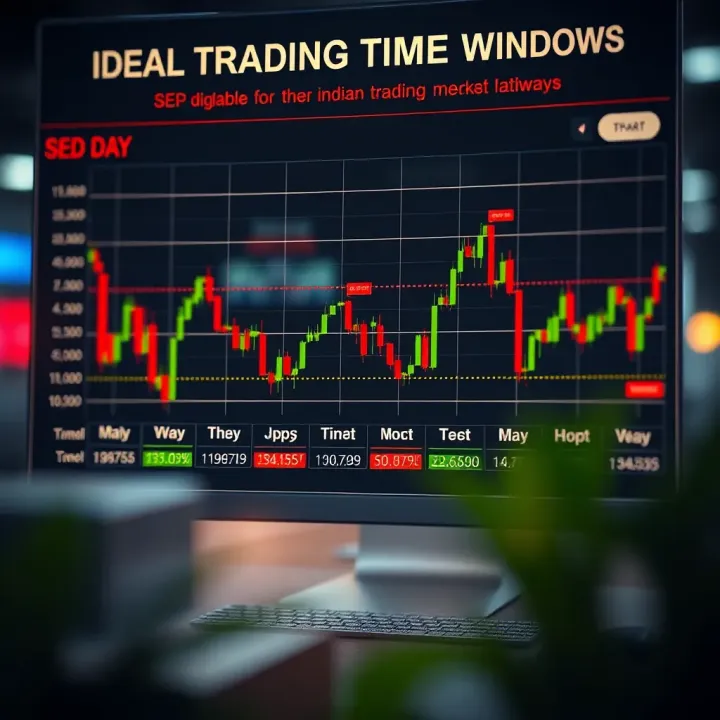
Knowing each segment of the trading day helps intraday traders choose the best moments to enter or exit trades, improving the chances of a profitable day.
By understanding intraday trading itself and the specifics of market timings in India, traders can time their activities better and align strategies with market behaviour. This reduces unnecessary risks and helps capture the short-lived opportunities that intraday trading demands.
Timing plays a major role in intraday trading since market conditions change rapidly throughout the day. Traders who understand when to enter or exit positions can secure profits and avoid losses more effectively. For instance, sharp price movements often occur during specific windows, creating opportunities if one acts promptly.
Market volatility refers to the degree of price fluctuations during a trading session. When volatility is high, prices swing significantly, offering traders chances to book quick gains. However, this can also mean increased risk of sudden reversals. Consider a scenario where the Nifty 50 index undergoes a 1.5% swing in the first trading hour; savvy traders can exploit such moves by buying dips or selling rallies. Conversely, low volatility periods may lead to stagnant prices, reducing intraday profit potential.
Focusing trading activity during volatile hours can boost profitability but requires quick decision-making and risk management.
Liquidity indicates how easily stocks can be bought or sold without affecting their price. Higher liquidity means more participants and smoother transactions. During opening and closing hours, liquidity surges as traders execute pending orders, leading to tighter bid-ask spreads and better price discovery. For example, liquid stocks like Reliance Industries and HDFC Bank tend to have ample volumes, especially early morning and late afternoon. On the flip side, mid-day sessions often witness thinning liquidity, causing wider spreads and less trade execution efficiency.
News events and economic data releases can shift market sentiment rapidly. Scheduled announcements like RBI policy decisions, GDP data, or quarterly results often spark volatility in affected stocks and sectors. A sudden announcement of a policy repo rate change can cause immediate price jumps or drops within minutes. Traders who monitor the economic calendar and prepare in advance can time their trades to take advantage of these swings. Conversely, trading blindly during such periods may lead to unexpected losses due to sharp price gaps.
In sum, understanding the interplay of volatility, liquidity, and news releases is key to picking the best times for intraday trades. This awareness helps traders align their strategies with prevailing market rhythms, improving their chances of success.
Timing is a significant factor when you want to optimise profits and manage risks in intraday trading. Indian stock markets exhibit fluctuating volatility and liquidity through the day, so recognising when these conditions are favourable can make a real difference to your returns. Knowing the best time slots allows you to target periods with higher market activity and better price movements.
The market opening from 9:15 am to around 10:30 am often shows heightened volatility. During this phase, fresh information that emerged overnight or in the early hours influences big price swings. Traders see sharp movements as they react to global cues, overnight news, and economic data. For example, if a major global economy reports better-than-expected growth before Indian markets open, stocks may spike immediately. This volatility presents quick profit chances but also higher risk, so consider using tight stop-loss orders here.
Post the initial rush, between 10:30 am and 12:30 pm, the market tends to settle into a more stable rhythm. Volatility lessens, and liquidity becomes more consistent, making it easier to spot clear trends. Intraday traders can use this window for technical setups like breakouts or retracements, relying on indicators such as moving averages or Relative Strength Index (RSI). For instance, blue-chip stocks like Reliance Industries or HDFC Bank typically show clearer direction during this phase, aiding better decision-making.
From 12:30 pm to 2:30 pm, the market often shows slower activity due to lunch breaks and reduced participation. However, this period can also reveal steady trends, especially in sectors reacting to ongoing news or earnings reports. Traders watch currency fluctuations closely, too, as they may affect exporters or importers. This slot suits those who prefer lower volatility but want to capitalise on sectoral movements with modest risk.
The final hour, from 2:30 pm to 3:30 pm, witnesses another wave of increased volatility and trading volume. Many traders and institutional investors adjust positions before closing, leading to sharp price moves. This is a prime time to execute closing strategies or catch sudden breakouts. For example, a stock that dipped earlier might bounce back strongly as buyers enter to close short positions. However, the unpredictable nature of this hour demands strict risk management.
Identifying these time slots helps you plan your trades better and align your strategy with the market’s natural flow, ultimately improving your intraday outcomes.
By focusing on these specific sessions rather than trading indiscriminately all day, you can improve your chances of making meaningful gains while controlling risk exposure effectively.
Choosing the right time for intraday trading can significantly affect your profits and risk management. Several factors come into play, such as your individual risk appetite, the sectors or stocks you trade, and prevailing market conditions. Understanding these aspects helps tailor your trading schedule for better results.
Your risk tolerance directly shapes when and how you trade during the day. Traders with a high risk appetite might prefer the opening hour, when volatility and volume peak, offering quick gains but also sharp price swings. On the other hand, conservative traders often stick to mid-morning or afternoon sessions, which tend to exhibit steadier price movements.
For instance, a trader using scalping strategies may thrive during the first 30 minutes post-market opening, leveraging quick price fluctuations. Meanwhile, a swing trader aiming for less choppy movements could avoid this period and focus on mid-session hours. Aligning your trading time with personal risk preferences avoids stress and potential losses.
Different stocks and sectors show varied intraday behaviours. High beta stocks like those in the IT or banking sectors usually exhibit more volatility during market openings, attracting active traders. Conversely, defensive sectors like FMCG or utilities may offer less dramatic price swings, preferred by traders seeking stability.
If you trade heavyweights like Reliance Industries or HDFC Bank, peak volatility periods at open and close hours might provide better entry points. Meanwhile, small-cap stocks can spike unpredictably, requiring selective timing and heightened vigilance. Understanding sector-specific patterns informs when to watch or avoid certain stocks, improving timing decisions.
Market environment and timing within the financial calendar affect intraday trading opportunities. For example, during earnings season or after major economic announcements, volatility surges in the first hour, creating trading chances. But during festive periods or near financial year-end, trading volumes may thin out, reducing liquidity.
Monsoon patterns also influence sectors like agriculture-linked stocks, which can behave differently during certain months. Traders should adjust timing based on these seasonal shifts and overall market sentiment. For example, expecting low liquidity after Budget day or during holidays helps plan safer trades outside such periods.
Tailoring your intraday trading time by considering your risk appetite, stock preferences, and market seasonality can improve both timing and outcomes significantly. It's not just about the clock but matching market dynamics to your style.
By factoring these elements into your schedule, intraday trading in India becomes a more calculated and less unpredictable endeavour.
Improving your timing in intraday trading can significantly enhance your chances of making profits and limit downside risks. The market is dynamic, and relying solely on instinct or guesswork often leads to losses. Instead, using a mix of technical tools, timely news monitoring, and disciplined habits helps sharpen your entry and exit decisions.
Technical indicators provide objective signals to enter or exit trades, which is vital for intraday traders who operate within small timeframes. Commonly used indicators include moving averages, Relative Strength Index (RSI), and Bollinger Bands. For instance, a trader might watch the 5-minute moving average crossover on the Nifty 50 index to spot momentum shifts early in the day. If the 5-minute average crosses above the 20-minute average, it could indicate a buying opportunity.
Besides trend indicators, oscillators like RSI help identify overbought or oversold conditions, signalling when a price reversal might happen. For example, if Reliance Industries’ stock shows an RSI above 70 during the afternoon session, a trader might consider booking profits or tightening stop-losses. These indicators work best when combined rather than used alone, forming a clearer picture of market behaviour.
News releases often create sudden price swings, impacting intraday trades dramatically. Keeping track of relevant updates—such as RBI policy announcements, quarterly corporate earnings, or GST-related developments—gives you an edge. A sharp movement in banking stocks after an RBI interest rate change is a classic example where timely awareness can lead to profitable trades.
Moreover, consulting the economic calendar helps anticipate market-moving events like inflation data, unemployment reports, or global events affecting oil prices. For example, crude oil price fluctuations can quickly ripple through energy and transport sectors during the trading day. Traders should develop a habit of checking these updates before the market opens and during breaks to adjust strategies accordingly.
Discipline in intraday trading often separates winners from those who suffer losses. Sticking to your predetermined trading plan, avoiding impulsive decisions driven by greed or fear, is essential. Recording your trades in a journal helps identify patterns in your successes and failures. Include details such as entry and exit times, chosen indicators, and news events influencing decisions.
For instance, if you notice that your trades based on morning volatility yield better results than afternoon sessions, you can adjust your strategy to focus more on early hours. This reflection not only builds skill but also curbs emotional trading impulses, which often cost money.
Successful intraday trading depends on timing the market well, and this can be improved by combining technical analysis, staying updated with news, and maintaining rigorous self-discipline.
By following these tips, you can fine-tune your intraday trading timing and boost your potential for consistent profitability in India’s stock markets.
📈 Master intraday trading in India with practical tips, strategies, key tools, and risk management to trade confidently within the same day.
📈 Learn how to pick the right stocks for intraday trading in India. Discover strategies, risk tips, and key tools to boost your short-term trading success.

📈 Discover stocks eligible for intraday trading in India! Get tips on selection, understand regulations, and learn to manage risks effectively.

📈 Learn the minimum capital needed for intraday trading in India alongside margin rules, brokerage fees, risks, & expert tips to pick the right broker for you.
Based on 8 reviews