
New Trading App Features for Indian Investors
📱 Discover a new trading app tailored for Indian investors, offering real-time market data, robust security, low costs, and tools for every trader level.
Edited By
Michael Davies
Selecting the right trading app plays a significant role in your investment journey, especially for Indian investors navigating the fast-growing digital markets. Your choice affects not just convenience but the safety of your funds, cost structure, and ability to respond swiftly to market changes.
Trading apps differ in many ways, from brokerage fees and transaction charges to ease of use and security features. For instance, apps like Zerodha Kite offer low brokerage at ₹20 or 0.03% per executed order, whichever is lower, attracting cost-conscious traders. On the other hand, platforms like ICICI Direct provide integrated banking and investment services, appealing to those who want a one-stop solution.

When choosing a trading app, always prioritise apps with robust encryption, secure two-factor authentication, and compliance with Securities and Exchange Board of India (SEBI) guidelines to protect your investments.
Beyond costs and security, look for intuitive user interfaces that allow swift order execution and clear portfolio tracking. Indian investors often prefer apps that support multiple asset classes—equity, mutual funds, commodities, and bonds—giving them more control. For example, Groww and Upstox cater well to beginners with simple layouts and educational support, while experienced traders might favour advanced charting tools found in Angel One or 5paisa.
Keep an eye on the customer support quality and app uptime, as market volatility demands prompt assistance and uninterrupted access. Also, check if the app integrates with UPI or other Indian payment solutions for hassle-free fund transfers.
Overall, a good trading app balances low charges, strong security, easy usability, and relevant features that match your trading style. Start by listing your priorities, then compare leading Indian apps based on practical factors rather than just marketing hype. This approach helps you pick the platform that truly fits your investing needs.
Trading apps have transformed how Indians engage with financial markets. With smartphones becoming as common as a cup of chai, these apps put market access and investment tools directly in your palm. Understanding their role helps investors pick apps that suit their trading habits and financial goals, making the process smoother and more efficient.
Trading apps enable investors to buy and sell shares anytime, anywhere without needing a dealer or physical broker. This accessibility breaks barriers, especially for investors in tier-2 and tier-3 cities, who once had to depend on local brokerage offices. For example, an investor in Pune can place an order during the day or night just as easily as someone in Mumbai.
These apps supply live data, allowing users to track market movements instantly. For instance, if Reliance Industries shares drop by 2% suddenly, the app alerts the trader, helping make quick decisions. Many apps also feature expert analysis and market news, which are crucial during volatile phases.
Modern trading apps let you invest not just in stocks but also in mutual funds, derivatives, commodities, and even government bonds. This flexibility means an investor can diversify easily within one platform. For example, a user can buy stocks in the morning and switch to mutual funds later without juggling multiple accounts.
India’s smartphone users have surged past 700 million, making digital trading a natural step forward. The spread of affordable 4G plans, particularly in rural areas, means more people can start investing. This shift is evident as apps like Groww and Upstox report rapid growth from users outside metro cities.
Unified Payments Interface (UPI) has revolutionised how funds flow in trading apps. With instant payments and zero cost, UPI makes loading money into trading accounts swift and hassle-free. India Stack’s layers supporting Aadhaar and digital signatures further simplify KYC and other regulatory checks, speeding up account creation.
The Securities and Exchange Board of India (SEBI) and Reserve Bank of India (RBI) enforce rules that safeguard investors and maintain market integrity. Their oversight ensures trading apps comply with security standards and transparency norms. For example, SEBI’s guidelines require brokers to have robust grievance redressal mechanisms, giving investors confidence while trading digitally.
In short, trading apps are not just tools but gateways to a more inclusive and dynamic Indian market. Knowing what features they offer and the environment they operate in equips you to choose the one matching your investment style and needs.
Choosing a trading app isn't just about picking the flashiest interface. It's about finding tools that fit your trading style while keeping things secure and simple. Features like user-friendly navigation, comprehensive market info, and robust security practices matter a lot for smooth, confident investing in India.
Simple onboarding process: Getting started with a new trading app should not feel like crossing a mountain. The app must make KYC and account creation quick, often leveraging Aadhaar verification or PAN card details, so you can begin trading fast. For example, Zerodha’s onboarding is swift, letting users sign up with minimal back-and-forth paperwork, saving time and avoiding frustration.
When the registration is straightforward, even beginners who are not tech-savvy feel comfortable jumping into trading without losing confidence or patience.
Intuitive charts and order placement: Navigating the app should be as easy as scrolling through your messages. Charts must be clear and interactive, allowing you to zoom in on trends or switch between daily, weekly, or monthly views without hassle. Placing orders—whether market, limit, or stop-loss—should take just a few taps, with confirmation prompts to prevent mistakes.
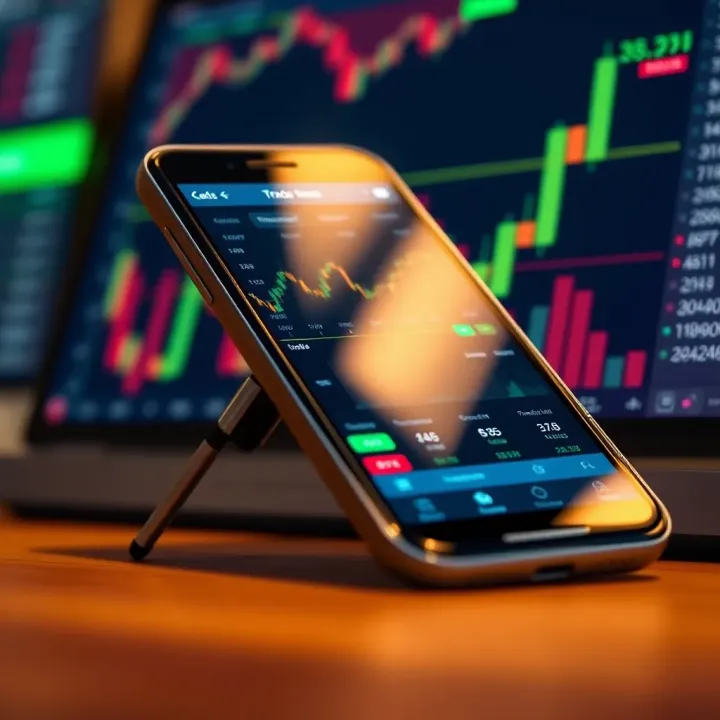
For instance, Upstox offers a clean charting experience coupled with quick order placement. This cuts down the chances of errors, especially during volatile market moments when speed and clarity go hand in hand.
Live market updates and news: Nothing kills trading momentum faster than outdated info. Quality trading apps push real-time updates on Sensex, Nifty, and sectoral movements throughout the day. They also integrate trustworthy news flashes about corporate actions or government policies affecting stocks.
This means an investor following mutual funds or shares via Groww won't miss out on sudden changes or breaking news that could impact decisions, allowing timely actions.
Technical analysis features: For serious traders, apps must extend beyond price charts to include indicators like RSI, MACD, Fibonacci retracements, and moving averages. These tools help spot patterns and judge momentum or reversals, indispensable for strategy-driven trading.
Platforms like Zerodha Kite and Upstox include these analysis tools with customizable settings, so users can tailor their technical insights without jumping between apps.
Risk management tools: Managing your downside is as important as aiming for gains. Look for apps offering features like stop-loss and trailing stop orders, alerts on margin calls, and portfolio risk assessment dashboards.
Such tools help you stay on top of open positions without constantly monitoring screens. For instance, an alert for margin utilisation could save you from unexpected liquidations during a sudden market fall.
Two-factor authentication (2FA): When your money is at stake, a simple password isn't enough. Good trading apps enforce 2FA, requiring an additional verification step via OTP sent to your mobile or email. This extra layer deters unauthorised access.
Almost all top Indian apps today—like Groww and Upstox—mandate 2FA, reducing risks from phishing or password leaks.
Encryption standards: Your personal data, transaction details, and credentials must be protected by strong encryption protocols, similar to those used by banks for online banking. This ensures data stays private, even if intercepted during transmission.
Therefore, when choosing a trading app, check if they mention AES-256 encryption or SSL/TLS certificates—signs of solid security behind the scenes.
Compliance with data privacy norms: SEBI and RBI oversee data privacy occasionally, but the app should also follow India's IT Act and data protection guidelines like those suggested by the Ministry of Electronics and IT (MeitY). This involves clear privacy policies, user consent for data usage, and safe storage practices.
For users, this means confidence that their sensitive financial data won't be shared without permission or fall victim to reckless management.
Investing in an app with these essential features saves effort, bolsters confidence, and helps you trade securely and efficiently in India's fast-moving markets.
Understanding the costs involved in trading apps is essential for Indian investors to manage expenses effectively and improve net returns. Different trading platforms have varied fee structures, so comparing these charges helps you avoid surprises and choose a cost-effective option aligned with your trading habits.
Most trading apps follow either a flat-fee or a percentage-based brokerage model. In the flat-fee system, you pay a fixed amount per trade regardless of the trade size—for example, platforms like Zerodha charge ₹20 per executed order. On the other hand, percentage-based fees depend on the order value, commonly seen in traditional brokers who charge about 0.1% to 0.5% per transaction. Flat fees work well for frequent traders or those dealing in large volumes, as the cost doesn’t increase with trade size.
Frequent traders especially feel the impact of brokerage charges. Even a small difference in fees can add up to thousands of rupees over a month, chewing into profits. Traders placing numerous small orders benefit from flat fees since the cost remains stable, while percentage models can become expensive if trade sizes rise frequently. Evaluating your trading frequency and average trade size will help identify which fee structure suits you best.
Besides brokerage, many platforms levy Demat account charges. These fees cover the cost of safekeeping your securities in electronic form. Charges typically range between ₹300 and ₹600 annually, depending on the broker and account type. While it might seem small, these costs add up if you maintain multiple accounts or hold your portfolio long-term.
Annual Maintenance Charges (AMC) are similar but apply at the account level and are mandatory on most platforms. Some apps waive AMC based on minimum trading or balance thresholds, so keeping track of these rules can save you several hundred rupees a year. For instance, Upstox waives AMC if you trade a certain number of times monthly, which suits active traders aiming to reduce fixed expenses.
Sign-up bonuses are common tactics used by trading apps to attract new customers. These bonuses might come as cash rewards, free stocks, or reduced brokerage for a limited period. While tempting, it’s important to check the terms carefully—such offers usually have expiry dates or minimum trade requirements. Don't let a bonus blind you to the overall fee structure.
Loyalty rewards are benefits for regular users, often including cashback, fee waivers, or priority customer support. Some apps run referral programs that provide credits or fee discounts for inviting friends. Such perks can lower your effective trading costs over time but should complement, not replace, a solid fee evaluation.
Always dig into all costs before committing to an app. Counting brokerage alone isn’t enough—maintenance fees, hidden charges, and terms of offers matter too. Doing your homework can make a big difference to your bottom line.
By comparing these elements carefully, you can pick a trading app that fits your budget and trading style, helping you invest smarter and keep more of your gains.
Choosing the right trading app largely depends on how well it fits your trading style, budget, and experience level. Popular trading apps in India have gained traction by focusing on these aspects, providing practical benefits that resonate with different categories of investors. Understanding their unique strengths helps you match an app to your needs rather than just following trends.
Zerodha stands out chiefly for its low brokerage fees, appealing especially to frequent traders and those with modest trade volumes. It charges a flat ₹20 per trade on equity intraday and derivatives, regardless of size, which saves substantial costs compared to percentage-based brokerage systems. For instance, a trader executing multiple trades worth ₹50,000 each way can avoid hefty charges typical in conventional brokerage. This cost structure makes Zerodha a favourite among active traders who want to keep expenses minimal.
The Kite platform, Zerodha’s flagship trading tool, offers a clean and fast interface combined with powerful analytics. It supports customisable watchlists, multiple chart types, and over 100 technical indicators, helping traders make informed decisions. The platform’s efficient order placement and seamless integration across web and mobile give users the flexibility to trade on the go, essential for timely responses in volatile markets. Features like in-built market news and straightforward fund transfers further enrich the trading experience.
Upstox provides a competitively priced trading service, with brokerage charged at a flat ₹20 per order across equity, commodities, and currency segments. This pricing benefits casual investors and beginners who trade less frequently, by avoiding hidden fees that often surprise newbies. Additionally, Upstox occasionally runs promotional offers reducing brokerage fees temporarily, making it an attractive choice for cost-conscious users.
Upstox excels in offering advanced charting tools designed for technical traders. The app includes over 80 technical indicators and allows for multi-chart viewing, which helps traders track various stocks or indices simultaneously. For example, a trader analysing both Nifty and Bank Nifty futures can open separate charts side by side for cross-reference. These features, paired with customizable alerts, help traders respond proactively to market moves.
Groww appeals chiefly to new investors due to its clean and simple user interface. Onboarding is straightforward, with minimal steps, making it easy for first-timers to start trading without feeling overwhelmed. The design avoids clutter, focusing on clear navigation and quick access to essential functions without jargon. This eases users into stock market investing gradually, reducing the initial hesitation many beginners face.
Groww offers a combined platform for investing in both stocks and mutual funds, enabling users to build diversified portfolios in one place. This is particularly useful for new investors looking to balance risk; for example, they can allocate some funds into stable mutual funds while exploring direct equity opportunities. The app provides educational content and SIP (Systematic Investment Plan) options for mutual funds, helping users adopt disciplined investing habits easily.
Popular trading apps differ widely in features and costs. Picking one that aligns with your trading frequency, expertise, and investment goals matters more than following hype or popularity alone.
Choosing a trading app that complies fully with Indian regulations is critical for safeguarding your investments and personal data. Regulatory compliance provides a safety net against fraud, ensures transparency, and builds trust between investors and platform operators. Without proper oversight, investors risk falling prey to unlicensed brokers or apps that don't follow legal standards, which can lead to losses or data breaches.
The Securities and Exchange Board of India (SEBI) acts as the watchdog for India's securities markets, ensuring brokers and trading platforms operate within legal boundaries. Registration and licencing of brokers is a key aspect of this oversight. Only brokers registered with SEBI have the authority to deal in securities, ensuring they meet minimum capital, infrastructure, and ethical standards. Choosing a trading app linked with a SEBI-registered broker protects you from scams common among unregistered operators.
For example, Zerodha and Upstox are both linked to SEBI-approved brokerage firms, providing an additional layer of security. When an app advertises low fees or flashy features but lacks SEBI registration details, be cautious and conduct proper due diligence.
SEBI also enforces complaint mechanisms to resolve investor grievances effectively. If your trading app or broker defaults, SEBI's SCORES (SEBI Complaints Redress System) platform allows you to file complaints online, track their statuses, and seek timely redressal. This process is vital for protecting small investors who may otherwise have little recourse when issues arise.
The Know Your Customer (KYC) process is mandatory for any trading account opened in India. It involves verifying your identity and address through documents like Aadhaar, PAN card, or passport to prevent fraud and identity theft. Trading apps helping you complete KYC digitally, often through Aadhaar-based e-KYC or video verification, add convenience while maintaining compliance.
Skipping or falsifying KYC documents can lead to account suspension or legal penalties. Hence, apps that streamline this process without compromising security typically score higher with users.
Anti-money laundering (AML) guidelines complement KYC efforts by detecting and preventing money linked to illegal activities entering the financial system. Trading apps must monitor transactions for suspicious patterns, such as unusually large deposits or rapid buying-and-selling cycles to flag potential money laundering. Compliance with AML helps maintain the overall integrity of markets and protects you from inadvertently becoming part of illicit trades.
Checking for SEBI registration, seamless KYC verification, and AML compliance should be non-negotiable when selecting your trading app. These controls form the backbone of a secure trading environment.
In summary, regulatory compliance and safety measures build the foundation for trustworthy, smooth trading experiences. They protect your money, personal information, and peace of mind while engaging with Indian financial markets.
📱 Discover a new trading app tailored for Indian investors, offering real-time market data, robust security, low costs, and tools for every trader level.

Find the best trading app for Indian traders! Explore key features, costs, security tips, and pick the platform that fits your goals 📈🇮🇳
Learn how to pick the best paper trading app 🖥️ for risk-free stock market practice! Explore features, Indian favourites, and smart tips to sharpen your trading skills.

Find the best trading app for Indian investors! Compare top platforms, explore key features & usability, and meet regulatory norms for smarter investing 📈🇮🇳
Based on 12 reviews