

Choosing the Best Trading App for Indian Investors
📱 Discover the best trading app for Indian investors by comparing usability, security, charges, and customer support. Make smarter investments with top platform insights.
Edited By
Benjamin Hughes
Algorithmic trading has rapidly caught the attention of many Indian investors due to its promise of faster and more precise execution of trades. Instead of manual buying and selling, algorithmic trading uses computer programs to follow specific rules and strategies. This approach reduces emotional decision-making and can lead to more consistent profits, provided the strategy is well-designed.
Choosing the right algorithmic trading app, however, isn't just about flashy features or low costs. You have to look closely at regulatory compliance, as the Securities and Exchange Board of India (SEBI) keeps watch on automated trading to protect investors from malpractice. Make sure the app you pick adheres fully to such norms.
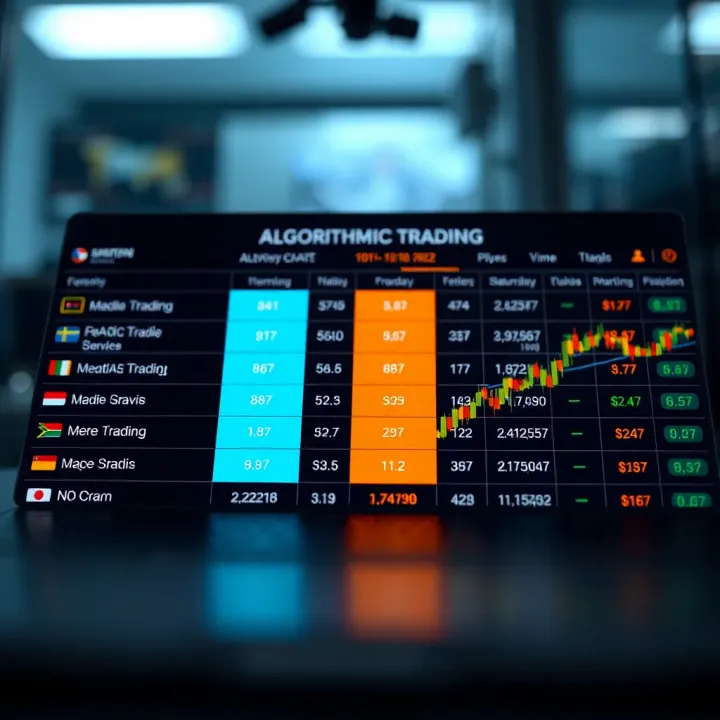
Compatibility is another key factor. Most traders in India rely on platforms like Zerodha’s Kite, Upstox, or Angel Broking. Your chosen app should integrate smoothly with these trading applications and support the exchanges you trade on—NSE, BSE, or MCX.
User experience is more than just a simple interface. It means reliable uptime, quick order execution, straightforward setup of strategies, and clear reports to track your performance. An app might boast advanced analytics, but if it freezes during peak hours or has a clunky navigation system, it will cost you.
Cost has two sides: upfront charges and ongoing expenses. Some apps charge a monthly or yearly licence fee; others take a cut from your trades or profits. Think about your trading volume and strategy frequency before settling on one. A ₹500 monthly fee might be worth it for high-frequency trading, but if you trade occasionally, a pay-per-trade model might suit better.
Always test an app with a demo or paper trading account first. This helps you evaluate its strengths without risking real money.
Here’s a quick checklist to guide you:
Verify SEBI registration and compliance
Confirm compatibility with your trading platform and exchange
Analyse user reviews focusing on stability and support
Compare pricing models against your trading style
Check for added tools like backtesting and alerts
Understanding these factors will help you choose an algorithmic trading app that not only meets regulatory standards but also fits your trading style and budget. This way, you can trade smarter and avoid common pitfalls in automated trading.
Algorithmic trading has steadily gained ground among Indian investors and traders, offering an automated approach to executing orders at groundbreaking speeds. Understanding this system is vital for anyone looking to tap into the potential of automated trading in markets like the NSE and BSE.
Algorithmic trading means using computer programs to place trades automatically according to predefined instructions. These instructions involve indicators such as price, timing, and volume. Let’s say a trader wants to buy shares of Reliance Industries only when the stock price dips below ₹2,000 and the trading volume is above a certain threshold—that’s where algorithms shine. They take the human factor out, relying purely on market signals without emotional bias.
The benefits of algorithmic trading include faster trade execution, minimising the chance of manual errors, and the ability to backtest strategies using historical data. For instance, during volatile monsoon season market swings, an algorithm can trigger buy or sell decisions faster than manual attempts.
However, risks remain. Technical glitches or connectivity issues can cause significant losses in seconds. Additionally, algorithms not well-tuned to Indian market nuances—such as low liquidity stocks or regulatory halts—may produce unexpected results. Traders need to balance tech advantages with real-world market dynamics.
The Securities and Exchange Board of India (SEBI) frames rules governing algorithmic trading to maintain market integrity and protect investors. SEBI mandates that brokers offering algo trading facilities must have systems in place for proper risk controls, audit trails, and order throttling. Also, algo strategies have to pass through approvals ensuring they don’t destabilise market price discovery.
Indian regulations require detailed disclosure and compliance with limits on order-to-trade ratios to prevent excessive order flooding. Exchanges like NSE and BSE also impose separate norms and technical standards. Keeping updated with these helps both users and developers of algorithmic trading apps to operate within the law safely.
Algorithmic trading brings precision and speed to trading in India, but only if understood and used responsibly within the regulatory framework.
Getting a solid grasp on these components sets the stage for choosing the right algorithmic trading app that matches your trading style and compliance needs.
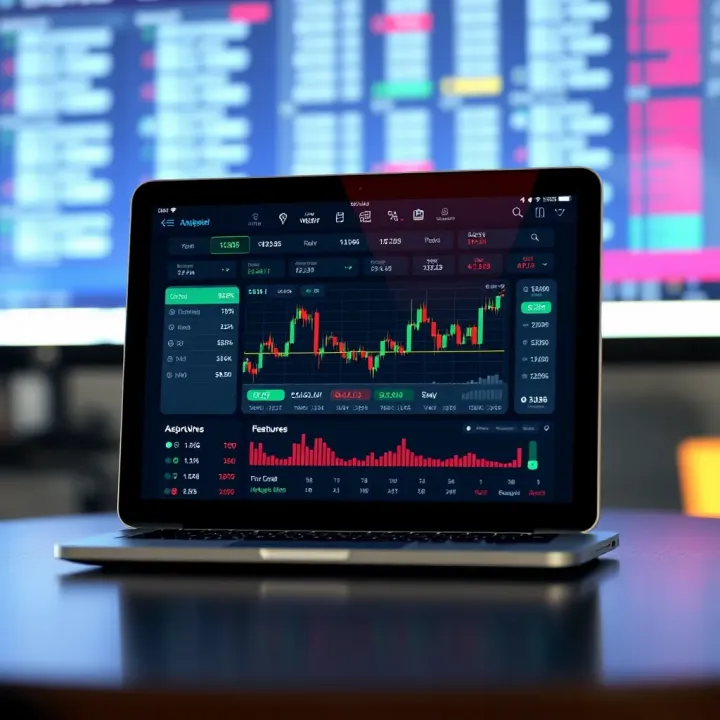
Choosing the right algorithmic trading app involves carefully weighing several core features. These features directly impact how effectively you can automate trades, monitor markets, and manage your investments. Indian traders should prioritise apps that align well with their trading style while providing reliable, flexible, and secure environments.
A good algo trading app must allow you to automate your strategies without cumbersome coding requirements. Look for platforms offering drag-and-drop builders or simple scripting tools. For example, Zerodha Streak enables users to create strategies based on technical parameters like moving averages or RSI without writing lines of code. Customisation options should include the ability to set entry and exit points, stop losses, and complex multi-leg strategies. This flexibility helps traders test and adapt tactics according to real market conditions.
Algorithmic trading depends heavily on timely access to market data and fast execution. Apps must provide live feeds from NSE (National Stock Exchange) and BSE (Bombay Stock Exchange) with minimal latency. Delays of even a few seconds can erode profits or increase losses, especially for day traders or scalpers. Platforms like Upstox API excel in offering real-time ticks and low-latency order placement, essential for high-frequency trading. Ensure your app caches data efficiently and supports instantaneous trade confirmations.
An intuitive interface saves time and reduces errors. Efficient layout, responsive design, and clear navigation help traders focus on strategy rather than figuring out controls. Beginners benefit from straightforward workflows, while seasoned traders need quick access to advanced settings. Samco’s algo platform, for instance, balances simple usability with in-depth analytics and backtesting tools. The app should support quick toggling between watchlists, charting, and trade execution.
Security is non-negotiable given the sensitive financial data involved. The app should use encryption protocols like SSL to protect your login credentials and transaction data. Two-factor authentication (2FA) adds an extra layer of defence against unauthorised access. Besides, review the app’s data privacy policy to ensure compliance with Indian data protection norms. Platforms hosted on secure cloud infrastructure with regular audits offer better peace of mind.
Protecting your trading account is as important as the strategy itself; a security breach can result in significant financial losses.
Algorithmic trading apps come with varied pricing models—some charge monthly subscriptions, others levy commission per trade or a combination of both. For example, Smallcase’s thematic investing platform charges a nominal fee to manage portfolios, while Zerodha Streak operates on a pay-per-strategy basis. Analyse your trading frequency and volume to identify which model suits you best. Also, check for hidden costs such as data feed charges, broker integration fees, or penalties for inactivity.
By giving due attention to these features, you can pick an algo trading app that suits your trading goals and Indian market requirements effectively.
Choosing the right algorithmic trading app means ensuring it syncs well with Indian trading platforms. Compatibility isn't just a technical detail; it affects how quickly and accurately your trades get executed. If the app fails to integrate smoothly with brokers or exchanges like the National Stock Exchange (NSE) or Bombay Stock Exchange (BSE), you may face delays or errors that eat into your profits.
Successful integration with popular Indian brokers — such as Zerodha, Upstox, or ICICI Direct — is essential. These platforms provide access to trading APIs that algorithmic apps use to place orders instantly. For example, Zerodha offers Kite Connect API, which many algo trading apps leverage to execute strategies rapidly. Without this seamless link, your app might not be able to push orders in real time, affecting how well you can capitalise on market movements.
Besides brokers, the app’s ability to work directly with stock exchanges matters. Some apps connect to both NSE and BSE APIs, while others rely solely on brokers to act as intermediaries. Direct connectivity often means faster order execution and accurate price feeds. Traders focusing on options or equity futures need apps compatible with Multi-Commodity Exchange (MCX) or National Commodity & Derivatives Exchange (NCDEX) too, if they deal in commodity derivatives.
Most Indian investors trade on NSE and BSE, which host the majority of liquid stocks and derivatives. Your algo trading app must support the full range of instruments listed here, including equities, futures, options, and ETFs. For instance, if you plan to trade Nifty futures via an algorithm, your app must recognise NSE’s instrument codes and expiry dates correctly.
It is equally vital for the app to fetch real-time market data from these exchanges without lag. Delayed price updates can lead to mistimed trades, especially in volatile markets. Apps designed specifically for Indian markets usually include real-time ticker data and live charts tailored to NSE and BSE timings and trading rules.
Ensuring your algorithmic trading app fits well with Indian brokers and exchanges reduces technical hiccups, speeds up execution, and safeguards your trading strategy in volatile markets.
Evaluating these compatibility factors lets you choose an app that handles the nuts and bolts efficiently. So, before signing up, check whether your preferred app supports your broker, is authorised by SEBI, and fully covers NSE and BSE securities relevant to your trading plan.
Choosing the right algorithmic trading app can make a big difference to your trading outcomes. Comparing popular platforms available in India helps you understand their strengths, cost structures, and fit with your trading style. Since algorithmic trading depends heavily on real-time execution and strategy flexibility, picking an app aligned with your goals and the Indian market’s nuances is necessary.
Zerodha Streak stands out for offering an intuitive no-code platform ideal for traders without deep programming skills. You can build, backtest, and deploy trading strategies based on technical indicators without writing any code. Zerodha's large customer base and integration with its Kite trading platform make order execution seamless on NSE and BSE. However, the app charges based on the number of strategies and trades, so active traders should watch costs carefully.
Upstox provides robust API support if you want to code your own algorithms or use third-party trading bots. This platform caters to experienced traders comfortable with programming, allowing full customization and high-frequency trading. Besides APIs, Upstox offers user-friendly charts and tools on its app. The brokerage charges are competitive, and its integration with multiple Indian exchanges makes it attractive for algo traders dealing in equities, commodities, and derivatives.
Samco’s algo platform integrates user-friendly strategy creation with direct market access. Its drag-and-drop interface lets traders design strategies without coding, but it also supports Python scripting for advanced users. Samco’s platform is notable for its real-time data feeds and risk management options tailored to Indian market conditions. Pricing is transparent, which helps traders monitor their expenses easily. It suits a broad range of traders, from beginners to moderately experienced individuals.
Smallcase takes a different approach by allowing algo investing in thematic portfolios. Instead of raw coding or strategy-building, you invest in curated baskets aligned with themes like renewable energy or consumption. Smallcase automates rebalancing but doesn’t offer high-frequency trading. This suits investors looking for a semi-passive algo solution focused on long-term themes. It’s more about portfolio management than day trading and integrates well with Indian brokers.
Picking the right algorithmic trading app depends on your coding ability, strategy preferences, and focus areas like speed, cost, or thematic investing. Comparing features and costs of these popular Indian platforms helps you avoid surprises and streamline your trading journey.
Selecting the right algorithmic trading app demands careful thought about your specific needs and trading style. An app that fits one trader might not suit another, so aligning features with your experience and goals is vital for success.
Your experience level shapes the kind of app you'll find useful. If you are a beginner still grasping market basics, look for apps with simple interfaces and prebuilt strategies that require minimal coding. For example, Zerodha Streak offers a visual strategy builder that suits novice traders well. On the other hand, experienced traders who prefer customisable algorithms and integration with APIs should consider platforms like Upstox API that provide more control. Clear trading goals also guide your choice; short-term intraday traders need faster execution and real-time data, while long-term investors might prioritise risk management tools and backtesting features.
Before committing to any app, trying out trial versions or demo accounts can save a lot of trouble. These allow you to familiarise yourself with the app’s functionality without risking real money. For instance, Samco’s algo trading platform offers demo testing that helps you gauge its strategy implementation and execution speed. Pay attention to how easy it is to customise strategies, access market data, and execute trades during these trials. Testing trials also reveals hidden costs or limitations in features that often surface only during hands-on use.
Reliable customer support is a key factor often overlooked. When algo trading involves technical glitches or uncertainties about compliance with SEBI regulations, responsive support becomes essential. Look for apps that offer prompt helplines, live chat, or dedicated account managers. Additionally, community forums and educational resources can accelerate your learning curve. Platforms like Smallcase provide active user communities where traders share insights and troubleshoot together. Support and community presence become especially important when you're scaling your strategies or navigating tricky market conditions.
Choosing the right algo trading app is not just about features but matching the app’s strengths to your trading journey. Practical trial, clear goals, and strong support ensure smoother and more confident trading experiences.
In summary, balance your trading experience, test apps hands-on, and consider ongoing support when picking your algorithmic trading partner. This approach will help you navigate India's growing algo trading space with more assurance.
📱 Discover the best trading app for Indian investors by comparing usability, security, charges, and customer support. Make smarter investments with top platform insights.

📊 Looking for the most trusted trading app in India? Discover key factors like security, fees, and support to pick the best platform for your investments! 🇮🇳

📱 Find the best online trading app in India! Learn about app features, security, user-friendliness, and tips to trade smarter and safer in the stock market.

📱 Explore top mobile trading apps in India! Learn key features, benefits, rules & compare options to pick the best one for your trading style.
Based on 13 reviews