
Top Trading Apps in India: Features and Comparison
Explore top trading apps in India 📱! Discover features, security, fees & markets to pick the best platform for your investment needs. Trade smart!
Edited By
Henry Price
Trading in India's stock markets has become incredibly accessible thanks to a surge in smartphone apps. Whether you're a casual investor weighing your options or a seasoned trader chasing the next big move, the right trading app can make a world of difference. This article takes a closer look at some of the most popular trading platforms available in India, focusing on their features, user experience, fee structures, security measures, and customer support.
India’s trading landscape has shifted dramatically in the last decade. With the rise of discount brokers like Zerodha and Upstox, and full-service players like ICICI Direct and HDFC Securities ramping up their digital presence, the variety can be overwhelming. From intuitive user interfaces designed for beginners to in-depth analysis tools suited for experts, each app carves its own niche.
By the end of this guide, you'll have a clearer picture of which platform aligns with your trading style, budget, and security preferences. It's not just about picking the most popular app but finding the one that feels like a good fit for your trading journey.
Choosing a trading app isn’t one-size-fits-all – understanding the nuances can save time, money, and frustration down the line.
In the sections that follow, we’ll dig into how these apps perform on various fronts, including:
Ease of use and interface design
Brokerage fees and hidden charges
Security protocols protecting your investments
Features like charts, alerts, and research tools
Quality of customer service
Let’s start by exploring what really makes a trading app stand out in a crowded market and why this matters for you as an investor or trader.
Trading apps have quickly become an essential tool for investors across India, transforming the way people interact with financial markets. They do more than just connect you to the stock market; they bring the markets to your fingertips, literally. This accessibility has made investing much less intimidating and far more approachable for a wide range of people.
Take Zerodha’s Kite app for example. It revolutionized retail trading by offering low-cost brokerage and a user-friendly interface. It's not just about snapping up stocks anymore; traders can analyze data, track portfolios, and execute orders all within moments. This sector has grown so much that many apps now support not only equities but also commodities, currencies, and derivatives, catering to a broad spectrum of investment needs.
By understanding what these trading apps offer—their features, usability, pricing, and security—you can make better choices for your trading journey. This overview sets the stage to explore the factors that define popularity and how these apps have reshaped investment behaviors across India.
A large and active user base often points to trust and reliability. For instance, apps like Groww and Angel One boast millions of users, indicating their widespread acceptance and market penetration. More users often mean frequent updates, better customer support, and a more vibrant community for discussions and learning.
In practical terms, a bigger market reach usually assures you that the app can handle high traffic without slowing down, which is critical during high-volatility trading days. It also signals sustained business growth, so the risks of shutdowns or poor maintenance drop significantly.
Trading apps need to be straightforward enough for beginners but powerful enough for experienced traders. User-friendly design goes beyond pretty interfaces; it ensures swift navigation and clear data visualization. Upstox Pro, for example, offers customizable dashboards that adapt to your trading style, making it easier to locate tools you use most frequently.
Accessibility also means supporting various devices, including tablets and older smartphones which many in India still use. If an app is hogging your phone’s resources or crashes often, you’ll likely look elsewhere.
The variety of instruments an app supports can define its usefulness. A popular app will generally allow trading in equities, derivatives, commodities, and sometimes mutual funds and bonds. This variety permits investors to diversify portfolios without hopping between multiple platforms.
For example, if you're someone keen on options trading, you’d want an app like Angel One that offers robust options chains and related analytics. Conversely, casual investors might prefer Groww for its seamless integration of mutual funds and stock trading.
Not long ago, investors had to call brokers or visit offices for trade executions. Mobile trading apps changed this landscape overnight, making on-the-go investing a norm. It's like moving from sending letters through pigeons to instant messaging.
This shift has drastically reduced the time lag between decision and execution, allowing traders to respond quickly to market movements. It also reduced transaction costs significantly since apps often offer lower brokerage fees than traditional brokers.
Thanks to these apps, a whole new generation of retail investors has joined the market. Evidence? The surge in new account openings during market dips or bull runs, driven largely by millennials and first-time investors.
These trading apps have demystified the stock market for many, incorporating educational tools and simple onboarding processes. It’s become common to see small investors buying fractional shares or SIPs in mutual funds directly from their phones, which was unthinkable two decades ago.
The rise of accessible trading apps in India shows how technology can brighten financial literacy and inclusion, bringing many into the fold who would've otherwise stayed on the sidelines.
In summary, a trading app's popularity hinges on its user base, ease of use, and range of supported trade types, all of which ultimately influence investors’ habits. Understanding these factors clears the path toward choosing a platform that fits your style and goals.
India’s stock market is more accessible now than ever, thanks to an impressive suite of trading apps tailored for different types of investors. Picking the right trading app can significantly impact your trading experience, whether you're a seasoned trader or just starting out. These apps are not just a window to market data; they also offer tools, insights, and seamless execution that can boost your trading efficiency.
Some apps excel in user-friendly design, while others shine with advanced features. Getting familiar with the top apps helps traders and investors spot which platform ticks their boxes in terms of usability, cost, and technical support.
Zerodha Kite has earned its place as India’s largest stock brokerage app by focusing on simplicity without sacrificing power. The interface is neat and uncluttered, making navigation straightforward even for new users. It offers real-time charts with over 100 indicators, letting traders customize their analysis. Plus, Zerodha’s REST API support empowers developers and serious traders who prefer algorithmic strategies.
Unlike apps that cram too many widgets on the screen, Kite stays clean and responsive. Kite also integrates with other Zerodha platforms like Coin for mutual funds, giving users a one-stop-shop feel. This thoughtful design keeps the trading experience fast and hassle-free.
What really sets Zerodha apart is its pricing model. It charges a flat 20 INR per trade on intraday and F&O contracts, regardless of the trade size. For delivery-based equity trading (where you hold stocks longer), it’s completely free. This predictable fee structure is appreciated by active traders, since no sneaky percentage fees eat into their profits.
There are no charges for account opening or inactivity, which helps beginners avoid unexpected costs. With Zerodha Kite’s transparency, traders know exactly what they’re paying for — a critical feature for budgeting.
Upstox Pro pitches itself as a fast, reliable platform for everyone from novices to pros. The app supports HD charts, technical indicators, and even heatmaps that show sector-wise performance at a glance. It also includes features like bracket orders for better trade management—a tool often missed by casual investors.
The design may not be as minimalistic as Kite but packs more visual cues and analytics for active traders who like to juggle bits of info. Upstox’s mobile and web apps sync seamlessly, so you can switch devices without losing your place in the market.
Beyond the typical equity and derivatives accounts, Upstox offers account types for commodities as well as currency trading. This wider range suits investors who want to diversify beyond stocks into gold, crude oil, or forex without hopping between platforms.
This all-in-one style also benefits traders who like experimenting with different asset classes but dislike onboarding multiple brokers.
Groww started as a mutual funds app but broadened its scope to incorporate stock trading smoothly. This integrated approach attracts investors who want to manage both mutual funds and shares under a single umbrella without juggling multiple apps.
The user interface is bright and inviting, aimed squarely at newcomers who might find other apps intimidating. Groww offers detailed fund analysis and an easy switch between investment types, making portfolio diversification hassle-free.
One standout feature of Groww is its proactive customer service. They offer quick chat support, tutorials, and regular webinars tailored for beginners. Unlike many platforms where customer queries get lost in endless queues, Groww emphasizes responsive, human-centered help.
This commitment reassures new investors who may feel overwhelmed navigating financial markets.
Angel One packs a strong punch with its research and advisory services. The app provides daily market updates, detailed stock reports, and expert calls that are invaluable for investors who want a bit of guidance without relying solely on their own analysis.
These insights can help users spot opportunities and avoid common pitfalls, particularly in volatile markets.
Angel One’s app supports fast order execution and offers features such as voice commands and smart alerts — things that make on-the-go trading practical and efficient. The platform also supports commodities and currency trading alongside equities.
Its mobile-first design makes it appealing to traders who primarily rely on their smartphones rather than desktops, reflecting how Indian markets increasingly cater to mobile users.
Whether you’re after low-cost trades, integrated investment options, or expert market insights, India’s top trading apps each bring something unique to the table. Testing a few based on your trading style and goals can clear the fog and help you find the best fit.
By understanding the benefits and specifics of apps like Zerodha Kite, Upstox Pro, Groww Trading, and Angel One, investors can make more informed choices that blend cost-efficiency, user experience, and rich features.
When picking a trading app, it's not just about flashy interfaces or catchy adverts. The nuts and bolts — the essential features — really matter. These are the things that make trading smoother, faster, and safer for investors. Whether you’re an intraday trader or a casual investor, knowing what to look for can save you headaches and even money down the road.
Trading apps these days offer a lot of bells and whistles, but focusing on core features like real-time market data, order execution speed, and security measures can mean the difference between a good experience and a frustrating one. For example, a delay of even a few seconds in market updates can cause a significant loss if you're trying to time your trades well. Similarly, weak security can put your investments in jeopardy — no one wants their account hacked and funds blamed on careless protection.
Keeping these essentials in mind lets you avoid apps that overpromise and underdeliver. It’s about practical benefits: knowing that you get true-to-market data instantly, smooth order placements, and peace of mind with data safety. Let's break down these vital features in detail.

Accurate and fast market data is the heartbeat of any trading app. Without it, you're essentially navigating blindly.
The stock market moves fast and if your app updates are sluggish or lag behind, your decisions will be based on stale information. For instance, Zerodha Kite is known for its quick market feeds, delivering updates with minimal delay. This lightning speed lets traders react immediately to price changes or breaking news, critical when every second counts.
Pro tip: always test the app’s refresh rate during volatile market hours. If prices update slower than a blink, you might want to consider alternative platforms.
Having a solid set of technical indicators built into the charting tools arms traders with insights at their fingertips. Indicators like RSI (Relative Strength Index), MACD (Moving Average Convergence Divergence), Bollinger Bands, and Moving Averages help in understanding market trends and predicting price movements.
Upstox Pro, for example, offers over 100 technical indicators which helps both beginner and experienced traders perform detailed analyses without switching between apps. A robust charting tool turns an app from a simple order placer into a trader’s command center.
How fast and reliable your trades get executed is often make-or-break.
If your order execution lags even by seconds, you risk getting a much different price than expected. Say you want to buy a share at Rs. 500, but due to slow execution, it executes at Rs. 510 — that difference quickly adds up over multiple trades.
Apps like Angel One have optimized their backend systems to boast execution times of under a second in most cases. That’s a big plus for those who scalp or do day trading, where timing is everything.
Nothing kills momentum like app crashes or server downtime, especially mid-trade. Frequent technical outages can mean missed opportunities or forced trades at unfavorable prices.
Regular users often share their experiences on forums and reviews reporting downtime episodes. A reliable app usually has backup servers, disaster recovery plans, and routine maintenance windows to minimize disruptions. Always check app reviews for downtime complaints before making your pick.
Trading apps handle sensitive financial data; cutting corners here is a big risk.
This isn’t just an extra step in logging in but a vital shield against unauthorized access. With 2FA, even if someone cracks your password, they can’t get in without the second verification code sent to your phone or email.
Most top-tier apps like Groww and Zerodha mandate 2FA to safeguard your account. Make sure the platform you choose offers this, and enable it without fail.
Encryption keeps your data safe while it travels over the internet. Strong encryption standards like SSL/TLS mean your login credentials, bank info, and transaction details are unreadable by hackers.
When you see an app boasting end-to-end encryption, rest assured your information is wrapped up tight behind digital vaults. Always verify the app’s security policy to confirm that modern encryption measures are implemented.
Remember, a trading app isn’t just a tool, it’s your gateway to the financial markets — pick one with essential features that protect your trades, speed up your decisions, and give you confidence to invest smarter.
User experience (UX) and design play a huge role in how easily and efficiently traders can use a trading app. It's not just about looking good; it's about making sure users can quickly find what they need and execute trades without any hiccups. A smooth, intuitive design can save valuable time and reduce mistakes, especially in fast-moving markets. When users feel comfortable navigating the app, they’re more likely to use it regularly, leading to better trading outcomes.
Easy navigation means an app isn’t cluttered and users can locate features quickly without hunting around. Imagine trying to place a trade during volatile market hours, but the buttons are buried under layers of menus—that’ll just frustrate even the calmest trader. Apps like Zerodha Kite excel by placing essential functions like order placement, watchlists, and portfolio details right on the home screen. This saves users time and reduces the chances of missing a trade. Practical features such as clear labeling, minimal clicks, and predictable menus help traders execute orders swiftly, which is especially important for day traders or those making quick decisions.
Trading preferences vary widely; some users like having charts front and center, while others focus more on order book data or news feeds. A customizable layout allows users to tailor the app to their specific style. Upstox Pro allows users to rearrange widgets or choose different themes, helping them create an environment that suits their workflow. Without this customization, users might get stuck with a default setup that doesn’t fit their trading habits, which can slow them down or make the app less enjoyable to use. Giving users control over interface layout also increases engagement and can improve trading efficiency.
Traders don’t just stick to one device these days. Whether it’s checking the markets on a phone, placing trades on a laptop, or reviewing summaries on a tablet, a trading app needs to work smoothly across all platforms. For example, Groww offers apps for both iOS and Android and complements these with a web platform accessible from any browser. This broad compatibility ensures users aren’t locked out of their accounts if they switch devices. It also means they can trade or monitor markets wherever they are, without worrying about technical issues or data syncing problems.
It’s frustrating when the mobile app shows different data or lacks features found on the desktop version. Consistency means functionality and user interface elements are similar whether you use the web version or the mobile app. Angel One tries to keep the user experience uniform across devices, so traders don’t have to re-learn the layout or hunt for tools when switching platforms. This uniformity builds trust in the platform and speeds up trading calculations and decisions, as users always know where to find the tools they need.
Smooth user experience and reliable design are more than conveniences—they can be the deal-breakers for serious traders who need speed, accuracy, and accessibility.
In summary, focusing on mobile app usability and supporting multiple devices ensures trading apps meet the practical needs of Indian investors. These design considerations help reduce friction, increase confidence, and ultimately improve the trading journey for both beginners and seasoned professionals.
Understanding fee structures and cost comparison is fundamental when selecting the right trading app. These fees directly impact your profitability and trading habits. A platform that looks tempting with fancy features might slowly chip away at your returns if its charges aren't transparent or reasonable. For example, Zerodha is famous for its flat fee model — a serious draw for active traders — while others like Angel One might offer percentage-based charges, appealing to those with occasional trades.
By comparing costs accurately, investors get to pick platforms that suit their trading frequency, budget, and investment style, avoiding nasty surprises down the line. Besides, knowing what each platform charges helps in forecasting long-term expenses and managing investment strategies effectively.
Flat fee charges mean you pay a fixed amount per trade regardless of the transaction size. Upstox and Zerodha use this model, typically charging Rs. 20 per trade or even zero brokerage on equity delivery trades. This is great if you trade frequently or with high volumes because the fee stays constant.
Percentage-based charges, on the other hand, work like a slice of your trade value, often between 0.01% and 0.5%. Platforms like ICICI Direct often use this for certain product types. It fits casual traders with smaller trade sizes but can get expensive if you trade big amounts frequently.
Knowing which structure fits your trading pattern helps avoid paying more than necessary. For example, a frequent day trader might bleed funds with percentage fees, but a buy-and-hold investor may find it negligible.
For those who trade daily or multiple times a day, brokerage fees can add up fast. Apps with flat fees like Zerodha or Upstox tend to be more pocket-friendly here, since you know exactly what you’ll pay regardless of trade volume.
Frequent traders should spot platforms offering zero brokerage on equity delivery or intraday trades, saving costs significantly. Beware of platforms with minimum fees per trade, which can sting if you execute many small trades.
Frequent traders must crunch numbers on brokerage costs to make sure their profits aren’t eaten up by fees. Sometimes, switching to a lower-cost app can turn a losing streak into a winning one.
Some trading apps charge for adding funds or withdrawing money from your trading account, which can catch users off guard. For example, Groww used to apply nominal withdrawal fees, though regulations and competition have pushed many platforms to drop or reduce these.
Always check the app’s fine print for such fees. A platform might seem low-cost until you factor in these hidden expenses. Deposit fees might be less common, but withdrawal costs can eat into your profits, especially if you move money frequently.
If you're not trading actively, some brokers charge inactivity fees monthly or quarterly. These charges can be Rs. 100 or more, adding up if your account stays idle for a while.
Novice investors who trade occasionally should watch out for this. For instance, Angel One implemented inactivity charges for non-trading accounts, which pushed many users to switch brokers.
It's wise to pick platforms that either waive these fees or keep them low, especially if you plan to hold investments long-term without frequent trades.
Comparing fee structures and identifying hidden costs are key steps toward making a smart decision in picking a trading app. Always read beyond the bright headlines and drill down into the fee details to avoid surprises. This practical knowledge helps traders of all levels save money and better plan their investment moves.
Trading apps in India aren't just about flashy interfaces or fast execution. One of the most overlooked yet fundamental aspects is how these apps ensure they play by the rules and safeguard investors. Regulatory compliance isn't just legal mumbo jumbo—it’s a shield that protects your hard-earned money and personal details. When an app sticks to SEBI’s guidelines and industry standards, it signals reliability and reduces risks like fraud, data breaches, or shady practices.
Trustworthiness comes hand in hand with regulatory adherence. Think of it as choosing a bank over a street hawker to keep your cash. As you sift through options, knowing that the platform you're using is certified, licensed, and committed to protecting investor rights gives you a piece of mind that’s priceless in the volatile world of trading.
The Securities and Exchange Board of India (SEBI) acts as the watchdog for India's stock markets, making sure the landscape isn't a free-for-all. Apps must obtain SEBI registration before they can offer trading services, which involves meeting strict criteria covering financial stability, transparency, and operational soundness.
For instance, Zerodha and Upstox proudly display their SEBI registration, reassuring users that these platforms are vetted and monitored regularly. This legal backing isn’t just for show — it means investor rights are prioritized, fraud is harder to pull off, and complaints can be escalated through official channels.
SEBI regulations serve as the frontline defense, giving traders confidence that the platform’s operations are above board and that their investments have a safety net.
Besides SEBI’s broad regulatory oversight, many trading apps also undergo technical certifications and verifications, which validate that their systems are secure and perform reliably. Certification bodies test these platforms for features like secure data transmission, failover mechanisms, and compliance with trading protocols.
Apps such as Angel One invest in ISO certifications and ensure periodic audits. For users, this means the app has passed independent checks beyond regulatory approval, reducing the chances of system glitches or hacking incidents that could jeopardize transactions.
In today’s digital age, your personal and financial information is gold. Reputable trading apps draft clear privacy policies to communicate exactly what data they collect, how it's used, and the duration of retention. This transparency helps users understand the boundaries and safeguards around their sensitive info.
Groww’s privacy policy, for example, explicitly states it won’t sell your data to third parties and uses encryption to protect your details. Reading these policies carefully can unmask any red flags—like vague wording or allowances for excessive data sharing—that some less trustworthy apps might hide.
Good apps don't just sneak around collecting data; they ask for your explicit consent, usually through pop-ups or clear opt-in processes. This includes sharing information with third parties such as payment gateways or analytics tools. Traders should have control over opting in or out of non-essential data sharing.
Frequent updates to user consent—such as after policy changes—and offering easy ways to withdraw consent are hallmarks of responsible apps. This level of respect for user autonomy enhances trust and aligns with India's evolving data protection landscape.
Navigating the trading app ecosystem becomes less daunting once you understand how regulatory compliance and protective measures are woven into the fabric of trustworthy platforms. Always pick apps registered under SEBI, check for additional technical certifications, and be vigilant about privacy policies and data practices. This way, you aren't just trading smarter—you’re trading safer.
Educational resources and support services are often overlooked but are absolutely critical when choosing a trading app. These elements make a world of difference, especially for new investors trying to get a grip on market dynamics. Good apps don’t just offer the tools for trading; they provide guidance on how to use them effectively and support when things go sideways.
For newcomers, the first step into trading can feel like walking into a maze without a map. That’s why in-app tutorials are a godsend. Apps like Zerodha Kite and Groww provide beginner-friendly tutorials that cover basics like market terminologies, order types, and simple investment strategies. These bite-sized lessons help users build confidence without feeling overwhelmed.
Webinars add another layer of learning by letting users interact with experts in real time. For example, Angel One often hosts webinars that explain stock market trends or how to read charts, offering a more dynamic experience. Such resources allow beginners to ask questions, clear doubts, and absorb knowledge tailored to their pace.
For seasoned investors, just knowing the basics isn’t enough. Advanced tutorials and webinars delve into sophisticated topics such as derivatives trading, algorithmic strategies, and risk management techniques. Upstox Pro, for instance, offers webinars focused on options trading and technical analysis, helping traders fine-tune their tactics.
These resources help experienced users sharpen their skills and react more effectively to market fluctuations. Having access to regular updates on trading strategies can be the difference between a mediocre performance and a winning streak in volatile markets.
When trading apps handle millions of transactions, issues are bound to pop up. Robust customer support comes to the rescue in such moments. Popular trading platforms usually offer several ways to get help — including phone support, live chat, email, and even social media channels. For instance, Groww’s customer support is known for quick responses over chat and phone, which is handy when you need instant help during market hours.
Offering multiple contact channels isn't just about convenience; it's about ensuring that users can get help in their preferred way without jumping through hoops.
An urgent issue, like a failed order execution or payment glitch, can't afford to linger. The speed with which support resolves problems plays a huge role in user satisfaction and trading success. Platforms like Zerodha and Upstox generally aim to resolve issues within hours, not days, especially for critical problems.
Knowing that your app provider responds swiftly reduces stress and builds trust, letting you focus on trading instead of worrying about technical hiccups.
Good educational resources combined with responsive support can dramatically improve your trading confidence and performance. When evaluating a trading app, consider not just the features but also how well they guide and support their users.
Choosing the right trading app isn’t just about picking the one with the flashiest features or the lowest fees. It’s about matching the app to how you trade and what you want to achieve in the market. A trader focused on quick buy-and-sell moves needs something different from someone aiming to hold stocks or mutual funds for years. Knowing your style and requirements helps avoid frustration and missed opportunities.
For instance, someone who deals mostly with stocks might need deep market data and advanced charting, while a casual investor could focus on an easy interface and good customer support. The goal here is to find a platform that feels like a natural fit, one that complements your strategy and offers the tools you actually use.
Whether you’re parking money for retirement or chasing daily market movements changes everything about which app works best. Long-term investors benefit from apps with solid research tools, easy fund transfers, and portfolio trackers. They don’t need lightning-fast order execution but do want reliable market insights and good tax-related features.
In contrast, day traders need apps that handle fast execution without hiccups, real-time data, and customizable alerts. For example, Zerodha Kite is popular among active traders for its responsive interface and swift order placements, while Groww suits those looking for smoother mutual fund investment and stock buying for the long haul.
If your trading involves options or commodities, not every app will cut it. Many popular Indian trading apps like Upstox Pro and Angel One provide sturdy platforms for these markets. Look for apps that support a full suite of options strategies—covered calls, straddles, spreads—and have good analytics tools for commodities.
This support is crucial because options and commodities trading come with their own complexities. You need detailed contract specifications, margin calculators, and access to timely news affecting those markets. Without these, you risk making uninformed trades that can lead to losses.
If you’re just starting out or trade infrequently, minimizing costs should be at the top of your list. Apps like Groww and Angel One are known for low or zero brokerage on equity delivery and affordable pricing on other trades. They are friendly to investors who don’t want to worry about biting into their profits with hidden fees or charges for inactivity.
Casual investors typically value simple account management, integration with related services (like mutual funds), and good educational content. So, inexpensive platforms that also offer straightforward features work best.
On the flip side, active traders benefit from apps loaded with features, even if the fees are a bit higher. Zerodha Kite and Upstox Pro, for example, pack in fast trade executions, advanced charting, real-time data streams, and customizable watchlists.
These features help frequent traders respond to fast-changing market conditions. You might pay more per trade, but the ability to capitalize on minute-to-minute price swings can outweigh that. Plus, many platforms offer tiered pricing or subscription models that reduce costs for heavy users.
Picking the right app is like choosing the right vehicle: you want something that suits your terrain (trading style) and your budget. Research, try demo versions, and don’t rush—your choice impacts how smoothly your trading goes.
In summary, take stock of your trading habits, the markets you want to access, and how much you plan to trade. This will guide you toward a trading app that feels less like a tool and more like a partner.
The Indian trading app ecosystem is evolving quickly, reshaping how investors engage with the markets. Keeping an eye on recent trends and future directions can help traders stay ahead and choose apps that grow alongside their needs. Understanding these trends gives clarity on what features to expect next and how technology might affect trading strategies.
With over 800 million smartphone users in India as of 2023, mobile access to trading has never been easier. This explosion means a broader base of traders getting started through apps rather than desktop platforms. A novice investor might find it easier to start with apps like Groww or Upstox because their interfaces are designed for smaller screens, making investment less intimidating.
This surge in smartphone use also encourages brokers to optimize apps for lower-end devices, ensuring smoother performance across different price ranges of phones. For instance, apps like Zerodha Kite have gone the extra mile by allowing offline order placements and light data usage options, crucial for users with limited internet access.
The roll-out of 5G networks promises faster data speeds and lower latency, directly benefiting traders who rely on real-time updates. Imagine day traders in Mumbai who need split-second order executions; 5G can reduce delays that might otherwise cost them money.
Faster connections improve streaming of live market data, more responsive charting tools, and seamless video support for in-app tutorials or live webinars, notably enhancing user experience. For example, integrating 5G allows Angel One’s mobile platform to run complex algorithms and live advisory calls without buffering.
Artificial Intelligence is starting to change how trading decisions are made. Many apps now analyze market data trends and user behaviour to offer personalized buy-sell suggestions. Apps like Upstox Pro use machine learning to provide insights that don’t just regurgitate news but suggest strategic moves tailored to your trading style.
This helps beginners avoid guesswork and provides active traders with fresh ideas, potentially improving trade outcomes. However, users should still combine AI cues with their judgment to avoid blindly following automated tips.
Blockchain technology is quietly working behind the scenes to increase transparency and security in trading apps. By using decentralized ledgers, apps can provide users with tamper-proof transaction records.
This can prevent disputes over order executions and settlement timings, building greater trust in platforms like Zerodha and Angel One. For regulatory compliance too, blockchain helps streamline auditing and reporting. While full blockchain adoption isn’t mainstream yet, savvy traders should watch for apps offering blockchain features as they often represent higher transparency standards.
Staying updated on these trends equips traders and investors with tools and insights that can make a real difference — whether you’re making your first trade or managing a complex portfolio.
In sum, the fusion of growing mobile access and technological innovation is shaping a trading landscape that’s more adaptable and efficient. Keep an eye on how 5G and AI play out in your favorite apps and look for blockchain integration as a sign of trustworthy platforms in India’s dynamic market.
Explore top trading apps in India 📱! Discover features, security, fees & markets to pick the best platform for your investment needs. Trade smart!
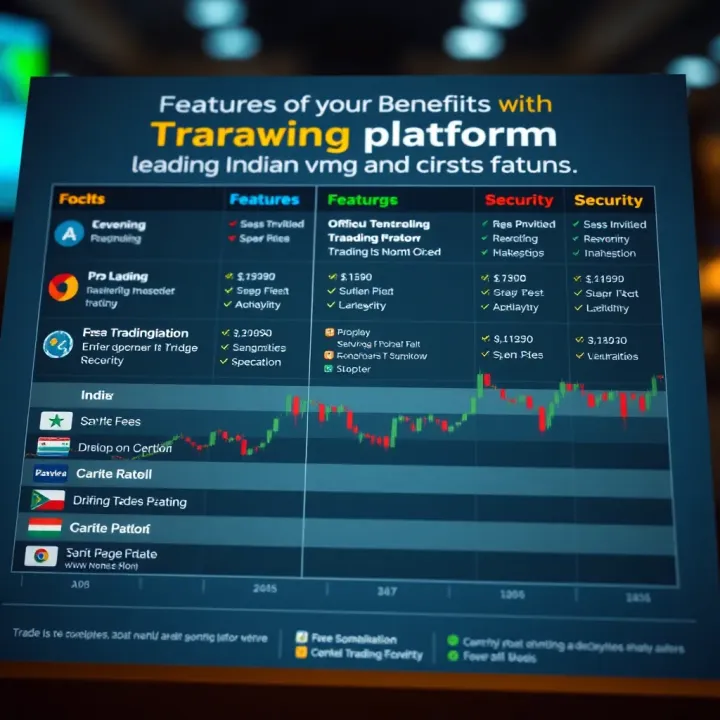
📈 Find the best trading app in India! Compare features, fees, security & support to pick the right platform for your trading needs. Safe & user-friendly options await.
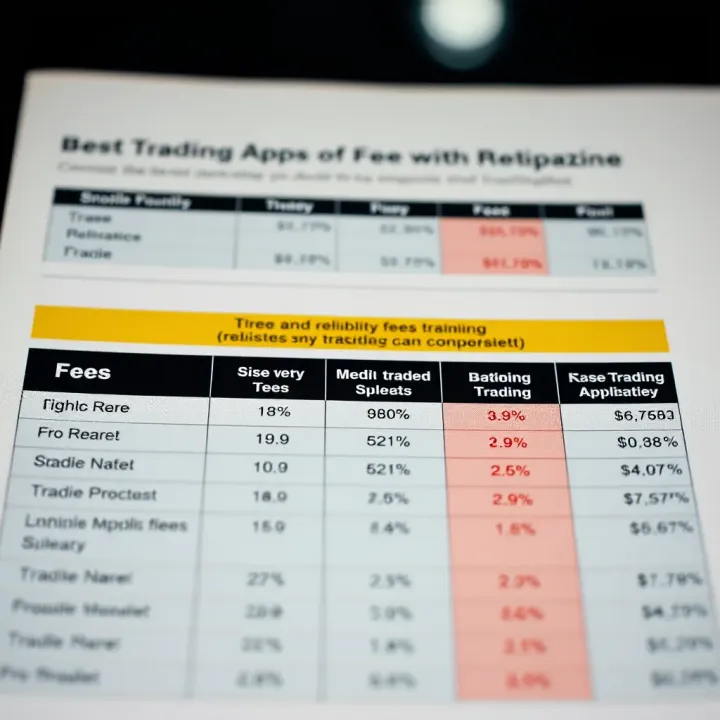
Explore top trading apps in India with insights on features, fees, & reliability. Find the best fit for your needs and stay updated with market trends 📈📱
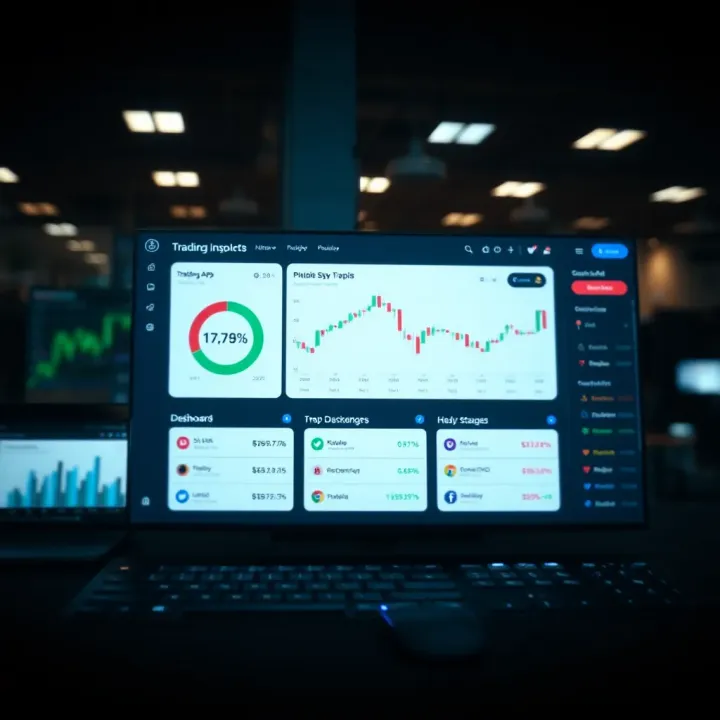
🔍 Find the best trading app for Indian investors! Explore features, costs, security & usability with expert tips to match your investment goals perfectly.
Based on 13 reviews