
Best Trading Apps in India: Features & User Guide
Explore top trading apps in India with insights on features, fees, & reliability. Find the best fit for your needs and stay updated with market trends 📈📱
Edited By
Henry Price
In today's fast-paced world, money trading apps have become the go-to tool for many traders and investors in India. These apps offer a quick and convenient way to engage with the stock market, commodities, and currencies without the hassle of traditional brokerages. But with so many options available, how does one choose the right app that fits their needs and ensures the safety of their investments?
This article will unpack the essentials of money trading apps widely used in India. We'll cover how these apps function, what features to look for, how they keep your money safe, and the regulatory landscape that governs them. Whether you're a seasoned trader or just dipping your toes into investing, understanding these aspects will help you make informed decisions.
By the end of this guide, you'll know what makes a trading app reliable and user-friendly. You'll also get a glimpse into popular options like Zerodha Kite, Upstox Pro, and Angel Broking, comparing their strengths and weaknesses.
Choosing the right trading app isn't just about flashy features; it’s about security, ease of use, and how well it matches your trading style. This guide aims to clear out the clutter and point you to what really matters.
Let's dive straight into the world of money trading apps, so you can trade smartly and securely.
In today's fast-paced markets, knowing about money trading apps is more than just handy—it's essential. These apps put trading power right in your pocket, letting you act fast when opportunities pop up. For anyone interested in investing or trading in India, understanding these apps can save you time, reduce costs, and improve your decision-making.
Think of these apps as your personal trading assistant—they offer access to stock exchanges, commodities, currencies, and more, all while providing tools and data that once were reserved for professional traders. Grasping how these apps work helps demystify the process and lets you trade wisely, preventing you from falling into common pitfalls.
Money trading apps are software applications designed to enable users to buy and sell financial assets directly from their smartphones or tablets. At their core, these apps let you monitor markets, place trades, and track your portfolio in real time—all without needing to sit in front of a desktop or visit a broker's office.
For example, apps like Zerodha Kite or Upstox provide seamless access to India's National Stock Exchange (NSE) and Bombay Stock Exchange (BSE), enabling users to participate in stock trading anytime, anywhere. Besides simple trade execution, these apps often include features like market news, portfolio analytics, and educational content to assist both beginners and pros.
The practical benefit is clear: you can react quickly to price movements, diversify assets efficiently, and even set automated alerts for specific trading signals, helping you stay ahead in the game.
Traditional trading platforms, typically accessed via desktop computers, often cater to institutional investors and professional brokers. They can be complex with steep learning curves, and accessibility is limited by device or location.
In contrast, money trading apps are designed with mobile-first users in mind. Their interfaces are usually simplified, enabling quick navigation and ease of use while on the go. Additionally, the lower entry barrier allows everyday investors, even those new to trading, to jump straight into the markets.
Moreover, many apps integrate with banking systems for instant fund transfers and offer reduced brokerage fees, making trading more affordable. For instance, apps like Groww or 5Paisa streamline the account opening process, often completing KYC in minutes, something traditional brokers might take days to do.
Stock trading is the backbone of many money trading apps. These apps allow you to buy and sell shares of publicly listed companies across Indian exchanges such as NSE and BSE. Whether you’re looking to invest long-term in companies like Reliance Industries, TCS, or Infosys, or dabble in short-term trading, the apps offer access to live stock prices, historical data, and order placement.
For example, Zerodha Kite offers handy features like advanced charting tools and market depth views to help traders analyse stocks before making decisions. Such tools reduce the need for external research and give you the confidence to act swiftly.
Beyond stocks, many apps enable trading in commodities like gold, silver, crude oil, and agriculture products. Commodity trading appeals to those looking for portfolio diversification or hedging against inflation. Apps like Angel Broking provide commodity contracts that match the ones traded on MCX (Multi Commodity Exchange).
Forex trading is also catching interest in India, with apps offering pairs like USD/INR, EUR/USD, and GBP/INR. This allows traders to speculate on currency movements, a market known for high liquidity and 24-hour operation. However, forex is riskier and less regulated than stock trading, so the apps often include educational resources to help users understand the nuances.
With India's buzz about cryptocurrencies, some money trading apps have added support for digital assets like Bitcoin, Ethereum, and Ripple. Apps such as WazirX or CoinDCX let users buy, sell, and even stake cryptocurrencies, integrating wallets and secure storage.
This section of trading attracts tech-savvy investors seeking high volatility and potentially quicker gains, though it comes with notable regulatory uncertainty in India. That’s why these apps typically emphasize security features and transparent fee structures.
Understanding the types of trading you want to pursue is key to choosing the right app—whether it’s stocks, commodities, forex, or cryptocurrencies, each has unique features and risks to consider.
Choosing the right money trading app often boils down to one thing — the features it offers. In India’s fast-moving market, an app packed with practical, user-friendly features isn't just a convenience; it’s a necessity. Whether you’re locking in long-term investments or darting in and out of day trades, the tools at your fingertips can make or break your trading experience.
Consider this: an app with clunky navigation or limited order types might leave you stuck while the market moves ahead. On the flip side, apps like Zerodha’s Kite or Upstox bring neat interfaces, speedy execution, and analytical tools that traders swear by. We’ll break down what to watch for, so you can pick an app that fits your style and maximizes your efficiency.
A smooth, intuitive interface isn’t just a fancy add-on. When you’re juggling multiple stocks or currency pairs, every second counts. An app with cluttered menus or confusing layouts can slow you down, increasing chances of costly mistakes. Look for straightforward layouts where essential functions like placing orders, checking balances, and reviewing portfolios are just a tap or swipe away.
Apps like Angel Broking’s app score high for ease of use. They organize watchlists and news feeds logically, making important info accessible without hunting. Test driving features on app demos or free versions before committing can save headaches later.
Trading isn’t one-size-fits-all, so your app should let you personalize the experience. This could mean adjustable dashboards, customizable watchlists, or setting preferred themes. For example, some traders prefer dark mode for late-night sessions, while others want to highlight specific stocks with color-coded alerts.
Think of customization as your trading cockpit—knowing where everything is, exactly how you like it, can sharpen focus and boost confidence. Check if the app lets you tweak notification settings, chart layouts, or order presets to match your routine.
Charts and indicators are a trader's bread and butter. Good apps provide built-in tools for technical analysis, such as moving averages, RSI, Bollinger Bands, and trendlines directly on interactive charts.
For instance, Zerodha’s Kite offers over 100 indicators, allowing traders to spot trends without needing separate software. Without these tools, you’d be flying blind, guessing market movements, which isn’t the best strategy. Solid charting and analysis help pinpoint entry and exit points more precisely.
Markets don’t wait, and neither should your app. Real-time data feeds ensure you see price changes and volumes as they happen, not minutes later. Delays can turn potential profits into losses, especially in volatile markets like forex or cryptocurrency.
Equally important are customizable alerts that notify you about price levels, news, or order executions. Upstox, for example, offers real-time push notifications that keep traders in the loop without needing to stare at the screen all day.
Staying up to the minute isn’t just helpful; it’s a smart risk control measure.
Every trader needs options. From market orders that execute immediately at current prices, to limit orders that let you set a specific buy or sell price, the variety matters. Stop-loss orders, bracket orders, and cover orders help manage risk and automate trading strategies.
Not all apps support the full range, so if you're aiming to automate or control your trades tightly, make sure the app offers these advanced order types. Zerodha and Groww come with multiple order options, catering to diverse trading needs.
Speed is the secret sauce for active traders. A laggy app means missed opportunities or unintended trades. Execution speed depends on the app’s backend technology and server infrastructure.
An app that routinely delays order execution by even a few seconds can cost dearly in fast markets. Look for apps with robust servers, minimal downtime, and positive user feedback on execution speed. Testing with small trades initially can reveal if the app’s claims hold up.
Linking your bank account seamlessly to your trading app simplifies life. Funding your trading account or withdrawing money should be as painless as sending a quick UPI payment.
Apps like Paytm Money and ICICI Direct excel here, offering straightforward bank integration, instant transfers, and clear transaction tracking. Avoid apps that make you jump through hoops or impose long waiting times for fund transfers.
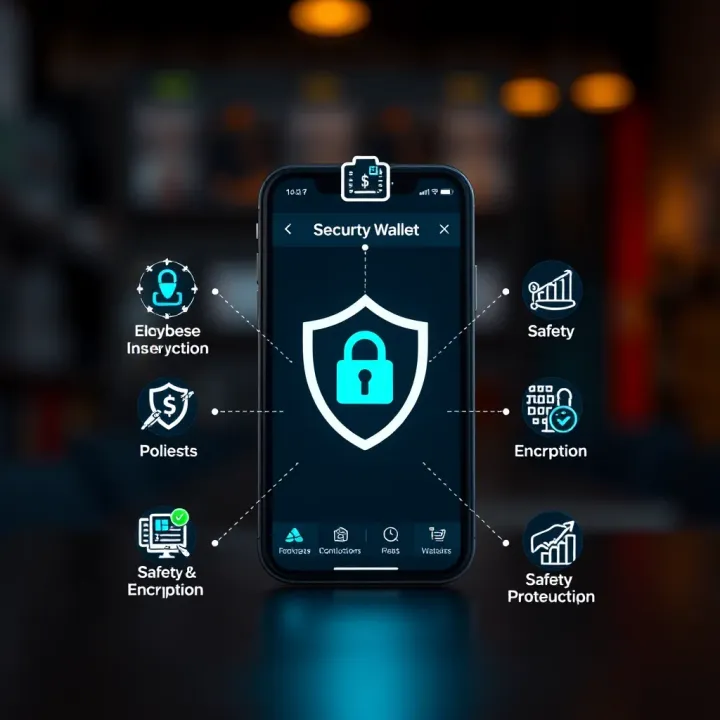
When money is moving, security can’t be optional. Your app must use encrypted payment gateways, comply with RBI guidelines, and ideally support two-factor authentication (2FA) during fund transfers.
Look for apps that partner with reputed payment processors rather than using obscure services. This reduces the risk of fraud and unauthorized access, so your hard-earned money stays safe.
Keeping these key features in mind will make your money trading app experience smoother, safer, and better aligned with your trading goals. It’s not just about the shiny bells and whistles but how these features translate into real advantage for your strategies and peace of mind.
Security and regulatory oversight are the backbone of trust when it comes to money trading apps in India. Given the sensitive nature of financial transactions and personal data involved, users need assurance that their investments are safe from fraudulent activities and that the platforms comply with legal standards. Without strict norms and protective technology, users expose themselves to risks like hacking, unauthorized trades, or data theft.
Trading apps must not only secure your money but also operate under clear regulatory frameworks to prevent malpractices. This section covers the key bodies responsible for regulation, as well as the common security features embedded in these apps, so you can identify trustworthy platforms.
The Securities and Exchange Board of India (SEBI) acts as the watchdog for the securities market, including money trading apps. SEBI's main job is to protect investor interests, promote fair trade practices, and regulate the market to ensure transparency. For trading apps, SEBI mandates registration and compliance with certain standards, like maintaining adequate capital, proper client fund segregation, and transparent fee disclosure.
For example, SEBI enforces rules that require trading apps to use client money strictly for transaction purposes, reducing the risk of misuse. The authority also routinely audits apps and imposes penalties for violations. As an investor, checking whether your chosen app is SEBI-registered helps ensure it operates under official oversight, reducing chances of fraud or unfair trade practices.
While SEBI handles the trading side, the Reserve Bank of India (RBI) is responsible for regulating payments and fund transfers linked to these apps. Most trading apps integrate with bank accounts or digital wallets, so they fall under RBI’s payment system regulations.
RBI ensures these transactions are secure, timely, and comply with Know Your Customer (KYC) norms. It enforces standards for authentication and fraud monitoring in payment gateways used by apps. For instance, RBI guidelines require two-factor authentication for transactions over a certain amount, adding an extra layer of protection against unauthorized fund movements.
Together, SEBI and RBI form a regulatory shield that covers both the trading and payment aspects of money trading apps, providing a safer environment for investors.
Two-factor authentication (2FA) is a must-have security step that many apps require during login or when executing sensitive actions. This involves verifying your identity through two separate means—typically your password, plus a time-sensitive code sent to your registered phone or email.
By introducing 2FA, trading apps prevent unauthorized access even if someone manages to steal your login credentials. It's a straightforward but highly effective way to protect your account from hackers, especially in public or shared device environments.
Encryption is the process of scrambling your data so that only authorized parties can read it. Data encryption in trading apps means your personal information, transaction details, and account data are stored or transmitted in a coded form.
Most reliable trading platforms use SSL (Secure Sockets Layer) or TLS (Transport Layer Security) encryption protocols, which provide real-time data protection during your app interactions. This keeps hackers from intercepting sensitive info like bank details or passwords when you’re connected over public Wi-Fi or other unsecured networks.
Beyond securing login and data, modern trading apps deploy fraud detection systems to catch suspicious activities before they escalate. These can include monitoring unusual trading volumes, rapid fund withdrawals, or login attempts from unknown devices.
For instance, if your app notices a login from a new location, it might freeze the account or ask for additional verification. Similarly, pattern recognition algorithms help spot phishing attempts or fake transactions. Good fraud detection not only protects your money but also reassures you that the app is watching out for unusual risks.
Investing through money trading apps without proper security and oversight is like leaving your front door wide open. Always prioritize apps that balance ease of use with strong protection and follow government regulations.
In short, knowing the role of SEBI and RBI, combined with understanding essential security features, equips you to pick trustworthy money trading apps. This knowledge helps you navigate the complex market safely and confidently, minimizing risks to your investments and personal data.
When it comes to choosing the right money trading app, knowing which ones are popular in India gives a solid starting point. Popular apps often mean they have a large user base, reliable performance, and ongoing developer support. This matters because a well-established app usually irons out early kinks and offers features that traders and investors really use in their daily decisions.
For example, apps like Zerodha’s Kite, Groww, and Upstox have made big waves in the Indian market because they blend ease of use with comprehensive tools. Practically, these apps help users trade stocks, commodities, and sometimes even cryptocurrencies—all from the comfort of their phones.
Picking a trading app that's widely used can reduce the likelihood of technical glitches and improve access to helpful community feedback.
The number of users and app ratings on stores like Google Play or Apple’s App Store give quick insight into an app's popularity and trustworthiness. For instance, Zerodha’s Kite boasts millions of users and consistently high ratings, signaling both reliability and user satisfaction. But it's not just the numbers; the quality and depth of reviews tell you if people find the interface intuitive or the services seamless.
This practically means if you're new, you might want to pick an app with a strong user base — there's a better chance your questions or issues have been dealt with already by others. Plus, active users mean the company probably listens and improves the app regularly.
Different apps focus on different kinds of trades. Some might shine for stock trading, while others extend into commodities or Forex. Apps like Groww started with mutual funds but have expanded to stocks and ETFs, giving users a one-stop shop feel.
Knowing the exact trading options an app supports is crucial because it aligns with your investing style. For instance, if you want to try commodity trading, a stock-only app won’t cut it. Simultaneous access to multiple asset classes can also help with diversification without juggling multiple apps.
Nothing kills enthusiasm faster than hidden charges popping up after a trade. Popular Indian trading apps often advertise zero brokerage on equity delivery or flat fees for intraday trades. Upstox, for example, is competitive with its fee structure, pitching low-cost trades that appeal to high-frequency traders.
Understanding the fee layout helps you avoid surprises and plan your trades better. Look for apps that clearly state their commissions, annual maintenance charges, or any inactivity fees. Sometimes, a slightly higher commission can be worth it if the app offers better tools or faster execution.
Good customer support isn't a nice-to-have; it’s essential. Imagine you’re midway through placing a trade and the screen freezes. Being able to quickly reach a live chat or help desk can save you from costly mistakes.
Apps like Zerodha and Groww provide real-time chat support, often alongside phone helpdesks, which are crucial for urgent issues. Fast and effective communication builds trust and keeps you engaged without frustration.
Trading isn’t always straightforward, especially if you’re new. Smooth apps include educational resources like step-by-step guides, video tutorials, or FAQs that make learning feel less like slogging through a textbook.
Take Groww again; their tutorials on investment basics and app navigation have helped many beginners get started confidently. These educational perks allow users to grow knowledgeably, reducing the chances of uninformed decisions.
In short, when choosing an app, check if it comes with support you can reach when in a jam, plus offerings that make trading simpler and more informed.
Picking the right money trading app matters more than most new traders think. A tool that matches your style, comfort with risk, and budget can save headaches and more importantly, money. On the flip side, a poor match might slow you down, cost more, or get you tangled in complex fees. For instance, if you’re someone who checks the market just once a week, you don’t need lightning-fast order execution but might value detailed research and tutorials more.
Making an informed choice means looking beyond just flashy features or big brand names. It’s about understanding what you need today and what you might want as you grow in your trading journey.
Trading apps cater to a whole spectrum—from the quick beat of day traders to the slow, steady hands of long-term investors. If you plan to hold stocks for years, you might prioritize apps offering robust portfolio tracking, dividend alerts, or retirement planning tools. Zerodha’s Kite platform, for example, is well known for being user-friendly and suitable for those in the long haul.
On the other hand, day traders need lightning-fast execution and real-time data—something that ICICI Direct’s app handles pretty well, despite its somewhat crowded interface.
Knowing your trading style helps you avoid paying extra for features you’ll never use or missing out on tools you need.
Everyone has a different appetite for risk. Some want to dip their toes into safer blue-chip stocks, while others chase higher rewards with commodities or crypto. Apps like Groww offer a broad spread of investment options—from mutual funds to stocks—helping users diversify their portfolio without juggling multiple platforms.
If you’re risk-averse, look for apps that provide clear risk metrics and educational content, helping you make calm, informed choices rather than chasing hunches.
Commission fees can eat into your profits, especially if you trade frequently. Most Indian apps like Zerodha offer zero brokerage on equity delivery but charge for intraday or F&O trades. It’s wise to check fee details upfront. For example, Upstox has competitive pricing with some trades charging as low as ₹20 or even zero for certain segments.
Understanding the commission structure depending on your trading frequency and volume can save you unnecessary expenses.
Beyond the obvious fees, watch for hidden costs like account maintenance charges, withdrawal fees, or charges for accessing certain reports. Some apps might entice you with zero brokerage but compensate by charging for deposit or withdrawal transactions. Angel One, while popular, sometimes levies extra fees on non-equity orders, so it pays off to read the fine print.
Reviewing the fee schedule thoroughly can prevent nasty surprises.
An app crashing mid-trade or sluggish during market spikes can cost dearly. Ensuring your chosen app performs reliably under pressure is essential. Apps like HDFC Securities and Kotak Securities usually have stable platforms but can slow down during peak hours.
Trial runs and feedback on downtime can give you an idea of what to expect.
Dig into app store reviews and community forums for honest user experiences. Look out for repeated issues like login troubles, slow support response, or discrepancies in account data. Don’t overlook positive feedback on customer support or educational resources, which can make a big difference when you’re starting out.
Remember, no app is perfect, but the general trend of user feedback can guide you closer to the best fit.
Always test-drive apps using demo accounts or with small investments before committing fully. It’s a simple step that helps you see if an app fits your needs and comfort zone.
Choosing the right money trading app is a personal decision, blending your style, goals, and the practicalities of cost and reliability. A little homework now saves a lot of frustration later. Happy trading!
Using money trading apps comes with the convenience of easy access to markets but also brings the risk of exposing your financial information to potential threats. It's not just about picking the right app; knowing how to protect yourself while trading online is equally important. Taking basic safety steps ensures your account doesn't become easy prey for hackers or scammers, preserving both your money and peace of mind.
Creating a strong password is your first line of defense against unauthorized access. Many users still go for simple passwords like "123456" or their birthdates, but these can be cracked in no time. A robust password combines upper and lower case letters, numbers, and special characters. For instance, instead of "Rajan2020," something like "R@j4n#20!" significantly ups your security.
Avoid using the same password across multiple platforms, especially your email and trading app. If you’re worried about remembering complex passwords, password managers such as LastPass or Bitwarden can help you keep track securely without the hassle.
Phishing is when fraudsters try to trick you into revealing personal info, often by pretending to be the app’s official support team or sending fake alerts. A common scenario involves receiving an email or message saying your account is locked due to suspicious activity, urging you to click a link and enter your credentials. Beware of any unsolicited communication asking for sensitive data.
Always check the sender's email address carefully — legitimate emails from apps like Zerodha or Upstox have official domains. Don’t click on suspicious links or download attachments from unknown sources. If unsure, open the app manually rather than using a provided link.
Staying alert to phishing tactics can save you from costly mistakes and safeguard your account integrity.
Markets don’t move on a whim; they're influenced by global events, government policies, and company news. Keeping up with reliable financial news sources like Economic Times, Moneycontrol, or Bloomberg Quint helps you anticipate shifts that might affect your trades.
For example, if the RBI announces a change in interest rates, sectors like banking and real estate can react sharply. Knowing this in advance allows you to make calculated decisions rather than panic-selling or missing out on opportunities.
Market conditions and your personal financial goals evolve, so regular check-ins help keep your investments aligned. Set a monthly or quarterly reminder to review your portfolio’s performance.
Look at what’s performing well, what’s dragging, and whether your diversification still makes sense. For example, if you find that 70% of your investment is tied to one sector like IT, you might want to consider reallocating to reduce risk.
This habit not only helps you manage risks but also prevents emotional decisions driven by short-term market noise.
Being cautious and informed while using money trading apps sets a strong foundation for trading success. Small steps like a secure password or reading market updates can make a world of difference in protecting your hard-earned money.
Looking ahead, the future of money trading apps in India is set to reshape how traders and investors handle their portfolios. It’s vital to grasp the upcoming changes and innovations since these will affect everything from the ease of trading to the level of safety provided. Apps that keep pace with technology and evolving regulations won’t just survive; they’ll thrive. Understanding the trajectory these apps are on can help you prepare and choose the right tools as the market evolves.
Artificial intelligence and machine learning are no longer buzzwords; they're key drivers behind smarter decision-making in trading apps. These technologies analyze vast amounts of data quickly—think of spotting trends or forecasting market movements well ahead of the curve. For example, Zerodha's Kite app uses AI to offer improved chart predictions and personalized insights, which can make a real difference for active traders. Incorporating these tools can help you identify entry and exit points more precisely and manage risks better, making your trades smarter, not just faster.
Blockchain is carving out space beyond cryptocurrencies to enhance the trustworthiness and transparency of trading platforms. Money trading apps are gradually adopting blockchain to secure transactions and maintain tamper-proof records. This shift means your trades become less prone to hacking or data manipulation. Take, for instance, platforms experimenting with blockchain for faster settlements and reduced transaction costs. While this tech is still maturing in India’s money trading scene, keeping an eye on apps integrating blockchain could provide you with an edge in security and efficiency.
Regulations are likely to tighten, impacting app features significantly. For one, apps may need to include more robust identity verification and transparent fee disclosures. This could slow down onboarding slightly but will boost overall trust and reduce fraud risk. Recently, SEBI proposed stricter guidelines for digital platforms involved in trading, which might mean enhanced compliance checks and potentially new features like automated risk alerts. For users, this translates to safer but possibly more regulated app environments.
Investor protection is becoming more central in regulators’ minds. New measures might require apps to incorporate better educational support, pop-up warnings on risky trades, or limits on leveraged products for inexperienced users. This level of protection aims to prevent the common pitfall of impulsive losses or scams. For instance, if you’re using an app like Upstox or Angel One, you might notice more built-in tools for understanding risks and guidance on portfolio diversification soon. These changes will help you trade confidently, knowing that the app prioritizes your financial security.
Staying ahead means not just watching the markets but also keeping tabs on how these apps adapt technologically and legally. The tools you choose today should be ready for tomorrow’s demands.
By understanding these trends and regulatory developments, you’re better positioned to select an app that matches your trading style and needs well into the future.
Explore top trading apps in India with insights on features, fees, & reliability. Find the best fit for your needs and stay updated with market trends 📈📱
📊 Explore top trading apps in India! Compare features, fees, security, and support to find the best investment platform tailored to your trading style.
📱 Discover how money trading apps work, explore trading types, key features, and tips to choose wisely. Stay safe with insights on risks & regulations in India.
📱 Discover how market trading apps work and learn key features, security tips, and regulations to pick the best app for Indian investors confidently.
Based on 14 reviews