

Understanding Mobile Trading Apps in India
📱 Explore mobile trading apps in India: features, benefits, tips for choosing the right one, security advice, challenges, and emerging trends in trading.
Edited By
Charlotte Davies
In today's fast-moving financial world, money trading apps have carved out a vital space for investors and traders alike. These apps offer a streamlined way to buy, sell, and monitor various financial assets right from your smartphone or tablet. Given the rise in digital trading in India, understanding how these platforms function and what to watch out for has become more important than ever.
Money trading apps aren't just about convenience; they have reshaped how everyday investors engage with the stock market, commodities, forex, and cryptocurrencies. Whether you're a seasoned trader or just dipping your toes into the investment pool, these tools provide real-time data, quick order execution, and access to multiple asset classes in one place.
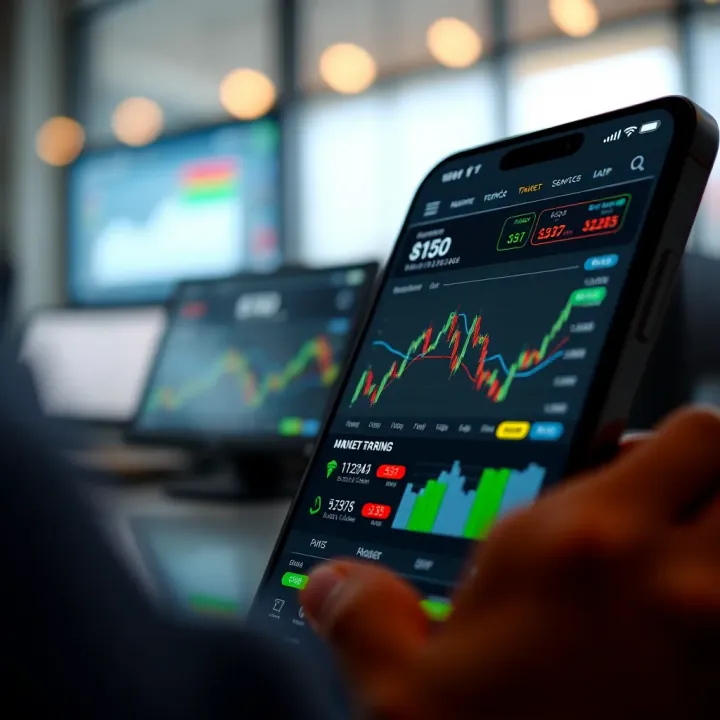
Navigating these apps without a clear grasp can lead to costly mistakes. So, it pays off to get a practical handle on their features, risks, and the regulatory environment, especially within the Indian context.
This guide aims to break down the essentials—you'll find what types of trading options are available, the must-have features to look for, and tips on choosing a reliable app suited to your trading style. Plus, we'll delve into common risks like market volatility and security concerns, alongside the regulatory factors shaping the Indian market.
By the end of this article, you should feel confident in understanding money trading apps—not just how to use them but how to pick one that aligns with your goals. Trading smart starts with knowing your tools.
Getting a solid grip on money trading apps is a good first step for anyone looking to invest or trade in financial markets nowadays. These apps aren't just a new way to trade—they've turned the whole scene upside down, making it easier, faster, and more accessible for people across India to manage their money and investments right from their pockets.
Understanding what these apps are and how they operate can really help investors make smarter choices. It’s not just about buying or selling stocks on a whim; it’s also about knowing what tools and features these apps bring to the table and how they might fit your unique investment plans and risk appetite.
In simple terms, money trading apps are mobile applications that let you buy and sell financial securities like stocks, bonds, commodities, currencies, and even cryptocurrencies directly from your phone or tablet. Think of apps like Zerodha’s Kite, Upstox, and Groww—they allow you to trade in real-time without needing to visit a broker’s office or sit at a computer.
What makes these apps stand out is their blend of convenience and functionality. They pack everything from live market prices to trading charts and order types, giving you a toolkit right in your hand. It's kind of like having a mini trading desk 24/7, whether you're waiting at the bus stop or sipping chai at home.
Before money trading apps came along, investing was often slow and somewhat intimidating, especially for newbies. You had to fill out paper forms, place orders through phone calls, or visit brokerage offices. Now, with apps like Angel Broking or 5Paisa, transactions that once took days are done in a blink.
These apps have also democratized investing. Smaller investors can now easily jump into the markets without hefty fees or minimum balance requirements. They bring in handy features such as instant account opening through Aadhaar eKYC, paperless trading facilities, and insightful market data to guide your decisions.
For example, a daily wage earner in Mumbai can now start investing in stocks with as little as ₹500 through a trading app, a major shift from older times when such opportunities were limited.
Moreover, they've boosted transparency and competition in the brokerage world, pushing firms to offer better rates and more innovative features. The overall result? More people participate, markets get more liquid, and investing feels like less of a distant, complex process.
In short, money trading apps have made the investment landscape more dynamic and accessible, helping more Indians build wealth over time with relatively low barriers to entry.
Money trading apps serve as versatile platforms for various trading activities, making it easier for investors to participate in different financial markets right from their smartphones. Understanding the types of trading each app supports is essential because not every app covers all asset classes, and your choice should align with your investment goals and risk appetite.
These apps typically allow you to trade stocks, forex, cryptocurrencies, commodities, and derivatives—but often specialize in one or two areas. For example, Zerodha’s Kite app is popular for stock trading in India, while WazirX caters mainly to cryptocurrency enthusiasts. Picking an app that matches your trading style helps ensure you have the right tools and market access.
Stock trading through mobile platforms has become mainstream thanks to apps like Upstox and Angel Broking. These apps allow users to buy and sell shares listed on stock exchanges such as the NSE and BSE. The appeal lies in the convenience and speed; trades that once required phone calls or visits to brokers now happen in seconds.
For instance, suppose you notice that Reliance Industries shares are dipping in the morning. Using a stock trading app, you can quickly place a buy order before the price bounces back. These apps often provide real-time price updates, charts, and analytics, enabling investors to make informed decisions.
Forex trading apps focus on currency pairs like USD/INR or EUR/USD, letting traders speculate on fluctuating exchange rates. Popular apps include Forex.com and IG, which offer tools tailored to forex markets, such as leverage options and advanced charting.
Unlike stock trading, forex is highly liquid and operates 24/7, making apps ideal for those wanting to trade outside regular stock market hours. However, forex trading comes with increased risk due to leverage, so these apps often incorporate risk management features.
Cryptocurrency trading has surged, with apps like CoinDCX and WazirX leading the Indian market. These apps let traders buy, sell, and hold digital assets like Bitcoin, Ethereum, and Ripple. Key advantages include immediate access to global crypto markets and features like staking or lending digital assets.
One standout feature is the ease of converting cryptocurrencies back to fiat money, which previously was a cumbersome process. Security is critical here; many apps use strong encryption and offer cold wallet options to protect assets.
Commodity trading apps enable investment in physical assets such as gold, silver, crude oil, and agricultural products. Apps like MCX Market or Angel One provide access to commodity exchanges, making it easier for traders to diversify their portfolios.
Derivatives, including futures and options, are also traded via these platforms. Derivatives can be tricky; for example, someone might use options on gold futures to hedge against price swings. These apps offer tools to analyze contracts and expiry dates, but traders should be wary of the complexity and volatility involved.
Selecting a money trading app often depends on the specific trading types you want to engage in. Each market has its quirks, tools, and risks, so choose accordingly to make the most out of your investment journey.
Choosing the right money trading app can feel like picking the right tool for a tricky fix. Each app has its quirks, strengths, and sometimes frustrating limitations. But focusing on the key features can save you a lot of headaches down the road. These aren’t just bells and whistles; they directly impact how efficiently and safely you can trade. From day traders to those dipping toes in occasionally, knowing what to look for helps you cut through the noise.
A user-friendly interface is the bedrock of any good trading app. Imagine trying to buy shares on an app that feels more like a cryptic puzzle—frustration builds fast, and you might miss out on crucial trades. Apps like Zerodha's Kite and Upstox prioritize smooth layouts with intuitive menus and dashboards. Clear fonts, logical placement of features, and responsive design on various devices are key. When navigation feels natural, you spend less time figuring out what button does what and more time making sound decisions.
Trading relies heavily on timing, so having up-to-the-second data is a must. It’s not just about seeing the numbers; it’s about getting them instantly and reliably. Apps like Angel Broking provide real-time quotes, live charts, and instant alerts for market movements or changes in your portfolio. Without this, you could be making decisions based on outdated info—a costly misstep. Alerts can be customized too, so you only get pinged for stocks or currencies on your watchlist.
In a world where cyber threats abound, a trading app's security can’t be taken lightly. Look for apps offering two-factor authentication (2FA), biometric logins like fingerprint or face recognition, and clear privacy policies. Large players such as Groww and HDFC Securities implement bank-level encryption to protect user data. Think of these as the strong locks on the door to your financial vault—without them, you're leaving yourself wide open to fraud or hacking.
A solid app should offer more than just a platform to buy or sell. Comprehensive tools—like technical analysis charts, risk management features, and calculators—help you make informed decisions. Moreover, educational content such as tutorials, webinars, or articles can be a lifesaver, especially for beginners. For example, Kuvera provides useful insights into portfolio diversification while providing planning tools, making it easier to learn as you trade.
When your money is involved, you need support that’s quick and reliable. Delays in help can mean missed opportunities or unresolved technical issues that keep you from trading. Choose apps with accessible customer service via multiple channels—phone, chat, email—offering prompt and effective responses. It's also good practice to check reviews about the app's uptime and how often it crashes; apps like 5Paisa have built a reputation for stability, which matters when every second can count.
Remember, the best trading app isn't necessarily the one with the flashiest features but the one that balances ease, security, and support to suit your personal trading style and goals.
Picking the right money trading app is more than just downloading the most talked-about one. It’s about matching the app’s features with what you actually need to meet your investment goals efficiently and safely. With so many apps in the market, each boasting unique tools and pricing models, making an informed choice can save you headaches and money down the line.
Understanding what you want to achieve with your investments comes first. Are you looking to dabble in day trading or invest for long-term growth? For instance, if you're into quick trades and want detailed market data, apps like Zerodha Kite or Upstox that provide real-time updates and advanced charting tools might fit best. Conversely, if you want to start small and learn gradually, Groww’s simple interface and educational resources could help ease you in without overwhelming complexity.
One right swipe on your phone could cost you if you don’t pay attention to fees. Every app estructura their charges differently — some charge per trade, others take a slice of your profits, and a few offer zero commissions but might have hidden fees like withdrawal charges. Take ICICI Direct, for example, which has tiered pricing. Knowing these costs upfront is crucial because excessive fees can eat into your profits over time.
A flashy app doesn’t always mean a reliable one. Before committing, dig into user reviews and ratings on platforms like Google Play Store or Apple App Store. Look for recurring issues such as frequent crashes, slow order executions, or poor customer service. For example, many users praise Angel Broking for its responsive customer support, which can be a lifesaver when you’re trying to fix a tricky transaction quickly.
It’s essential to ensure your chosen app abides by India’s financial regulations. SEBI and RBI oversee these platforms to protect investors. Apps like Zerodha, backed by SEBI registration and compliance, provide reassurance that they meet required standards. Non-compliance could expose you to risks such as unauthorized transactions or loss of funds, so never skip this step.
Always remember, an app that suits your goals, offers fair pricing, maintains a good reputation, and complies with regulations will help you trade smarter and safer.
Choosing the right money trading app is a combination of self-awareness and due diligence. Don’t rush. Explore options, try demo accounts if available, and choose an app that feels right for your style and goals. After all, your app is your companion on the investment path — having the right one makes a world of difference.
Money trading apps have made investing more accessible than ever, but they aren't without their pitfalls. It's important to understand the risks and challenges involved when using these platforms, especially as they relate to the volatile nature of markets, technical reliability, and security concerns. Being aware of these issues can help investors make wiser decisions and safeguard their capital.
One of the biggest challenges when trading via apps is market volatility. Prices can swing wildly within minutes, and it's easy to get caught off guard. For example, a sudden drop in a stock due to unexpected news can wipe out gains or increase losses. Many beginners underestimate how fast the market can move, especially when using leveraged products like margin trading. Without proper risk management strategies—like stop-loss orders or position sizing—investors may face heavy losses.
Remember, these apps give you access to real-time trading, but real-time losses can happen just as fast.
Technical glitches can really throw a wrench in your trading plans. Whether it’s a server outage, slow app response, or connectivity problems, these hiccups can prevent executing trades at critical moments. Imagine trying to sell during a sudden market crash, but the app freezes or disconnects—this can be costly. A well-known example is when Zerodha faced server issues during volatile trading days, causing frustration for traders. Users should always have a backup plan and avoid placing all trades through a single device or connection.
Security is a major concern for anyone using money trading apps. There have been instances of phishing attacks, fake apps mimicking legitimate platforms, and even unauthorized access due to weak passwords. For example, if a fraudster gains control over your trading account, they may execute trades without your consent or drain funds. To mitigate these risks, users must use strong passwords, enable two-factor authentication, and download apps only from official sources like the Google Play Store or Apple App Store.
It's crucial to recognize that no app is entirely immune to threats, but being prepared and vigilant drastically reduces vulnerability. If something feels off, like unexpected notifications or unfamiliar transactions, reaching out to customer support immediately can often prevent bigger problems.
Understanding these challenges helps investors navigate trading apps prudently, turning potential risks into manageable aspects of their investment journey.
Regulations play a big role in shaping how money trading apps operate in India. For investors and traders, understanding these regulations is not just a formality but an essential part of using these platforms safely and effectively. The rules ensure transparency, fairness, and security in trading activities. Without proper oversight, apps could easily become playgrounds for fraud or unfair practices, putting investors' money at risk.
The Securities and Exchange Board of India (SEBI) and the Reserve Bank of India (RBI) are the two primary regulators that keep a watchful eye on money trading apps. SEBI specifically oversees the securities markets including stocks, bonds, and derivatives, where most trading apps operate. Its role is to maintain market integrity and protect investor interests by enforcing disclosure norms and regulating brokers.
On the other side, RBI’s jurisdiction kicks in with currency trading and the management of digital payment systems involved in trading apps. For example, if an app allows forex trading or wallet services, RBI’s guidelines ensure that these services follow safe banking practices and anti-money laundering norms.
Together, SEBI and RBI form the backbone of regulatory oversight, making sure apps aren't just flashy front-ends but trustworthy platforms with accountability. Say an app like Zerodha or Upstox suddenly shows signs of irregular trading activities, these bodies can step in and investigate promptly.
To operate legally in India, money trading apps must follow strict compliance requirements. These include obtaining proper licenses, ensuring a secure data environment, and maintaining transparent fee structures. Most importantly, platforms need to follow KYC (Know Your Customer) and AML (Anti-Money Laundering) protocols rigorously. This means every trader’s identity gets verified, reducing the risk of fraud.
For example, an app like Groww requires users to upload government-issued IDs and address proofs before trading. This might seem tedious but it is critical for weeding out bad actors. Additionally, apps must regularly audit their systems and report to regulators about suspicious transactions.
Investor protection is a top priority behind these regulatory frameworks. Regulations compel trading apps to provide clear disclosures about risks, fees, and product features. This transparency helps investors make informed decisions rather than blindly following trends or hype.
Moreover, regulations enforce mechanisms like segregation of client funds and compensation schemes in case of broker default. Platforms like Angel Broking, for instance, hold client money separately from company funds, reducing the risk of misuse.
Strict regulatory oversight ensures that when you trade through a reputable app, your investments are safeguarded against malpractice and systemic failures. It reduces the chances of scams that have, in the past, plagued unregulated platforms.
Finally, regulators also run investor education campaigns and grievance redressal mechanisms. For any issues faced while using money trading apps, investors can reach out to SEBI or RBI for assistance, adding an extra layer of security.
In short, knowing about these regulations helps investors pick trustworthy trading apps and trade confidently, knowing the system has their back.
Diving into the world of trading apps without a solid game plan can be like sailing without a compass. To avoid unnecessary losses and sleepless nights, it’s crucial to adopt some practical safety and efficiency measures. These tips serve as your toolkit, helping you make smarter moves while keeping your investments secure. Think of them as your financial guardrails to keep you on track as you navigate markets through your phone.
Before you hit the “buy” button on any app, have a clear investment strategy in place. This means knowing what you want out of your investments—like steady growth, quick flips, or long-term value—and sticking to that plan. Without this, it’s easy to get swayed by market noise or the latest hot tip. For example, if you’re aiming for steady income, chasing high-risk penny stocks might only lead to headaches.
A well-thought-out strategy includes setting goals, risk tolerance, and exit points. Say you decide to invest in blue-chip stocks with moderate risk; you should know at what price you’ll sell to cut losses or take profits. This roadmap keeps emotions like fear and greed from pushing you into rash decisions.
It’s tempting to jump in big once you’re eager, but starting small is smarter. Small stakes mean you can test the waters and learn how the platform reacts during real market events without wiping out your savings. Think of it as dipping a toe into the pool rather than cannonballing straight in.
Apps like Zerodha and Upstox allow you to start with minimal amounts, so you can practice buys and sells while getting a feel for their interface and order execution speeds. Gradually increasing your investment lets you build confidence and better manage risk.
Bugs and security holes in outdated software can leave your trading activities vulnerable. Regularly updating your app ensures you have the latest fixes and protections. Many top apps like Angel One and Groww frequently release updates that patch security issues and improve performance.
Don't just stop at updating the app; your phone’s operating system also needs to be current. Outdated OS versions can be ripe targets for hackers looking to access sensitive financial data. Simple actions like these help keep you one step ahead of cyber threats.
This extra layer of security is a must for anyone serious about protecting their trading accounts. Two-factor authentication (2FA) means even if someone nabs your password, they still need a second piece of info (usually a code sent to your phone) to get in.
Most major trading apps like Paytm Money and 5paisa offer 2FA through SMS or authenticator apps like Google Authenticator. Enabling 2FA can be the difference between your account being secure or getting drained overnight by fraudsters.
Remember: Your trading app isn’t just software, it's your gateway to real money. Treat the security of your app as seriously as you would your wallet.
By weaving these safety nets and practical steps into your trading habits, your app experience won’t just be more secure, but smarter too. The goal is to turn trading apps into tools that amplify your investing potential, not sources of risk you didn’t bargain for.
Understanding the future trends in money trading apps is essential for any investor looking to stay ahead. These trends highlight how trading platforms are evolving to meet changing market demands and technological advances. For instance, the integration of new tech like artificial intelligence (AI) and deeper cryptocurrency offerings can significantly impact how users interact with these apps and manage their portfolios. Observing these trends helps traders anticipate new tools or features that can provide a competitive edge or improve trading efficiency.
AI is becoming a game-changer in trading apps. It can process vast amounts of market data much faster than humans, spotting patterns and signals that might go unnoticed otherwise. For example, Zerodha’s Kite app uses algorithmic trading strategies powered by AI, helping users to automate trades based on preset conditions. AI also powers chatbots that provide instant customer support and personal financial advice, saving time and reducing the chance of costly errors.
Investors can benefit from AI-driven predictive analytics for better market insights. Apps like Upstox have started using machine learning to offer personalized recommendations, adapting to how a trader behaves. While AI enhances decision-making, it’s still vital for users to understand the fundamentals and not rely entirely on automated suggestions.
Cryptocurrency features in trading apps are expanding beyond basic buying and selling. Platforms like WazirX and CoinDCX now support a range of services including staking, lending, and even decentralized finance (DeFi) options directly through mobile interfaces. This growth reflects crypto’s rising adoption and the need for more versatile tools.
For instance, some apps now allow portfolio diversification within crypto assets, real-time tracking of token performance, and alerts for regulatory updates—crucial in a rapidly changing market. This means investors can manage both traditional stocks and cryptocurrencies under one roof, simplifying portfolio management.
Personalization is gaining traction in money trading apps. Moving beyond generic alerts, apps are tailoring experiences based on a user’s trading history, risk tolerance, and interests. For example, Groww offers customized learning modules and suggests investment opportunities aligned with individual goals.
Such personalization makes trading less intimidating and more accessible, especially for beginners. It can include customized newsfeeds, alerts about market changes most relevant to the user’s holdings, and even social trading features where users can follow the moves of successful investors.
Staying aware of and adapting to these future trends can help investors make smarter decisions and avoid falling behind in an increasingly fast-paced market.
In summary, the future of money trading apps in India and globally looks to be more intelligent, inclusive, and personalized. Keeping an eye on these changes will be a smart move for anyone serious about trading or investing.
In India, money trading apps have become a cornerstone for many investors and traders due to the rising interest in both traditional stocks and emerging cryptocurrencies. These apps offer practical ways to buy, sell, and manage investments on the go, making investment opportunities accessible beyond the usual trading desks. Understanding the popular apps in the market helps investors pick platforms that suit their strategy, fees structures, and security preferences.
When it comes to stock market trading, apps like Zerodha Kite, Upstox Pro, and Groww dominate the scene. Zerodha Kite is particularly known for its minimalistic design and fast, real-time data, allowing users to place orders swiftly without unnecessary clutter. Upstox Pro offers advanced charting tools and indicators favored by technical traders. Meanwhile, Groww has become popular among beginners for its easy navigation and educational content, which helps new investors get comfortable with stock selections.
Each app brings unique benefits; for instance, Zerodha offers low brokerage fees, making it attractive for frequent traders. Upstox's integration with advanced trading tools suits those who want to dissect market movements deeply. Groww simplifies the whole process with a user-friendly interface that feels less intimidating for first-timers.
Choosing the right stock trading app depends heavily on your trading style and needs, whether you want in-depth analytics or a straightforward buying experience.
Cryptocurrency trading in India has surged despite regulatory uncertainties, with apps like WazirX, CoinDCX, and ZebPay leading the pack. WazirX appeals because of its seamless user experience and support for a broad range of coins, coupled with features like instant deposits and withdrawals. CoinDCX is praised for its security measures and wide selection of tokens, making it a go-to for serious crypto enthusiasts. ZebPay is one of the oldest platforms and emphasizes simplicity and reliability, perfect for users wary of volatile crypto markets.
The rise of these apps offers Indian investors a chance to diversify their portfolios beyond traditional assets. However, it’s essential to watch out for transaction fees, withdrawal limits, and the legal landscape, which might impact how you use these platforms.
Remember, while cryptocurrency apps offer exciting opportunities, they also demand more cautious handling due to the market’s inherent unpredictability.
Whether trading stocks or cryptocurrencies, the success of investment activities in India often hinges on the choice of app. Make sure to test apps with demo accounts when possible, review fee structures, and inspect the security protocols before fully committing your funds. Equipping yourself with the right tools is like having a solid foundation; it makes the difference between a bumpy ride and a smooth journey in money trading.
📱 Explore mobile trading apps in India: features, benefits, tips for choosing the right one, security advice, challenges, and emerging trends in trading.
📈 Explore the features & benefits of live trading apps for Indian traders. Learn how to pick the right app & get practical tips for better trading results.
🔍 Find the best trading app for Indian investors! Explore features, costs, security & usability with expert tips to match your investment goals perfectly.

📈 Learn how to pick and use money earning trading apps safely in India. Get tips on app features, security, smart trading strategies, and common pitfalls.
Based on 10 reviews