
Live Intraday Trading: Strategies and Risks
📈 Master live intraday trading in India with proven strategies, essential tools, smart risk management, and hands-on tips for confident, quick decisions.
Edited By
Amelia Edwards
Intraday trading requires quick thinking and precise actions as you buy and sell stocks on the same trading day. Unlike long-term investing, the focus here is on capitalising on small price movements during market hours. To master this, you need more than just luck—you have to understand market patterns, use the right tools, and manage risks effectively.
One key to successful intraday trading is grasping the basics of technical analysis. This includes reading candlestick charts, identifying support and resistance levels, and spotting trends. For instance, recognising a double bottom pattern early in the session can help you enter a position before a sharp upward move.
Using good trading platforms is also crucial. Platforms like Zerodha Kite or Upstox offer real-time data, advanced charting tools, and quick order execution, which are essential for fast-paced decisions. Delays of even seconds could turn a profitable trade into a loss.
Risk management cannot be overlooked. Many traders set a fixed percentage of their capital as the maximum loss allowed per trade, often 1-2%. Stop-loss orders help automate this discipline, preventing emotional decisions when the market swings suddenly.
Keeping a trading journal to record your trades, strategies, and outcomes sharpens your skills over time. It helps identify what works and what doesn’t, something even seasoned traders swear by.
Continuous learning is equally important. Markets evolve, new techniques develop, and regulations change—staying updated makes you adaptable. Attending webinars, reading market reports, and practising on demo accounts are practical ways to keep your edge.
To summarise, mastering intraday trading involves combining technical know-how, reliable technology, disciplined risk control, and persistent learning. Each of these elements, when followed sincerely, can improve your chances of profiting in the volatile daily market swings.
Intraday trading means buying and selling stocks or other financial instruments within the same trading day. This approach relies on taking advantage of price movements during market hours rather than holding positions overnight. Grasping the basics here matters because it forms the foundation for making quick, informed decisions that limit risk and boost chances of profit.
Intraday trading is distinct because all trades start and finish within a single day. Traders look for opportunities in volatile stocks or indices during active hours, aiming to capitalise on short-term price fluctuations. Key features include high liquidity, fast execution, and tighter stop-loss limits. For example, a trader might buy shares of Reliance Industries in the morning and sell them by afternoon once the price moves favourably.
Unlike positional or long-term investing, intraday trading avoids overnight market risks such as news events or global developments impacting prices after hours. In positional trading, investors hold stocks for days or weeks, looking for substantial gains, while intraday traders focus on small price changes repeatedly during the day. This difference means intraday traders need sharper timing and more frequent monitoring to succeed.
Indian equity markets operate from 9:15 am to 3:30 pm IST, split into pre-opening, normal trading, and closing sessions. The pre-opening session (9:00 am to 9:15 am) allows orders to accumulate and set the opening price. Most intraday trading happens during the normal session, where liquidity peaks and price movements get sharper. Understanding these timings helps traders plan entry and exit points sensibly, avoiding periods of low volume that might affect trade execution.
Knowing these basics helps intraday traders develop discipline, avoid common pitfalls like holding positions overnight unintentionally, and better manage their time and capital during the trading day.
Getting started with these concepts ensures you aren’t just trading blindly but making moves based on solid groundwork. Traders in India especially benefit from understanding market hours well, as local news, government policies, and global economic releases during Indian daytime can influence intraday opportunities significantly.
Before diving into the fast-paced world of intraday trading, having a solid grasp of market knowledge is essential. This foundation helps traders make informed decisions rather than speculating blindly. Without understanding the underlying instruments, market indicators, or regulatory framework, even the best strategies can fail.
Intraday traders primarily deal with financial instruments like stocks, futures, options, and exchange-traded funds (ETFs). For example, equity shares of companies listed on the National Stock Exchange (NSE) or Bombay Stock Exchange (BSE) often form the basis for intraday trades. Futures and options contracts offer leverage, allowing traders to control a larger position with limited capital. However, this comes with increased risk, so knowing contract specifications such as lot size, expiry dates, and margin requirements is crucial. Additionally, some traders focus on ETFs that track indices like the Nifty 50 to benefit from broad market movements instead of individual stock volatility.
Market indicators and indices provide snapshots of overall market health and help traders identify trends. Indices like the Sensex and Nifty 50 represent the performance of top companies and act as benchmarks. For intraday trading, technical indicators such as moving averages, relative strength index (RSI), and Bollinger Bands offer directional clues by analysing price and volume data. For instance, an RSI above 70 may signal an overbought stock ripe for a short sell, while an RSI below 30 often suggests a buying opportunity. Keeping track of these indicators allows traders to time entry and exit points more effectively.
Successful intraday trading depends heavily on reading these signals quickly and accurately to capitalise on short-term price swings.
The Securities and Exchange Board of India (SEBI) regulates the stock markets in India, ensuring fair practices and investor protection. Understanding SEBI’s rules around intraday trading, like margin requirements and short-selling restrictions, helps traders stay compliant and avoid penalties. Additionally, the Reserve Bank of India (RBI) influences market sentiment indirectly through monetary policy and interest rate changes. Traders should also be aware of the roles played by exchanges such as NSE and BSE, which enforce trading hours and circuit breakers designed to curb excessive volatility. Awareness of these regulatory frameworks strengthens a trader’s ability to navigate the markets smoothly.
Building expertise in these areas equips you with the necessary tools to understand market mechanics fully. With this knowledge, your intraday trading strategy gains more precision and reduces guesswork, ultimately enhancing your chances of success.
Technical analysis forms the backbone of intraday trading for many traders. It helps identify short-term price movements by analysing historical price data and trading volumes rather than company fundamentals. Mastering these tools allows you to time your entry and exit in the market more precisely, which is essential in fast-paced intraday scenarios.
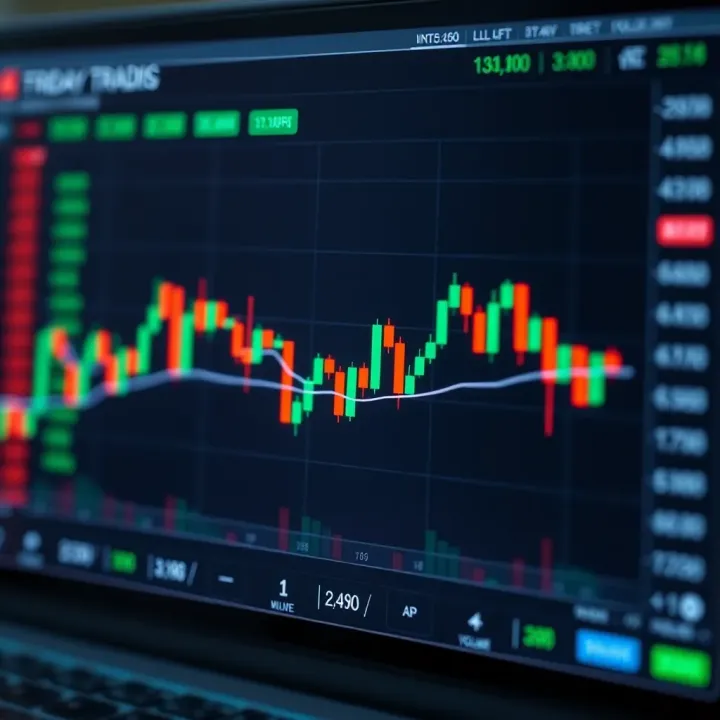
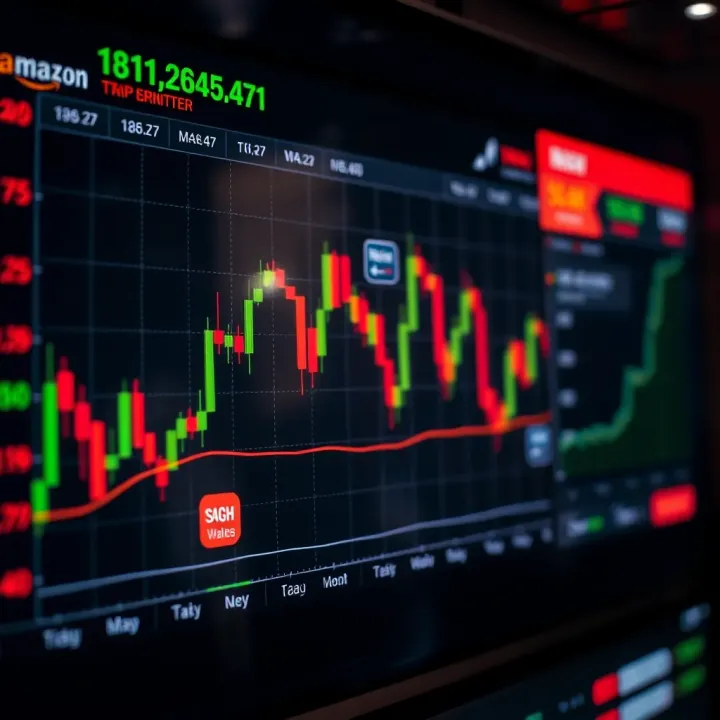
Charts visually represent price movements, showing patterns that suggest potential trends. Recognising formations like head and shoulders, double tops, or flags can indicate whether a stock is likely to continue upwards or reverse. For example, spotting a "bullish engulfing" pattern on a five-minute chart may signal a good buying opportunity, while a "double top" could suggest exiting a position to avoid losses. Using candlestick charts is popular among Indian traders for spotting such patterns quickly.
Indicators help quantify price action and market momentum, making complex data easier to interpret. The Relative Strength Index (RSI) is commonly used to spot overbought or oversold levels, which can hint when a stock might reverse. Moving Averages, especially the 20-period and 50-period, smooth out price data and reveal trend direction. For instance, a crossover where the 20-period moving average crosses above the 50-period might prompt a buy signal. Another valuable indicator is the Moving Average Convergence Divergence (MACD), which assists in spotting trend shifts and momentum changes.
Volume shows the quantity of shares traded during a particular period and confirms the strength of price moves. A price rise on rising volume often suggests strong buying interest, while a price increase on low volume may not be sustainable. For intraday trading, volume spikes at key levels such as support and resistance points can validate breakouts or reversals. For instance, if a stock breaks a resistance level with a high volume spike on the NSE, it’s a stronger endorsement of the move, signaling you can act confidently.
Proper use of technical analysis tools doesn’t guarantee success but improves your odds by offering clearer entry and exit points in the frenetic intraday market.
Together, these tools prepare you to respond swiftly to market changes, helping you spot opportunities and avoid pitfalls effectively. Start by practicing pattern recognition and indicator use on demo platforms before trading real money to build confidence and skill.
Practical experience marks the pillar of success in intraday trading, and it starts with simulations and consistent practice. Before risking real money, it's wise to familiarise yourself with market dynamics through simulated environments. This approach helps sharpen your decision-making without the pressure of actual gains or losses.
Paper trading and demo accounts offer risk-free platforms to test your strategies. These tools replicate live market conditions closely, allowing you to place virtual buys and sells as though in real trading. For instance, platforms like Zerodha Kite or Upstox provide demo accounts where you can practice trading without any financial exposure.
Using paper trading helps you get accustomed to market volatility and time your entry and exit points better. It also aids in understanding brokerage charges and transaction processes. Traders often treat this phase seriously, setting daily profit targets and stop-losses to imitate actual trading discipline.
Tracking your performance is key to refining your skills. Maintain a detailed log of every trade, noting why you entered or exited, the outcome, and emotional state. This journal becomes a tool for identifying recurring mistakes such as holding on to losing positions too long or overtrading driven by excitement.
Reviewing your trades regularly reveals patterns that might escape notice in the moment. For example, you might notice losses primarily occur when ignoring volume indicators or when straying from your analysis. Learning from such insights helps in recalibrating your strategy.
Keeping a trading journal and revisiting it helps transform raw experience into structured knowledge, crucial for sustained intraday trading success.
Continuous practice combined with honest performance tracking builds confidence and prepares you to tackle unpredictable market scenarios. Many successful Indian traders attribute their gains to disciplined practice using simulator accounts followed by rigorous self-review.
By investing time in simulations and self-assessment, you reduce costly errors and strengthen your grasp over market behaviour — steps essential to mastering intraday trading.
Managing risks and emotions is essential for anyone looking to succeed in intraday trading. This fast-paced activity involves quick decisions and rapid market movements, so controlling risks protects your capital and prevents heavy losses. At the same time, emotional discipline helps avoid impulsive trades that can erode profits. Traders who manage both well improve their chances of consistent gains.
Stop loss and profit targets act like safety nets in intraday trading. A stop loss limits your loss by automatically exiting a trade when the price falls to a pre-decided level. Likewise, a profit target locks in gains by selling once the price hits a desired point. For example, if you buy a stock at ₹500 and decide on a stop loss at ₹485 and a profit target at ₹520, you define the maximum loss (₹15) and profit (₹20) you are willing to accept. This strategy avoids emotional decisions when the market is volatile and helps keep losses within manageable limits.
Emotions can easily interfere with intraday trading decisions. Fear of missing out (FOMO) or impatience may lead you to overtrade — making too many trades without proper analysis or outside your plan. Overtrading drains capital through transaction costs and increases the risk of poor decisions. Maintaining emotional discipline means sticking to your trading plan, not chasing every price move, and accepting that some days will have fewer opportunities. For instance, successful traders often have rules like "I will take only three trades a day" or "I won’t increase my position if a loss occurs." These help you stay focused on quality over quantity.
Position sizing controls the amount of capital you put into each trade relative to your total trading fund. Proper sizing limits potential losses and ensures you don’t risk too much on one trade. For example, if your trading capital is ₹2 lakh and you decide to risk only 2% per trade, the maximum loss allowed would be ₹4,000. If your stop loss is ₹20 per share, you can buy 200 shares. This systematic approach prevents large drawdowns that are hard to recover from. Additionally, capital management means keeping some funds aside and not deploying everything at once — this gives room to seize fresh opportunities without overexposing your portfolio.
Controlling risks with clear exit rules and managing your emotions are the pillars of intraday trading success. Without these, even the best strategies can fail.
In intraday trading, protecting your capital is as important as finding profitable trades. Setting stop losses and profit targets, practising emotional discipline, and managing position sizes combine to create a disciplined, practical trading approach. These guidelines help you navigate volatile markets calmly and steadily grow your trading skills and wealth.
Picking the right trading platform is a game-changer for intraday traders, who need speed, accuracy, and reliability in their tools. A platform that responds smoothly and provides clean, real-time data can help avoid costly delays when entering or exiting positions.
Look for platforms that offer swift order execution, a user-friendly layout, and advanced charting tools. For instance, Zerodha’s Kite platform is popular in India for its simple interface paired with a range of technical indicators. A good platform also provides risk management features like stop-loss orders and alerts so you can keep a check on your trades effortlessly. Seamless integration with bank accounts and quick fund transfers are also important to ensure smooth transactions.
In today’s fast-moving market, mobile trading apps are indispensable. Traders often need to act on changes happening minute-by-minute, even while travelling. Using apps such as Upstox or Angel Broking, which offer instant notifications and live market updates, keeps you connected. Real-time data access prevents surprises by keeping you updated on price movements and market depth, which is vital for intraday strategies.
Many platforms support additional tools that enhance trading efficiency. For example, charting software like Trendlyne offers deep technical insights, while news aggregators help you react quickly to market-moving events. Some Indian intraday traders use Telegram bots for customised alerts or Excel add-ons to track their daily performance systematically. Using these add-ons effectively can boost your decision-making process without overwhelming you.
Choosing the right trading platform and tools shapes your trading experience. A well-selected platform that fits your style and needs can save precious seconds and improve your profit potential significantly.
Selecting a reliable platform with fast mobile access and useful add-ons supports sharper decision-making and easier trade management. This is especially true in intraday trading, where every moment counts and data-driven choices define success.
Intraday trading moves fast, so staying updated with market trends and continually learning is essential for any trader aiming to keep an edge. The stock market’s pulse changes daily due to economic events, policy announcements, and global factors. Without ongoing education and keen awareness of these shifts, even experienced traders can slip behind.
Keeping track of financial news is non-negotiable for intraday traders. Daily updates from sources like Economic Times or Moneycontrol help you spot market-moving information quickly. For example, a sudden RBI interest rate cut can cause sharp market reactions, providing intraday opportunities if you are alert. Besides news headlines, watching expert analysis gives context to price moves and helps you understand the "why" behind trends. This combination sharpens decision-making and prevents you from chasing false signals.
Joining webinars and active trading communities turbocharges learning by exposing you to diverse strategies and real-time market insights. Various brokers and financial websites host free webinars where pros discuss setups, share charting tricks, and review daily market behaviour – gaining direct access to their thought process is priceless. Also, online forums and Telegram groups for intraday traders allow exchanging ideas and reviewing trades together. This interaction builds perspective, corrects blind spots, and often introduces tools you may not have tried before.
A trading journal is more than just a diary. It documents your trades, rationale, emotions, and outcomes. Reviewing it regularly reveals patterns, strengths, and recurring mistakes. For instance, you may find you're consistently exiting winners too early due to fear. Recognising this helps you tackle the issue methodically. Use simple formats: note entry price, exit price, stop loss, trade type, and brief notes on why you took the trade. Over time, this habit improves discipline and sharpens your strategy.
Regular learning and staying connected with market developments build the mental muscle required for intraday trading success.
In summary, combining up-to-date financial news, learning from industry experts, engaging with peers, and maintaining a detailed trading record will keep your trading skills responsive and refined amid India’s dynamic markets.
📈 Master live intraday trading in India with proven strategies, essential tools, smart risk management, and hands-on tips for confident, quick decisions.
📈 Learn intraday trading essentials in India: key features, techniques, risks, and tools to trade wisely within a single day. Start smart today!
📈 Master intraday trading in India with practical tips, strategies, key tools, and risk management to trade confidently within the same day.
📈 Learn how to pick the right stocks for intraday trading in India. Discover strategies, risk tips, and key tools to boost your short-term trading success.
Based on 12 reviews