

Momentum Candlestick Patterns Explained
📈 Learn how momentum candlestick patterns signal strong price moves in trading. Understand key types, interpretation tips, and find reliable PDFs for deeper insights.
Edited By
Sophie Reed
Candlestick patterns are vital tools in technical analysis, widely used by traders and investors to read market psychology and predict price movements. Originating from Japanese rice markets centuries ago, these visual representations of price action have become integral in Indian equity and commodity markets, helping participants make informed decisions.
Each candlestick displays four key prices for a trading period: open, high, low, and close. The body shows the range between open and close, while the wicks (or shadows) represent highs and lows. The colour of the body—usually green (bullish) or red (bearish)—gives quick insight into market sentiment during that period.

Understanding candlestick patterns is not about luck but recognising repeated price behaviours that reflect supply-demand dynamics.
This guide focuses on 35 widely recognised setups, classified into bullish, bearish, and neutral categories. Knowing these patterns enhances your ability to spot potential reversals, trend continuations, or sideways moves, improving timing and risk control.
For example, the Bullish Engulfing pattern often signals a strong reversal after a downtrend, where a large green candle completely covers the previous red candle, indicating buyer dominance. Conversely, Shooting Star hints at a potential bearish reversal, marked by a small body with an extended upper wick, showing price rejection at higher levels.
Besides pattern recognition, combining candlestick insights with volume data, support-resistance levels, and broader market context is crucial for accuracy. Relying solely on a single candle or pattern may lead to false signals.
This guide presents clear visuals alongside explanations tailored for Indian markets, allowing you to quickly identify patterns on charts from NSE or MCX, whether trading in stocks or commodities like gold and crude oil. By mastering these setups, you can sharpen your technical analysis skills and navigate the market with greater confidence.
Next, we will cover the 35 patterns one by one with images and trading implications to help you spot opportunities and avoid pitfalls effectively.
Candlestick patterns serve as a powerful tool for anyone interested in reading price movements in financial markets. Right from seasoned traders to new investors, recognising these patterns can unlock clear insights into market sentiment and possible trend changes. This section sets the foundation by explaining what candlestick charts are and why these patterns matter in daily trading decisions.
A candlestick chart breaks down price data into four key points for a specific time period: the opening, closing, highest, and lowest prices. Each candlestick looks like a short vertical bar (the "body") with vertical lines ("wicks" or "shadows") extending above or below it, indicating price extremes. For example, if a stock on NSE opened at ₹1,000, closed at ₹1,050, but touched ₹1,060 at the peak, this forms one candlestick for that trading session.
Colours matter here: a green or white candle typically means the closing price was higher than the open, signalling buying pressure. A red or black candle suggests sellers had the upper hand. Understanding these basics is essential before jumping into pattern recognition.
Candlestick patterns capture the tug-of-war between buyers and sellers, helping predict possible reversals or continuations. For instance, a "Hammer" formation after a downtrend often hints that selling pressure could be weakening, potentially signalling a bullish reversal.
In Indian markets, combining these patterns with volume data or other indicators such as the Relative Strength Index (RSI) can provide stronger confirmation before placing trades. These patterns are easier to spot and interpret visually, which can be more accessible than reading numerical data alone.
Recognising patterns early can help you make timely decisions, reduce risks, and improve chances of profit in volatile markets like Sensex, Nifty, and commodities.
To sum up, mastering candlestick patterns equips traders and investors with a practical, visual method for understanding daily price action. This forms the backbone for the detailed setups and strategies discussed later, so grasping these foundations will make you more confident navigating Indian equity and commodity charts.
Recognising key bullish candlestick patterns is fundamental for traders aiming to catch upward price movements early. These patterns signal potential reversals or continuations of an uptrend, helping you make timely buy decisions. Visuals make it easier to identify these setups on real charts, sharpening your ability to predict price shifts in Indian markets such as the Sensex or Nifty.
Hammer: The hammer signals a possible bullish reversal after a downtrend. It features a small body near the top of the candle with a long lower shadow at least twice the length of the body. This shows sellers pushed prices lower during the session but buyers regained control by closing near the open. For example, on an Nifty daily chart, spot a hammer after a series of bearish candles—this suggests buyers might soon push prices up.
Inverted Hammer: Unlike the hammer, the inverted hammer has a small body near the bottom and a long upper shadow. This pattern also appears after a downtrend and shows buyers tried to push prices higher but faced selling pressure. Still, it hints at potential support nearby as sellers couldn’t fully dominate. In commodities like gold, an inverted hammer can warn traders about a possible price bounce despite initial caution.
Dragonfly Doji: This single-candle pattern has almost no body and a long lower shadow, resembling a "T" shape. It indicates indecision but also that buyers fought back strongly from session lows. When this shows up after a drop in stocks such as Reliance Industries, it can signal a turning point, suggesting prices will rise.
Bullish Engulfing: This two-candle pattern forms when a small bearish candle is fully covered (engulfed) by a larger bullish candle. It reveals a surge of buying interest overcoming prior selling. On the Nifty, a bullish engulfing pattern near a support level often confirms a strong rally.
Morning Star: A classic three-candle setup where a large bearish candle is followed by a small-bodied candle (could be a Doji) that gaps lower, and then a big bullish candle closing well into the first candle’s body. This pattern suggests exhaustion of selling pressure and a fresh buying wave. Traders rely on this signal during volatile markets to catch early recoveries.

Three White Soldiers: Consisting of three consecutive long bullish candles with small wicks and progressive higher closes, this pattern shows consistent buying strength. It often marks the start of a sustained uptrend. For instance, spotting this formation in a stock like Tata Motors signals robust bullish sentiment, prompting traders to enter or increase long positions.
Mastering these bullish candlestick patterns with their visual cues empowers you to read market sentiment quickly and make well-timed trades, especially in India’s dynamic equity and commodities markets.
Recognising common bearish candlestick patterns is vital for traders and investors looking to anticipate potential downtrends in the market. These patterns help signal when sellers might be gaining control, allowing timely decisions to exit positions or consider short-selling. In the Indian markets, where price swings can be sharp due to economic, geopolitical, or policy changes, spotting such patterns early can save losses or lock in profits.
Visual examples make it easier to understand these patterns, as their shapes and formation tell a story of market sentiment. For example, a sharp upper wick often represents buyer exhaustion. Practical application means combining pattern recognition with volume and other indicators to confirm the bearish signal before taking action.
A shooting star appears after an uptrend and signals a potential reversal to the downside. It features a small body, little or no lower wick, and a long upper wick that demonstrates buyers trying and failing to push prices higher. Traders often spot this on daily charts of stocks like Reliance Industries during pullbacks.
Its practical value lies in its ability to warn that bulls might be losing grip. However, confirmation through the next candle closing lower is important before acting. In volatile markets such as commodities, shooting stars may indicate swift bearish turnarounds.
The hanging man looks similar to the hammer but forms after an uptrend. Its small body sits at the top with a long lower wick, showing that sellers pushed prices down significantly during the session but buyers managed to pull it back. Despite this, the pattern warns of weakening momentum.
In Indian equities, spotting a hanging man in indices like Nifty or Sensex has helped traders prepare for corrections. The key is to watch if subsequent candles close lower, confirming sellers’ presence. It's effective for short-term trading decisions, especially during costlier stock rallies.
This single-candle pattern has an open and close price almost equal at the day's low, with a long upper wick resembling a gravestone. It indicates a failed attempt by bulls to sustain higher prices, a sign sellers are poised to push the trend down.
In practice, gravestone dojis can indicate abrupt sentiment changes. For instance, in commodity markets such as gold or crude oil, this pattern may mark resistance zones supporting timely exits.
Bearish engulfing involves two candlesticks where the second candle's body fully covers the previous candle's body and closes lower. It usually emerges at market tops, signalling strong selling pressure.
This pattern is trusted by Indian traders using daily or weekly charts of stocks like HDFC Bank to confirm trend reversals. When combined with rising volume on the engulfing candle, the bearish signal strengthens.
The evening star is a three-candle pattern starting with a strong bullish candle, followed by a small-bodied candle showing indecision, and finally a large bearish candle closing deep into the first candle’s body. This sequence marks the shift from buyers to sellers.
In practice, the evening star helps confirm the end of rallies, making it valuable during volatile phases like monsoon-driven demand cycles in FMCG stocks.
This pattern consists of three consecutive long bearish candles with short or no lower wicks, each closing near their lows. It represents sustained selling and a strong shift to bearish sentiment.
Indian traders spot this pattern in sectors sensitive to policy changes, such as banking or real estate, to anticipate prolonged downtrends. As with other patterns, it's best validated alongside volume increase and other technical tools.
‘‘Bearish candlestick patterns offer clear signals but always work best when matched with volume and other indicators to avoid false positives.’’
Recognising these bearish setups helps traders and investors navigate the ups and downs of Indian markets with more confidence and timely action.
Neutral and continuation candlestick patterns offer traders insights into market indecision and likely trend continuation rather than outright reversal. Recognising these patterns helps avoid false signals common in volatile markets like India’s equities or commodity segments. For example, smart traders often watch doji candles deeply, as they signal hesitation despite prevailing trends, aiding in better timing of entries or exits.
The standard doji arises when a security’s opening and closing prices are nearly identical, leaving a cross-shaped candlestick. It represents market indecision as neither buyers nor sellers manage to dominate. In Indian markets, spotting a doji near a support or resistance level may hint that a reversal or consolidation is brewing, though it alone doesn't confirm a turn.
A long-legged doji features extended upper and lower shadows, indicating intense battle between bulls and bears. This often reflects greater uncertainty than a standard doji. On NSE or BSE charts, traders might see these patterns before sharp intraday swings or trend pauses. They urge caution; it's prudent to wait for confirmation from subsequent candles before making decisions.
The dragonfly doji has a long lower shadow but little to no upper shadow, signalling sellers pushed prices down during the session but buyers regained control to close near the opening price. Such a pattern near market bottoms can signal bullish trapping and may precede a price bounce. In commodities trading on MCX, this can act as an early signal to prepare for upward moves.
In contrast, the gravestone doji has a long upper shadow and closes near the opening price, hinting buyers attempted to push prices up but bears regained dominance. Found after an uptrend, it warns of a possible bearish reversal. However, in Indian indices such as Nifty 50, one must confirm with volume data or accompanying bearish patterns before acting.
This bullish continuation pattern features a long white candle followed by several small-bodied candles within its range, then another long white candle confirming the upward trend. It shows brief profit-taking or pauses, not full reversals. Traders tracking Sensex may use it to add to positions during steady uptrends.
The falling three methods mirror their bullish counterpart but in downtrends. A long black candle is followed by a few small candles held within its range, then another long black candle pushing prices lower. This suggests selling pressure remains strong. Commodity traders often watch this to maintain short positions or avoid premature buying.
A spinning top candle has a small body with upper and lower shadows roughly equal in length. It signals market indecision and low momentum but unlike dojis, indicates a slight tug of war. In active Indian markets, spinning tops may appear during brief consolidations before trend continuations. Checking volume alongside helps confirm reliability.
Neutral and continuation patterns like these provide a more nuanced view of market behaviour. They remind traders not to rush decisions based on single candles but to observe the broader price action and volumes, especially in India’s dynamic trading environments.
Candlestick patterns offer valuable clues about market sentiment, but they become truly useful when applied correctly in the context of Indian markets. Understanding their relevance alongside local market dynamics, such as Sensex and Nifty behaviour or commodity price swings, helps traders make smarter decisions. Combining these patterns with volume and other technical tools sharpens entry and exit timing, reducing risks and improving profits.
Candlestick patterns alone can sometimes give false signals. Volume acts as an important confirmation tool. For example, a bullish engulfing pattern accompanied by higher-than-average volume on the NSE often signals strong buying interest. Conversely, a similar pattern with low volume might mean the move lacks conviction. Indicators like the Relative Strength Index (RSI) and Moving Averages (MA) can also strengthen analysis. RSI below 30 with a bullish reversal candlestick may suggest oversold conditions ripe for a bounce. Aligning candlestick signals with trend direction shown by a 50-day MA helps avoid counter-trend trades.
Indian markets have distinct characteristics. Sensex and Nifty usually mirror overall economic confidence but can be volatile during monsoon or election seasons. Candlestick patterns can highlight such shifts early. For instance, an evening star pattern on the Nifty chart near historical highs may warn of an impending correction. Commodities like gold and crude oil respond to global events but show regional demand trends in their charts. Recognising patterns like doji or spinning top on these charts can hint at consolidation phases important for timing trade entries.
Relying solely on candlestick patterns without broader market context is a common pitfall. Traders sometimes jump into trades after spotting patterns without checking overall trend or volume, leading to losses when the pattern fails. Another mistake is ignoring risk management—stop-loss placement should consider pattern volatility. Overtrading based on every minor pattern, especially in choppy or sideways markets, tends to wear down capital. Lastly, blindly trusting textbook descriptions without adapting to the quirks of Indian market behaviour will cause misjudgements. Practising pattern recognition on historical Sensex and commodity charts helps build better intuition.
Treat candlestick patterns as part of a toolkit, not a crystal ball. Their strength lies in confirming what other data already suggest about market direction.
Using candlestick patterns well in Indian markets means blending visual signals, volume confirmation, supporting indicators, and sound judgment. This approach helps you spot genuine opportunities amidst noise and improves consistency in trading outcomes.
📈 Learn how momentum candlestick patterns signal strong price moves in trading. Understand key types, interpretation tips, and find reliable PDFs for deeper insights.

📈 Discover key candlestick patterns in stock & commodity trading! From basics to advanced, learn to spot trends & make smarter market decisions today.
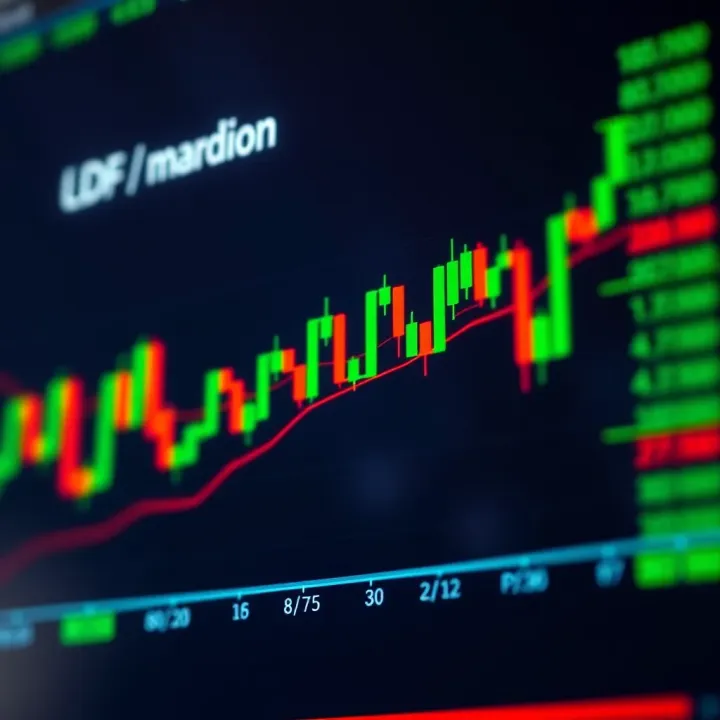
📈 Learn the most powerful candlestick patterns used by traders to interpret market moves, make smarter decisions, plus access helpful PDF guides for practice.

📈 Learn essential candlestick patterns to decode market moves! Master basics, advanced tips, and sentiment reading for stocks & forex trading success.
Based on 10 reviews