

Momentum Candlestick Patterns Explained
📈 Learn how momentum candlestick patterns signal strong price moves in trading. Understand key types, interpretation tips, and find reliable PDFs for deeper insights.
Edited By
Amelia Brooks
Candlestick patterns are a cornerstone of technical analysis used widely by traders and investors to predict market moves. Each pattern tells a story about price action over a specific period, reflecting trader behaviour and sentiment in real-time. Knowing these patterns helps you gauge when the market might turn, continue, or pause, which can improve your timing for buying or selling.
At its simplest, a candlestick captures four key prices in a trading session: opening, closing, high, and low. Visualising these as a body and wicks, the patterns formed provide clues about supply and demand dynamics. For example, a long bullish candlestick with little wick suggests strong buying pressure throughout the session.

This guide breaks down candlestick patterns into three main categories:
Single candlestick patterns: These stand alone and signal potential immediate trends, like the Hammer or Shooting Star.
Double candlestick patterns: Formed by two candles, they often show reversals or confirmations, such as the Bullish Engulfing or Bearish Harami.
Triple candlestick patterns: More complex, these involve three candles shaping stronger signals, like the Morning Star or Evening Star.
Understanding these patterns is not just about recognising shapes, but interpreting the market psychology they reveal. For instance, a Bullish Engulfing pattern after a downtrend suggests buyers are taking control, signalling a possible price rise.
Mastering candlestick patterns can enhance your market analysis by highlighting key decision points, helping you manage risk better and improving your overall trading strategy.
By the end of this guide, you'll be able to spot important candlestick signals on charts used across NSE, BSE, or global exchanges, making you better equipped for smarter trades. This knowledge is especially useful in volatile markets, where timing entry and exit points correctly can save or earn you significant sums. Whether you trade in equities, commodities, or currency markets, candlestick analysis remains a practical tool for sharper insights.
Candlestick patterns offer a visual way to quickly grasp market sentiment and price action. For traders, these charts pack a lot of information in a simple format, indicating whether buyers or sellers held control during a particular period. Understanding these patterns helps you spot turning points or confirm the strength of ongoing trends, improving your timing in entering or exiting trades.
Basics of candlestick charts
A candlestick chart displays price data over a fixed time, such as one day or one hour, using bars shaped like candles. Each candle shows the opening price, closing price, highest, and lowest prices for that period. The rectangular body indicates the range between open and close, while the thin lines above and below, called shadows or wicks, mark highs and lows. For instance, if a stock opened at ₹1,000 and closed at ₹1,050 with a high of ₹1,060 and a low of ₹990, the candle body covers ₹1,000 to ₹1,050, and the shadows extend to ₹990 and ₹1,060.
Interpretation of candlestick shapes and shadows
The shape of a candlestick tells a story about market activity. A long green (or white) body suggests strong buying pressure, while a long red (or black) body indicates selling pressure. Shadows reveal the market’s hesitation or rejection of price extremes. For example, a candle with a long upper shadow and a small body near the bottom means buyers tried to push prices up but sellers forced them down before the close. Traders use these subtle clues to predict if bulls or bears may take control soon.
Visualising market psychology
Candlestick patterns act as windows into trader psychology—fear, greed, and uncertainty show up in the shapes traders see. For example, a hammer pattern after a downtrend reflects buyers stepping back in, signalling a possible reversal. This visual language helps traders quickly assess the emotional state behind price moves without digging into heavy data. It makes reading the market more intuitive, especially during fast-moving sessions.
Common usage in Indian and global markets
In India, candlestick patterns are popular among retail and institutional traders alike, often combined with other tools like volume analysis and moving averages. Indian markets such as the NSE and BSE actively respond to these patterns, especially during volatile periods like earnings season or budget announcements. Globally, traders rely on well-established candlestick signals from the Tokyo, London, and New York sessions. Understanding both local and international pattern behaviours sharpens decision-making for anyone trading Indian equities or foreign stocks.
Candlestick patterns offer more than just price snapshots — they reveal the push and pull between buyers and sellers, helping traders anticipate market moves with greater confidence.
Single candlestick patterns hold a special place in technical analysis because they capture market sentiment within a single trading session. These patterns offer quick, straightforward signals to traders, often indicating early signs of potential reversals or continuations. By learning to spot these patterns, you can make faster decisions without waiting for complex multi-candle confirmation.
Standard Doji resembles a cross, where the opening and closing prices are nearly the same. This pattern shows indecision among traders, as neither buyers nor sellers dominate. For example, in Indian stock markets, spotting a Doji after a strong uptrend could indicate hesitation and warns that the momentum might be losing steam.
Dragonfly Doji has a long lower shadow, with the open, high, and close prices look almost equal. It suggests that sellers pushed prices down during the session, but buyers fought back strongly by the close. This pattern often marks potential bullish reversals, especially after a downtrend. Indian traders watching Nifty stocks often take this as a cue to prepare for a bounce.
Gravestone Doji shows a long upper shadow, with open, low, and close prices nearly equal. It means buyers tried to push prices up but failed to hold gains by session end. Seen after an uptrend, it signals a bearish reversal and possible selling pressure ahead. This can be particularly useful during volatile markets like monsoon season, where sharp reversals happen frequently.
Long-legged Doji features long shadows both above and below a small real body. This pattern signifies extreme indecision and market turbulence. When such a Doji appears after a strong trending move, it suggests uncertainty about the next direction, urging traders to be cautious and watch subsequent candles closely.
Hammer as a bullish reversal signal looks like a small body with a long lower wick. It forms after a downtrend and means buyers stepped in strongly near the session close, pushing prices up from the lows. For instance, if Reliance Industries shares show a hammer pattern, it often indicates a potential price recovery, prompting traders to consider long positions.
Hanging Man as a bearish warning has similar appearance to the hammer but forms after an uptrend. It suggests selling pressure entered the market, even if the session closed near the open. This pattern warns traders of a possible downtrend ahead, signalling a time to tighten stop-loss levels or book partial profits.
Inverted Hammer in downtrends has a small body with a long upper shadow. It signals that buyers tried to push prices higher but couldn’t maintain momentum by close. This can hint at slowing selling pressure and a coming reversal. It is useful for traders in Indian equity markets to spot early signs of recovery before confirming with other indicators.
Shooting Star during uptrends looks like the inverted hammer but occurs after a price rise. It shows buyers failed to keep pushing prices up, and sellers regained control near the close, marking a possible bearish reversal. Recognising this pattern in stocks like Tata Steel can help traders avoid potential losses by exiting or hedging positions early.
Single candlestick patterns are a powerful tool for quick judgement calls in trading, especially useful in volatile or fast-moving markets like India’s. Using these patterns along with volume and other technical tools enhances decision accuracy and risk management.

Double candlestick formations hold strong significance for traders trying to catch early signs of market direction changes. These patterns often appear at turning points where the trend could either reverse or pause, giving you a chance to plan your entry or exit with more confidence. Since each candlestick reflects buyer and seller actions within a specific time frame, a pattern of two candles together provides richer information about market psychology and momentum shifts.
Characteristics of bullish engulfing: A bullish engulfing pattern happens when a small red (bearish) candle is immediately followed by a larger green (bullish) candle that fully covers or "engulfs" the previous red body. This shows buyers stepping in strongly after a period of selling pressure, hinting at a potential trend reversal to the upside. For example, if a stock has been falling for a few days on the NSE and suddenly you see a bullish engulfing on the daily chart, it suggests renewed demand. Traders might take this as a signal to buy or reduce short positions, especially if this pattern forms near a support level.
Characteristics of bearish engulfing: The bearish engulfing is quite the opposite. Here, a green candle is followed by a larger red candle that completely covers the green body. This pattern points to sellers gaining control after buyers pushed prices up briefly, signalling a likely downturn. For instance, in a rising market for a commodity priced on MCX, spotting a bearish engulfing candle pair near a resistance zone can alert traders to tightening prices and a possible drop. Such patterns often prompt traders to sell or tighten stop losses on long positions.
Bullish harami and trend reversal: A bullish harami consists of a large red candle followed by a smaller green candle that fits inside the previous candle’s body. This containment indicates slowing selling momentum and a possible reversal upwards. The pattern itself doesn't guarantee a reversal but serves as an early warning that buyers might soon dominate. Traders often wait for confirmation from subsequent candles or other indicators before acting.
Bearish harami and warning signs: Conversely, a bearish harami happens when a large green candle is followed by a smaller red one contained within it. This suggests the buyers’ strength is fading, opening the door for potential selling pressure. For example, a bearish harami on the daily chart of Nifty 50 might warn of a short-term correction. Such signs help traders manage risks by adjusting their positions or watching out for further bearish signals.
Piercing line as bullish reversal: The piercing line pattern appears when a red candle is followed by a green candle that opens lower but closes above the midpoint of the previous red candle. This indicates buyers pushing back against selling dominance. It's a clearer sign of bullish reversal compared to a simple green candle after red, as it shows strong price recovery within the session. This pattern is useful when spotted near key support, signalling a good moment to buy or hold before prices rise.
Dark cloud cover signalling bearishness: Dark cloud cover looks similar but in the opposite direction. A green candle is followed by a red one that opens above the prior green candle's high but closes below its midpoint. This sudden shift to selling pressure can alarm traders about weakening bulls. You might see this in a rising stock on BSE just before a pullback. Recognising this pattern can help you prepare for a drop, either by booking profits or avoiding new long bets.
Double candlestick patterns offer practical, early clues on trend shifts. Using them alongside volume or support and resistance levels strengthens trading decisions and helps manage risks effectively.
Triple candlestick patterns offer traders a more reliable signal compared to single or double candlestick formations. They usually indicate stronger momentum shifts or clearer reversals because they reflect a more sustained change in trader sentiment over three sessions. This added confirmation reduces the risk of false signals and helps traders make better-informed decisions.
In particular, these patterns help in identifying market turning points with higher conviction. For instance, spotting a Morning Star or Evening Star can alert you to a likely reversal of a prevailing trend, allowing timely entry or exit. Indian traders often combine such patterns with volume and support/resistance levels for added confidence.
The Morning Star is a classic triple pattern that signals a bullish reversal. It typically appears after a downtrend and consists of three candles:
A long bearish candle showing strong selling
A small-bodied candle (could be bullish or bearish) indicating market indecision
A long bullish candle closing well into the body of the first candle
This arrangement suggests sellers are losing control and buyers are stepping in, hinting at a potential upward move. For example, if you spot a Morning Star near a key support level on the Nifty chart, it might be a good chance to consider buying.
On the flip side, the Evening Star signals a bearish reversal after an uptrend. It follows a similar pattern:
A long bullish candle showing strong buying
A small-bodied candle reflecting hesitation
A long bearish candle closing deeply into the first candle’s body
This pattern suggests that buyers are tiring and sellers are gaining control, warning that prices may drop. In practical terms, traders might look to book profits or short the market upon confirmation of this pattern.
Three White Soldiers is a bullish pattern formed by three consecutive long-bodied green candles, each closing higher than the previous day. This signals strong and sustained buying pressure, often leading to further upward momentum.
For instance, in the midcap segment of the Bombay Stock Exchange (BSE), seeing these three white soldiers can indicate investor optimism and possible continuation of price rise over the next few sessions.
Conversely, Three Black Crows consist of three consecutive long red candles, each closing lower than the previous. They often indicate a clear shift to bearish sentiment, with sellers dominating the market.
Spotting this pattern near resistance levels in the Sensex could prompt traders to tighten stop losses or consider short positions, anticipating further downside.
The Three Inside Up pattern is a more cautious bullish reversal signal. It starts with a long bearish candle, followed by a smaller bullish candle that stays within the first candle’s range, and ends with a third bullish candle closing above the first candle's open.
This sequence shows hesitation from sellers and gradually increasing buyer confidence. Traders might view this as a signal to start accumulating positions, especially when confirmed by other indicators.
The Three Inside Down pattern reflects an early bearish sign. Here, a long bullish candle is followed by a smaller bearish candle within the first candle’s range and finally a third bearish candle closing below the first candle’s open.
This pattern suggests buyers losing grip and sellers gaining strength, hinting at price declines. It can be useful for traders seeking early exits or shorting opportunities.
The Three Outside Up indicates a strong bullish reversal and offers firmer confirmation than Three Inside Up. It starts with a bearish candle, followed by a larger bullish candle engulfing the first, and a third bullish candle closing higher than the second.
This pattern highlights a decisive shift from selling to buying. Combining this with volumes rising on the third day can strengthen conviction for entering long trades.
On the other hand, the Three Outside Down denotes a bearish reversal. It begins with a bullish candle, followed by a larger bearish candle engulfing it, and a third bearish candle closing below the second.
Traders spotting this pattern may prepare for further downside by exiting longs or establishing short positions, especially when this forms near resistance or after an extended rally.
Triple candlestick patterns provide stronger signals because they capture a more prolonged struggle between buyers and sellers, improving your odds of reading market turns correctly.
Understanding these patterns alongside Indian market contexts such as key support/resistance zones and volume behaviour makes them practical tools for traders looking to improve timing and manage risk effectively.
Besides single, double, and triple candlestick formations, certain additional patterns provide traders with critical insights into market momentum and sentiment. These patterns, like the Marubozu and Spinning Tops, offer clear signals that can confirm or challenge trend assumptions. Knowing when to spot and act on these less common but meaningful shapes can sharpen decision-making, especially when combined with other technical tools.
A bullish Marubozu forms when a candlestick opens at its low and closes at its high, exhibiting no upper or lower shadows. This means buyers maintained control throughout the session, pushing prices consistently higher. For instance, in the Indian stock markets, spotting a bullish Marubozu during an uptrend often signals strong buying interest and can suggest a continuation of upward momentum.
Traders value this pattern as it simplifies market sentiment: the absence of shadows implies little resistance from sellers. It works well when confirmed by increased volume, reinforcing confidence in buying decisions. For active traders in Nifty or Sensex stocks, a bullish Marubozu following a consolidation phase might indicate the next move upward.
Conversely, a bearish Marubozu opens at its high and closes at its low with no shadows, showing sustained selling pressure throughout the trading period. It signals that sellers dominated, pushing prices down without interruption. In the Indian context, this pattern can warn of a strong downward thrust in stocks or indices.
Such a candle often marks the beginning or continuation of a downtrend. Investors observing a bearish Marubozu near resistance zones or after news events should be cautious and consider risk management strategies. The pattern’s clarity helps avoid ambiguous signals during volatile sessions.
Spinning tops have small bodies with long upper and lower shadows, indicating a tug-of-war between buyers and sellers. Neither side gained clear control, creating uncertainty. For example, in volatile stocks like those in the technology sector listed on NSE, spinning tops can frequently appear during moments of hesitation.
This pattern itself does not predict direction but reflects pause or indecision in the market. Traders often see a spinning top as a signal to watch closely for the next move rather than act immediately. It’s a visual sign that trend strength may be weakening or that participants are awaiting fresh triggers.
When a spinning top appears during an uptrend, it can warn that bullish momentum is slowing and investors may soon take profits. Conversely, in a downtrend, spinning tops might suggest sellers are losing steam and a reversal or consolidation may follow.
In practice, combining spinning tops with volume data and support/resistance levels helps clarify the next move. For example, a spinning top near a strong support line in the Indian markets might indicate a possible bounce. On the other hand, a spinning top near resistance without volume support can hint at an upcoming correction.
Volume acts as a reality check for candlestick patterns. A reversal pattern without volume support is less reliable. For example, a bullish engulfing pattern on low volume in a Sensex stock might not sustain upwards movement.
In contrast, a Marubozu candle accompanied by higher-than-average volume strengthens the validity of the signal. Indian traders often check volumes alongside price action to avoid false signals and confirm breakout or breakdown moves.
Candlestick patterns near support or resistance provide higher confidence signals. For instance, spotting a bullish hammer pattern near a key support zone in a stock like Reliance Industries can signal a probable price bounce.
Traders should map significant price levels and observe how related candle patterns react there. Repeated failure at resistance paired with bearish candles could indicate a strong sell-off ahead.
Moving averages smooth out price fluctuations and indicate trend direction. When candlestick patterns form near moving averages like the 50-day or 200-day, they can serve as pivotal turning points.
For example, a spinning top or hammer touching the 200-day moving average in Nifty futures might suggest trend hesitation or a potential reversal. Using moving averages alongside candlestick analysis can filter noisy signals and improve entry or exit timing.
Successful trading relies not on one tool but on combining candlestick patterns with volume, support/resistance, and moving averages to validate signals and manage risks effectively.
📈 Learn how momentum candlestick patterns signal strong price moves in trading. Understand key types, interpretation tips, and find reliable PDFs for deeper insights.

📈 Discover key candlestick patterns in stock & commodity trading! From basics to advanced, learn to spot trends & make smarter market decisions today.
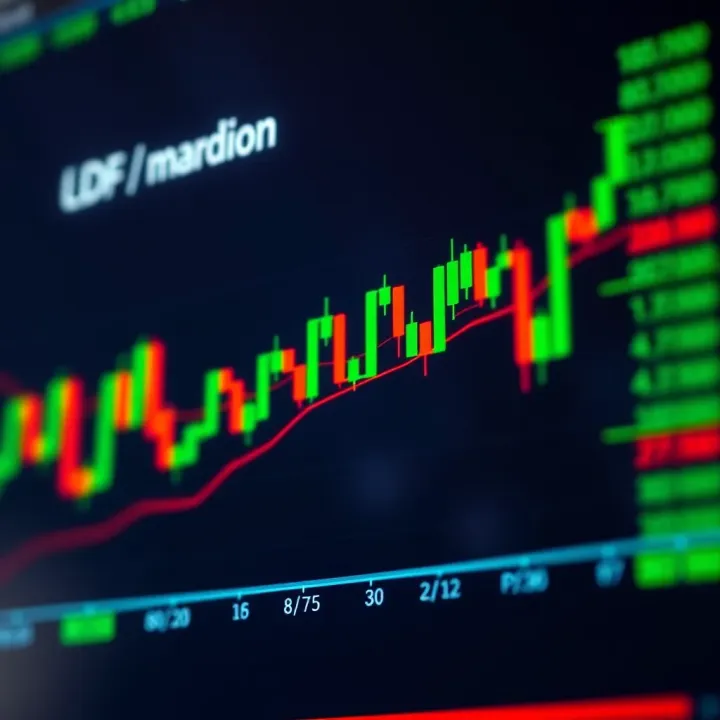
📈 Learn the most powerful candlestick patterns used by traders to interpret market moves, make smarter decisions, plus access helpful PDF guides for practice.

📈 Learn essential candlestick patterns to decode market moves! Master basics, advanced tips, and sentiment reading for stocks & forex trading success.
Based on 15 reviews