
Key Candlestick Patterns Traders Should Know
📈 Learn key candlestick patterns that reveal market trends and potential reversals. Perfect guide for traders in the Indian stock market and beyond.
Edited By
Oliver Bennett
Candlestick patterns are essential tools for traders and investors aiming to decode market movements quickly. These patterns visually represent price action on a chart, showing open, high, low, and closing prices in a clear and concise manner. Understanding and recognising these patterns lets you anticipate potential reversals or trend continuations, providing a practical edge in trading decisions.
Using high-definition (HD) candlestick images sharpens this understanding further. Clear visuals with crisp lines and accurate proportions help avoid misinterpretations caused by pixelated or blurry charts. This is especially important when spotting subtle nuances, such as long shadows or small real bodies, which often signal critical market behaviour.
Accurate and clear visuals can make the difference between a confident trade and a missed opportunity.
Clarity improves pattern recognition: Higher resolution charts allow you to distinguish between similar patterns like Doji and Spinning Tops more effectively.
Better learning and analysis: For educators and students, HD images enable detailed examination, enhancing comprehension.
Reduced eye strain: Extended chart analysis sessions become less tiring with sharp visuals.
Hammer and Hanging Man: Single candle patterns indicating potential reversals.
Engulfing Patterns: Where the second candle completely engulfs the first; signals shifts in momentum.
Morning Star and Evening Star: Three-candle patterns signalling strong trend changes.
Capturing these patterns in HD images helps when comparing live charts or backtesting strategies.
Look for platforms and resources that:
Provide downloadable candlestick pattern libraries in HD format.
Offer free and paid image packs with clear labels and descriptions.
Include variations adjusted for different timeframes (daily, hourly, etc.)
Some Indian trading apps and websites have started providing such resources, tailored to local market needs.
Always cross-check HD images with live chart data before making trading moves.
Use images to supplement your trading journal by recording outcomes against identified patterns.
Combine candlestick analysis with volume and support/resistance levels for more reliable signals.
Having access to HD candlestick images doesn't replace experience but enhances your ability to learn and act smartly. As you integrate these visuals into your toolkit, your chart reading skills will improve, helping you spot trade-worthy patterns effectively.
Understanding candlestick patterns is a fundamental skill for anyone serious about trading. These patterns provide visual clues about market sentiment and potential price movements, which can help traders make informed decisions. For instance, recognising a 'hammer' pattern after a downtrend can signal a possible price reversal, giving you a clear entry point.
Candlestick charts display price action through individual candles which represent a fixed time period, such as one day or one hour. Each candle consists of four key points: the opening price, closing price, high, and low. The body of the candle shows the difference between the open and close, coloured differently for upward or downward moves. For example, a green or white body usually indicates a rise, while a red or black body signals a fall. The thin lines above and below, called wicks or shadows, represent the highest and lowest prices during that period.
Bullish candlestick patterns suggest that buyers are gaining control and prices may rise. One well-known example is the 'morning star', which appears after a downtrend and consists of a long bearish candle, a small indecisive candle, and a long bullish candle. This pattern often signals the market is shifting towards an upward trend. Traders watch for these signals to time entries, especially when confirmed by volume or support levels.
Bearish patterns indicate selling pressure and potential price declines. The 'evening star' is a classic bearish reversal, mirroring the morning star but appearing after an uptrend. It warns traders that the upward momentum may be fading. Another example, the 'shooting star', shows a candle with a small real body and a long upper wick, signalling a possible rejection of higher prices by the market.
Neutral patterns imply indecision in the market, where neither buyers nor sellers have a clear advantage. The 'doji' is a prime example, featuring candles where the open and close prices are nearly the same. Such patterns often appear before significant moves, so traders observe them closely for the next directional cue. They may suggest a pause in the trend, providing a chance to reassess positions.
Candlestick patterns help traders spot early shifts in market sentiment and adjust their strategies accordingly. They are more intuitive than just looking at price points or volume, offering a clear picture of buyer-seller dynamics. Using these patterns along with other tools, like moving averages or support and resistance levels, can improve trade timing and risk management. For example, combining a bullish engulfing pattern with a rising 50-day moving average adds confidence before placing a buy order.
Clear recognition of candlestick patterns can save you from costly mistakes and help seize profitable opportunities in volatile markets.
By mastering these patterns and their meanings, traders gain a sharper edge in reading charts and making decisions that suit their trading style and risk appetite.
High-quality candlestick images play a significant role in accurate chart analysis for traders. Clear visuals make it easier to spot specific patterns like hammers, shooting stars, or engulfing candles, which often get missed in low-resolution or blurry charts. For instance, spotting a morning star pattern on a pixelated image might lead to misinterpretation, affecting trading decisions and potential profits.
Using HD images improves pattern recognition by offering sharper details and cleaner colour distinctions. Traders can easily differentiate between bullish and bearish candles, identify shadows (wicks) and real bodies, which are crucial in reading market sentiment. With high-resolution images, smaller patterns like doji or spinning tops become visually distinct, aiding timely entry or exit decisions.
Besides clarity, HD images also help new traders build confidence. When the patterns are easy to see, they can compare what they learn with real examples, fast-tracking their understanding. For experienced traders, crisp images reduce eye strain and speed up analysis, especially while monitoring multiple charts on trading platforms simultaneously.
Image clarity directly affects how quickly and accurately a trader reads a candlestick chart. Poor image quality can lead to misreading a pattern, causing missed opportunities or even losses. Imagine confusing a bearish engulfing with a similar-looking but less significant pattern because the image was unclear—that alone can lead to wrong market calls.
On the other hand, a clear, detailed image allows traders to confirm patterns confidently before making buy or sell decisions. Clarity also matters when analysing historical charts; traders backtesting strategies rely on precise visuals to verify signals without ambiguity.
Clear candlestick images aren’t just a luxury; they form the backbone of effective technical analysis and informed trading.
To sum up, high-quality images make a real difference in recognising patterns correctly and making sharp trading calls. So, investing time in securing reliable HD candlestick images from authentic sources can significantly impact your trading success.
Access to clear and high-definition candlestick pattern images helps traders decode market movements more effectively. Whether you are a seasoned investor or just starting, finding reliable sources for such images ensures you interpret patterns accurately and avoid costly mistakes.
Official trading platforms often provide a reliable repository of candlestick charts and patterns as part of their tutorial resources or trading tools. Platforms like Zerodha's Kite or Upstox offer clean charts with downloadable options. These images come with the added advantage of being directly sourced from live market data, so you get the most up-to-date and authentic patterns. Using charts from your broker’s platform also means you can cross-check trading signals and execute trades swiftly if needed.
Many credible financial education websites provide detailed candlestick pattern guides along with HD images. Sites such as Moneycontrol and Investopedia India present quality visuals paired with explanations that simplify complex trading concepts. These images can be especially handy for traders who want to understand the theory behind patterns before applying them practically. Additionally, educational portals may refresh their content to include the latest trading strategies, keeping you informed on evolving market trends.
Stock market forums like ValuePickr or Traderji function as community-driven spaces where experienced traders share charts and candlestick images. They offer a more grassroots approach—where you can find diverse examples, including niche or lesser-known patterns. The interaction lets you ask questions, seek clarifications, and even receive feedback on pattern interpretations. However, since content is user-generated, always verify images' credibility before relying on them fully.
Mobile apps have made it easier to access HD candlestick images anytime, anywhere. Apps like TradingView or ChartInk provide downloadable charts with zoom and annotation features, enabling traders to save specific patterns for study or sharing. These apps typically offer free and premium plans, with higher image quality often locked behind subscriptions. Besides, many apps allow integration with your trading accounts, letting you analyse charts on the go without switching devices.
When downloading candlestick pattern images, resolution is key—blurry or pixelated images can obscure crucial details like shadow lengths or body sizes, leading to misinterpretation. Always check the image size and quality before reliance. Authenticity is equally crucial; ensure images are sourced from reputable platforms or verified educators to avoid outdated or manipulated visuals. One good practice is to download images in PNG format where possible, as it preserves clarity better than JPEG.
Clear and authentic HD candlestick images improve your ability to read market signals, enhancing timely and confident trading decisions.
Finding trustworthy sources and maintaining high image standards will strengthen your technical analysis skills, paving the way for more informed market actions.
Using high-definition (HD) candlestick pattern images can significantly sharpen your trading strategies. HD images help in recognising patterns more clearly, reducing mistakes caused by blurry or pixelated visuals. However, merely having quality images isn’t enough—how you use them matters greatly. Here, we explore practical tips to extract the most value from these images in your trading practice.
One of the best ways to leverage HD candlestick images is by integrating them with your charting software. Most trading platforms like Zerodha Kite, Upstox Pro, or TradingView allow you to upload and compare custom images alongside live charts. This helps traders draw immediate parallels between textbook patterns and real-time price action.
For instance, you can keep a library of HD images of bullish engulfing, hammer, or morning star patterns and then overlay them onto your charts when similar formations start to appear. This visual aid acts like a quick reference and reduces the chances of misreading the pattern under fast market conditions.
Don’t just stop at identifying patterns with images. Practice spotting these on historical price data before applying the knowledge live. Using candlestick images, go back through weeks or months of chart history on stocks, indices, or commodities you trade.
By verifying how the patterns played out historically, you build confidence and fine-tune your interpretation skills. For example, when you spot a shooting star pattern on the chart, recall an HD image and check past occurrences to see whether it led to price reversals or false signals. Quantifying your success in this way helps prevent blind reliance on patterns alone.
Even with HD images, traders often slip into common traps during pattern analysis. Don’t ignore the context—patterns should be studied alongside volume, trend strength, and overall market sentiment.
Avoid confusing similar-looking patterns; a bullish engulfing and a piercing pattern might seem alike but have distinct implications. Using HD images side-by-side to compare patterns can reduce such mix-ups. Also, resist the urge to trade every pattern blindly; not all patterns guarantee a profitable move.
Remember: Candlestick patterns provide clues, not absolute answers. Combining HD images with solid trading discipline, stop-loss strategies, and broader market analysis is vital.
By following these tips, traders in India and beyond can make the most of HD candlestick pattern images. This approach not only improves pattern recognition but also strengthens decision-making, helping you trade smarter in volatile markets.
Creating and customising your own candlestick pattern images offers traders a practical edge in developing a clearer understanding of market movements. Rather than relying solely on generic stock images, crafting personalised visuals helps you focus on the specific chart formations that matter most to your trading strategy. This approach promotes better pattern recognition and sharpens decision-making skills in real-time trading.
Charting software like TradingView, MetaTrader, or Zerodha’s Kite provides you with tools to identify and save custom candlestick patterns tailored to your trading style. These platforms allow you to zoom into charts, draw trendlines, and highlight precise candles such as engulfing patterns, hammers, or dojis in the context you find relevant. For instance, you might save images emphasising morning star patterns on narrow price ranges, which are often overlooked in ready-made collections.
Capturing patterns directly from interactive charts also means you can incorporate current market data. This familiarity supports backtesting your strategies using historical data, increasing confidence before executing trades on live markets. Additionally, personalising the timeframe—whether daily, hourly, or minute charts—ensures that your candlestick images reflect the trading horizon you focus on.
Once you capture candlestick images, editing software like Canva, Photoshop, or even simpler apps such as Paint.NET can refine these visuals for maximum clarity. Enhancing contrast and zooming in on specific candle details can make subtle wick lengths or gap openings more visible. Traders often add annotations, such as arrows or labels, to mark key points like support levels or breakout candles, thereby making the images more descriptive and easier to interpret during quick reviews.
High clarity in images reduces the chance of misreading patterns, which might lead to costly mistakes. For example, a slight difference between a hammer and a hanging man can mean the difference between spotting a bullish reversal or a bearish signal. By customising visuals yourself, you control these details instead of depending on standard images that might miss crucial context.
Customised candlestick images, created and enhanced with your trading journey in mind, transform abstract chart patterns into concrete, actionable signals. They serve not just as reference points but also as powerful learning tools tailored for your unique approach.
In summary, customising and creating your own candlestick pattern images gives you control over what you study and how you apply it. This hands-on method builds sharper pattern recognition skills and supports more confident trading decisions, tailored to the markets and timeframes you trade. Keep your images clear, annotated where needed, and consistent with your strategy for the best results.
📈 Learn key candlestick patterns that reveal market trends and potential reversals. Perfect guide for traders in the Indian stock market and beyond.
📈 Learn to spot the most reliable candlestick patterns in trading to identify market trends and reversals. Get practical tips for smarter trades today!
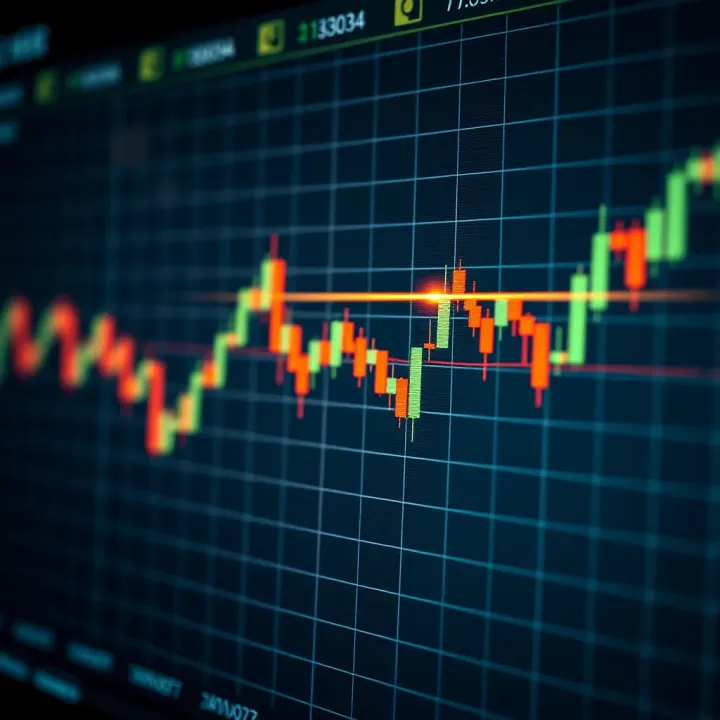
📈 Master key chart patterns every trader should know! Learn how to spot continuation & reversal signs to refine your market timing and strategy.
📈 Learn how momentum candlestick patterns signal strong price moves in trading. Understand key types, interpretation tips, and find reliable PDFs for deeper insights.
Based on 11 reviews