
Best Trading Apps for Indian Investors: A Practical Guide
🔍 Find the best trading app for Indian investors! Explore features, costs, security & usability with expert tips to match your investment goals perfectly.
Edited By
George Mitchell
Trading apps have become a vital tool for investors and traders in India, providing quick access to the stock market, commodities, and mutual funds. However, with many options on offer, choosing the right trading app that balances usability, features, and safety is essential.
A good trading app should do more than just let you buy or sell shares. It must offer top-notch security to protect your funds and personal data. Given the rising cases of cyber fraud, apps with two-factor authentication (2FA), biometric login, and end-to-end encryption make trading much safer.
User experience matters too. An app that is slow, cluttered, or crashes often can cost you valuable trades. Look for applications with intuitive design, real-time market data, and reliable order execution. Several popular Indian platforms like Zerodha Kite, Upstox Pro, and Angel Broking offer such features, enabling trading in equities, derivatives, commodities, and mutual funds.
Selecting a trustworthy trading app isn’t just about flashy features; security and consistent performance can save you from potential losses and stress.
When evaluating trading apps, consider the following factors:
Regulatory compliance: Verify if the broker offering the app is registered with the Securities and Exchange Board of India (SEBI).
Ease of use: Check if navigation suits your style, especially if you are a beginner.
Range of products: Ensure the app covers your preferred investments — stocks, commodities, or mutual funds.
Transaction charges: Compare brokerage fees, account maintenance charges, and other costs.
Customer support: Efficient support can help resolve issues quickly during market hours.
Indian traders also benefit from apps supporting UPI payments for quick fund transfers and linking with DigiLocker or Aadhaar for easy document verification.
Before deciding, try demo accounts if available, and read reviews from other users focusing on security and responsiveness. This approach helps avoid apps that look good but falter under live market conditions.
Choosing the right trading app can make your trading experience safer, faster, and more convenient. In the following sections, we’ll examine the key safety features to look for and review some of the best trading apps available specifically in India.
Selecting the right trading app matters a lot, as it can influence your investment success and security. You want an app that safeguards your money, offers smooth navigation, and supports the instruments you wish to trade. A few key features to watch out for include strong security measures, an intuitive user interface, and the range of trading options available.
Two-factor authentication (2FA) adds a vital layer of protection beyond just a password. When you log in or execute trades, the app sends a one-time code to your registered mobile or email. This means even if someone guesses your password, they cannot access your account without this second verification. In India, apps like Zerodha Kite or Upstox Pro use 2FA to keep investors’ accounts safe from unauthorised access.
Data encryption standards ensure that your transaction details, personal data, and financial information are scrambled so that hackers cannot read or misuse them. Leading trading apps typically use end-to-end encryption following global standards like AES-256 bits. When you submit buying orders or check your portfolio, encryption prevents data leaks, especially critical during mobile or public Wi-Fi use.
Regulatory compliance with SEBI and RBI is non-negotiable for any trading platform operating in India. The Securities and Exchange Board of India (SEBI) regulates brokers and exchanges, while the Reserve Bank of India (RBI) oversees payment systems. Check if the app is registered with SEBI and follows RBI guidelines on digital payments and data storage. Compliance ensures you get investor grievance redressal, transparent reporting, and a safer trading ecosystem.
Ease of navigation influences how quickly you can place orders and track your investments. An app cluttered with complicated menus or unclear options slows you down and increases the chance of errors. Look for clean layouts with well-labelled tabs, straightforward search functions, and clear charts—making it easy for beginners and experts alike.
Speed and responsiveness matter during volatile markets when every second counts. Apps that lag or crash during peak trading hours risk causing missed opportunities or losses. Fast loading times, real-time data updates, and smooth order execution are key. For example, the Upstox Pro app is known for quick response times even during market surges.
Availability of educational resources helps users sharpen their understanding while trading. Top apps offer tutorials, FAQs, live webinars, and market news feeds integrated into the app to keep you informed. This support is especially useful if you want to dive deeper into derivatives or mutual funds but are new to those instruments.
Stocks and derivatives form the backbone of most trading activities. Your chosen app should provide easy access to Nifty and Sensex-listed stocks and a variety of derivatives like futures and options. This variety lets you hedge risks or amplify returns according to your risk appetite.
Mutual funds and ETFs offer a more diversified and lower-risk investment channel. Some trading apps let you invest directly in mutual funds or exchange-traded funds (ETFs) alongside stocks, making it convenient to manage your portfolio in one place.
Commodities and currency trading appeal to traders wanting exposure beyond equities. Apps that allow trading in gold, silver, crude oil, and major currency pairs like USD/INR offer wider opportunities. Given the rupee's fluctuations and commodity price importance in India, having these options broadens your strategy.
Choosing an app that ticks all these boxes helps you build confidence in your trades, protects your capital, and opens up multiple investment avenues—all essential for successful trading in India today.
When choosing a trading app in India, safety measures and understanding the regulatory environment are key. These aspects provide a safety net to protect your investments and personal data, so you can trade with confidence.
Registration and licensing requirements play a foundational role in investor safety. The Securities and Exchange Board of India (SEBI) regulates stockbrokers and trading platforms. Apps must be registered with SEBI to operate legally and be held accountable for compliance. The Reserve Bank of India (RBI), meanwhile, oversees payment and settlement systems linked to these apps. This dual oversight ensures that only authorised entities handle your trading and money transfers, reducing the risk of fraud or misconduct.
For example, Zerodha, a popular trading app, is SEBI-registered and follows RBI guidelines for transactions. This means it adheres to strict norms on client fund segregation and reporting, providing a layer of safety that unregistered platforms can't offer.
Investor grievance redressal mechanisms ensure that users have an official outlet to raise complaints or resolve issues. SEBI mandates all registered brokers and trading platforms to have clear procedures for grievance handling. If you face problems like unauthorised trades or settlement delays, you can approach their internal grievance officer. If unresolved, SEBI’s SCORES portal provides a government-backed avenue for complaint resolution.
This system is essential because it puts a check on unfair practices and builds trust in the trading ecosystem.
Transparency and reporting standards compel trading apps to regularly disclose key information. SEBI requires firms to submit audit reports, maintain transaction records, and share performance data with investors. This transparency helps you verify that the platform operates reliably and your funds are safe.
For instance, many apps publish their margin requirements, brokerage details, and risk warnings upfront. Such clarity aids you in making informed decisions and avoiding hidden charges or ambiguous terms.
Regular security audits are a routine check-up for trading apps to find and fix vulnerabilities. These audits, often conducted by external experts, test for issues like weak encryption, insecure data storage, or software bugs. By doing this, trading apps prevent hackers from exploiting loopholes to steal your data or money.
Upstox, for example, states in its security policy that it undergoes yearly audits, ensuring compliance with the latest cybersecurity standards. This effort reduces the chance of security breaches.
Secure server infrastructure forms the backbone of a safe trading experience. Trusted apps use servers protected by firewalls, data encryption, and multi-layered access controls. These servers often reside in data centres vetted for physical and digital security according to Indian and international norms.
This setup keeps your login credentials, transaction history, and personal details locked away from unauthorised hands. It also enables smooth and fast execution of trades, which matters when markets fluctuate rapidly.
Fraud detection and prevention tools monitor unusual activity in real time. Apps deploy algorithms to spot patterns such as sudden login attempts from new devices, abnormal trading volumes, or frequent password failures. When such signs surface, apps may temporarily block access or trigger additional verification steps.
This proactive approach minimises losses due to hacking, phishing, or insider threats. Angel One’s app, for instance, offers instant alerts and alerts users if suspicious transactions are detected, allowing immediate action.
Prioritising safety and following regulatory frameworks are not just legal requirements for trading apps but also crucial safeguards for your investments and personal information.
Keeping these layers of protection in mind helps you pick a trading app that won’t just be quick and easy to use but also shields you from risks inherent in online trading.
Choosing a trading app in India means balancing safety with performance. Popular apps like Zerodha Kite, Upstox Pro, and Angel One have carved out strong reputations not just because of their features but also due to their commitment to protecting users' investments. The features aren’t just tech gadgets – they directly affect how well you can trade and how secure your money stays.
Zerodha Kite appeals largely due to its lightweight design and ease of use, making it accessible even on modest smartphones typical in many Indian cities. It offers advanced charting tools and real-time market data, which help serious traders track market moves efficiently. Integration with its back-end platform simplifies order placements, which benefits both new and experienced traders looking for speed.
The app follows stringent security procedures like two-factor authentication (2FA), ensuring only authorised access. Additionally, Zerodha uses encrypted data channels, protecting sensitive information during transactions. For Indian traders, this means peace of mind while operating in volatile markets.
Users often praise Zerodha Kite for its reliability and minimal downtime, essential for timely trades. While occasional glitches surface during periods of high traffic, the support team typically resolves issues quickly. This responsiveness adds to user trust and satisfaction.
Upstox Pro stands out with its rich selection of trading tools, including advanced technical indicators and scanner features that help traders spot opportunities without switching platforms. Its feature set suits active traders who depend on data-heavy analysis.
Upstox takes cybersecurity seriously, with SSL encryption across all transactions and regular penetration testing to identify vulnerabilities. The app also supports biometric login on compatible devices, adding another layer of security convenient for Indian users who prefer quick app access.
With competitive brokerage fees and zero charges for equity delivery trades, Upstox appeals to both beginners and frequent traders. Indian traders appreciate the transparent cost framework, avoiding surprises during billing. Feedback often highlights the balance between low costs and comprehensive features.
Angel One offers a wide spectrum of trading options, including stocks, mutual funds, fixed deposits, and insurance products. This variety benefits investors preferring a single platform to handle diverse financial needs without juggling multiple apps.
The app employs multi-layered security, such as pattern lock and OTP verification for transactions. Regular updates ensure the system stays ahead of cyber threats, which is important given the increasing number of online frauds targeting Indian users.
Angel One has built trust over decades, backed by strong regulatory compliance and transparent operations. Traders often mention the excellent customer service and easy grievance redressal, significant factors when dealing with money matters.
Selecting a popular trading app backed by rigorous security measures and good user feedback reduces risks and enhances your trading experience. Always consider these factors before committing your capital.
This overview highlights practical details about the leading trading apps in India, helping you decide based on features, safety, and costs aligned with your trading style.
Trading with an app requires more than just picking a well-rated platform; your personal security habits play a big role in safeguarding your investments. No matter which app you use, following certain safety tips can shield your accounts from fraud and hacking attempts. Regular vigilance and smart practices reduce risks and give you peace of mind while trading.
Using unique passwords and PINs is the first step to secure your trading account. Avoid simple or common passwords like "123456" or birthdates. Instead, create a strong password with a mix of letters, numbers, and special characters. It’s best to have a unique password for your trading app that you don’t use anywhere else. For example, using a PIN or password different from your email or social media accounts limits exposure if one account is compromised.
Avoiding public Wi-Fi for transactions matters because open networks are often unsecured and vulnerable to attackers. When you trade, your personal and financial data moves between your device and servers. On a public Wi-Fi at a café or railway station, someone nearby could intercept this data. It’s safer to use your mobile network or a secure, private Wi-Fi connection, especially when logging in or making payments.
Recognising phishing and scams helps you dodge traps where fraudsters pretend to be your trading platform or bank. They might send messages or emails asking for your login credentials or OTP (one-time password). Remember, no legitimate app or bank ever asks for your password or OTP via email or SMS. If you receive such requests, do not respond. Always verify the sender’s details and access your official app or website directly instead of clicking on suspicious links.
Checking transaction history often is crucial. By reviewing your trades, deposits, and withdrawals regularly, you can spot any unusual activity quickly. For instance, if you see a transaction you did not make, you can raise a complaint immediately with your broker or app provider. Daily or weekly checks help you stay on top of your investments and prevent long-term losses.
Setting up alerts and notifications makes monitoring easier. Most trading apps allow you to receive alerts for login attempts, trade confirmations, or funds transfer. These real-time updates let you act fast if something suspicious happens. For example, if an unknown device logs into your account, an alert can prompt you to change your password and notify the app’s support team.
Reporting suspicious activity promptly is not just about protecting yourself but also helping the wider trading community. If you notice unauthorised trades or phishing attempts, inform your broker and the relevant authorities quickly. Delaying this could worsen your losses and make recovery difficult. A prompt report also aids in investigation and potentially blocks the fraudster from targeting others.
Staying alert and adopting these everyday security practices ensures your trading experience remains safe and stress-free. Your behaviour complements the app’s technical safeguards for better protection.
By combining smart personal security habits with a reliable trading app, you build a solid defence against fraud while navigating India’s vibrant markets confidently.
Opening a trading account in India requires careful attention to detail and proper documentation to protect your investments. A secure setup process ensures your funds and data remain safe while giving you access to stock markets efficiently. Missing any key steps or submitting incorrect information can lead to delays or security risks. Let’s break down what you need to do, starting with the essential documents.
The Permanent Account Number (PAN) card is mandatory for any financial transactions in India, especially for trading accounts. It acts as a unique identity proof for tax purposes and helps brokers comply with government regulations. When you submit your PAN for KYC (Know Your Customer) verification, the broker verifies it against the Income Tax Department database. Without PAN, you cannot legally trade on the stock exchanges.
Practically, the PAN card links your trading activity to your tax records, which simplifies filing Income Tax Returns (ITR) later. It also helps avoid fraudulent accounts as each PAN is unique to an individual or entity.
Along with PAN, brokers require your Aadhaar card or any equivalent address proof such as a passport, voter ID, or utility bills. This confirms your residential address and prevents misuse of trading accounts for money laundering or fraudulent activities. For example, if you have recently shifted your address, providing updated proof helps keep your communication and transactions seamless.
Using Aadhaar is common because it’s widely accepted and contains biometric information. Yet, other documents work fine too, especially if you prefer not to share Aadhaar details online.
Linking a valid bank account is crucial since all your trading transactions, including fund transfers and settlements, occur through it. You need to provide the bank account number, IFSC code, and sometimes a cancelled cheque to verify the account ownership.
Connecting your bank account helps seamless credit and debit of funds with your trading or Demat account. It also ensures the dividends, refunds, or sale proceeds are directly credited to your account without delays.
Typically, once your KYC is complete, the broker guides you to link your bank account and Demat account. The Demat account holds your securities electronically while the bank account handles cash. Linking involves submitting your bank details and getting verification either online through OTP or submitting physical documents.
Some apps enable instant linking using net banking or UPI, reducing paperwork. But always confirm the process with your broker’s official guidelines to avoid confusion.
It’s vital that you only share bank details on secure platforms, preferably through the broker’s official app or website. Beware of phishing links or unofficial portals requesting sensitive information.
Make sure the app uses SSL encryption and two-factor authentication when submitting your details. Using distinct passwords for your trading and banking apps adds an extra layer of safety.
One frequent mistake is submitting mismatched information — for example, your bank account name differing from the Demat or PAN card. This mismatch leads to rejection or delayed approvals.
Also, avoid linking a third-party bank account not under your name, as this violates regulations and could cause compliance issues. Lastly, double-check scanned documents and images for clarity; blurred or incorrect copies frequently hold up the process.
Carefully following these steps protects your trading journey right from account setup. A secure and correctly linked trading account allows you to trade confidently, knowing your investments and data are safe.
🔍 Find the best trading app for Indian investors! Explore features, costs, security & usability with expert tips to match your investment goals perfectly.
📈 Explore the best demo trading apps in India to practise stock trading risk-free. Learn features, benefits, and pick the best platform to build your market confidence safely.

Discover the best cryptocurrency trading apps in India! Compare features, security, fees, payment options, regulatory updates, and user support to make smart investments 📱₹
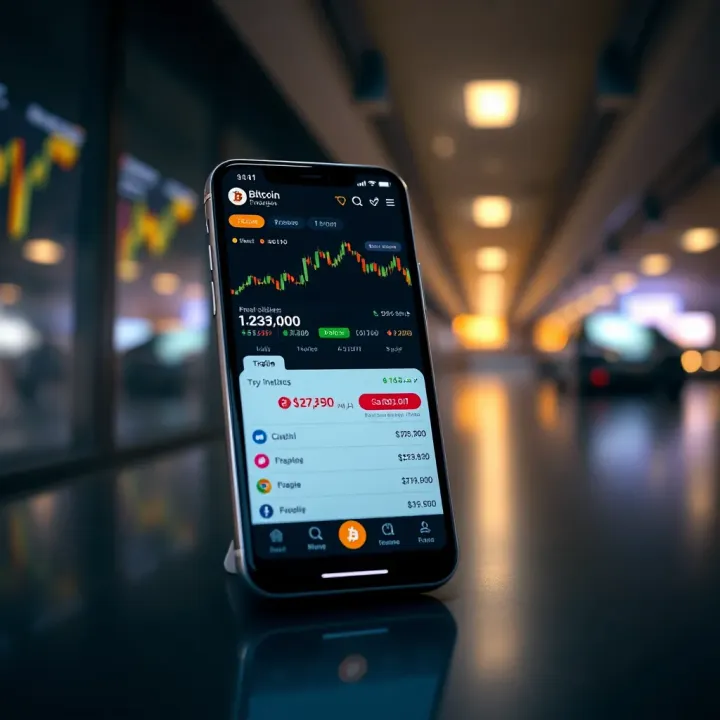
Looking for the best Bitcoin trading app in India? Discover top apps with strong security, low fees, easy user experience & full regulatory compliance 🔐📱💰
Based on 6 reviews