

Best Online Trading Apps in India: A Practical Guide
Find the best online trading app in India! 📈 Explore features, security, charges, and support to match your trading style and goals perfectly. 💹
Edited By
Charlotte Davies
Online trading apps have become the go-to choice for many investors and traders across India. With rising smartphone penetration and fast internet, placing trades or tracking the markets happens at your fingertips anytime, anywhere. However, the ease of access also brings the challenge of picking the right app — one that fits your trading style, offers reliable tools, and keeps your money safe.
Unlike traditional brokerage platforms, online trading apps vary widely. Some focus on equities, while others offer options, commodities, or mutual funds. Fees, usability, research tools, and customer support differ a lot among providers. That’s why selecting the app suited to your goals can impact your overall trading success.

Also key is Indian regulatory compliance. Your app should be authorised by the Securities and Exchange Board of India (SEBI) to ensure your investments remain protected under the law. Many popular platforms such as Zerodha, Upstox, and Angel One meet these standards, but always double-check before sharing sensitive information.
Remember, a good online trading app is one that matches your experience — beginners may want simpler interfaces with educational support, while seasoned traders often prefer advanced charting and order types.
Security remains non-negotiable. Features like two-factor authentication (2FA), encryption of data, and regular audits make a difference against fraud. Avoid apps that ask for excessive permissions or seem unprofessional.
Common issues traders face include latency during market volatility, hidden charges, and poor customer service. Reading reviews and testing demo versions can save you trouble down the line.
This article walks you through the essential criteria for choosing your ideal trading app, while presenting popular options and security pointers. With the right app, managing portfolios and seizing market opportunities becomes simpler and more efficient.
Choosing the right online trading app requires paying attention to features that directly impact your trading experience. These features determine how efficiently you can navigate the market, execute trades, and manage your investments. Let’s break down the essential aspects to watch for.
A clean, intuitive interface makes trading simpler, especially when markets move fast. Apps like Zerodha Kite offer a straightforward dashboard where you find your portfolio, watchlists, and charts without digging through menus. If you spend minutes hunting for order types or account details, you risk missing out on good opportunities.
Trade execution speed is critical, especially for day traders who need to act instantly on price changes. Slow or unreliable apps can lead to lag, causing losses or missed entries. Upstox Pro, for example, is known for snappy order placements, reducing delays during volatile trading hours.
Look for an app that supports various instruments — equities, derivatives, mutual funds, bonds, or even IPOs. This flexibility is important if you want to diversify. An app limited to just stocks won’t help you much if you decide to try commodity trading or buy Government bonds later.
Access to timely, accurate market data and research is a big plus. Apps like Angel One provide detailed reports, live news feeds, and technical indicators to help inform your decisions. Without these tools, you're trading in the dark, relying solely on gut feeling.
Remember, good research tools not only improve decision-making but also help you spot trends early.
Brokerage fees can eat into profits, especially if you trade frequently. Some apps offer zero brokerage on equity delivery trades but charge for intraday or futures trading. 5Paisa charges competitive flat fees that can help traders keep costs low. Always read the fine print to avoid surprise charges like inactivity fees or withdrawal costs.
Having responsive customer support is vital when facing technical issues or queries on your transactions. Also, look for apps that provide educational content, webinars, or tutorials. Groww, for instance, offers learning material for beginners, helping freshers understand market basics while navigating the app smoothly.
Understanding these key features lets you pick a trading app that suits your style and needs, saving time and money while boosting your chances of success in the Indian markets.

Choosing the right trading app largely depends on finding an option that fits your trading style, offers reliability, and provides good value for money. In India, several apps have gained popularity for their features, user interface, and support. Understanding these popular choices helps you make an informed decision tailored to your needs.
Zerodha Kite is often the first name that comes up among Indian traders. It is known for its minimalistic design and fast trade execution, which makes it a favourite for both beginners and experienced investors. The app supports equity, commodities, currency trading, and mutual funds through its integration with Coin, Zerodha’s mutual fund platform. Zerodha also offers detailed charts and technical indicators, giving serious traders the tools necessary for effective analysis. Moreover, its brokerage model is cost-effective, charging zero brokerage on equity delivery trades and flat ₹20 per intraday and F&O trade.
Upstox Pro appeals to active traders with its robust trading platform that handles high volumes smoothly. The app offers extensive charting tools, multiple order types, and real-time data, which help in timely decision-making. Users can trade equities, derivatives, commodities, and more. Notably, Upstox’s brokerage charges are simple, with zero fees on equity delivery and ₹20 per order for intraday and F&O. Its user interface caters well to tech-savvy traders who appreciate customizable dashboards and fast trade execution.
Angel One is well-suited for investors who prefer a comprehensive service backed by a full-service broker. It combines low brokerage charges with a suite of investment options including equities, mutual funds, IPOs, and insurance. The app focuses on simplifying investment through features like instant account opening and direct mutual fund purchases. Angel One also provides research reports and advisory services, catering to users seeking guided investment decisions.
Initially popular for mutual fund investments, Groww has expanded into stock trading with a simple-to-use app suitable for beginners. The platform offers educational content alongside investment options, making it easier for new investors to understand market dynamics. Groww’s transparent pricing means zero commission on mutual funds and competitive charges on stock trading. Its clean interface and seamless UPI integration make small-ticket investments very accessible.
5Paisa draws attention for its ultra-low-cost brokerage model and variety of offerings. It appeals to cost-conscious traders with flat ₹10 per trade charges, regardless of trade size. The app supports equities, commodities, and mutual funds, and provides personalised advisory and automated investment plans. It is especially good for those who trade frequently but want to keep costs in check. 5Paisa also offers nifty tools like technical charts and market scanners, aiding active investors in better market analysis.
Choosing among these apps boils down to your specific trading needs, cost considerations, and preferred features. Test a couple of these platforms to see which aligns best with your strategy.
By carefully weighing these options, you can pick an app that not only fits your trading goals but also supports your growth as an investor or trader in India’s dynamic market.
Security and regulatory compliance stand at the core of a trustworthy online trading app. In India, where digital trading has surged, protecting your investments and personal data is non-negotiable. Choosing an app that rigorously follows regulations and employs robust security measures ensures smooth trading without fearing fraud or data breaches.
The Securities and Exchange Board of India (SEBI) regulates all stock market activities, including trading apps. SEBI ensures these platforms maintain transparency, protect investor interests, and follow fair practices. For instance, SEBI mandates that all online brokers must be registered and comply with operational guidelines. This guarantees that the app you use has passed regulatory checks and is monitored to prevent malpractices such as insider trading or market manipulation. Before investing through any app, confirming its SEBI registration saves you from unregulated and potentially risky platforms.
Data privacy is vital in online trading apps since confidential information like bank details and PAN card data travel through these systems. Good trading apps use end-to-end encryption to keep your data safe from snoopers. They also follow strict privacy policies in line with Indian laws like the Information Technology Act, protecting your information from being misused or shared without consent.
Look for features like biometric login (fingerprint or face recognition), which add a layer of security beyond a password. Notifications for login from new devices or changes to account settings help you stay aware of any suspicious activity. Apps that regularly update themselves to patch security flaws show a commitment to protecting users.
Two-factor authentication (2FA) acts as a second gatekeeper for your trading account. Along with your password, it requires a one-time password (OTP) sent to your registered mobile number or email. This method drastically reduces the chances of unauthorised access even if your password leaks.
SSL (Secure Socket Layer) encryption protects data exchanged between your device and the trading server. Always check for the app’s use of SSL to ensure your transactions and personal data do not travel in plain text over the internet, where hackers can intercept them. A simple way to verify this is by ensuring 'https://' appears in URLs or that the app mentions SSL certificates in its security features.
Choosing a trading app with SEBI registration and strong security practices like 2FA and SSL encryption can significantly reduce risks. This helps you trade confidently, focus on your strategies, and avoid the headache of scams or data theft.
By paying attention to these security and compliance aspects, you safeguard your financial journey and make the most of online trading in India.
Choosing a trading app that fits your specific goals and trading style can make a significant difference in how effective and enjoyable your investing experience turns out. Each trader or investor has unique priorities—some prefer quick, on-the-go decisions, while others want deep research tools or long-term portfolio management features. Matching your app to your approach helps avoid frustrations and supports your financial objectives.
For those just starting, simplicity and education are key. Beginner-friendly apps often feature straightforward interfaces, easy navigation, and built-in tutorials or videos explaining market basics. For example, Groww offers intuitive design with easy access to mutual funds and equities, plus educational resources that make it easier for first-timers to understand investment products without feeling overwhelmed. These apps usually have lower minimum account requirements and provide goal-based investment options, helping beginners build confidence gradually.
Day traders and active investors look for speed and advanced tools to execute frequent trades efficiently. Such apps offer real-time market data, advanced charting, and quick order placements. Zerodha Kite and Upstox Pro cater well to this audience by providing lightning-fast trade execution, detailed technical indicators, and customised watchlists. They also support options like intraday trading and margin trading, crucial for active strategies. For traders using technical analysis or monitoring price swings, these apps reduce latency and keep things responsive, helping capture market opportunities as they arise.
Long-term investors prioritise portfolio tracking, easy access to historical data, and features that support SIP (Systematic Investment Plan) investments or retirement planning. Angel One App excels in this space by combining stock and mutual fund investments with automated SIP management and tax-saving tools under Section 80C. Such apps focus less on rapid trades and more on helping investors monitor diversified portfolios, receive periodic reports, and stay updated on corporate actions or dividends. This way, long-term investors can stay informed and aligned with their financial goals without needing to constantly watch market movements.
Selecting the right trading app based on how you plan to invest reduces confusion and enhances your ability to make well-timed decisions. Consider your comfort with technology, trading frequency, and investment horizon before deciding.
In summary, beginners benefit from easy learning curves; day traders need speed and deep data; and long-term investors seek comprehensive management features. Being clear about your trading goals will help you pick the app best suited for your needs, making your trading journey more productive and smooth.
When trading through online apps, certain challenges are bound to arise that can impact your experience and potentially your profits. Understanding these common issues helps you prepare for them and find workable solutions, ensuring smoother trading. The three key challenges traders often face are connectivity problems, app crashes or bugs, and hidden fees that eat into returns.
A stable internet connection is the backbone of online trading. Poor connectivity can lead to missed price updates, delayed order placement, and even failure in executing trades at desired rates. This is especially critical during volatile market moments when every second counts. Traders in tier-2 or tier-3 cities might face frequent network fluctuations, so it’s wise to have a backup connection, such as mobile data alongside broadband.
To reduce disruptions, use trading apps that offer offline order placement features or ‘order queuing’ capabilities. Some apps notify you when the connection restores and execute queued trades automatically. Also, consider updating your app regularly—developers often improve connectivity handling in updates.
App crashes or bugs can interrupt trading at crucial times. Frequent crashes might stem from outdated versions, device incompatibility, or server overload during peak hours. For example, a trader relying on real-time updates during market opening could lose valuable opportunities if their app freezes.
Prevent this by choosing apps with a strong track record and positive user reviews for reliability. Regularly clean app cache or reinstall the app if performance drops. Contact customer support promptly whenever you experience glitches, as some issues may be localised or fixed quickly through patches.
Hidden fees can significantly affect your net returns. Some trading apps may charge for features like SMS alerts, fund withdrawal, or access to advanced charts. Others might have higher brokerage in certain cases or impose inactivity fees.
Always read the fine print before choosing an app or starting to trade. Compare brokerage plans transparently offered by popular apps, and be aware of charges for additional services. For example, Zerodha offers zero brokerage on equity delivery but charges for intraday trades. Checking user forums and reviews can reveal hidden costs early on.
Being aware of these common challenges and preparing for them helps you trade more confidently and safeguard your investments.
By tackling connectivity problems with backup solutions, keeping apps updated for smooth performance, and carefully scrutinising fees, you can improve your overall trading experience considerably. These steps save time, reduce stress, and keep your focus on making smart investment decisions.
Find the best online trading app in India! 📈 Explore features, security, charges, and support to match your trading style and goals perfectly. 💹

Explore top online share trading apps in India 📱. Learn key features, fees, security tips, and how to pick the right app for smarter investing! 💡
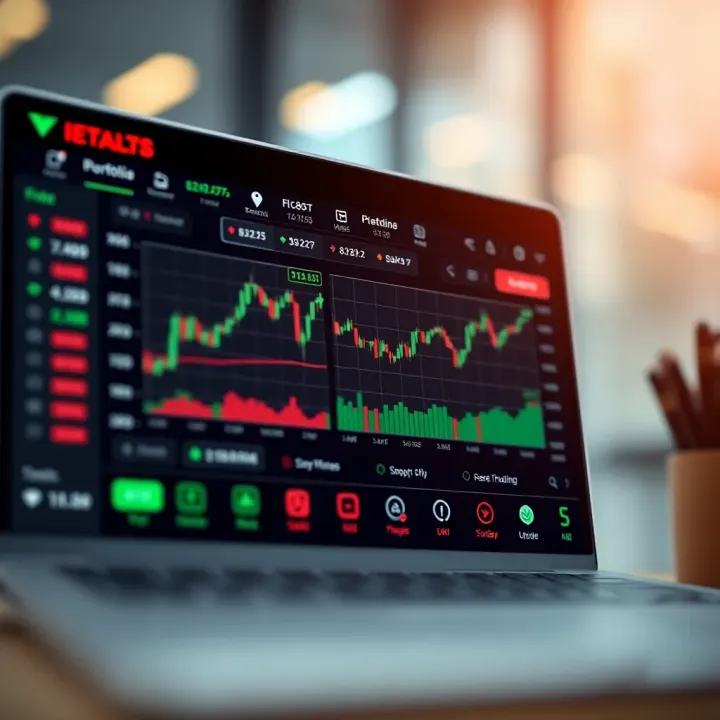
📱 Explore top online trading apps in India, learn about features, security, pricing, and expert tips to pick the best fit for your trading style.

Explore top online stock trading apps in India 📱 Learn features, security tips & how to pick the best platform for your trading journey safely 🔐
Based on 15 reviews