

Legal Forex Trading Apps in India Guide
Explore legal forex trading apps in India 🇮🇳! Learn about regulations, top platforms, and tips for safe, responsible trading within Indian laws 📊💡.
Edited By
James Whitaker
Forex trading in India has steadily gained popularity as more investors seek global diversification and profit opportunities. However, the choice of a forex trading app can make or break your experience. A reliable app offers seamless access to currency pairs, real-time rates, and efficient order execution without hiccups.
With dozens of apps claiming to be the best, figuring out which ones genuinely suit your trading style and compliance needs is vital. Indian traders must ensure the platform is legally authorised by relevant regulators like the Securities and Exchange Board of India (SEBI) or compliant with RBI guidelines for currency trading.

Here are crucial points to keep in mind when you select a forex trading app:
Regulatory compliance: Verify the app complies with SEBI norms and RBI’s frameworks for forex trading, especially if you plan to trade INR pairs or engage in cross-border currency transactions.
User interface and experience: A clutter-free, responsive app helps track price movements and place orders quickly, reducing the risk of missing critical trade windows.
Range of currency pairs: The top apps offer not just major pairs like USD/INR or EUR/USD but also emerging market currencies, enabling diversified exposure.
Real-time data and alerts: Delays in rates can lead to losses. Apps that push instant notifications tied to price triggers or news updates give you an edge.
Transaction costs: Check brokerage fees, spreads, and any hidden charges. Low-cost platforms with transparent pricing cut down your cost of trading.
Security features: Two-factor authentication, encryption, and secure data storage must be non-negotiable to safeguard your funds and personal info.
Choosing the right forex trading app involves balancing ease of use, cost, and regulatory safety — essential factors for protecting your investment.
In the sections that follow, we will review some of the leading forex trading apps available in India, look at the important legal considerations, and share tips to trade safely. Whether you're an experienced trader or a curious beginner, understanding these elements can help you trade smarter and protect your capital wisely.
Understanding forex trading in India matters because the market behaves differently here than in global hubs. Indian regulations, currency restrictions, and trading platforms set the stage for what options a trader has. Without a clear grasp of how forex works in this context, traders risk costly mistakes or falling prey to unauthorised brokers. For example, many traders are unaware that only certain currency pairs are legally allowed for trading through authorised Indian brokers.
Forex trading involves buying and selling currencies to profit from fluctuations in exchange rates. Imagine you expect the US dollar to strengthen against the Indian rupee; you buy USD/INR currency pairs hoping to sell them later at a favourable rate. This trading happens 24/7 globally, but in India, it strictly operates through regulated channels.
Currency pairs consist of a base currency and a quote currency — for example, EUR/USD. The base currency is the one you buy or sell, and the quote currency shows its value. If EUR/USD is 1.10, it means 1 euro equals 1.10 US dollars. Traders speculate on these rates moving up or down, influencing profit or loss. In India, most traders deal with pairs involving the rupee or major foreign currencies allowed by the Reserve Bank of India (RBI).
The Reserve Bank of India (RBI) strictly regulates foreign exchange trading to prevent illegal money flows and protect Indian investors. Under RBI rules, only currency pairs involving the rupee may be legally traded on recognised Indian exchanges. Trading in exotic or certain foreign currency pairs is not permitted locally and could invite legal trouble. Understanding these limits is crucial before you start trading.
Only RBI-approved brokers and platforms can legally offer forex trading services in India. These authorised brokers comply with Know Your Customer (KYC) norms and ensure safe transaction channels, reducing chances of fraud. Using authorised platforms means you get proper trading infrastructure, timely settlement, and customer protection. For instance, brokers like ICICI Direct and HDFC Securities provide authorised forex trading options aligned with Indian laws. Always check licences and reviews before picking a platform.
Traders who ignore the legal framework risk losses from unregulated platforms or unlawful trades. Choosing the right broker and understanding permitted currency pairs will safeguard your investment and trading experience.
Choosing the right forex trading app can make a significant difference in how efficiently and securely you trade currencies. Given the dynamic nature of forex markets and the variety of apps available in India, focusing on key features is essential. These elements not only improve your trading experience but also safeguard your investments and help you make timely decisions.
Ease of navigation is critical because a cluttered or complicated design can slow you down during fast-moving market conditions. An app with a clean layout helps you find crucial options like placing orders, viewing charts, or checking news without delays. For instance, apps like MetaTrader 4 offer simple menus and quick access to trading instruments, giving you an edge when market volatility spikes.
Customisation options add another layer of convenience. Being able to personalise dashboards, watchlists, or notifications ensures you focus only on what matters to you. This reduces noise and helps avoid fatigue from constant irrelevant alerts. For example, some apps let you rearrange widgets or set alerts for particular currency pairs only, tailoring the experience to your style.
Technical analysis tools are a must-have for traders who rely on chart patterns and indicators for decision-making. Quality apps provide indicators like Moving Averages, Relative Strength Index (RSI), Fibonacci levels, and Bollinger Bands within the platform. These tools enable you to anticipate market moves and plan entry or exit points carefully. Without such features, your trading decisions become guesses rather than informed calls.
Real-time charts and data prevent costly delays. In forex trading, prices can change in seconds; hence, having live updates with minimal lag is important. Apps that offer live data feeds offer clarity and let you act swiftly—whether that means placing a stop-loss or locking profits. An example is the TradingView-enabled apps where you can see live price movements alongside technical overlays.
Data encryption ensures that your personal and financial details remain confidential during every transaction and data exchange. Since currency trading involves sensitive information, encryption protects you from hacks or data leaks. Trusted Indian apps deploy SSL (Secure Sockets Layer) or similar end-to-end encryption, securing information even on public networks.
Two-factor authentication (2FA) adds an extra safety net. Rather than relying only on a password, 2FA requires a second form of verification like a one-time password (OTP) sent to your mobile or email. This step stops unauthorised access even if your password leaks. Apps such as Zerodha’s Kite and others incorporate 2FA to protect trader accounts.
Availability and responsiveness matter when you face urgent technical glitches or trading issues. Reliable apps provide quick support through live chat, helplines, or email, ensuring problems don't stall your trading. For example, platforms like Upstox offer round-the-clock customer service or at least extended support to assist traders in India’s different time zones.
Educational resources within the app help both beginners and seasoned traders improve their skills continuously. Access to tutorials, market insights, webinars, and FAQs within the app empowers you to stay informed and adapt strategies. This support is essential in a market as volatile and fast-moving as forex, where knowledge can mean the difference between profit and loss.
Picking a forex trading app with the right blend of usability, robust trading tools, strong security, and reliable support significantly boosts your chances of trading success and peace of mind.

By keeping these features in mind, you can choose an app that suits your trading approach and helps you navigate the Indian forex market confidently.
Choosing the right forex trading app can make a big difference for traders in India, helping them execute trades smoothly and stay informed with real-time data. This section covers what to expect from top forex trading apps, practical features they offer, their costs, and how well they perform on mobile devices.
Leading forex trading apps like IG, Zerodha, and Interactive Brokers offer robust platforms with features such as live forex quotes, advanced charting tools, and integrated news feeds. Many also allow quick order execution with different order types like limit and stop-loss. For example, Zerodha's Kite app is popular because it combines forex trading with other asset classes, giving Indian traders the convenience of managing portfolios in one place.
Another practical element is multi-currency support with instant access to popular pairs plus some exotic ones. Some apps provide automated trading using algorithms or copy trading options, which help beginners learn from experienced traders. These features matter because they can streamline trades and offer flexibility.
User feedback is a vital window into an app's reliability and ease of use. App stores and forex forums reflect genuine experiences regarding interface user-friendliness, timely trade execution, and customer service responsiveness. For instance, an app might have excellent features but suffer from frequent outages or slow data updates, leading to negative reviews.
Moreover, reviews can highlight hidden costs or poor handling of disputes. Indian traders often look for apps with a strong service track record and clear communication. Choosing an app with solid user ratings reduces the chances of facing unexpected glitches.
Brokerage fees directly affect profitability, especially for regular traders. In India, many forex brokers charge a percentage of the trade value or a fixed fee per transaction. Zerodha, for instance, charges a flat fee, which can benefit high-volume traders by keeping costs predictable.
Understanding brokerage structures helps traders estimate total costs upfront. Lower fees don't always mean better; sometimes premium apps justify their higher charges through superior features and support.
Spreads—the difference between buying and selling prices—impact day-to-day trading costs. Tight spreads reduce losses on quick trades. Most Indian forex apps offer variable spreads depending on market volatility and liquidity.
Commissions may be separate or included in spreads. It's essential to compare these charges across apps to find a balance between cost and service quality. For example, an app with zero commissions but wider spreads might end up costing more over time.
Top forex apps in India usually support both Android and iOS, covering a wide user base. Some apps also offer web versions accessible on desktop browsers, giving users the flexibility to trade from any device.
Given that many traders in India access services through mid-range mobile phones, apps optimised for lower-end devices or spotty internet connections perform better in real conditions.
Fast and stable apps are crucial to avoid missed opportunities and slippage. An app that frequently freezes or crashes can cause serious losses during fast market movements.
App developers for Indian markets often focus on reducing loading times and buffering, even on 4G connections common in tier-2 and tier-3 cities. Traders should prioritise apps known for reliability to ensure uninterrupted trading.
Choosing a forex trading app goes beyond fancy features; it's about understanding how costs shape your trades and how the app performs on your everyday device. These practical checks can save you both money and stress on your trading journey.
Understanding legal aspects and regulatory guidelines is essential for forex traders in India to avoid pitfalls and trade within the law. These rules shape which currency pairs you can trade, how brokers operate, and the protections offered to investors. Knowing them helps you pick trustworthy platforms and steer clear of scams or unauthorised activities.
RBI restricts Indian traders from participating in forex trading involving currency pairs that do not include the Indian Rupee (INR). This means you can legally trade only currency pairs like USD/INR, EUR/INR, GBP/INR, and JPY/INR. Trading pairs such as EUR/USD or GBP/JPY is not allowed for retail traders under Indian law. The restriction aims to reduce foreign exchange risk and capital flight, maintaining stability in the domestic currency market.
Besides currency pair restrictions, RBI permits trading activities that involve well-regulated derivative products and authorised brokers. Indian traders must execute trades through brokers registered with Indian regulators, primarily for INR-based forex contracts or limited offshore derivatives approved by RBI. Transactions must also follow remittance rules, including limits under the Liberalised Remittance Scheme (LRS), which caps individual annual forex remittances to $250,000.
The Securities and Exchange Board of India (SEBI) oversees licensing and regulation of brokers dealing with forex derivatives within Indian exchanges like NSE and BSE. SEBI ensures brokers meet capital adequacy, transparency, and compliance norms before granting licences. For traders, this means choosing SEBI-registered brokers protects you from fraudulent practices and ensures access to a regulated trading environment.
Investor protection rules set by SEBI include mandatory disclosures about risks, product features, and charges so that investors make informed decisions. SEBI also oversees dispute redressal mechanisms, making it easier for traders to raise concerns if issues arise. Platforms must provide transparent transaction records and maintain client funds separately, reducing risks linked to broker defaults or malpractice.
Avoiding unauthorised platforms is crucial as many foreign sites operate without regulation in India. Trading on such platforms exposes investors to high risks like fund loss, data theft, or sudden shutdowns. Always verify broker licences on SEBI’s official lists and check if the app complies with RBI policies. Remember, popular global apps might not be legally accessible in India for forex trading.
Understanding tax implications is equally important. Profits from forex trading are treated as income and taxed according to your applicable income slab. Losses can be adjusted against other income only under certain conditions. Keep accurate trade records for Income Tax Return (ITR) filing. It helps prevent legal hassles and ensures adherence to tax laws, as the Income Tax Department increasingly uses data analytics to track undeclared earnings.
Always remember: trading forex responsibly means knowing the rules that apply to you. Regulatory adherence protects your capital and gives you a fair chance to succeed.
Trading forex through apps offers convenience but demands careful habits to protect your investment. Using the right approach helps you avoid common pitfalls while making the most of the platform’s features. Practical tips guide you to trade wisely, manage risks, and continuously improve your skills—key for navigating India’s forex environment effectively.
Demo accounts allow you to trade with virtual money, so you can learn the basics or get familiar with a new app without risking real cash. For example, if you want to understand how currency pairs fluctuate or how spreads affect your trades, demo trading gives that experience safely.
Using a demo account is particularly useful for freshers in forex, letting them build confidence and understand the trading process before shifting to live markets. It’s like trial runs for pilots before the actual flight.
Before risking your hard-earned money, testing trading strategies on a demo account helps identify what works best. Say you want to try a momentum-based approach or experiment with different time intervals on charts—demo accounts provide the sandbox to fine-tune these techniques.
This way, any losses happen on paper, not your portfolio. Many Indian traders use demo accounts offered by apps like Zerodha or Upstox to revise their strategies repeatedly before going live.
A stop-loss order automatically closes your position when a currency hits a certain price, limiting your loss. For instance, if you buy USD/INR at ₹75 but want to limit loss to ₹74.5, placing a stop-loss helps prevent bigger hits if the market moves against you.
Using this feature effectively safeguards your capital and prevents emotional decisions during volatile moves, which are quite common in forex markets.
Leverage lets you control larger positions with smaller amounts, but it can quickly wipe out your funds if used carelessly. Many apps offer leverage up to 100:1, but beginners should start cautiously or avoid high leverage completely.
Overleveraging amplifies losses and can cause margin calls that force you to liquidate prematurely. Staying within your risk appetite and continually monitoring margin use keeps your trading sustainable.
Demo accounts mimic real trading but don’t involve actual money, ideal for practice. Live accounts use genuine funds, so trading here involves real profits and losses.
Switching to a live account only when you’re ready helps prevent early setbacks. Also, some apps provide tiered live accounts with varying features so you can pick according to your experience and capital.
Look for factors like minimum deposit, leverage options, spreads, commissions, and withdrawal ease before choosing an account. For example, an account with lower spreads benefits intraday traders, while a higher minimum deposit might suit long-term investors.
A suitable account type streamlines your trading and fits your goals, reducing friction and cost.
Forex markets respond quickly to global events like RBI policy announcements or US economic data. Having timely access to news through your trading app keeps you prepared.
Many apps integrate news feeds or alerts, helping you act on sudden market shifts without delay, which is crucial to protect or profit.
Top forex apps provide tutorials, webinars, market analysis, and demo contests. Engaging with these helps you refine skills, understand indicators, and explore new strategies.
Continuous learning is vital—markets evolve and so should your approach. Apps like Angel Broking and 5Paisa offer valuable educational content that Indian traders can use to stay sharp.
Regular practice and prudent risk management on these apps enhance your chances of success and reduce costly mistakes in live forex trading.
Remember, good forex trading habits develop over time. Use these practical tips to build a solid foundation and maintain discipline as you trade through apps in India.
Explore legal forex trading apps in India 🇮🇳! Learn about regulations, top platforms, and tips for safe, responsible trading within Indian laws 📊💡.
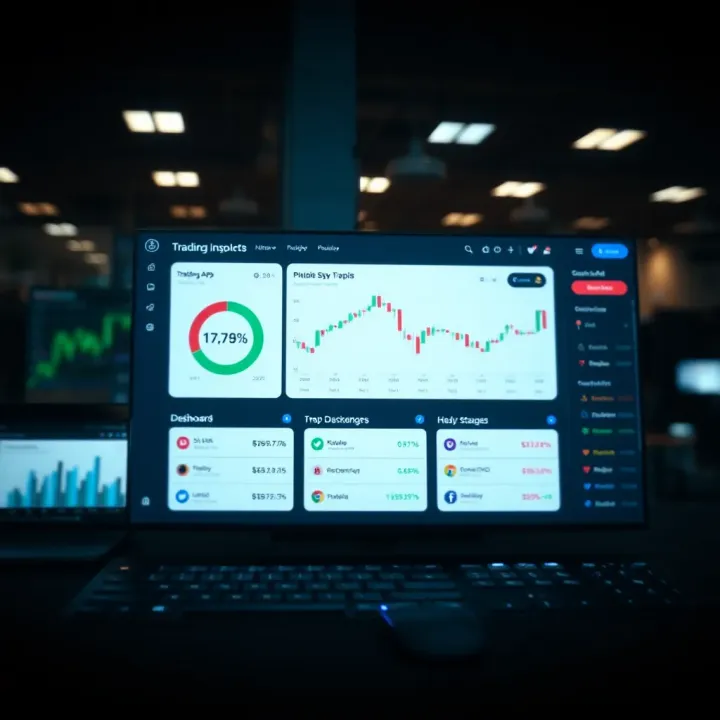
🔍 Find the best trading app for Indian investors! Explore features, costs, security & usability with expert tips to match your investment goals perfectly.

Explore the legal landscape of forex trading apps in India 🇮🇳. Learn key regulations, features, risks, and find trusted compliant platforms for safe trading 📈.

📱Discover top option trading apps in India! Learn features, security, regulations & tips to choose the perfect platform for your trading goals.
Based on 10 reviews