
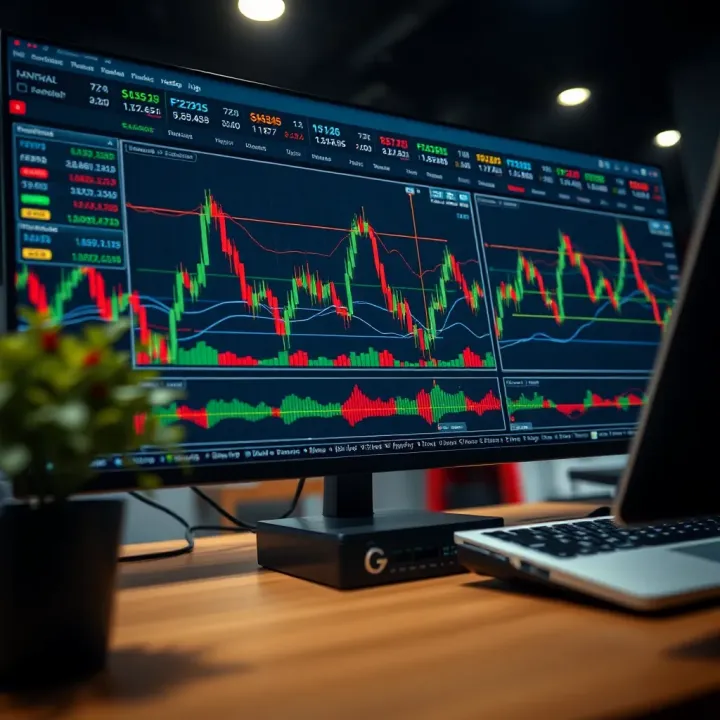
Guide to Online Forex Trading in India
Explore online forex trading in India 🇮🇳 with insights on legal rules, top platforms, key players, and smart strategies to trade safely and wisely 💹.
Edited By
Emily Carter
Forex trading has snagged the spotlight as one of the quickest ways for individuals in India to explore financial markets. But the buzz can be a bit misleading if you jump in without a clear roadmap. Understanding forex isn’t just about watching currency pairs climb and dip—it's about grasping the basics, choosing the right online platforms, and developing strategies that suit your style and risk appetite.
The world of forex trading online can feel like a maze, especially with so many resources floating around. This guide skips the fluff and zeroes in on practical steps tailored for Indian traders and enthusiasts who want a strong foundation and the means to refine their game over time.

"Trading forex isn’t a get-rich-quick scheme; it’s a skill that requires patient learning and smart tactics."
In the following sections, you’ll find straightforward advice on picking platforms popular in India, dissecting forex jargon without the headache, crafting realistic trading strategies, and, crucially, managing the risks that come with the territory. Whether you’re a curious investor, an analyst seeking fresh insights, or an educator looking for clear content, this guide aims to offer something real—no smoke and mirrors.
So, buckle up and let’s walk through how you can confidently kick off your forex trading journey online.
Getting to grips with the fundamentals of forex trading is a must before diving into the deep waters of the forex market. Without a clear understanding of the basics, new traders can easily get overwhelmed or make costly mistakes. This section lays the foundation by explaining what forex trading actually is, who the key players are, and how the forex market operates. Grasping these ideas is crucial for anyone aiming to make educated trading decisions and manage risks effectively.
Forex trading, or foreign exchange trading, involves buying one currency while simultaneously selling another. It's like swapping rupees for dollars or euros for pounds in hopes of profiting from changes in exchange rates. The primary goal is to capitalize on fluctuations in currency prices. For instance, if you expect the US dollar to strengthen against the Indian rupee, buying USD/INR could yield profits once the rate moves in your favor.
Understanding this concept is key because forex is not just about guessing whether prices will go up or down; it's about comprehending how global events, economic reports, and market sentiment influence currency values.
The forex market isn’t dominated by small-time traders alone. It features a mix of major players who move the market substantially:
Central banks: Entities like the Reserve Bank of India (RBI) intervene to stabilize or steer their country's currency.
Commercial banks: Big banks facilitate large currency transactions for clients and also trade on their own accounts.
Corporations: Businesses engaged in import/export deal with currency exchanges regularly.
Retail traders: Individual investors and traders—yes, that includes you.
Each participant’s actions—whether hedging currency risk or speculating on price moves—impact overall market dynamics. Knowing who’s in the game will help you interpret market movements better.
Forex trading stands apart from markets like stocks or commodities in several ways:
Market size and liquidity: Forex is the largest financial market globally, with over $6 trillion traded daily, meaning orders get executed almost instantly.
24-hour operation: Unlike stock markets that close after business hours, forex trades around the clock Monday to Friday, allowing more flexibility.
Leverage availability: Forex brokers often offer leverage, meaning you can control a larger position with a smaller amount of capital—but this comes with higher risk.
Recognizing these distinctions helps traders tailor their strategies accordingly, especially regarding timing and risk management.
Currencies in forex are quoted in pairs—like EUR/USD or USD/INR—where the first currency is the base and the second the quote currency. The exchange rate tells you how much of the quote currency you need to buy one unit of the base currency. For example, if USD/INR is 75.50, it means 1 US dollar equals 75.50 Indian rupees.
Understanding pairs is vital since trading always involves simultaneously buying one currency and selling another. Knowing the difference between major pairs (like EUR/USD), minors, and exotics is important because liquidity and volatility vary greatly.
The forex market is active 24 hours a day, broken down into overlapping sessions:
Asian session (Tokyo)
European session (London)
North American session (New York)
Liquidity peaks when sessions overlap, such as London and New York, because many big institutions trade at this time. For Indian traders, this means you can pick the best time to trade when the market has enough volume to enter and exit trades with tighter spreads.
Currency prices don’t move randomly. Several factors influence their rise or fall:
Economic data: Reports like GDP growth, inflation rates, or employment figures impact currency strength.
Interest rates: Higher interest rates tend to attract foreign capital, boosting demand.
Political events: Elections, geopolitical tensions, or policy changes can spark volatility.
Market sentiment: Traders’ collective mood—whether risk-on or risk-off—also plays a role.
Keeping an eye on these drivers and understanding their implications will help traders anticipate potential moves rather than blindly reacting.
Knowing the basics well is like having a sturdy compass while navigating forex trading—it stops you from getting lost in confusing market twists.
Mastering these fundamental elements equips traders with the ground rules needed to explore more advanced concepts and trading tactics in the sections ahead.
Getting started with online forex trading sets the foundation for a successful journey in this fast-paced market. It’s not just about opening an app and clicking buy or sell; understanding how to pick the right platform and setting up your account properly can save you from headaches down the line. For traders in India, this becomes even more important due to regulatory requirements and the sheer number of options available. Before diving in, grasping these basics will help prevent costly mistakes and build confidence as you progress.
When it comes to forex trading, the platform you choose is like your cockpit — it needs to be reliable, user-friendly, and equipped with the tools you’ll need.
Important features to look for:
Ease of use: A cluttered interface can lead to mistakes, especially for beginners. The simpler, the better.
Real-time data and charting tools: Accurate price updates and solid charting abilities help you spot trends and make timely decisions.
Order execution speed: Delays in processing trades can cost you money in volatile markets.
Security measures: Look for platforms with two-factor authentication and encrypted data.
With these in mind, platforms like MetaTrader 4 (MT4) and MetaTrader 5 (MT5) are popular for their extensive features and community support. Also, Indian traders often prefer brokers like Zerodha or Upstox (though more focused on stocks, some offer forex), and global names like IG Markets or Forex.com that serve the Indian market with proper legal compliance.
Demo accounts and their benefits: Using a demo account is like practicing on a flight simulator. It lets you test strategies and get familiar with the platform without risking real money. For example, you can try placing different order types or experiment with leverage settings.
Demo trading builds muscle memory and confidence, helping reduce rookie mistakes when you switch to a live account.
Once you’ve picked a platform, the next step is to get your account up and running. This process might look straightforward but has a few important steps.
Registration and verification: Most brokers will ask for basic ID proof, address proof, and sometimes financial details. This is to comply with regulations by the Reserve Bank of India (RBI) and Securities and Exchange Board of India (SEBI). The verification can take a day or so, but it’s crucial to ensure your trading activities are legal and secure.
Funding your account securely: Deposit methods typically include bank transfers, UPI, or debit/credit cards. Always use channels recommended by the broker and check for any charges. It's best to avoid third-party payments to keep your funds safe and traceable.
Understanding spreads and commissions: Every trade comes with a cost—known as the spread (difference between buy and sell price) or commissions.
Spread: Variable or fixed, this affects when you start seeing profits.
Commission: Some brokers charge a small fee per trade instead of widening the spread.
For instance, ICICI Direct and Kotak Securities offer forex trading with competitive spreads suited for Indian traders, but always read the fine print.
Understanding these costs upfront helps you plan your trades better and avoid surprises.
Getting started wisely by choosing the right platform and setting up your account carefully provides a smooth entry into forex trading, especially in a market as unique as India’s. Next up, learning essential trading concepts will add more bricks to your growing knowledge base.
Mastering the core concepts of forex trading is like learning the ropes before stepping into the ring. Without a solid grasp of these basics, even the sharpest traders can get caught off-guard. For anyone starting in forex, especially in India where the market operates under specific regulations, understanding these concepts isn't just useful—it's necessary.
Forex orders are your basic commands to the market, telling it when and how to buy or sell currencies. The main types are market orders, limit orders, and stop orders. Understanding these is key to managing trades effectively.
Market Orders: These execute immediately at the current market price. Suppose you’re watching the USD/INR pair and believe the rupee will weaken—placing a market order means you buy instantly at the best available rate, capturing the move without delay.
Limit Orders: These allow you to set a price better than the current market. For example, if USD/INR is at 75.50 but you only want to buy if it dips to 75.00, a limit order waits on the sidelines until the price reaches your set point, preventing you from chasing the market.
Stop Orders: These come into play to limit losses or protect profits. A stop-loss order, for instance, triggers a sale if the price falls to a predetermined level, say from 75.50 down to 75.00, cutting your losses automatically.
Using these orders strategically can help you react quickly while controlling risks, crucial for volatile forex markets.
Orders aren't just about placing trades but managing them once they're active. For instance, combining stop-loss and take-profit orders can automate your exit strategy. Say you buy EUR/USD at 1.1000; with a stop-loss at 1.0900 and take-profit at 1.1200, your trade will close automatically if either trigger is hit, sparing you the need to monitor constantly.
This approach helps you stick to your plan instead of making impulsive decisions driven by emotions. Remember, well-placed orders act as safety nets, especially when sudden economic news hits or during off-hours.
Leverage is often a double-edged sword in forex. It lets you control larger positions than the money actually in your account by borrowing from the broker.
How Leverage Works: Imagine with ₹10,000 in your account, you could buy forex worth ₹100,000 using 10:1 leverage. This magnifies both profits and losses. If the market moves 1% in your favor, you gain ₹1,000 instead of ₹100. But if it moves against you, losses mount just as fast.
Risks Associated with Margin Trading: Using margin means you’re trading on borrowed money; a sudden price dip could wipe out your capital quickly. For Indian traders, maintaining margin requirements and understanding potential margin calls is critical. It's like walking a tightrope; one misstep can mean your position is forcibly closed.
Safe Leverage Practices for Beginners: Starting small with leverage ratios like 2:1 or 3:1 lets you feel the market’s swing without risking more than you can afford. Always factor in your stop-loss orders and don’t overexpose your capital. Many brokers like Zerodha and Upstox offer educational tools to understand leverage — do not rush into high leverage without experience.
Knowing how to read charts and understand indicators is a must-have skill. Technical analysis looks at past price patterns to guess future movements. Popular tools include moving averages and RSI (Relative Strength Index) which highlight trends and potential reversals.
On the other side, fundamental analysis is about interpreting news and economic releases impacting currency values. For instance, a rise in India’s interest rates can strengthen the rupee against the dollar. Keeping tabs on reports like GDP, inflation, and employment data can inform your choices.
Combining both methods offers the best edge: technical analysis provides entry and exit points while fundamental analysis explains why prices move.
Traders often blend these approaches to validate their decisions. For example, a technical chart may signal a buy, but waiting for scheduled economic news can confirm or caution the move.
Grasping these essential concepts builds your confidence and equips you to trade smarter, not harder. Without them, you’re navigating forex like a blind sailor. So, invest the time in understanding orders, leverage, and analysis; your trading results will thank you.
Building a forex trading strategy is the backbone of consistent and disciplined trading. Without a clear plan, even the most promising opportunities can turn into losses. A well-crafted strategy helps traders make rational decisions, avoid knee-jerk reactions, and stay aligned with their goals. It acts like a roadmap, guiding you through the messy highs and lows of currency markets.
When you start putting together your strategy, you focus on identifying what fits your personality, risk appetite, and resources. The idea is not to find a one-size-fits-all blueprint but to develop a system tailored to how you want to trade and what you hope to achieve. A forex strategy also makes it easier to learn from your mistakes by allowing you to review what went right or wrong systematically.
Setting realistic goals is what separates casual dabblers from serious traders. It's tempting to dream of quick riches, but forex trading demands patience and practical goal-setting. Think of it like saving for a house — aiming for a modest monthly return of 2-3% might be more sustainable than expecting to double your capital every week.
Your goals should be Specific, Measurable, Achievable, Relevant, and Time-bound (SMART). For example, instead of saying, "I want to make money," you might say, "I want to grow my trading account by 10% over the next three months while risking no more than 2% per trade." This kind of clarity puts you in control and prevents chasing unrealistic profits that lead to reckless decisions.
Next, pick a trading style that suits your daily routine and temperament. If you can't stare at charts all day, scalping or day trading might drive you nuts. On the other hand, if you enjoy analyzing macro trends and have a full-time job, swing trading or positional trading could be a better fit.
Scalping: Trades last seconds to minutes, focusing on small price moves.
Day Trading: Positions opened and closed within the same day, avoiding overnight risk.
Swing Trading: Holding trades for several days to catch intermediate trends.
Positional Trading: Long-term trades held for weeks to months, based on fundamental analysis.
Choosing the right timeframe matters because it determines how often you’ll trade and how much time you'll invest in analysis. For instance, if you pick the 15-minute chart for day trading, you may find you need to monitor the screen continuously, which isn’t feasible for everyone.
Scalping is like picking pennies off the table. Traders enter and exit quickly, aiming for tiny profits many times a day. This style demands intense focus, quick decision-making, and low spreads from your broker to be effective. For Indian traders, platforms like MetaTrader 4 (MT4) or MetaTrader 5 (MT5) offer reliable execution speeds essential for scalping.
Day trading is slightly less frantic but still requires quick moves. You open positions during the day and close before the market shuts, avoiding overnight risk that can bring surprises due to global events. This style benefits from technical indicators like moving averages and RSI to time entries.
Both methods demand discipline, strong risk controls, and quick reflexes. They aren't for everyone but can offer steady income if done well.
Swing trading is playing the medium game — holding positions for days or weeks to catch bigger price swings. It suits those who want to avoid the noise of intraday price fluctuations and can afford to wait.
A swing trader might use daily and 4-hour charts, combining fundamental news and technical signals. For example, if the RBI announces a rate cut, a swing trader might open a position anticipating currency appreciation over a few days.
This approach requires patience and the ability to ride out short-term ups and downs without panic-selling. It's slower-paced but can offer more predictable returns.
Trend following means aligning your trades with the prevailing market direction. If the euro is steadily gaining against the dollar, you go long, riding the wave until signs of reversal appear.
Indicators like moving averages, MACD, and trend lines help identify the trend. This strategy works well in markets with strong momentum, but struggles in sideways or choppy markets.
The key benefit here is using the market’s power instead of fighting it. It’s the "don't fight the tide" mentality.
Backtesting is the process of applying your trading strategy to historical data to see how it would have performed. This step is crucial to filter out ideas that look good on paper but fail in actual market conditions.
For example, you might backtest a breakout strategy on the USD/INR pair over the past two years to understand potential returns and drawdowns. This helps build confidence and spot weaknesses before risking real money.
Ignoring backtesting is like trying to fish without bait — you’ll likely come up empty-handed.
Demo accounts offer risk-free playgrounds where you can practice your strategy with virtual money. But simply clicking around won't cut it.
Use demo trading to:
Test your strategy across different market conditions
Practice discipline by sticking to your plan
Get familiar with order types and platform features
Treat the demo account seriously; treat it as if the money were real. This mindset improves the chances of a smooth transition to live trading.
In sum, building a solid forex strategy involves planning your goals, selecting the right trading style, mastering proven strategies, and thoroughly testing your approach before committing real funds. This careful preparation is especially important for Indian traders who navigate specific market conditions and regulatory frameworks. By taking these steps, you'll lay a strong foundation for your forex trading journey.
Managing risks and emotions is what often separates the regular traders from the winners in forex trading. Without proper control in these two areas, traders run a high chance of draining their capital or making impulsive decisions based on feelings rather than logic. This section dives into practical ways to manage risks effectively and keep emotions grounded while trading.
Using stop-loss and take-profit orders can feel like setting training wheels on your forex journey. These tools automatically close your trades at predefined points, capping your losses and securing profits without needing to watch the market non-stop. For example, if you buy the EUR/USD pair at 1.1200, placing a stop-loss at 1.1150 limits your loss to 50 pips, while a take-profit at 1.1250 locks in a 50-pip gain. This hands-off regulation protects your trading account during volatile market moves.
Position sizing and capital allocation are about deciding how much of your money to risk on each trade. A common guideline is risking no more than 1-2% of your total trading capital on a single position. Suppose you have ₹100,000 in your trading account; your maximum risk per trade should be around ₹1,000 to ₹2,000. This approach ensures you won’t blow up your account with one bad trade and can keep trading for the long haul. It encourages a steady build of gains without reckless overexposure.
Forex trading can be a rollercoaster, and it's easy to fall into emotional traps like revenge trading after a loss or overconfidence following a streak of wins. Avoiding these pitfalls is key. When emotions run high, traders often stray from their plans, leading to poor decisions. Being aware and identifying these moments allows you to pause and reassess rather than jumping into the next trade blindly.
Maintaining discipline and patience is like gardening — the results don’t happen overnight, but tending steadily yields growth. Stick to your trading plan and resist the urge to chase every market move. Set clear entry and exit rules and follow them strictly. For instance, if your plan says to wait for a confirmed breakout before entering, don't jump in just because you're afraid of missing out. This mindset helps manage unrealistic expectations and reduces stressful trading moments.
"In forex trading, the mind is as important as the market. Managing risk and emotions turns trading from a gamble into a calculated craft."
Mastering these skills creates a solid base for building confidence and consistency in your trading journey, especially when learning online where distractions and information overload can test your strategy's resilience.
Navigating the vast world of forex trading starts with finding solid learning resources. It's easy to get drowned in information, but focusing on quality sources ensures you're building a strong foundation. Good resources not only clarify technical concepts but also keep you updated on market trends and tactics relevant to real trading situations, especially for traders in India.
Websites like BabyPips and Investopedia are treasure troves for beginners. They offer straightforward tutorials that explain forex concepts in everyday language—no need for a finance degree here. Besides clear lessons, these sites often provide updates on global economic events, helping traders understand what moves markets. Checking the credibility of a site is critical; look for transparency about authors and consistent content updates.
No one trades in isolation—having a community helps. Forums like ForexFactory and Trade2Win offer platforms where traders discuss strategies, share experiences, and troubleshoot issues. For Indian traders, joining communities tuned to local market conditions is especially helpful. Participating in discussions, asking questions, and observing others’ trades in these forums can provide insights you won't find in textbooks.
Video tutorials turn complex charts and indicators into easy-to-grasp visuals. Channels such as Trading 212 and ForexSignals TV break down topics like candlestick patterns or economic news impact with real examples and casual speak. Since videos cater to different learning speeds, you can pause and replay tricky parts. Just remember to cross-check any trade tips with reliable sources to avoid pitfalls.
Engagement is key when learning, and live webinars offer that edge. Brokers like ICICI Direct frequently host sessions where experts analyze current market conditions and answer questions in real-time. These events provide immediate feedback and can be tailored to beginner or advanced traders. Keeping an eye on announcements from recognized brokers ensures you don't miss these valuable learning angles.
Books like "Currency Trading for Dummies" by Brian Dolan or "Forex Trading: The Basics Explained in Simple Terms" by Jim Brown are staples. They cover foundational knowledge and guide readers through setting up trading plans without drowning them in jargon. Such titles often offer a step-by-step approach, perfect for those who like structured learning.
For budget-conscious learners, libraries and platforms like Amazon Kindle or Google Books offer affordable options. Sometimes, local forex education websites in India also provide free eBooks or PDFs as part of their introductory offerings. Checking with your trading platform is worthwhile, too—some brokers include free educational materials when you sign up.
Access to quality learning tools can make a significant difference—traders who continuously update their knowledge and engage with the community tend to navigate the forex market with greater confidence and success.
By focusing on these resources—websites, forums, videos, webinars, and books—you lay down a practical roadmap for learning forex online, suited to your pace and trading style. Dive in, stay curious, and remember that every expert was once a beginner who sought the right resources to learn.
Understanding the legal landscape of forex trading in India is essential before putting money on the line. The regulatory framework not only guides what you can trade but also protects you from falling into traps set by unregulated entities. With the RBI (Reserve Bank of India) and SEBI (Securities and Exchange Board of India) actively overseeing forex activities, it’s important to know what’s allowed and what isn’t in order to avoid penalties and trade within the law.
The Reserve Bank of India (RBI) is the key player responsible for regulating foreign exchange transactions within the country. RBI’s role involves ensuring currency stability and preventing illegal activities like money laundering. Meanwhile, SEBI regulates investment activities, including trading in securities and derivatives.
If you’re trading forex, you need to know that only currency pairs involving the Indian rupee (INR) and certain foreign currencies are legally permitted by RBI. SEBI’s oversight ensures brokers offering trading services operate under clear guidelines, maintaining transparency and fairness. For example, trading with brokers registered with SEBI provides an extra layer of security since they must comply with strict financial and operational standards.
Trading on unregulated platforms or dealing in unauthorized currency pairs can lead to serious legal trouble, including fines and freezing of accounts.
India restricts forex trading to currency pairs involving the INR paired with currencies like USD, EUR, GBP, JPY, and a few others. Speculating on USD/EUR or GBP/JPY pairs directly through foreign brokers is illegal for Indian residents.
This means that retail traders cannot access the global forex market fully through offshore brokers, unlike traders in other countries. But there are ways around this limitation that don’t break the law—like trading through authorized brokers who offer INR currency pairs or using certain derivative contracts approved by SEBI.
The RBI only permits trading in a select list of currency pairs which always include the Indian rupee combined with other major currencies. These include EUR/INR, USD/INR, GBP/INR, JPY/INR, AUD/INR, and a few more.
Trading these authorized pairs through registered brokers ensures you're on the right side of the law. For example, platforms like Zerodha and ICICI Direct allow forex trading with these currency pairs and comply with Indian regulations.
For residents in India, sticking to SEBI-registered brokers is crucial. Indian brokers act as intermediaries providing legal access to trading forex, but only within the approved currency pairs. They also offer services compliant with Indian tax laws, which simplifies accounting and reporting.
Non-resident Indians (NRIs) have slightly more options under FEMA rules. They can open trading accounts abroad, but must follow specific procedures including declaring their forex income to Indian authorities to avoid penalties.
In short, whether you’re a resident or an NRI, understanding this legal framework will help you engage in forex trading without risking your capital or legal standing.
Navigating legal considerations is not just about ticking boxes; it safeguards you from shady schemes and fines. Remember, the forex market is volatile enough on its own without adding legal risks to the mix. Stick to authorized platforms and currency pairs to keep your trading clean and above board.
Explore online forex trading in India 🇮🇳 with insights on legal rules, top platforms, key players, and smart strategies to trade safely and wisely 💹.
🔍 Explore top online Forex trading courses for India! Learn strategies, risk management, tech tools, certification, and practical tips to trade smart.
Find the best online trading app in India! 📈 Explore features, security, charges, and support to match your trading style and goals perfectly. 💹
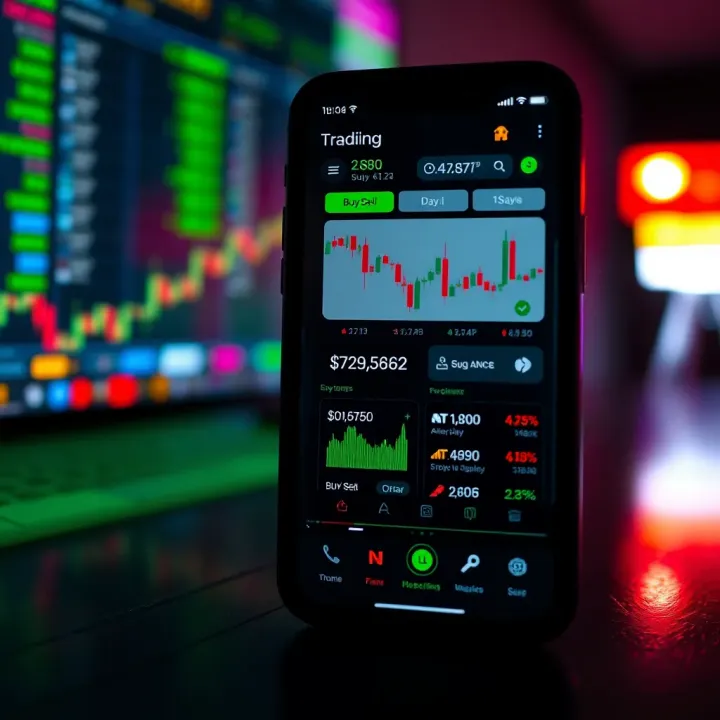
📱 Find the best online trading app in India! Learn about app features, security, user-friendliness, and tips to trade smarter and safer in the stock market.
Based on 8 reviews