
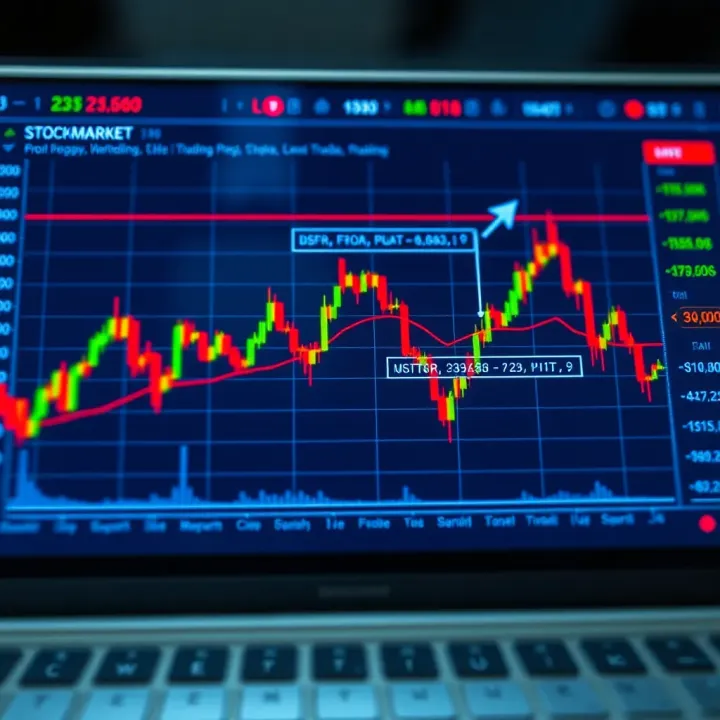
Online Paper Trading Guide for Beginners
📝 Learn how online paper trading helps beginners practice stock market strategies risk-free. Discover top tools, tips, and common pitfalls to avoid.
Edited By
Thomas Wilson
Paper trading offers a risk-free way to practise investing in stocks by simulating real market conditions without using actual money. This hands-on approach helps both beginners and seasoned investors sharpen their skills, test strategies, and build confidence before committing real capital.
Many platforms provide paper trading services, but they differ widely in terms of features, ease of use, data accuracy, and how closely they mirror live markets. Choosing the right site depends on what you want to achieve — whether that’s learning basics, testing complex strategies, or gaining familiarity with specific markets.

Successful paper trading means using a platform that accurately reflects market movements and execution timing, so your practice closely matches real-world trading.
When assessing these platforms, look out for:
Real-time data updates: Delayed prices can give a false sense of performance.
User-friendly interfaces: Complex or cluttered layouts may hinder learning.
Availability of various instruments: Stocks, derivatives, currencies, or mutual funds depending on your focus.
Customization: Ability to create watchlists, set alerts, and deploy multiple strategies.
Educational resources and community support: Helpful for those newer to trading jargon and concepts.
For example, some Indian investors might prefer platforms that integrate UPI or net banking for seamless transition to live trading, while others might prioritise advanced charting tools to analyse trends before making decisions.
Selecting a good paper trading site also means considering mobile apps if you trade on the go, or desktop versions with deeper analytics if you trade from home or office. Reflect on your trading goals carefully and choose a platform that matches your style and learning curve.
This guide will help you weigh the critical features, making it easier to pick a paper trading site that fits your needs perfectly and prepares you well for real market scenarios.
Paper trading offers a practical way to learn the ropes of stock markets without putting real money at risk. For anyone keen to sharpen their trading skills or test new strategies, understanding paper trading is the first step towards confident investment decisions.
Definition and purpose: Paper trading means practising buying and selling stocks, derivatives, or other securities using a virtual trading platform. Instead of actual funds, you use simulated money, which lets you experience market moves and order executions realistically. This approach helps you understand market dynamics and develop trading discipline without worrying about losses.
For example, a novice investor in Mumbai might start with a paper trading platform that mirrors the NSE (National Stock Exchange) and BSE (Bombay Stock Exchange) to grasp how stock prices fluctuate during trading hours. The platform acts as a risk-free environment to familiarise with order types, market timings, and portfolio management.
Benefits for new and experienced traders: New traders gain confidence by practising strategies before committing real capital. They can explore various securities like equities and commodities, learning to read charts and manage risks safely. Experienced traders use paper trading to trial fresh strategies or optimise existing ones, especially in volatile markets, without immediate financial consequences.
A seasoned trader might simulate options trading strategies during periods of market uncertainty. This helps them assess potential returns while avoiding actual premium loss, making paper trading a handy tool for continuous skill refinement.
Simulating real market conditions: The main advantage of paper trading platforms lies in replicating real market conditions closely. Features like real-time price updates, order matching, and exposure to market fluctuations allow traders to feel the market pulse. This simulation prepares users mentally and technically for live trading.
For instance, during events like RBI policy announcements, paper trading accounts reflect price swings just like live markets do. This helps traders practise decision-making under pressure.
Paper trading bridges the gap between theory and live trading by offering a playground where mistakes cost nothing but lessons learned.
Testing strategies without financial risk: Paper trading lets users experiment freely with various trading methods without risking capital. You can try day trading, swing trading, or long-term investment approaches to see which suits your style best. This risk-free testing is especially valuable in markets with unpredictable trends.
A practical example would be a trader planning to use a momentum strategy on Nifty futures. They can first test entries, exits, and stop-loss placements on paper trading sites to fine-tune before committing real money.
In summary, understanding the purpose and advantages of paper trading helps traders—not only beginners but also veterans—hone their skills and refine strategies in a controlled, risk-free space before moving into the live market.
Picking the right paper trading platform goes beyond just having access to dummy trades. You want features that make practising as close to real trading as possible. This means looking at the interface, market data, execution accuracy, and learning support. Each plays an important role in making your experience productive and aligned with your trading goals.
An intuitive design cuts out confusion. When you open a paper trading site, the tools and functions should be clear and easy to access without a steep learning curve. For example, platforms like Upstox Pro Web offer clean layouts where you can place orders, check charts, and review your portfolio without juggling too many windows or tabs. This helps you focus on practising trades rather than figuring out where buttons are.
Mobile and desktop accessibility also matter. Having the option to trade on your phone during your commute or switch to a bigger screen at home ensures flexibility. Zerodha’s Kite Connect platform, for instance, mirror its desktop experience on mobile apps, making it simple to practise whenever you get time. Also, seamless syncing between devices means your progress isn’t lost when you switch.
Your platform should provide access to both Indian and global markets if your trading style requires it. Indian professionals might want to practise on NSE and BSE stocks, while others looking at cryptocurrencies or US equities need wider coverage. Platforms like TradingView offer a broader selection of markets, so this variety supports diverse strategies.
Equally important is the range of securities available. Beyond equities, look for options in derivatives, commodities, or forex if your real trading interests include these. Practising with the exact instruments you plan to trade in real life avoids surprises later. For example, if you want to trade Nifty options, your paper trading site must support it.
Access to up-to-date pricing is essential. Live market data ensures your paper trades reflect current market conditions, enabling more realistic strategy tests. Otherwise, delayed data can mislead your results. Sites like Zerodha Varsity provide near real-time updates, keeping you on your toes.
Execution speed also influences how well your strategies translate to real trading. When you enter or exit a position, the platform should simulate execution delays and slippage realistically. Fast execution with accurate price changes helps identify whether your plan works under real-time pressures or needs adjustment.
Learning to trade is a process. Platforms that offer tutorials, guides, and videos help deepen your understanding while you practise. Zerodha Varsity’s well-structured tutorials, for instance, teach trading concepts alongside their paper trading tools, helping freshers and experienced traders alike.
Customer service quality completes the experience. Responsive and knowledgeable support answers platform issues quickly, which keeps your learning smooth. When a paper platform provides chat, call, or email support, you avoid downtime and gain confidence in your practice environment.
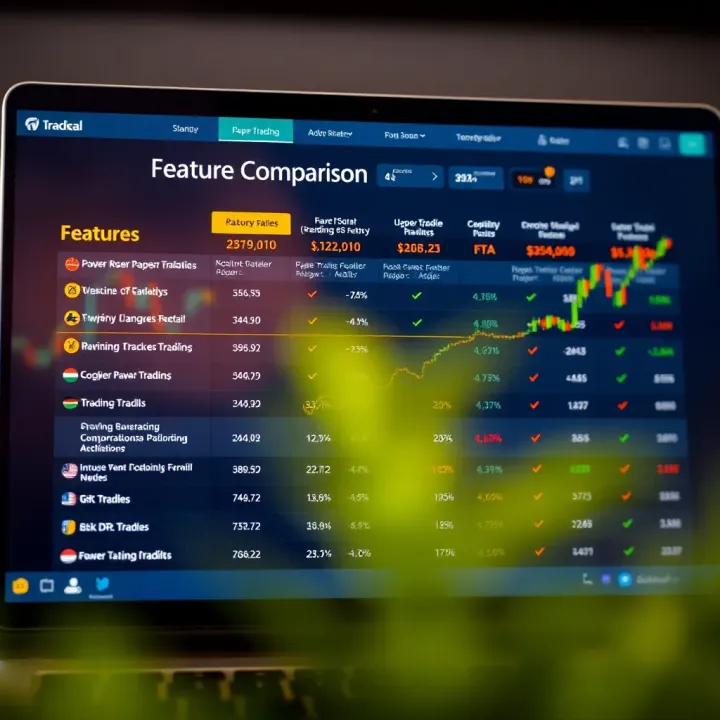
A good paper trading site should merge easy use, reliable data, wide instrument access, and solid learning support to truly prepare you for live markets.
By focusing on these key features, you ensure that your paper trading isn’t just an exercise but a meaningful step toward confident real trading.
Knowing the main platforms available for paper trading can save you time and effort. Each platform offers different tools and market access that shape your experience. It matters because your choice influences how well you can simulate real trades, test ideas, and build skills without real money at stake.
Zerodha is among India’s leading brokers and their paper trading tools link directly to the National Stock Exchange (NSE) and Bombay Stock Exchange (BSE). This means the prices and instruments you see match actual market conditions closely. For traders looking to get Indian equities experience, this integration ensures your simulated trades reflect real-life scenarios neatly.
Zerodha’s platforms cater heavily to Indian users by supporting derivatives, futures, options, and equity markets extensively. Features like margin calculators and market depth views mimic live trading situations. Additionally, learning materials on Zerodha Varsity help freshers grasp complex topics like options strategies and technical analysis, which is handy when testing new tactics on Kite Connect.
Upstox Pro Web offers a clean, user-friendly interface that’s simple to navigate even for beginners. Its dashboard allows quick access to watchlists, order books, and charts without clutter, which helps maintain focus during practice sessions. Usability matters since a clunky site can distract from learning and cause frustration.
Upstox provides demo accounts with virtual money where you can place trades exactly as you would in live markets, including intraday and positional trades. This allows traders to try strategies and understand order execution without real financial exposure. The demo’s responsiveness closely matches actual market timing, making it easier to assess trade outcomes honestly.
Unlike the India-specific platforms, Investopedia’s simulator includes stocks from NASDAQ, NYSE, and other international exchanges. This diversity lets users familiarise themselves with global markets, which benefits those trading multinational portfolios or looking for exposure beyond India.
This simulator has an active user base that participates in trading contests and leaderboards. Such contests inject a sense of realism and competition, pushing users to refine strategies and learn from others. The community aspect also means you can discuss ideas and get feedback in forums, which adds depth to the learning process.
TradingView stands out with its advanced charting options, offering extensive technical indicators and drawing tools. These help traders analyse price action and market trends in detail, supporting better strategy development. For anyone serious about technical analysis, using TradingView’s paper trading alongside its charts provides a hands-on edge.
Besides live simulation, TradingView enables backtesting of trading strategies against historical data. This facility lets traders see how their approach would have performed in the past under various market conditions before risking virtual or real capital. It’s a powerful way to weed out weak plans and improve your chances once you start actual trading.
Choosing the right platform depends on your trading focus—whether Indian stocks, international exposure, or technical strategy testing. Matching platform features to your goals ensures paper trading is a productive and realistic learning phase.
Choosing the right paper trading platform can make a significant difference in how effectively you learn and practise trading. The best site for one trader may not suit another because your trading goals, preferred markets, and experience level all shape what features you need. This section looks at how to match those needs with platform capabilities, helping you pick a site that fits your style and ambitions.
Your trading horizon matters when selecting a paper trading site. If you are focused on short-term trades like intraday or swing trading, the platform must offer real-time data updates and swift order execution. Delays or stale prices can mislead your strategy, making it hard to test timing and entry/exit points accurately. For instance, a trader experimenting with NSE intraday strategies will need a platform similar to Zerodha Kite, which provides fast, live updates.
On the other hand, if your aim is long-term investing in equities, the need for instantaneous data drops. Here, features like detailed fundamental data, research reports, and tracking dividend payouts become more important. Platforms like Investopedia Simulator, with a strong focus on global equity markets and broader research tools, might suit long-term investors better.
Different markets have their own requirements. Equity traders mostly look for ease in buying and selling shares with detailed price histories. Derivatives traders need access to futures and options contracts, margin data, and risk calculators. Meanwhile, forex traders require currency pairs, tight spreads, and often leverage simulation.
Not all paper trading platforms provide these market choices. For example, Upstox Pro Web offers derivatives trading simulation integrated with NSE and BSE data, making it apt for derivatives-focused traders. Meanwhile, TradingView’s platform supports forex alongside stocks, useful for those wanting to practise on multiple asset classes simultaneously.
Many paper trading platforms are free, which works well for casual practice or beginners on a tight budget. But free accounts might come with limitations like data delays, fewer markets, or restricted features. Paid accounts often offer timely data, more instruments, and advanced tools, which better simulate live trading.
For example, beginner traders may start with the free version of TradingView's paper trading but might upgrade to a paid plan to access better charting options and real-time market data. At the same time, if you are a serious trader testing complex derivatives strategies, investing in a paid platform with robust backtesting tools could be worthwhile.
Having reliable and up-to-date market data is vital. Paper trading with delayed or incorrect prices can give false confidence or discourage you unnecessarily. Indian traders need platforms that pull data directly from NSE (National Stock Exchange) or BSE (Bombay Stock Exchange) to reflect reality.
For instance, a paper trading site that refreshes prices every 15 minutes is less useful to intraday traders who thrive on second-to-second accuracy. Always check how frequently a platform updates its data and whether it includes exchange holidays, corporate actions, and intraday volatility.
Trading is as much about sharing ideas as it is personal skill. Platforms with active user forums or social features let you engage with other traders, discuss strategies, and learn from mistakes. These communities often bring practical insights that textbooks lack.
A platform like Investopedia Simulator hosts competitions and a large user base, encouraging newcomers to learn through interaction. Participating in such forums can boost confidence and illuminate market nuances.
Besides peer support, access to expert guidance can elevate your paper trading experience. Tutorials, webinars, or mentoring programs help you understand complex concepts like options Greeks or risk management better.
Zerodha Varsity, for example, offers extensive educational content alongside its paper trading tools, making it an excellent choice for Indian traders who want structured learning. Platforms with good customer support also help clarify doubts quickly, saving you time and frustration.
Choosing a paper trading site tailored to your goals, budget, and learning preferences enhances your practice and prepares you better for live markets.
By considering your trading style, the platform’s reliability and costs, and the available community support, you set yourself up for meaningful practice that can translate into real-world success.
Paper trading only shows its real value when approached with the right mindset and discipline. Treating it seriously allows you to build trading skills and confidence without the fear of losing money. This means following real-world trading routines and analysing results carefully as you would with an actual account.
When paper trading, it's vital to stick to your set entry and exit points, just like in live trading. If you decide to cut losses at ₹500, don't keep holding just because you’re on a demo platform. Discipline helps develop habits that will protect you from emotional mistakes. For example, practising timing your purchases based on market sessions – like avoiding the first 15 minutes of opening when volatility is high – builds useful market sense.
Maintaining a regular trading schedule even on a demo account is equally important. Consistency sharpens decision-making and prevents you from treating paper trading as a casual game. Many new traders lose potential learning because they trade haphazardly on virtual platforms.
Though paper trading doesn’t involve real money, it’s important to simulate emotional discipline too. Developing patience and avoiding impulsive decisions can save you from costly errors later on. For instance, if you see a sudden steep rise in a stock price, resisting the urge to jump in without analysis trains emotional control.
Also, treating losses on paper seriously enables you to understand handling setbacks calmly. Emotional management is a key skill in trading as markets rarely follow a straight path. Practising this on a risk-free platform prepares you well for real trading stress.
Writing down every trade you make — the reasons behind it, entry and exit points, profit or loss, and your emotional state — helps track patterns over time. A trading journal isn’t just a record; it’s a tool to spot repeat mistakes and uncover which strategies work best for your style and market conditions.
For example, you may notice that certain trades fail during the afternoon session due to low liquidity. Such insights come only from documented reviews and not from memory. Over months, this practice helps refine your approach systematically.
Taking periodic time — weekly or monthly — to go over your trades sharpens your learning curve. Instead of chasing trades impulsively, reflecting on your successes and failures builds a practical feedback loop.
Review sessions allow you to check if your strategies perform consistently or falter under certain trends. This habit bridges the gap between theory and practice, making your paper trading experience more productive.
Paper trading is an excellent training ground, but it can only take you so far. Recognising when you have developed consistent profits and can control emotions is key before stepping into live markets.
If you see that your strategies are working well over different market conditions for at least a few months, it’s a sign you might be ready. Overconfidence is a risk here, so test your readiness by starting small and scaling gradually.
Switching to live trading brings real financial exposure. It's wise to decide beforehand the maximum capital you are willing to risk, such as a fixed ₹50,000 with proper stop-loss limits on all trades.
Developing money management strategies like diversifying trades and setting risk-reward targets prevents reckless losses. Remember, no amount of paper trading can eliminate market risk, but careful planning and discipline can control it effectively.
Successful trading starts with honest practice and solid habits. Treat paper trading seriously to build skills that sustain you when real money is involved.
📝 Learn how online paper trading helps beginners practice stock market strategies risk-free. Discover top tools, tips, and common pitfalls to avoid.
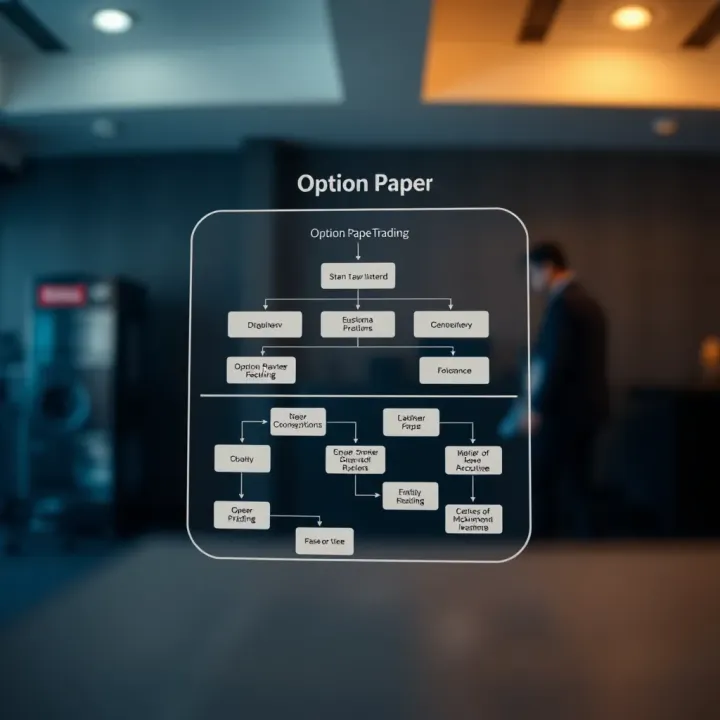
Learn option paper trading in India 📈. Explore basics, benefits, top platforms & risk management tips. Practice trading options safely without real money 💡.

📈 Learn how option paper trading lets beginners & pros practice risk-free, master strategies, overcome challenges & boost confidence before real trading!
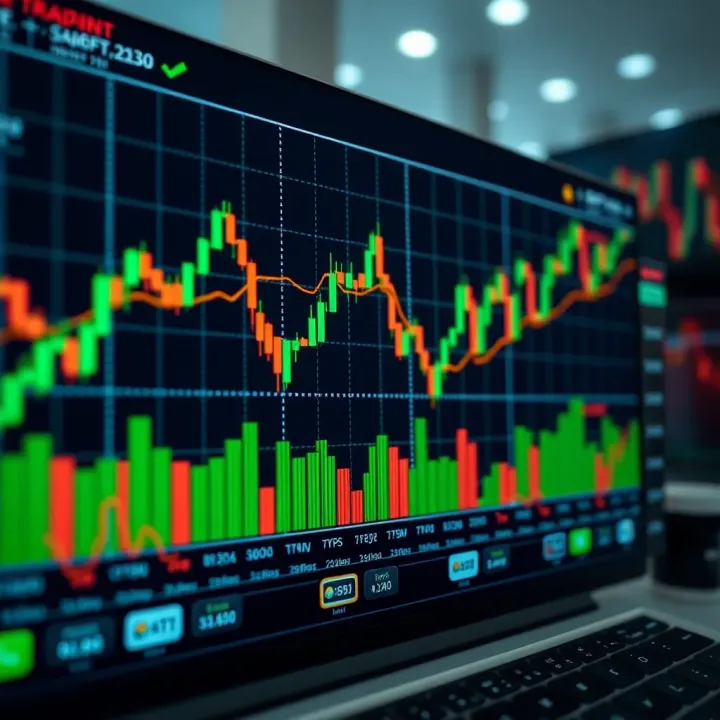
📈 Master market skills risk-free with live paper trading! Understand its pros, cons, and how it aids real-time strategy practice effectively.
Based on 10 reviews