

Guide to Minimum Investment Trading Apps in India
📱 Understand minimum investment trading apps in India: key features, benefits, risks, and tips to pick the right platform for your investment journey.
Edited By
James Whitaker
Starting out in the stock market can feel like stepping into a huge, bustling bazaar where every stall promises something shiny. But for many Indian investors, especially beginners or those with limited capital, jumping in with big money isn't feasible or wise. That's where low-investment trading apps come into play—they allow you to get a taste of the market without burning a hole in your pocket.
These days, the trading app scene in India has exploded, with plenty of options claiming to be the best for small-scale investors. The reality is, not all apps are created equal. Some are better suited for beginners, while others offer features that cater specifically to small trades or fractional investments. Knowing what to look for saves you from headaches later on and helps you make smart choices.
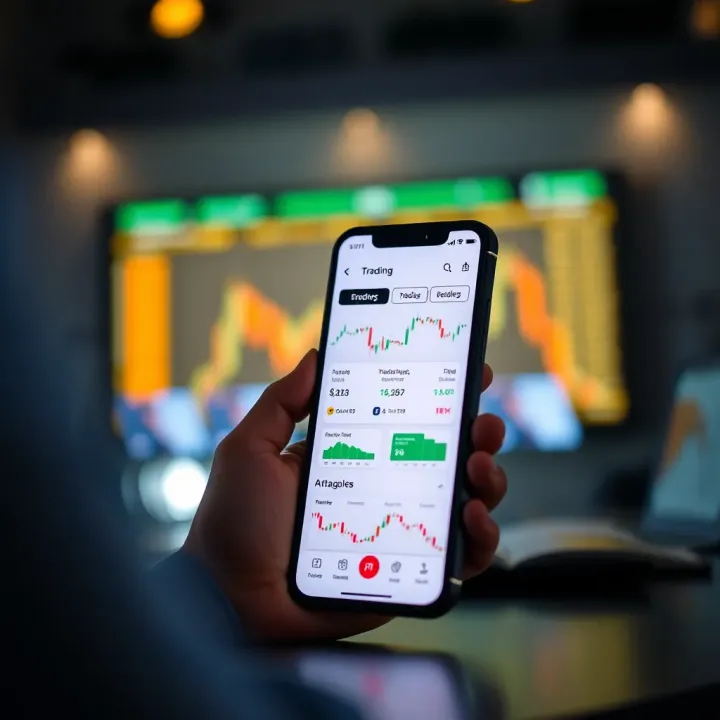
In this article, we'll walk through the key factors to consider when picking a trading app, compare some popular choices available in India, and give you practical tips to keep your money safe. This isn't just about finding any app; it's about finding the right app that fits your goals, budget, and level of comfort with trading. So, if you're ready to take a cautious yet confident step into trading with minimal investment, this guide is your go-to roadmap.
Getting a good grip on what low-investment trading apps are all about is no small thing, especially if you're dipping your toes into the Indian stock markets for the first time. These apps serve as a kind of launching pad for people who don't want to burn a hole in their pockets but still want to test the waters.
You see, the whole point is to create an avenue where traders can get started without worrying about massive upfront commitments. For example, platforms like Zerodha and Upstox have made it possible to trade with as little as a few hundred rupees. This means even students or young professionals can engage in market activities without feeling overwhelmed by costs or risk.
Understanding this space helps investors weed out options that sneak in extra fees or have high barriers to entry. It also teaches users to spot apps that might offer limited access to stocks or instruments, which would cramp their style as they try to build a diversified portfolio.
A core feature that sets these apps apart is the low threshold for starting out. Most low-investment trading apps in India allow you to open an account with zero or minimal account opening charges. For example, Groww doesn’t charge any account opening fee, while investments can start from as low as ₹100 in certain mutual funds.
Importantly, the minimum amount needed to place trades is often as low as ₹100 or ₹500. This is a game-changer compared to traditional brokers that demanded thousands at once. Why? Because it removes that high upfront cost barrier and lets you begin small — which is ideal if you’re testing strategies or learning the ropes.
The fee setup of these apps takes into account the fact that you won't be trading in high volumes. Hence, they typically offer zero brokerage on equity delivery (buy and hold) and flat-low fees or zero brokerage on intraday trading and F&O segments. For example, Zerodha charges zero brokerage for equity delivery but levies a small fee on intraday.
Also, be on the lookout for hidden charges like maintenance fees or inactivity fees. Low-investment apps usually keep these minimal or completely absent, making sure your small trades aren’t gobbled up by unnecessary costs. This transparency is essential if you want your modest budget to keep growing rather than shrinking due to fees.
Jumping in with a small capital cushion is smart because it naturally limits your exposure. In plain terms, you won’t lose your life savings just trying to figure out how the market ticks. Using a low-investment app means mistakes just feel like learning costs, not devastating blows.
For example, imagine starting with ₹1,000 instead of ₹50,000. If a trade goes south, it stings less, and you’re more likely to keep your cool, learn from it, and move forward. This kind of risk mitigation keeps emotional trading — which often leads to poor decisions — in check.
Low-investment platforms encourage you to try various trading styles, instruments, and strategies without sweating over huge losses. Because you can start with a tiny amount, it's easier to play around with stocks, ETFs, or mutual funds.
Take a beginner keen on day trading: they can use apps like Upstox Pro to test their strategies on small-cap stocks without a massive commitment. This trial and error helps build confidence and sharpens skills, turning theory into practice before you commit real big money.
For small investors in India, understanding and using low-investment trading apps is like having a dress rehearsal before the big show — you learn, tweak, and get ready without burning through cash.
Choosing the right trading app when you’re starting small isn't just about finding the cheapest option. It’s about spotting the features that help you trade confidently without burning a hole in your pocket. Let’s explore the key elements that every good low-investment app should have, especially for Indian investors who want to keep things light and smart.
When you’re new or working with a small budget, every extra click or confusing menu can feel like a hurdle. A simple navigation system in a trading app keeps things straightforward. This means your watchlists, order placement, and portfolio overview should be easy to reach — not hidden under five layers of tabs.
For example, apps like Groww and Zerodha Kite are known for clean layouts where even a first-timer can spot the "Buy" or "Sell" button with little fuss. This simplicity prevents mistakes such as wrongly placing orders or missing trade opportunities.
Closely tied to navigation is how intuitive the order placement process is. Can you quickly pick a stock, set your price or market order, and see your position? Apps that let you adjust quantities and see estimated costs instantly help you make quicker, smarter moves.
An intuitive order system means less time figuring out how things work and more time trading. Upstox Pro, for instance, offers easy toggles for limit orders, stop loss, and market orders, perfect for investors wanting to test waters without complexity.
Every rupee counts when you’re trading on a slim budget. Low brokerage charges reduce the cost of buying and selling shares, helping your small investments stretch further. Instead of losing 20 to 50 rupees per trade, you ideally want a flat fee or even zero brokerage on certain trades, like delivery-based transactions.
Zerodha’s model charging ₹20 or 0.03% per trade (whichever is lower) is a prime example that balances cost and access well for small investors.
Nothing’s more frustrating than hitting a surprise charge during settlement or withdrawal. A transparent fee structure means the app clearly shows what you’ll be charged upfront—no sneaky taxes or platform fees lurking in the fine print.
Before committing, always read the fee sections carefully. Some apps might advertise low brokerage but hike charges on services like SMS alerts, account inactivity, or fund transfers.
A versatile app lets you dip into various market types without juggling platforms. Equities are great for long-term investment while commodities and derivatives offer options for short-term speculation or hedging.
For instance, Upstox’s wide market access can be a boon if you want to diversify beyond just stocks while keeping your investment low.
Not everyone wants to trade every day. Having mutual funds and ETFs accessible in the same app means you can also invest passively and benefit from professional management. Many apps now allow starting SIPs (Systematic Investment Plans) with minimal amounts—as low as ₹100 monthly—making them ideal for beginner investors.
Groww stands out here with an interface that blends direct equity along with mutual funds seamlessly.
Trading apps handle sensitive info — personal ID, bank details, and trading data. Strong encryption and secure login processes (like two-factor authentication) aren’t just features, they are essentials. Apps lacking these could expose your account to hackers.

Check if the app keeps your data safe, uses HTTPS connections, and regularly updates security protocols. Never compromise security for convenience.
In India, SEBI (Securities and Exchange Board of India) regulates trading platforms ensuring investor protection. Choose apps explicitly registered with SEBI to avoid scams or non-compliance problems.
This adherence means your investments are monitored, and grievance redressal gets proper attention. Apps like Zerodha, Upstox, and Groww disclose their SEBI registration clearly, giving an added layer of trust.
Picking the right low-investment trading app boils down to ease of use, fair costs, access to varied markets, and strong security. It’s better to take time choosing than rush into a platform that might cause headaches later on.
Finding these features will help Indian investors from different backgrounds feel comfortable and ready to make small investments grow safely and steadily.
For Indian investors ready to dip their toes into the stock market without burning a hole in their pockets, picking the right trading app can be a game-changer. Low-investment trading apps are designed specifically to cater to the needs of beginners or small-scale traders, offering a balance of convenience, affordability, and access to diverse market opportunities.
These platforms often allow users to start with minimal capital, sometimes as low as a few hundred rupees, and provide tools that help manage risks effectively. Choosing from popular apps already well established in India not only ensures reliability but also provides exposure to tested features and a wider range of investment products.
Information on specific apps is crucial because each app has quirks—some might shine in offering low fees, while others boast easy navigation and wider asset classes. Knowing these details helps investors make decisions that align with their trading style and financial goals.
Zerodha Kite is one of the pioneers in the discount broking space in India. It demands as little as ₹200 to start trading, which is perfect for newcomers. Zerodha Kite's strength lies in its clean interface and powerful charting tools, which cater well to both beginners and seasoned traders. It supports trade in equities, commodities, and derivatives, offering a comprehensive package.
Upstox Pro has carved a niche by providing a robust platform with an equally low entry barrier. A minimum investment of ₹100 opens the door to trading in stocks and commodities on Upstox. The app’s API integration options and fast trade execution are plus points, especially for traders who wish to automate parts of their strategy eventually.
Groww started as a mutual fund platform but quickly expanded into full-fledged stock trading. Groww stands out for users unfamiliar with trading jargon since it uses simple language and a clean layout. Like Zerodha and Upstox, Groww allows you to start with minimal money, often ₹500 or less, making it accessible for most small investors. The app also focusses on investment products beyond stocks, including ETFs and SIPs.
Ease of use: All three platforms prioritize user experience but in different ways. Zerodha Kite is feature-rich but can feel a bit intimidating at first due to its extensive options and tools. Upstox Pro strikes a middle ground with a streamlined interface but packs enough features for those eager to explore. Groww is perhaps the easiest to get to grips with, making it very popular among first-timers.
Fee transparency: Transparency in costs is a big deal when your investment pot is small. Zerodha charges ₹20 or 0.03% per executed order in equity delivery, whichever is lower, with zero brokerage on investments. Upstox offers a similar fee model but often includes discounts and plans that benefit active traders. Groww tends to be straightforward—no hidden charges, and its brokerage is competitive, especially for newer investors. Knowing these fees upfront helps prevent surprises down the line.
Customer support: Support is a critical factor when starting out. Zerodha has a decent support system but sometimes the wait can be long during peak hours. Upstox provides chat and phone support with a quicker response time in many cases. Groww stands out by actively guiding new investors, often with educational content and responsive helplines. Good support is invaluable for beginners trying to navigate the investing maze.
Selecting a trading app isn't just about cost or features; it’s about finding a tool that matches your comfort level and trading needs. Testing out demo accounts, when possible, or simply experimenting with small amounts first can save frustration later.
In sum, Zerodha Kite, Upstox Pro, and Groww each bring unique advantages to the table. By balancing their features, fees, and support systems against your personal investing goals, you can select the app that suits you best for diving into the Indian stock market with limited capital.
Starting out with a small amount of money is often the most practical approach, especially for investors new to the market. It allows you to get a feel of live trading without putting too much at risk. When you begin with minimal capital, you can learn the ropes while testing different strategies and understanding how market fluctuations impact your portfolio.
One big advantage of starting small is the lowered financial pressure. For example, investing ₹1,000 to buy a few shares in a mid-cap company can provide valuable real-market exposure without draining your savings. Plus, many apps today make it easy to begin with just a few hundred rupees.
That said, minimal capital means you should be mindful of fees and product choice, since these can eat into your returns faster than with larger investments. This section breaks down the essential steps: opening your account, completing KYC (know your customer), and picking the right products that suit small investments.
Before you can trade, you’ll need to open a trading and demat account with a registered brokerage. The key part is submitting your KYC documents — a mandatory process to verify your identity and address. Typically, you’ll need:
Aadhar Card or PAN Card: Primary identity proof.
Proof of Address: This could be a passport, voter ID, or recent utility bill.
Cancelled cheque or bank statement: To verify your bank account for fund transfers.
Collecting these beforehand speeds up the registration process. For example, Zerodha and Upstox both ask for scanned copies during signup. Ensuring these documents are clear, legible, and up-to-date avoids delays.
Once you upload all documents, the broker initiates the verification. They cross-check your data against government databases and may do a video KYC. This is a quick video call where you show your ID and confirm information – it’s usually over in minutes.
After successful verification, your account gets activated, and you’ll receive login credentials. This step is crucial because trading can only start once your identity is confirmed — it protects against fraud and keeps the system secure.
Tip: Choose apps that offer digital KYC with minimal paperwork for a hassle-free start.
With a limited budget, picking affordable stocks is key. Look for companies with lower share prices but good growth potential. For example, mid and small-cap stocks often have prices ranging from ₹50 to ₹200 per share, making them accessible for small investors.
You don’t need to buy lots of shares to participate; many trading apps now offer fractional shares or allow you to buy as few as one share. Apps like Groww provide detailed stock analysis, which helps you make informed choices even with less capital.
Mutual funds, especially through Systematic Investment Plans (SIPs), are great for small investors. SIPs let you invest a fixed amount regularly (e.g., ₹500 or ₹1,000), which spreads out your risk and builds wealth gradually.
Using platforms like Paytm Money or Groww, you can easily start SIPs in equity, debt, or hybrid funds. These options come with professional management so you don’t have to pick stocks yourself.
Regular SIP investments also help instill discipline. Over time, even small contributions can add up due to compounding.
Remember: Choose funds with low expense ratios and consistent performance records for a smarter investment.
By following these steps, you can enter the trading world safely and smartly without breaking the bank. Opening an account and completing KYC sets the foundation, while picking the right stocks or funds makes the most of your small capital.
Starting with a small amount in trading might sound like a safe bet, but it comes with its own set of challenges. These risks are often subtle yet impactful, especially for beginners who might not fully grasp the implications. Understanding these pitfalls helps investors avoid costly mistakes early on and build a more sustainable trading strategy.
One major risk is that the limited capital often encourages impulsive trading decisions. The pressure to make quick gains can lead to behaviors that erode the value of an account faster than expected. Also, beginners sometimes overlook how fees and charges eat into their profits and even swell losses, turning a seemingly promising trade into a money-losing venture. Recognizing these risks upfront is essential for anyone using low-investment trading apps.
One of the most common traps for new traders is overtrading—frequently buying and selling in hopes of hitting a quick winner. Think of it like playing a video game on "easy mode" but rushing through levels without strategy; you might get stuck or lose progress rapidly. Overtrading not just wastes money on transaction fees but also increases exposure to the volatile market swings, which are even riskier with a small investment.
To manage overtrading, it helps to set clear limits on how many trades to make daily or weekly. Take the example of Rohit, who started with ₹5,000 but made 10 trades a day hoping for quick profits. His account drained quickly because each trade cost a small fee that added up, leaving little room for actual profit. Patience and a focused plan beat frantic trading every time.
Ignoring the impact of fees is like forgetting the fuel cost when planning a road trip—it can wreck your budget. Trading fees, including brokerage, transaction, and platform charges, chip away at profits, especially when operating with tight capital. Even zero-brokerage claims sometimes hide other small fees that add up unnoticed.
Take, for instance, someone investing ₹1,000 per trade with a brokerage fee of ₹20. That alone is a 2% cost, which is substantial compared to larger portfolios. Beginners should always read the fine print on fee structures offered by apps like Zerodha Kite or Upstox and factor these into their expected returns, adjusting the frequency or size of trades accordingly.
A stop-loss order acts like a safety net, automatically selling the stock at a predetermined price to prevent further losses. This is crucial when working with small capital as it protects the limited funds from plunging too far.
For example, if you buy shares at ₹100, setting a stop-loss at ₹90 limits your loss to 10%. This way, you don't sit around hoping the price rebounds while watching your portfolio shrink. Most trading apps offer easy stop-loss features, so use them to contain risks rather than leaving trades open to unpredictable market swings.
Putting all your eggs in one basket is risky, especially when the basket is tiny to begin with. Diversifying your investments means spreading your money across different stocks, sectors, or asset classes like mutual funds or ETFs. This balance reduces the chance that a single bad investment wrecks your entire portfolio.
Even with ₹10,000, you can split your capital—perhaps ₹4,000 in blue-chip stocks, ₹3,000 in a low-cost mutual fund, and ₹3,000 in a commodity like gold. This way, poor performance in one area could be offset by gains in another, making your small investment less vulnerable to market shocks.
Smart risk management is the backbone of low-investment trading success. Using stop-losses and diversifying can turn small stakes into steady growth over time.
Being aware of these risks and applying practical steps to mitigate them turns low-investment trading from a risky gamble into a manageable learning experience.
Getting started in trading with a modest amount can be tricky, but with the right approach, it’s totally doable to make your money work harder.
Small investments need extra care since even minor mistakes can eat into your profits pretty quickly. The key is to be strategic—use every resource available to build your skills and keep track of your progress. This section focuses on practical ways to stretch your small capital and make smarter decisions along the way.
One of the best ways to get comfortable is by using demo accounts. These simulate the real trading experience but use virtual money. Imagine it like a flight simulator for pilots—except you’re practicing trades without any chance of losing hard-earned cash. It’s a fantastic way to test different strategies and get familiar with how a trading app works before jumping in with real money.
If you try Zerodha Kite’s paper trading feature or Upstox’s demo platform, you’ll notice how you can place trades, check live market prices, and see how your virtual portfolio performs. This practice helps reduce panic-driven mistakes because you’ve already seen how certain moves affect your gains and losses.
Demo accounts make the difference between blind trading and informed trading.
Watching market shifts in real-time using demo accounts allows you to recognize patterns—what causes prices to spike or drop. Markets can behave like the weather; sometimes calm, sometimes stormy. By observing trends, volumes, and price actions virtually, you start to read the market’s language.
Whether it’s observing how Reliance Industries shares react to quarterly results or how a sudden RBI announcement affects banking stocks, the demo setup helps you anticipate the usual ups and downs. This knowledge is priceless as you prepare to invest real money later.
Once you start investing for real, it’s not enough to just set and forget. Keep an eye on how your portfolio is doing regularly. Think of it like keeping tabs on your pantry—you want to know what’s running low and what’s going stale.
Apps like Groww and Upstox provide detailed insights into your holdings, showing gains, losses, and overall portfolio performance. By reviewing these reports weekly or monthly, you can spot which stocks or funds are dragging your returns down or which ones are shining brightly.
Flexibility is key, especially when working with limited funds. If you notice certain investments aren’t living up to expectations or market conditions change, don’t be afraid to tweak your approach. Maybe cutting losses on a poorly performing stock or reallocating funds to mutual funds or ETFs makes more sense.
For example, if a tech share underperforms due to sector issues, shifting to defensive stocks or index funds can safeguard your capital. Remember, it’s not about chasing every shiny opportunity but making calculated moves to protect and grow your investment.
Regular reviews and adjustments help you stay on top of market changes without falling prey to impulsive decisions. They ensure your small investment continues working efficiently toward your financial goals.
Choosing the right trading app when you’re starting with a low investment is more than picking one with the lowest fees. It’s about finding a balance between features, reliability, and cost that fits your trading style and goals. This section wraps up the entire discussion by highlighting how these factors work together to help you build a solid trading habit, even if you're beginning with just a few hundred rupees.
Reliability is not just about how often the app works without crashing—it’s about consistent performance, trustworthy execution of orders, and good customer service. For example, Zerodha Kite is known for steady uptime and quick order processing, which is crucial when you trade on small margins. When the app is slow or glitches, even a small mistake can turn into a significant loss. Always check user reviews, app updates, and how quickly issues are addressed before you commit.
Low brokerage charges might look tempting, but watch out for hidden fees like annual maintenance charges (AMC), withdrawal fees, or penalties for inactivity. Upstox, for instance, offers low brokerage plans but you should read the fine print to avoid unexpected costs. Hidden charges may eat into your tiny profits faster than you expect. Always use a cost calculator offered by many apps or websites to get a clear picture before starting.
Trading with small capital demands patience. It’s not about hitting a jackpot overnight but about steady growth. Losses will happen, but don’t let impatience push you into making rash decisions or gambling on risky bets. For example, a trader investing ₹500 monthly in an ETF through Groww should expect slow gains, but with time, these small steps add up significantly.
One of the biggest advantages of low-investment trading apps is the chance to learn without heavy losses. Use demo accounts if available, carefully study market trends, and gradually move from simple stocks to more advanced products like derivatives or mutual funds. This gradual experience builds confidence and improves decision-making — key ingredients for long-term success. Remember, even expert traders started with small, cautious moves.
Finding the right app and approach can turn a small starting capital into something much bigger, but it takes time, attention to detail, and a smart strategy.
📱 Understand minimum investment trading apps in India: key features, benefits, risks, and tips to pick the right platform for your investment journey.

Looking for the best low charge trading app in India? Discover features, save on transaction fees, compare top options, and choose what suits your investment style 📱💰

📱 Discover how to pick the perfect low investment trading app in India! Learn about fees, security, markets & tips for beginners with a small budget. 💰

Discover trading apps in India with low deposit needs 💰. Compare features, costs, and security to find the best platform for your first investment 📈.
Based on 8 reviews